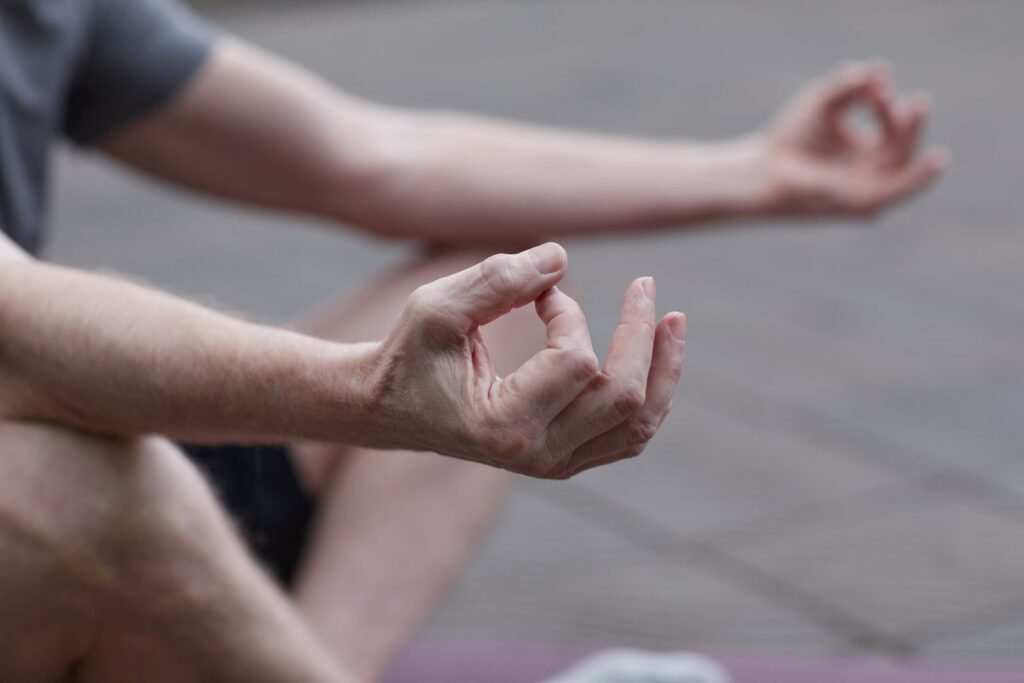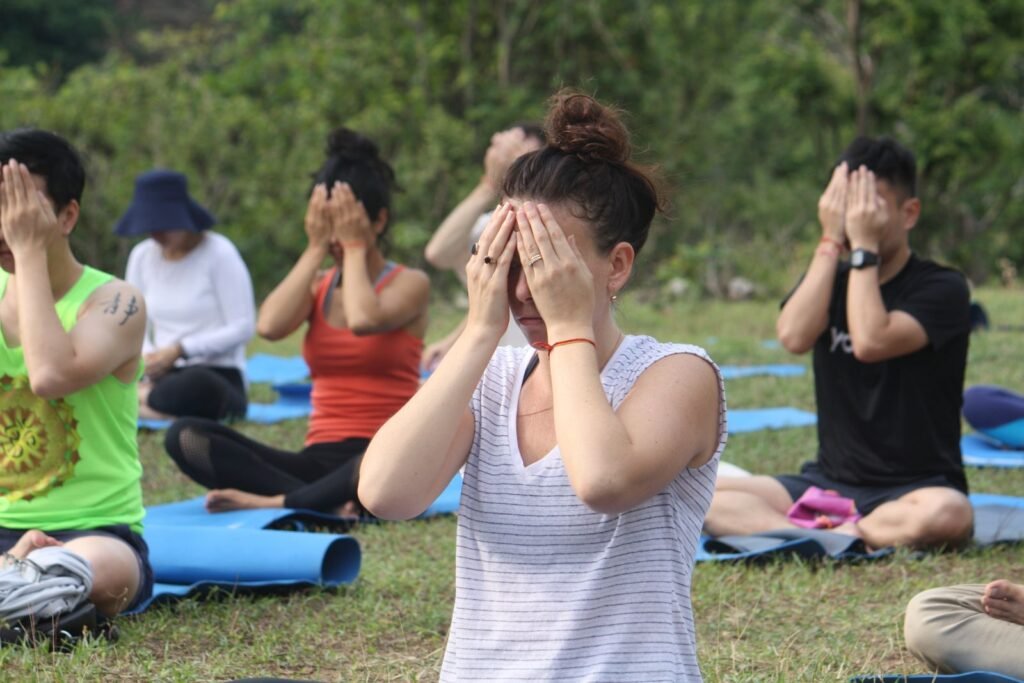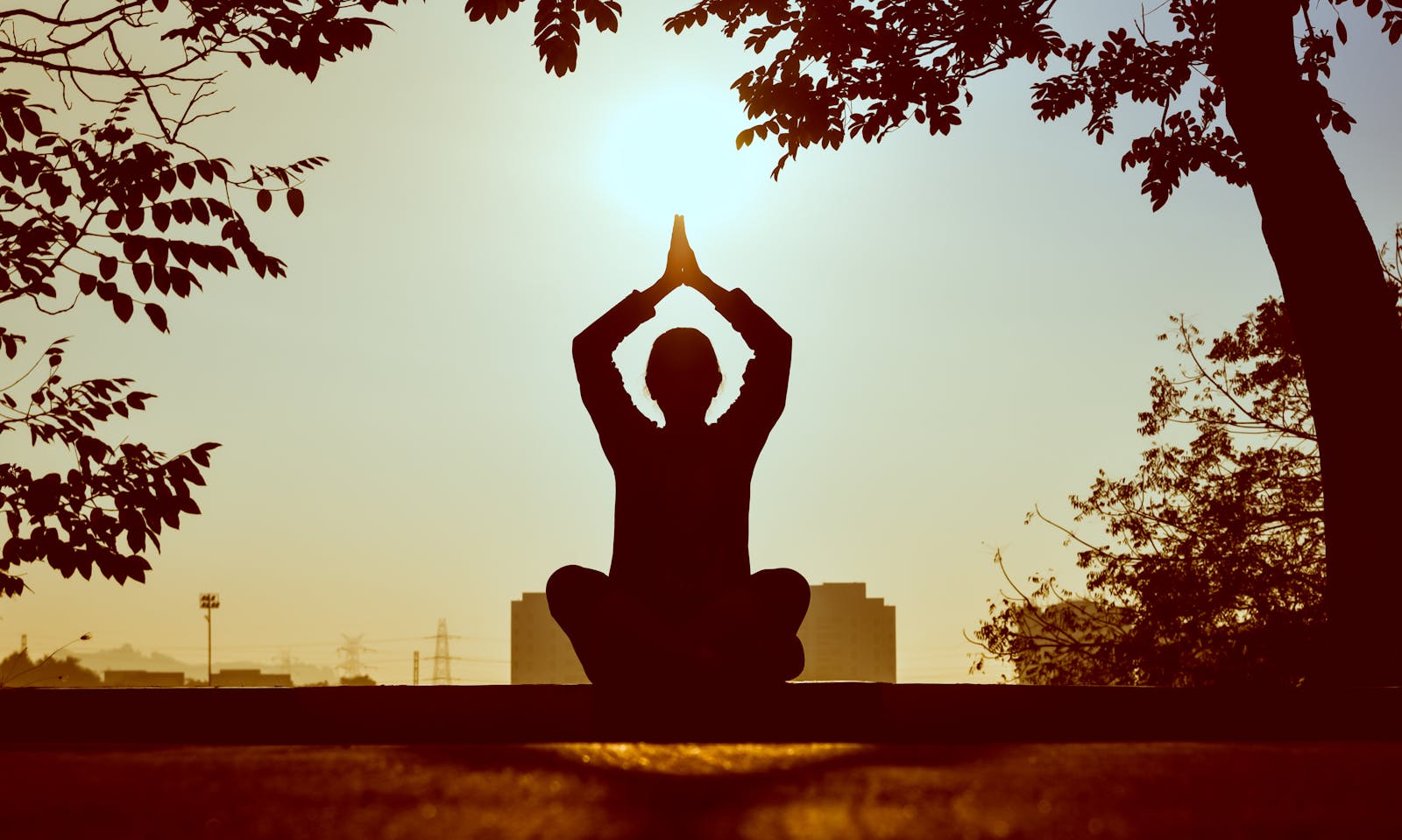
Brahmacharya is the fourth of the five yamas in Patanjali’s classical yoga philosophy, and it means the wise, conscious channeling of energy rather than its careless spending. Literally translating to “walking in alignment with the highest truth” or “moving toward Brahman,” brahmacharya is often narrowly defined as celibacy, but its real scope is much wider: it is the practice of moderation, sensory discipline, and directing your vital energy toward what actually matters to you. In modern practice, brahmacharya shows up as mindful use of time, attention, food, screens, relationships, and physical energy so that none of it is wasted on compulsive craving.
What Does Brahmacharya Actually Mean?
The word comes from two Sanskrit roots: brahma, referring to ultimate reality or the highest consciousness, and charya, meaning “to move” or “to conduct oneself.” Put together, brahmacharya describes a way of conducting your life that keeps you moving toward truth rather than toward fleeting sensory gratification. In the ancient Vedic ashrama system, brahmacharya named the first stage of life, when young students lived with a teacher (guru) in conditions of simplicity, focus, and celibacy in order to devote all their energy to learning. That historical association is why brahmacharya is still commonly translated as “celibacy” today, but Patanjali’s Yoga Sutras use the term in a broader ethical sense, as one of five yamas (restraints) that govern how a practitioner relates to the world.
Brahmacharya as One of the Five Yamas
In the eight-limbed path of yoga, the yamas are the first limb and represent restraint in our external conduct. The five yamas are ahimsa (non-harming), satya (truthfulness), asteya (non-stealing), brahmacharya (energy moderation), and aparigraha (non-grasping or non-attachment). Together these five form the ethical foundation that the rest of the eight limbs of yoga are built upon, including niyamas, asana, pranayama, and meditation. Brahmacharya sits at the midpoint of the list because it bridges the outward-facing restraints (not harming others, being honest, not stealing) with the more internal, energy-focused practices that follow. Without disciplined use of energy, the deeper stages of yoga practice like pranayama and meditation are difficult to sustain.
Is Brahmacharya Only About Celibacy?
No — this is the single biggest misunderstanding around the term. While brahmacharya historically included celibacy for students and renunciates, contemporary yoga teachers and scholars widely interpret it as moderation and conscious use of energy in all its forms, not exclusively sexual energy. A householder practicing brahmacharya isn’t necessarily abstaining from intimacy; instead, they are practicing fidelity, presence, and non-compulsiveness within their relationships. The core question brahmacharya asks is not “am I abstaining?” but “am I spending my energy consciously, or am I leaking it through habits I don’t actually choose?” This distinction matters because treating brahmacharya as a strict celibacy rule can make the yama feel irrelevant to most modern practitioners, when in fact it’s one of the most practical yamas for daily life.
How Does Brahmacharya Apply to Modern Life?
For most people practicing yoga today, brahmacharya translates into everyday choices about where attention and energy go. This can look like:
- Digital moderation — noticing compulsive phone checking or endless scrolling and choosing to redirect that attention.
- Food and appetite — eating with awareness rather than using food to numb emotions, which connects closely to the discipline taught in mindful eating practices.
- Speech and social energy — not over-committing socially or dispersing your attention across too many conversations, obligations, or distractions.
- Sexual energy — practicing fidelity, respect, and consciousness in intimate relationships rather than repression or indulgence.
- Work and ambition — pursuing goals with focused, sustainable effort instead of frantic overwork that burns out the nervous system.
In each case, brahmacharya is less about restriction for its own sake and more about asking: does this action align with my deeper intentions, or is it just a habitual leak of energy?
What Is Brahmacharyasana (The Celibate’s Pose)?
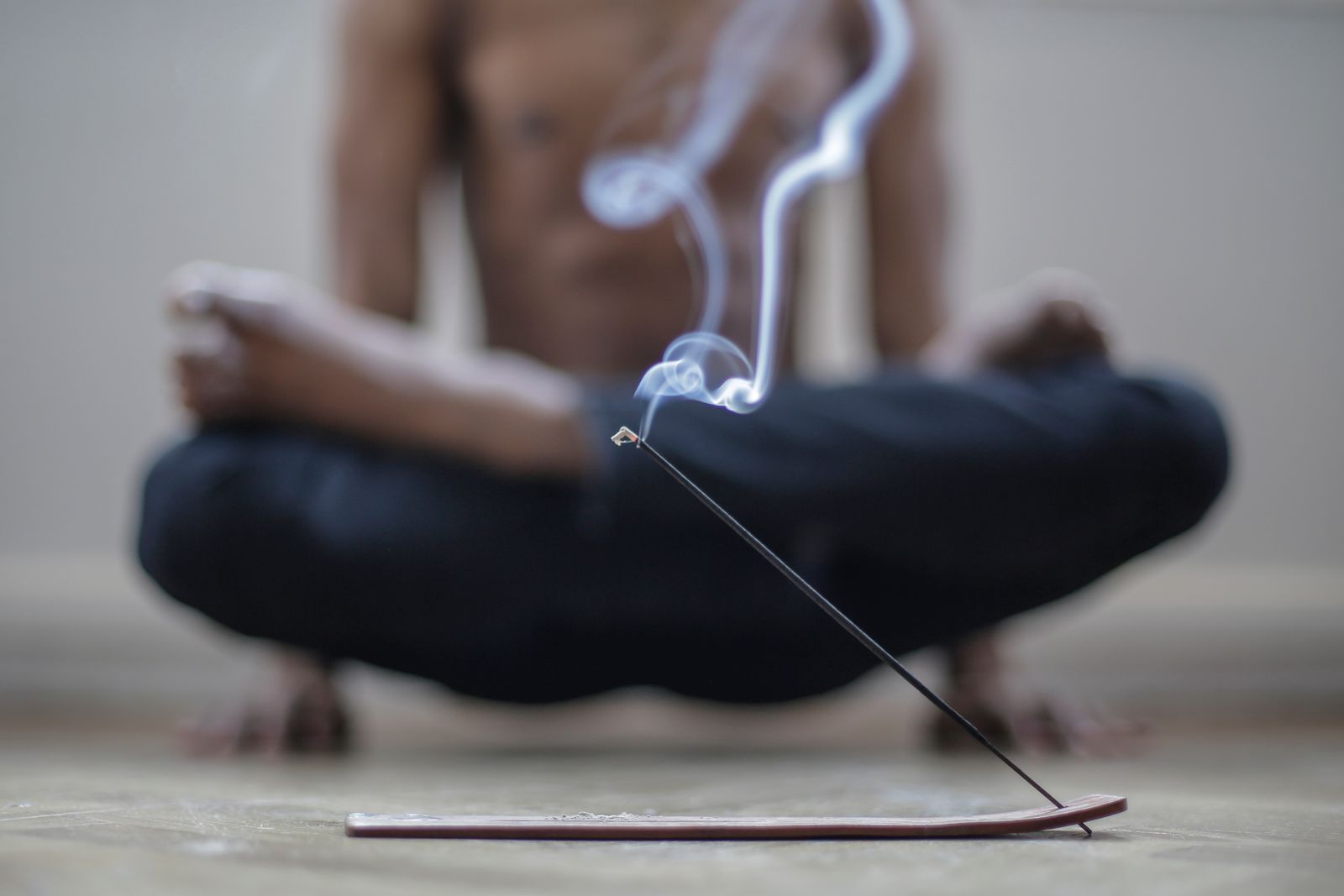
Brahmacharyasana, sometimes called the “celibate’s pose,” is a seated yoga posture named directly after this yama. It is typically practiced in one of two ways: a kneeling variation where the practitioner sits between the heels with the thighs internally rotated, or an extended-leg variation resembling dandasana (staff pose) with the body’s weight lifted slightly off the floor using the arms. In yogic tradition, this pose is associated with redirecting reproductive and vital energy upward through the body, sometimes described in relation to a subtle channel called shivani nadi, toward greater mental clarity and focus. As with many traditional claims about subtle energy channels, this benefit is best understood as part of yoga’s symbolic and contemplative framework rather than a clinically proven physiological mechanism — practitioners should approach it as a meditative and energetic practice rather than a medical claim.
What Are the Best Yoga Asanas for Brahmacharya?
While brahmacharya is fundamentally an ethical principle rather than a single pose, certain postures are traditionally associated with supporting the qualities brahmacharya cultivates: groundedness, energy retention, and inward focus. These include:
- Root-strengthening poses like mulabandhasana and other seated postures that engage mula bandha (the root lock), believed to help contain and direct pranic energy rather than let it dissipate.
- Balancing poses such as vrikshasana (tree pose), which demand steady, undistracted attention and mirror the mental steadiness brahmacharya asks for.
- Restorative forward folds like paschimottanasana, which turn attention inward and away from external sensory stimulation.
- Inversions such as sarvangasana, traditionally believed to help conserve and redirect vital energy.
Pairing any of these asanas with slow, conscious breathing turns a physical practice into a genuine brahmacharya exercise: the goal is containment and direction of energy, not just physical performance.
How Is Brahmacharya Different From the Other Yamas?
Each yama restrains a different tendency. Ahimsa asks us not to cause harm through action, word, or thought. Satya asks for truthfulness. Asteya asks us not to take what isn’t freely given. Aparigraha asks us to release grasping and over-accumulation. Brahmacharya is distinct because it specifically addresses the management of internal energy and desire — it’s less about how we treat others and more about how we relate to our own impulses and cravings. You could think of ahimsa and satya as governing outward conduct, while brahmacharya governs the inner economy of attention and desire that ultimately shapes that conduct. Practicing all five yamas together, alongside the niyamas, creates the ethical scaffolding described throughout yamas and niyamas teachings.
What Role Does Brahmacharya Play in the Bhagavad Gita?
The Bhagavad Gita doesn’t use the word brahmacharya as extensively as Patanjali’s Yoga Sutras, but its core teaching on detached, disciplined action closely parallels brahmacharya’s spirit. Krishna’s counsel to Arjuna — to act without being enslaved by the fruits of action — mirrors brahmacharya’s call to engage with life fully while remaining unattached to compulsive craving. Both texts converge on the same underlying idea: energy that is spent unconsciously, whether through desire, ego, or attachment, diminishes our capacity for clarity and purpose, while energy that is directed consciously becomes a source of strength.
What Are the Benefits of Practicing Brahmacharya?
Practitioners and teachers commonly describe several benefits associated with sustained brahmacharya practice, understood as outcomes of greater self-regulation rather than guaranteed medical effects:
Improved focus and mental clarity, since less energy is dispersed across compulsive distractions.
Greater emotional steadiness, as reactive patterns around desire and craving soften.
More sustainable physical vitality, since the body isn’t run down by constant overstimulation, poor sleep habits, or excess.
Deeper relationships, because energy that used to be scattered across distractions becomes available for genuine presence with others.
Support for meditation and pranayama, since a mind that isn’t constantly chasing sensory input settles more easily, which is why brahmacharya is traditionally taught as preparation for the later limbs of yoga, including dhyana and dharana.
How Do You Start Practicing Brahmacharya Today?
Brahmacharya doesn’t require dramatic lifestyle changes to begin. A practical entry point is simply noticing: where does your attention or energy leak out unconsciously during a typical day? Common starting practices include:
Setting boundaries around phone and social media use, especially first thing in the morning and before sleep.
Practicing single-tasking — giving one activity your full attention rather than splitting focus.
Observing appetite and cravings without immediately acting on them, even for a few breaths.
Bringing more intention to how you spend free time, choosing activities that restore energy over ones that merely distract.
Using a short daily pranayama practice, such as nadi shodhana (alternate nostril breathing), to build the habit of consciously directing energy rather than letting it scatter.
Over time, these small practices compound, and brahmacharya stops feeling like a restrictive rule and starts feeling like a form of self-respect.
How Does Brahmacharya Connect to Physical Yoga Practice?
On the mat, brahmacharya shows up as the difference between forcing a pose and working within your body’s real capacity. Overextending in vinyasa flows or pushing through fatigue to “keep up” in a class is a subtle violation of brahmacharya, since it spends energy carelessly rather than sustainably. Practicing brahmacharya on the mat might mean choosing a gentler variation of a pose, resting in child’s pose when needed, or ending a home practice a few minutes early rather than pushing to exhaustion. This same principle underlies why many styles of yoga, from restorative to hatha, emphasize working with the body’s natural rhythms instead of against them.
Common Misconceptions About Brahmacharya
Beyond the celibacy misunderstanding, a few other misconceptions are worth clearing up. Brahmacharya is not about suppression or denial — repressing natural desires without addressing their root causes tends to create more internal conflict, not less. It’s also not a one-size-fits-all rule; the right expression of brahmacharya for a monastic renunciate looks very different from the right expression for someone raising a family or building a career. Finally, brahmacharya isn’t achieved once and then maintained effortlessly — like any yogic discipline, it’s a practice that’s renewed daily through small, conscious choices rather than a permanent state you arrive at.
Questions People Ask About Brahmacharya
What is the simplest definition of brahmacharya?
Brahmacharya is the conscious, moderate use of personal energy — mental, physical, sexual, and emotional — so that it moves you toward clarity and purpose rather than being spent on compulsive habits or cravings. It is one of the five yamas in classical yoga philosophy and is often summarized simply as “right use of energy.”
Does brahmacharya mean you can’t have a romantic relationship?
No. While brahmacharya historically referred to celibacy for students and renunciates, most modern teachers interpret it as fidelity, presence, and conscious intimacy within relationships rather than abstinence. The goal is avoiding compulsive or careless use of sexual energy, not eliminating relationships altogether.
How is brahmacharya different from brahmacharyasana?
Brahmacharya is the ethical principle (a yama) about disciplined use of energy. Brahmacharyasana is a specific seated yoga posture, sometimes called the “celibate’s pose,” traditionally associated with redirecting vital energy inward and supporting the qualities the yama describes.
Which yoga poses best support brahmacharya practice?
Grounding and balancing poses such as tree pose, seated forward folds, and postures that engage mula bandha are traditionally linked to brahmacharya because they cultivate steadiness, inward focus, and conscious containment of energy rather than dissipation of it.
Is brahmacharya only relevant to monks and renunciates?
Not in contemporary practice. While brahmacharya originated in the context of celibate students and renunciates in Vedic culture, today it’s widely taught as a practical principle for anyone — applicable to how you use your phone, spend your free time, eat, work, and relate to others.
How does brahmacharya relate to the other yamas?
Brahmacharya works alongside ahimsa, satya, asteya, and aparigraha as one of the five yamas that form yoga’s ethical foundation. While the other yamas largely govern conduct toward others, brahmacharya specifically governs how you manage your own internal energy and desire.
Try This for Yourself
Reading about brahmacharya is a good start, but the real shift happens through guided practice — noticing where your energy leaks and learning to redirect it with intention, breath, and steady postures. If you’d like structured support building this kind of awareness on and off the mat, explore FitStrot’s online yoga classes, where certified teachers guide you through practices rooted in yoga philosophy as well as physical technique.
Related reading: Ahimsa: The Practice of Non-Harming, Satya: Truthfulness in Yoga Philosophy, Aparigraha: Letting Go of Grasping, The Complete Guide to Yamas and Niyamas, and FitStrot’s Online Yoga Classes.