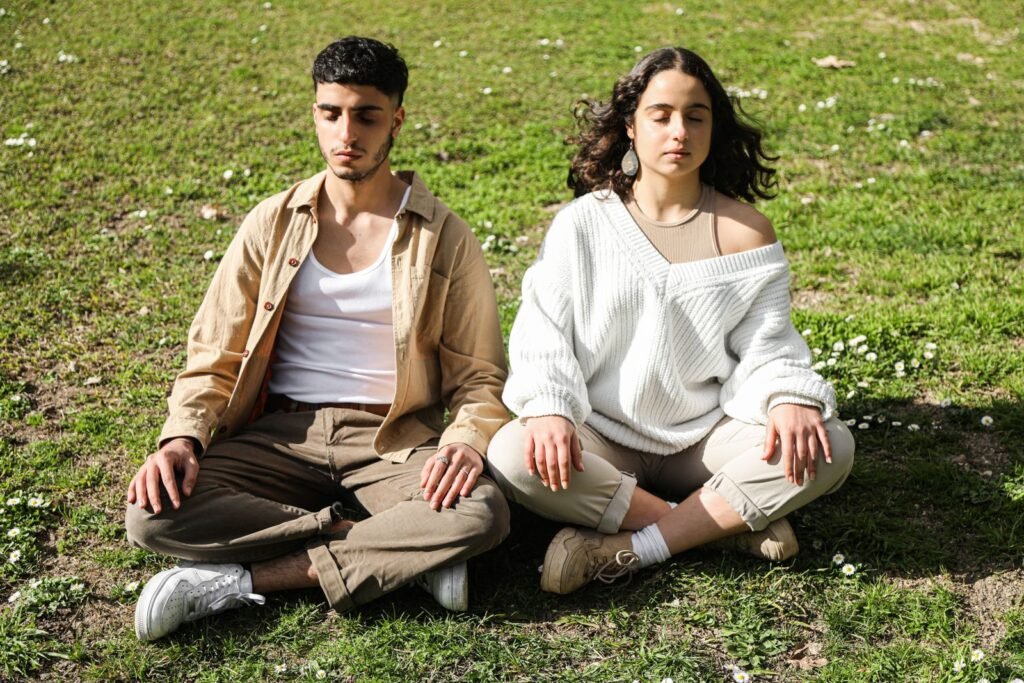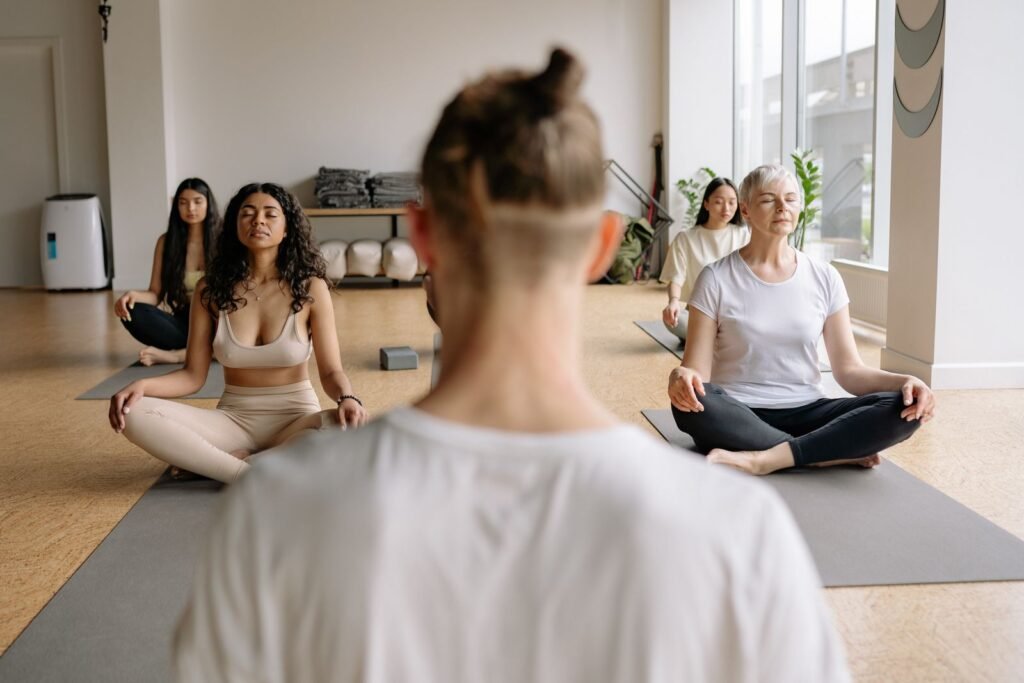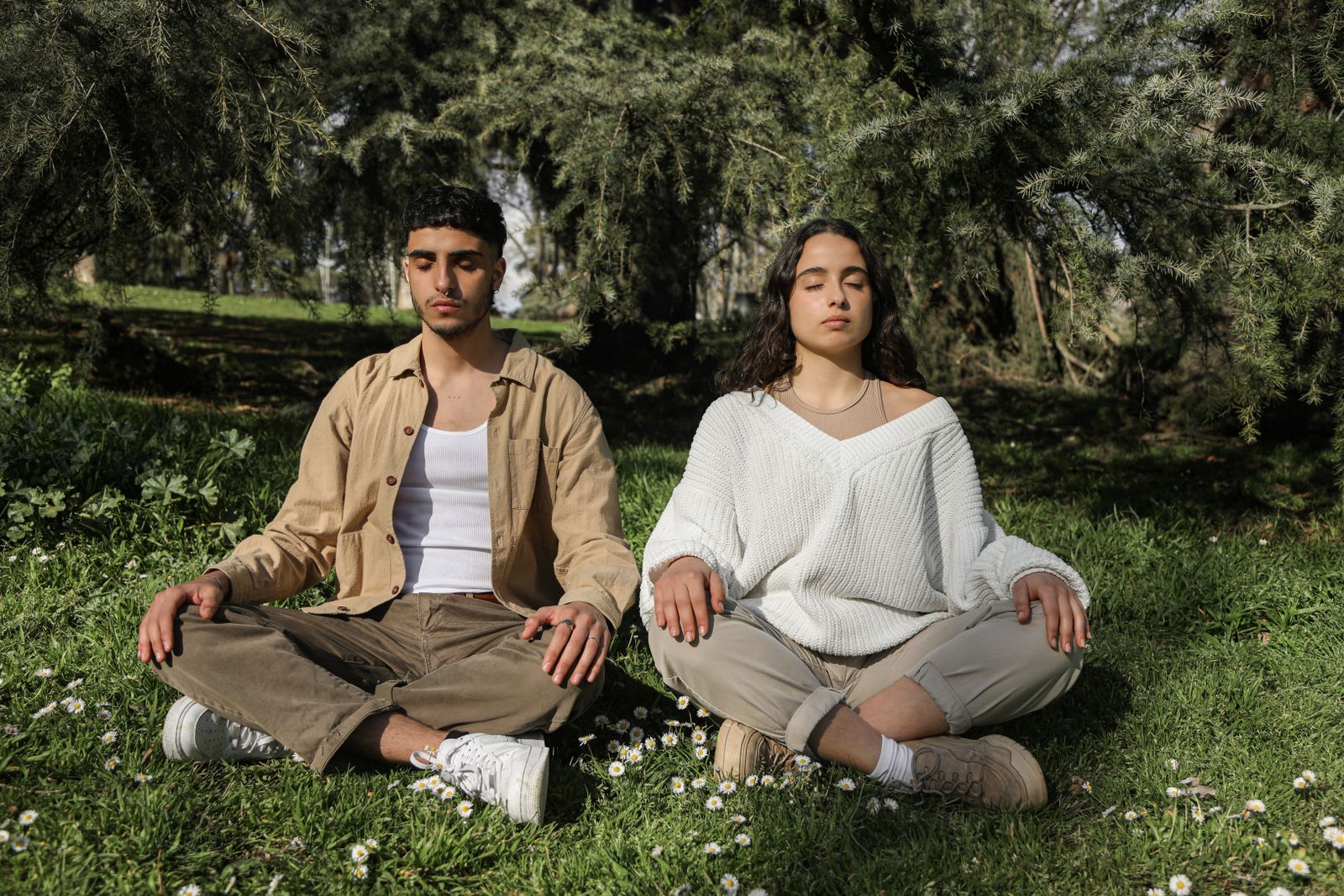
To meditate, sit or lie in a comfortable, stable position, close your eyes or soften your gaze, and bring your attention to a single anchor, usually the breath, a sound, or physical sensation. When your mind wanders, which it will, gently notice this and return to the anchor without judging yourself for drifting. Start with just 5 to 10 minutes a day. That single loop of focus, distraction, and gentle return is meditation. Everything else, from posture to apps to specific techniques, is scaffolding to make that loop easier to repeat consistently.
What Does It Actually Mean to Meditate?
Meditation is the practice of training attention and awareness, usually by focusing on a specific object, thought, or activity, in order to achieve a mentally clear and emotionally calm state. It is not about stopping thoughts or achieving a blank mind, a misconception that stops many beginners before they start. Instead, it’s closer to strength training for your attention span: each time you notice your mind has wandered and you bring it back, you’re doing the mental equivalent of a rep. Over weeks of practice, that “noticing and returning” muscle gets stronger, and it shows up off the cushion too, in how you handle stress, distraction, and difficult emotions during an ordinary day. If you’re exploring the roots of this practice, our guide to meditation covers its philosophy and traditions in more depth.
How Do You Sit for Meditation as a Beginner?
You don’t need a lotus pose to meditate. Sit in a chair with your feet flat on the floor, sit cross-legged on a cushion, or even lie down if a seated position causes pain, though lying down increases the odds of falling asleep. The core requirement is a spine that is upright but not rigid, so your back is self-supporting rather than slumped or straining. Rest your hands on your knees or in your lap, palms up or down, whichever feels neutral. Many practitioners like to pair a seated meditation with a specific yoga mudra, a hand gesture believed to direct subtle energy and deepen focus, though a simple relaxed hand position works just as well when you’re starting out. If sitting on the floor is uncomfortable, prop yourself on a folded blanket or bolster to tilt your hips slightly forward.
What Should You Do With Your Breath?
The simplest anchor for beginners is the natural breath, not a forced or deepened one. Let your breathing happen as it normally would, and rest your attention on the sensation of air moving in and out, whether that’s at the nostrils, the rise and fall of the chest, or the expansion of the belly. Some traditions add structure here, using counted breathing (inhale for four counts, exhale for six, for example) to give the mind something more concrete to hold onto. If you want a more active breath-focused practice, formal pranayama techniques, the yogic science of breath control, extend this idea significantly, using specific ratios and holds to influence your nervous system state. For a first sitting, though, simply watching the breath without altering it is enough.
How Long Should a Beginner Meditate Each Day?
Start with 5 to 10 minutes once a day. Consistency matters more than duration at the beginning; a 5-minute practice you actually do every day builds the habit far better than an ambitious 30-minute session you abandon after three days. Once daily sitting feels stable, usually after two to four weeks, extend by 5-minute increments as it feels natural. Many long-term meditators eventually settle into 20 to 30 minutes a day, but that’s a destination, not a starting requirement. If you’re building this into a broader wellness routine, our meditation for beginners guide walks through a realistic first-month progression.
What Happens When Your Mind Wanders?
It will wander, often within the first 30 seconds, and that’s not a sign you’re doing it wrong. The mind wandering and being brought back is the actual exercise, not an interruption of it. When you notice you’ve drifted into planning dinner or replaying a conversation, simply and neutrally note “thinking” and guide your attention back to your breath or chosen anchor. Avoid the common trap of getting frustrated with yourself for wandering, since that frustration is just another thought to notice and release. Some teachers suggest silently labeling the type of distraction, such as “worrying,” “planning,” or “remembering,” which can create a small amount of helpful distance between you and the thought.
Which Meditation Technique Should You Start With?
There are a handful of beginner-friendly techniques to choose from, each built around a different focus point:
| Technique | How It Works | Good For |
|---|---|---|
| Focused-attention | Resting awareness on the breath or a single point; simple to explain and easy to self-correct when you notice you’ve drifted | First-time meditators wanting the simplest entry point |
| Body scan | Systematically moving attention through different areas of the body, often feet to head, noticing sensation without trying to change it | People who find sensation easier to track than breath |
| Mindfulness meditation | Broadens focus from a single anchor to open awareness of whatever arises, thoughts, sounds, sensations, observed without attachment | Practitioners ready to move beyond a single anchor |
| Loving-kindness (metta) | Directs well-wishes toward yourself and others | People whose inner monologue tends toward self-criticism |
Beginners generally do best picking one technique and sticking with it for a few weeks rather than switching daily. If you’d like a slower, more contemplative entry point, a restorative style like yin yoga pairs long, quiet holds with breath awareness, which functions as a gentle bridge into seated stillness.
Does Meditation Have Real Health Benefits?
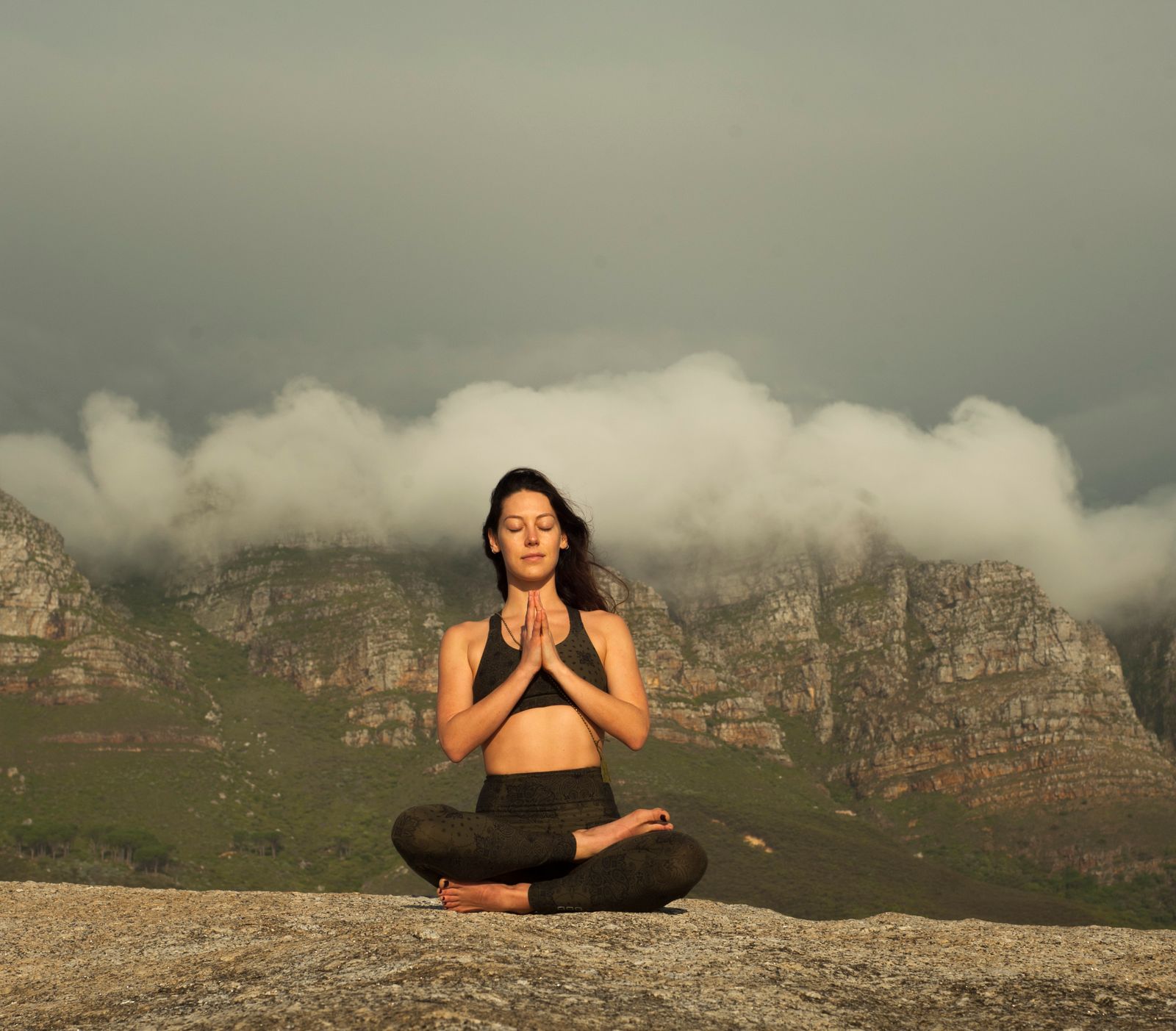
Research on meditation has grown substantially over the past two decades, and while findings vary by study design and technique, several patterns show up consistently. Meditation is commonly cited as helpful for lowering perceived stress and anxiety symptoms, with multiple studies linking regular practice to reduced activity in the brain’s stress-response network. It’s also associated with improvements in attention and working memory, better emotional regulation, and, for many practitioners, improved sleep quality. Some newer research has explored whether meditation may support the brain’s own restorative processes during rest, though this is an active and evolving area of study rather than settled science. As with most wellness practices, benefits tend to build gradually with consistent practice rather than appearing after a single session, and meditation works best as a complement to, not a replacement for, medical care when you’re managing a diagnosed condition. Many of the same nervous-system benefits are echoed in discussions of yoga for stress relief, since breath-led movement and seated stillness tend to activate the same calming physiological pathways.
What’s the Difference Between Meditation and Mindfulness?
Meditation is the formal practice, typically done in a dedicated sitting for a set period of time. Mindfulness is the broader quality of paying attention to the present moment, on purpose and without judgment, which can be practiced formally through seated meditation or informally while washing dishes, walking, or eating. Every mindfulness meditation session is an exercise in mindfulness, but not every moment of mindfulness requires a formal meditation session. Many people build a sustainable practice by combining both: a short daily sit to strengthen the skill, plus small mindful pauses scattered through the day, such as noticing your feet on the ground while waiting in line or fully tasting your coffee before checking your phone.
Should You Meditate With Your Eyes Open or Closed?
Closed eyes remove visual distraction and are the default recommendation for beginners, since they make it easier to turn attention inward. Some practitioners prefer a soft, downward gaze a few feet in front of them with eyes slightly open, which can help prevent drowsiness and is traditional in certain types of yoga and walking meditation practices. If closing your eyes triggers anxiety or intrusive thoughts, which happens for some people, especially those with a history of trauma, an open, soft gaze is a completely valid alternative and not a lesser form of the practice.
What Common Mistakes Do Beginners Make?
Beginners tend to trip up in a few predictable ways:
- Expecting a thought-free mind and treating anything less as failure, when meditation is about your relationship to your thoughts, not their absence.
- Inconsistent timing, meditating only when stressed rather than building a regular daily slot, which prevents the practice from becoming a stable habit.
- Sitting in a physically painful position out of a sense of discipline, since discomfort becomes the entire focus and crowds out the actual exercise.
- Judging progress by a single session rather than by trends over weeks; some sits will feel restless and unproductive even after months of consistent practice, and that’s entirely normal.
How Does Meditation Connect to Yoga Practice?
In most classical traditions, meditation, called dhyana in the yogic Eight Limbs framework, is one stage in a broader path that also includes ethical guidelines, physical postures, and breath control. Physical yoga poses, or asanas, were originally developed largely to make the body comfortable enough to sit still for extended meditation, which is why a short physical practice before sitting can noticeably ease restlessness. If your body feels stiff or fidgety before you sit, a few minutes of gentle movement, such as poses drawn from vinyasa yoga or a slow hatha yoga sequence, can settle physical energy before you settle mental energy. Practices like online yoga classes often build in a short meditation at the close of a session for exactly this reason, and beginners frequently notice that a few rounds of sun salutation beforehand makes the following stillness far easier to settle into.
What Tools or Apps Can Help You Build the Habit?
A simple timer is genuinely all you need, since checking the clock repeatedly is one of the fastest ways to break concentration. Guided meditation apps and recordings are useful scaffolding in the first few weeks, offering a voice to follow when your own attention feels too slippery to manage unaided. A dedicated, consistent spot, even a corner of a bedroom with a cushion, helps signal to your brain that it’s time to settle, the same way a consistent bedtime routine helps signal sleep. Some people find that pairing meditation with an already-established habit, such as sitting for five minutes immediately after brushing their teeth in the morning, makes the new habit far easier to stick to than trying to will it into existence from scratch.
Can You Meditate While Lying Down or Walking?
Yes, though each comes with trade-offs. Lying down is gentler on the body and useful before sleep, but it increases the likelihood of dozing off, especially for beginners whose nervous systems are still learning to associate stillness with alert calm rather than rest. Walking meditation, deliberately slow and attentive walking with awareness on the sensation of each step, is an excellent option for people who find seated stillness agitating, and it’s traditionally used in many Buddhist practices as a complement to sitting. Both variations follow the same core loop as seated meditation: choose an anchor, notice when attention drifts, and return without frustration. If evening restlessness is your main obstacle, a short wind-down flow drawn from yoga for better sleep can also help settle the body before you sit or lie down to meditate.
Questions People Ask About How to Meditate
How long does it take to see results from meditation?
Many people report feeling calmer immediately after a single session, but the more durable changes in stress response, attention, and emotional regulation tend to build over weeks of consistent daily practice. Research studies on meditation programs commonly run 8 weeks, which is a reasonable timeframe to expect noticeable shifts if you’re practicing most days.
Is it normal to feel restless or bored while meditating?
Yes, restlessness and boredom are extremely common, especially in the first few weeks. Your mind is used to constant stimulation, so sitting quietly can initially feel uncomfortable. This discomfort typically eases as your attention span adjusts to stillness, and noticing the restlessness itself is a valid part of the practice rather than a sign of failure.
Can meditation replace anxiety or depression treatment?
No. Meditation can be a helpful complementary practice for managing everyday stress and supporting emotional regulation, but it is not a substitute for professional treatment of diagnosed anxiety, depression, or other mental health conditions. Anyone managing a clinical condition should talk to a qualified healthcare provider about how meditation might fit alongside their existing care.
What’s the best time of day to meditate?
There isn’t one universally best time; the most effective time is whichever slot you can realistically protect every day. Many people prefer mornings, before the day’s demands accumulate, while others find an evening sit helps them decompress. Consistency in timing matters more than the specific hour you choose.
Do you need a special cushion or equipment to meditate?
No special equipment is required. A meditation cushion or bolster can make floor-sitting more comfortable by tilting the hips forward, but a regular chair, a folded blanket, or even a firm sofa cushion works perfectly well, especially when you’re just starting out and still determining what position suits your body.
Why do some people meditate with mantras or chanting?
Mantra meditation uses a repeated word, phrase, or sound as the attention anchor instead of the breath. Some practitioners find a mantra easier to hold onto than the subtler sensation of breathing, and repetitive sound can have a naturally calming, rhythmic effect. It’s simply an alternative anchor, not a requirement for effective meditation.
Try This for Yourself
Reading about meditation only gets you so far; the practice itself is where the actual change happens. If you’d like real-time guidance while you build this habit, along with breathwork and movement that make sitting still easier, explore FitStrot’s online yoga classes, where instructors guide you through both the physical and meditative sides of the practice from wherever you are.
Related reading: meditation for beginners, mindfulness meditation, pranayama, benefits of yoga, and FitStrot’s online yoga classes.