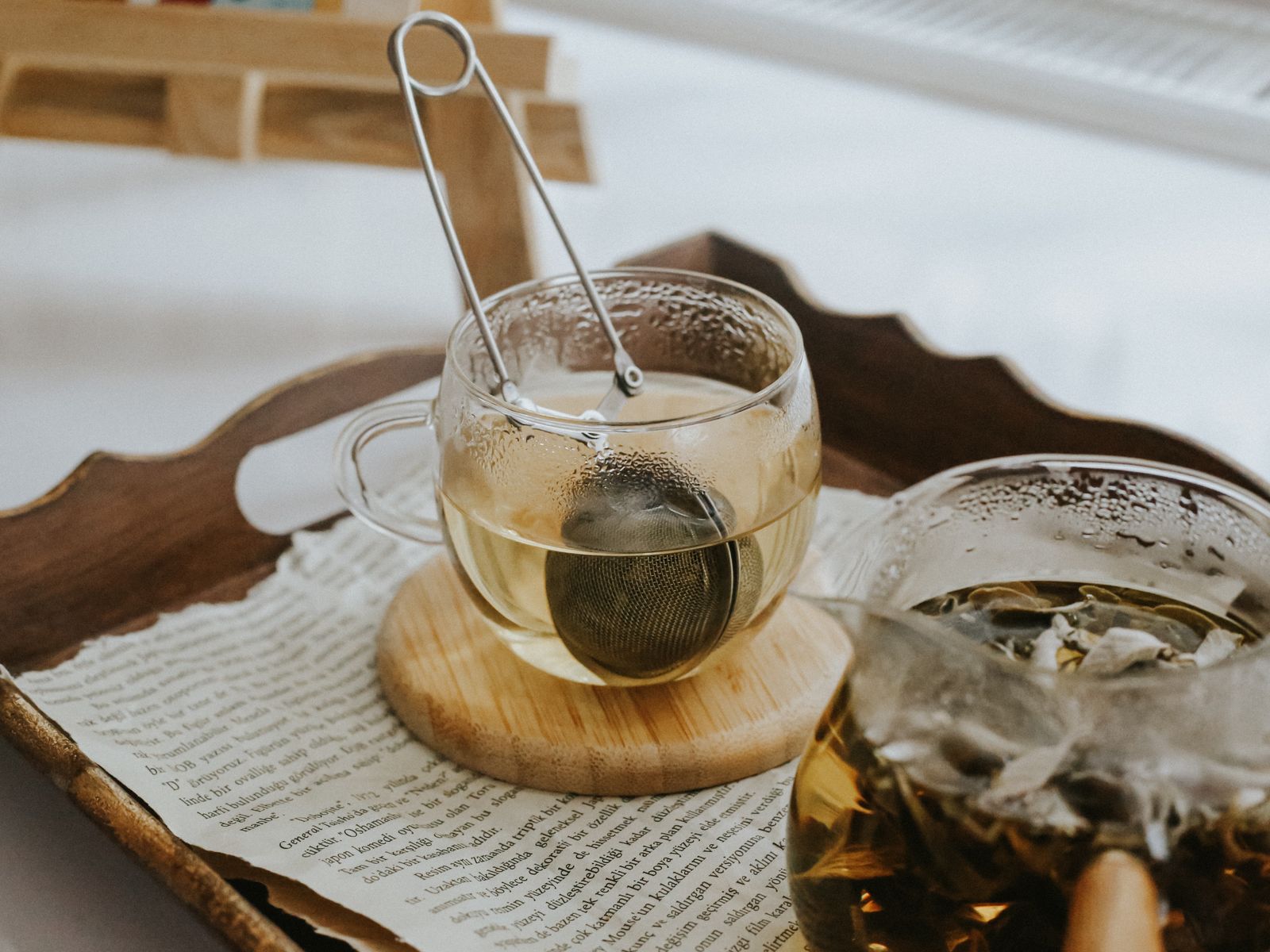
Herbal tea benefits range from better digestion and calmer sleep to gentle immune support and hydration without caffeine, because these infusions are made from flowers, leaves, roots, and seeds rather than the actual tea plant (Camellia sinensis). Different herbs bring different effects: chamomile and lavender are commonly used for relaxation, peppermint and ginger are popular for digestion, and tulsi (holy basil) has long held a place in Ayurvedic and yogic wellness traditions as an adaptogen-style daily tonic. Because herbal teas are naturally caffeine-free, they fit easily into a yogic, sattvic lifestyle as a calming ritual before meditation, after a meal, or as part of a wind-down routine before bed.
What Exactly Is Herbal Tea?
Herbal tea, technically called a “tisane,” is not tea in the botanical sense at all. True teas — black, green, white, and oolong — all come from the leaves of the Camellia sinensis plant and contain natural caffeine. Herbal teas, by contrast, are infusions made by steeping dried flowers, leaves, bark, roots, seeds, or fruit peels in hot water. This is why a cup of chamomile or hibiscus tea contains no caffeine at all, while a cup of green tea does. This distinction matters for anyone following a sattvic diet, since sattvic eating principles favor foods and drinks that calm the nervous system rather than stimulate it.
What Are the Main Herbal Tea Benefits?
The benefits of herbal tea vary by herb, but several themes show up consistently across the most popular varieties: aiding digestion, supporting relaxation and sleep, contributing to daily fluid intake, and offering plant compounds such as polyphenols and flavonoids that are associated with general wellness. Herbal teas are also a low-calorie, sugar-free way to add variety to your day without reaching for caffeinated beverages or sugary drinks. For people practicing yoga or mindfulness, a warm herbal tea can also serve as a small ritual that signals the body to slow down, similar to the transition many practitioners create before yoga for stress relief or an evening meditation session.
Chamomile Tea: The Classic Calming Choice
Chamomile is one of the most researched herbal teas for relaxation and sleep support. It contains an antioxidant called apigenin, which binds to certain receptors in the brain that are thought to help reduce anxiety and encourage sleepiness. Many people drink chamomile tea in the evening as part of a wind-down routine, often pairing it with gentle stretching or a short yoga nidra practice before bed. Chamomile is also commonly used to soothe an upset stomach, making it a favorite after a heavy meal or during minor digestive discomfort.
Peppermint Tea for Digestion
Peppermint tea is widely recognized for supporting digestion. The menthol in peppermint is thought to relax the muscles of the digestive tract, which may help ease bloating, gas, and mild indigestion. It is also a refreshing, naturally sweet-tasting option for people trying to cut back on sugary drinks. Many people enjoy a cup after meals or pair it with a short walk or gentle yoga for digestion sequence to support gut health further. Because peppermint tea is caffeine-free, it also works well as an afternoon pick-me-up that will not interfere with sleep later.
Ginger Tea for Nausea and Circulation
Ginger has a long history of traditional use for nausea, motion sickness, and general digestive comfort, and ginger tea is one of the simplest ways to consume it. Warming and slightly spicy, ginger tea is often reached for during cold weather, after overeating, or when someone feels queasy. Some people also drink it before or after a workout, since the warming sensation is often described as supporting circulation. In a yogic diet framework, ginger is considered a warming, energizing ingredient, which is why it appears frequently in recipes discussed alongside the broader yogic diet philosophy.
Tulsi (Holy Basil) Tea and Ayurvedic Roots
Tulsi, or holy basil, holds a revered place in Ayurveda, where it is often referred to as an adaptogen — a category of herbs traditionally believed to help the body adapt to physical and mental stress. Tulsi tea has an earthy, slightly peppery, clove-like flavor and is commonly consumed as a daily tonic in Indian households. Because tulsi is deeply tied to yogic and Ayurvedic wellness traditions, it is a natural fit for anyone building a daily routine that also includes a sattvic diet or a regular yogic diet approach to eating and drinking.
Hibiscus Tea for a Tart, Antioxidant-Rich Option
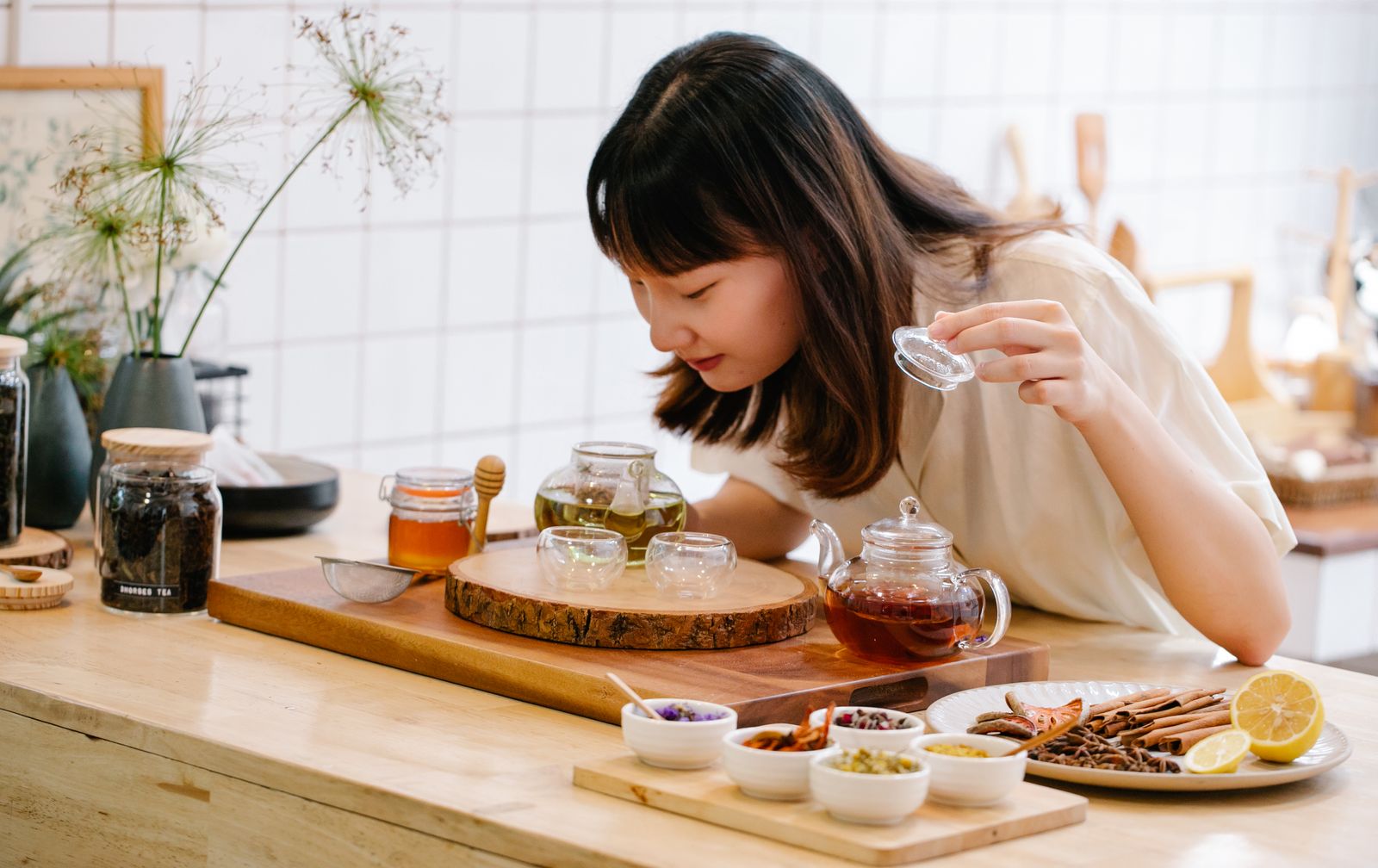
Hibiscus tea is made from the dried calyces of the hibiscus flower and has a distinctly tart, cranberry-like flavor. It is naturally vivid red or magenta in color and is often enjoyed either hot or iced. Hibiscus is rich in anthocyanins, the same class of antioxidant pigments found in berries, and is one of the more commonly studied herbal teas in nutrition research. Because of its tang, hibiscus tea is popular as a base for cold infusions during warmer months and pairs well with a squeeze of lemon or a small amount of honey.
Lavender Tea for Evening Wind-Down
Lavender is best known in aromatherapy, but it also makes a floral, slightly sweet tea that many people include in their evening routine. It is often blended with chamomile or lemon balm to create a calming bedtime tea. Because lavender has a strong, distinctive taste on its own, most commercial blends use it in smaller proportions alongside other herbs. A cup of lavender tea alongside a short breathing practice or restorative restorative yoga session is a simple way to signal the body that the day is winding down.
Lemon Balm and Passionflower for Stress Support
Lemon balm, a member of the mint family, has a light citrusy aroma and is traditionally used to support relaxation and ease occasional nervous tension. Passionflower tea is another herb traditionally associated with calm and is sometimes combined with chamomile or valerian in sleep-support blends. Both are frequently recommended as part of an evening routine for people managing everyday stress, and both pair naturally with breathing exercises or the kind of nervous-system-focused practices covered in yoga for anxiety.
Does Herbal Tea Help With Weight Management?
Herbal tea itself is not a weight-loss solution, but it can support a weight management routine in indirect ways. Because most herbal teas are calorie-free (when unsweetened), swapping a sugary soda or a high-calorie latte for a cup of herbal tea reduces overall calorie intake over time. Some people also use a warm cup of tea as a way to curb between-meal snacking or to stay hydrated, since thirst is sometimes mistaken for hunger. For a more complete approach to healthy weight management, herbal tea works best as one small piece of a broader plan that includes movement, such as the strategies outlined in diet for weight loss with yoga.
Is Herbal Tea Safe to Drink Every Day?
Most common herbal teas — chamomile, peppermint, ginger, tulsi, hibiscus, and rooibos among them — are generally considered safe for regular, moderate daily consumption by healthy adults. That said, “herbal” does not automatically mean risk-free for everyone. Certain herbs can interact with medications, and some are not recommended during pregnancy without medical guidance (chamomile, licorice root, and a few others fall into this category). Anyone who is pregnant, nursing, on prescription medication, or managing a chronic health condition should check with a doctor before making any herbal tea a daily habit, since even natural ingredients can have real physiological effects.
How to Brew Herbal Tea Properly
Getting the best flavor and benefit from herbal tea comes down to a few simple brewing basics, and the ideal steep time depends on which part of the plant is used.
| Tea Type | Examples | Water | Steep Time |
|---|---|---|---|
| Flower and leaf-based | Chamomile, peppermint, lemon balm, lavender | Freshly boiled, covered | 5 to 7 minutes |
| Root and bark-based | Ginger, licorice root | Freshly boiled, or a light simmer | 8 to 10 minutes |
Using a lid while steeping helps retain the fragrant compounds that would otherwise escape as steam, and using slightly cooler water (just off the boil) for delicate flowers can prevent a bitter or grassy taste.
Herbal Tea and the Yogic Lifestyle
In many yogic and Ayurvedic traditions, what you drink is treated with the same intention as what you eat and how you move. Warm, caffeine-free herbal infusions are considered more aligned with a calm, sattvic state of mind than caffeinated or heavily processed drinks, which are thought to agitate the nervous system. This is one reason herbal tea rituals pair so naturally with a regular yoga practice — whether that is a grounding hatha yoga session in the morning or a slower yin yoga practice in the evening. Building small, intentional habits like a daily cup of tulsi or chamomile tea can reinforce the same mindfulness that a consistent yoga practice is meant to cultivate.
Building a Simple Herbal Tea Ritual Into Your Day
You do not need an elaborate setup to benefit from herbal tea — consistency matters more than complexity. A simple approach many people follow:
- Morning: a warming ginger or tulsi tea to ease into the day
- After lunch: a peppermint tea to support digestion
- Evening: a chamomile or lavender tea to wind down before sleep
Pairing each cup with a few minutes of mindful breathing, light stretching, or a short yoga practice can turn a simple drink into a meaningful daily ritual rather than just another beverage.
Questions People Ask About Herbal Tea Benefits
Does herbal tea have caffeine?
No, true herbal teas (tisanes) are naturally caffeine-free because they are made from flowers, roots, leaves, or bark rather than the Camellia sinensis plant that produces black, green, white, and oolong tea. Always check the label if a blend mixes herbs with actual tea leaves (like some “chai” or green-tea blends), since those will contain caffeine.
Can herbal tea help me sleep better?
Certain herbal teas, especially chamomile, lavender, and passionflower, are commonly used in evening routines to support relaxation before bed. While individual results vary, a warm, caffeine-free cup as part of a consistent wind-down routine — alongside dim lighting and reduced screen time — can help signal to your body that it is time to rest.
Which herbal tea is best for digestion?
Peppermint and ginger tea are two of the most commonly used herbal teas for digestive comfort. Peppermint is often used to ease bloating and mild indigestion, while ginger is traditionally used for nausea and general stomach settling. Both are typically consumed after meals.
How many cups of herbal tea can I drink in a day?
Most healthy adults can enjoy 2 to 4 cups of common herbal teas like chamomile, peppermint, or tulsi daily without issue, since they are caffeine-free and low-risk. However, some herbs are more potent or have specific cautions (such as licorice root or certain detox blends), so it’s wise to research a specific herb or ask a doctor before making it a heavy daily habit.
Is herbal tea good for weight loss?
Herbal tea is not a direct weight-loss remedy, but unsweetened herbal tea is a zero or near-zero calorie alternative to sugary drinks, which can support a broader weight management plan. It works best when combined with balanced nutrition and regular movement rather than relied on alone.
Can pregnant women drink herbal tea?
Some herbal teas are not recommended during pregnancy, including certain preparations of chamomile, licorice root, and a few others, while some are considered fine in moderation. Because guidance varies by herb and by individual health history, pregnant or nursing individuals should check with their doctor before adding a new herbal tea to their routine.
Try This for Yourself
Pairing a calming herbal tea ritual with a consistent yoga practice is one of the simplest ways to support both your body and your mind. If you would like guided support building that kind of routine, explore FitStrot’s online yoga classes and let a certified instructor help you build a daily practice that fits your schedule and your goals.
Related reading: diet for weight loss with yoga, sattvic diet, yogic diet, yoga for digestion, and FitStrot’s online yoga classes.