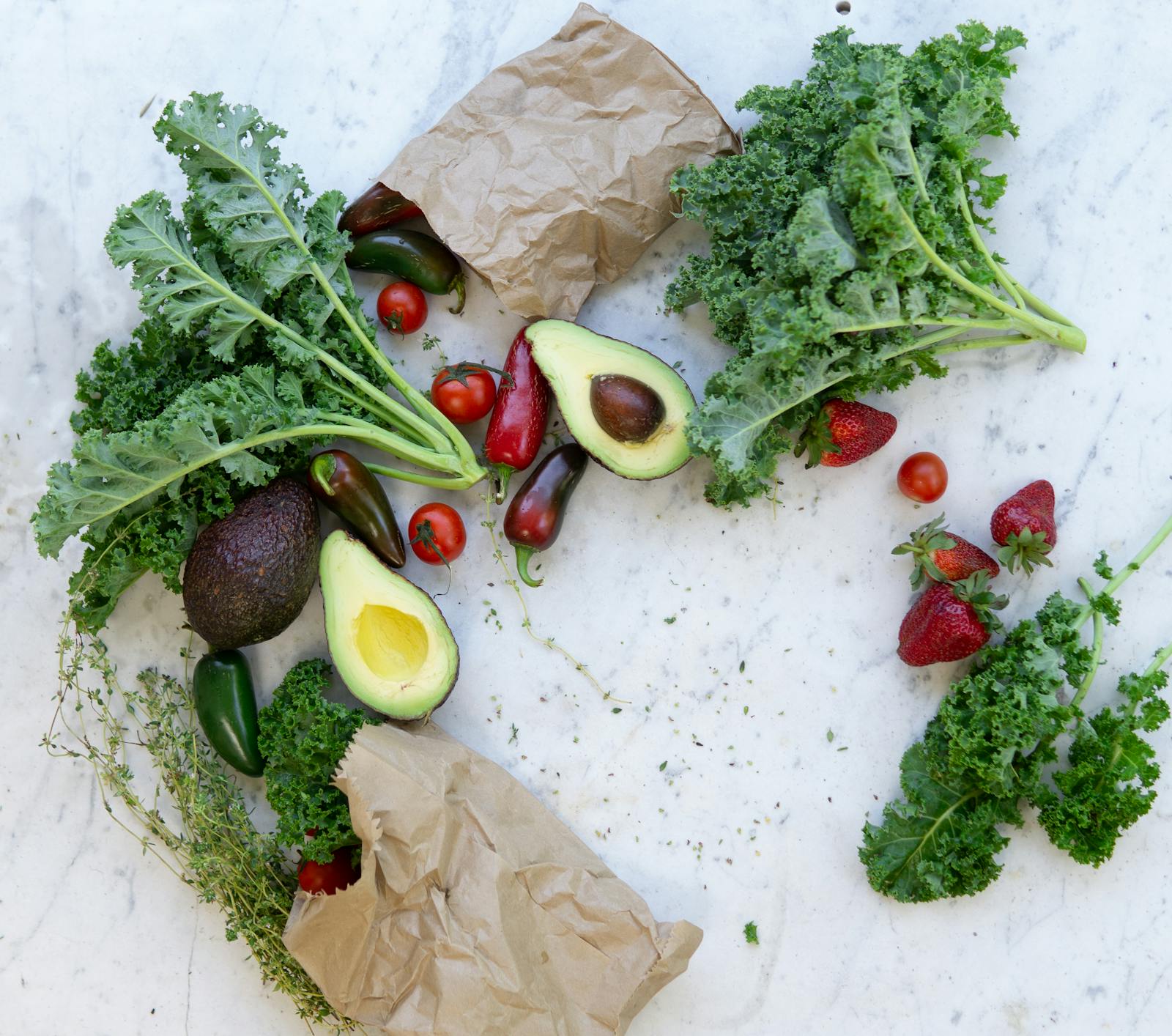
The best foods for yoga practitioners are fresh, whole, and easy to digest: seasonal fruit, leafy greens, soaked nuts, whole grains like oats and quinoa, legumes, and hydrating foods such as cucumber and coconut water. These choices align with the sattvic diet principles that underpin most yogic nutrition guidance, favoring foods that are light, minimally processed, and calming to the nervous system over foods that are heavy, fried, or overly stimulating. What you eat directly shapes how your practice feels on the mat, from the steadiness of your breath to how comfortable you are moving into a forward fold an hour after lunch.
This guide breaks down exactly which foods support a consistent yoga practice, why timing matters as much as food choice, and how to build a simple daily eating pattern around your sessions, whether you practice vinyasa yoga at sunrise or a slower restorative yoga class in the evening.
What Should You Eat Before Practicing Yoga?
Eating before yoga is really a timing problem disguised as a food question. A heavy, protein- and fat-dense meal sitting in your stomach makes twists, inversions, and deep forward folds genuinely uncomfortable, while practicing on a completely empty stomach for hours can leave you light-headed during a demanding power yoga or ashtanga yoga session. The general guidance taught in most yoga teacher trainings is to finish a full meal 2-3 hours before class and, if you need something closer to practice time, keep it to a small, easily digestible snack 30-45 minutes beforehand.
Good pre-practice choices include a banana, a small handful of soaked almonds, a few dates, or a slice of toast with a thin layer of nut butter. These provide accessible carbohydrates for energy without the digestive load of a full meal. If you are practicing first thing in the morning, as many students of hatha yoga and yin yoga do, a glass of warm water with lemon or a small piece of fruit is often enough to settle the stomach without weighing you down.
Which Fruits Support a Yoga Practice Best?
Fruit is one of the simplest categories to get right because it requires almost no digestive effort and delivers quick, usable energy. Bananas are a favorite among practitioners for their potassium content, which supports muscle function during longer holds in poses like Warrior II or Tree Pose. Papaya and pineapple contain natural digestive enzymes that many practitioners find helpful when eaten as a light snack rather than alongside a heavy meal. Apples, pears, and seasonal berries add fiber and antioxidants without the heaviness of dairy-based desserts or processed snacks.
In sattvic eating traditions, fresh, ripe, in-season fruit is considered one of the purest food categories available, which is why it appears so consistently in yogic diet guidance across different lineages. Practitioners following a diet for weight loss with yoga often lean on fruit as a replacement for processed snacks, since it satisfies sweetness cravings while keeping overall caloric density manageable.
Why Are Leafy Greens Considered Essential in a Yogic Diet?
Leafy greens such as spinach, kale, and Swiss chard are dense in magnesium, iron, and folate, three nutrients that matter directly to a physical practice. Magnesium supports muscle relaxation and recovery, which is relevant if your week includes both dynamic sequences and longer holds in something like yin yoga. Iron supports oxygen transport to working muscles, something practitioners notice most during breath-focused practices like pranayama, where efficient oxygenation makes extended breath retention more comfortable.
Lightly steamed or sautéed greens are generally easier on digestion than large raw salads eaten right before practice, particularly for students who find raw cruciferous vegetables cause bloating. A simple approach is to include a serving of cooked greens with lunch or dinner rather than trying to eat them raw immediately before a class.
What Role Do Whole Grains Play in Fueling Yoga?
Whole grains like oats, brown rice, quinoa, and millet provide the steady, slow-release carbohydrate energy that a full yoga practice demands, especially longer sessions that combine standing sequences, core work, and seated postures. Unlike refined grains, which spike blood sugar and can leave you sluggish thirty minutes later, whole grains digest gradually and help maintain even energy through a 60-90 minute class.
Quinoa is particularly useful because it is a complete protein, supplying all nine essential amino acids alongside its carbohydrate content, which makes it a practical base for a post-practice meal. Oats soaked overnight with fruit and a few nuts make an easy pre-practice breakfast that digests well even if class starts within an hour or two of eating.
How Important Are Nuts and Seeds for Yoga Practitioners?
Nuts and seeds contribute healthy fats, protein, and minerals that support joint health and sustained energy, both of which matter for practitioners working toward more demanding postures. Almonds, walnuts, chia seeds, and flaxseeds are commonly recommended, largely because of their omega-3 fatty acid content, which is associated with reduced inflammation. Soaking almonds overnight and removing the skins is a traditional practice believed to make them easier to digest and their nutrients more accessible.
Because nuts are calorie-dense, portion matters. A small handful, roughly a quarter cup, is a reasonable daily serving for most practitioners rather than an unlimited snack. Adding a spoonful of chia or flax seeds to oatmeal, smoothies, or salads is an easy way to work them into a daily routine without overloading a single meal.
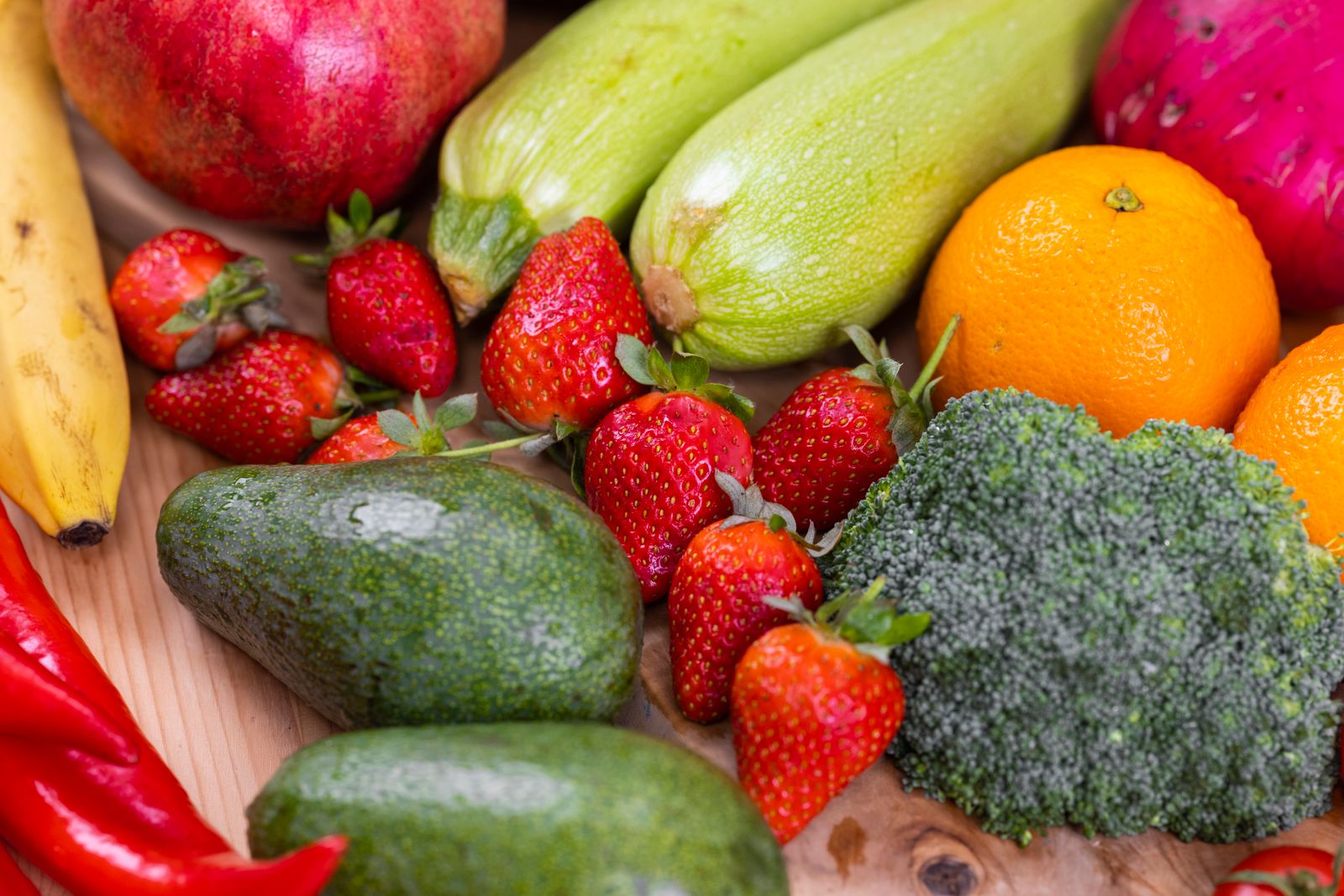
What Should You Eat After a Yoga Session?
Post-practice eating is about replenishment without overcorrection. After a physically demanding class, such as power yoga or a longer vinyasa yoga flow, the body benefits from a combination of carbohydrates to restore glycogen and protein to support muscle recovery. A smoothie with banana, spinach, and a plant-based protein source, or a bowl of quinoa with steamed vegetables and legumes, both work well within an hour of finishing practice.
After gentler, more restorative sessions like yin yoga or restorative yoga, the body’s needs are less about aggressive refueling and more about hydration and warmth. A cup of herbal tea, warm soup, or a light meal of cooked vegetables and rice suits the calmer, more meditative state these practices are designed to leave you in.
How Does Hydration Affect Your Yoga Practice?
Dehydration shows up on the mat as fatigue, muscle cramping, and difficulty concentrating during longer holds, so hydration deserves the same attention as food choice. Room-temperature or warm water is generally preferred over ice-cold water around practice time, since cold water is thought to disrupt digestion in traditional Ayurvedic thinking, which informs much of yogic dietary guidance.
Coconut water is a popular choice among practitioners because it naturally contains electrolytes like potassium and sodium, useful after a sweat-heavy class such as hot yoga. Herbal teas, particularly ginger or tulsi (holy basil), are commonly used in the hours around practice, valued in Ayurveda for supporting digestion without the stimulating effect of caffeine.
What Is the Sattvic Diet and Why Does It Matter for Yoga?
The sattvic diet is a food philosophy rooted in yogic and Ayurvedic tradition that categorizes food by its effect on the mind and body, favoring foods described as sattvic (fresh, light, and calming) over rajasic (stimulating, spicy, or overly rich) or tamasic (heavy, stale, or overly processed) foods.
| Category | Qualities | Example Foods |
|---|---|---|
| Sattvic | Fresh, light, calming | Fruit, vegetables, whole grains, legumes, nuts, seeds, milk, honey |
| Rajasic | Stimulating, spicy, overly rich | Onions, garlic, excess caffeine, spicy or fried dishes |
| Tamasic | Heavy, stale, overly processed | Red meat, very rich dairy, highly processed or reheated food |
Which foods fall into which category depends somewhat on the tradition, but this three-way split is the framework most yoga teacher trainings reference.
This framework matters for practitioners because yoga is traditionally understood as more than a physical practice; it is meant to support a calm, clear state of mind, and the sattvic approach to food is built around that same goal. You do not need to adopt every rule of the sattvic diet to benefit from its core idea: choosing fresh, minimally processed food most of the time supports both your practice and your general sense of steadiness throughout the day. For a deeper walk-through of the full yogic diet framework, including which foods to reduce and how meal timing fits in, it’s worth reading as a companion to this list.
Which Foods Should Yoga Practitioners Limit or Avoid?
Heavy, fried, and highly processed foods are generally discouraged because they slow digestion and can leave you feeling sluggish, which works directly against the alertness and ease that a good practice is meant to cultivate. Excess caffeine and refined sugar can also create energy spikes and crashes that make it harder to stay steady through a full class, particularly during breath-focused segments.
Large amounts of red meat and very rich dairy products are traditionally minimized in yogic eating, not because they are inherently harmful, but because they take longer to digest and are considered tamasic in Ayurvedic classification, meaning they can contribute to a heavier, duller mental state. Most modern yoga nutrition guidance treats these as foods to moderate rather than eliminate entirely, especially for practitioners with different dietary needs or medical considerations.
How Should You Time Meals Around a Daily Yoga Practice?
A simple, workable pattern for most practitioners looks like this:
- 30-60 minutes before an early class: a light snack or small breakfast
- 2-3 hours after morning practice: a fuller breakfast or lunch
- In the evening: a moderate dinner that avoids very heavy or spicy food close to bedtime, especially before an evening class like yin yoga or restorative yoga that is meant to help you wind down
Practitioners who train more than once a day, or who combine yoga with other strength or cardio work, generally need to pay closer attention to protein intake across the whole day rather than trying to solve it in a single post-practice meal. Spacing protein across three to four meals is a more sustainable approach than one large protein-heavy meal.
Do Yoga Practitioners Need to Be Vegetarian?
No. While many yoga traditions historically encourage vegetarianism as an extension of the ethical principle of ahimsa, or non-harming, modern yoga practice does not require any specific diet. Plenty of committed practitioners eat meat and build a strong, sustainable practice around it. What matters more consistently across traditions is the quality and freshness of what you eat, not strict adherence to a single dietary label.
If you are curious about vegetarian or plant-forward eating because it appeals to you philosophically or you want to explore the sattvic diet more fully, that is a personal choice worth making gradually rather than all at once. A sudden, complete dietary overhaul is harder to sustain than small, deliberate shifts, such as adding one more plant-based meal a week and noticing how your energy on the mat responds.
Can Diet Help With Weight Management Alongside Yoga?
Yes, and this is one of the more practical reasons practitioners refine their diet alongside their practice. A diet for weight loss with yoga typically combines the same whole-food principles covered above (fresh produce, whole grains, lean proteins, controlled portions of nuts and healthy fats) with a consistent practice schedule that includes more dynamic styles like vinyasa yoga or power yoga a few times a week. Yoga alone, particularly gentler styles, burns fewer calories than high-intensity cardio, so diet quality plays a proportionally larger role in weight management for most practitioners.
The mindfulness cultivated on the mat also tends to carry over into eating habits. Many practitioners report becoming more attentive to hunger and fullness cues after establishing a regular practice, which naturally supports more moderate portions without a rigid, restrictive approach to food.
How Does Ayurveda Influence What Yoga Practitioners Eat?
Ayurveda, the traditional Indian system of medicine closely linked to yoga, suggests that ideal food choices vary by individual constitution, or dosha (vata, pitta, and kapha), rather than a single diet fitting everyone. Someone with a vata constitution, often described as prone to dryness and irregularity, might be encouraged toward warm, grounding, slightly oily foods, while someone with a pitta constitution, associated with heat and intensity, might be guided toward cooling foods and away from excess spice.
You do not need a formal Ayurvedic consultation to apply the basic idea: pay attention to how specific foods make you feel, not just in the moment but in how you feel on the mat the next day. This kind of self-observation, paired with the general sattvic guidance above, is often more useful for a home practice than following a rigid dosha-based meal plan without guidance from a qualified practitioner.
Questions People Ask About Best Foods for Yoga Practitioners
What is the best snack to eat 30 minutes before yoga?
A small piece of fruit, such as a banana or a few dates, is generally the best choice 30 minutes before yoga. These digest quickly and provide accessible energy without leaving food sitting heavily in your stomach during forward folds, twists, or inversions. Avoid anything high in fat, fiber, or protein this close to practice, since these take longer to digest and can cause discomfort during movement.
Is it better to practice yoga on an empty stomach?
Many traditional guidelines recommend practicing on a relatively empty stomach, particularly for more vigorous styles, which is part of why early morning practice is so common. However, completely empty is not required for everyone, and some practitioners feel light-headed without any fuel at all. A small, easily digestible snack an hour or so beforehand is a reasonable middle ground if fasting doesn’t work for you.
What foods should I avoid eating right before yoga class?
Avoid heavy, fatty, or fried foods, large protein-rich meals, and very spicy dishes in the 2-3 hours before class, since these slow digestion and can make bending, twisting, and inverting uncomfortable. Carbonated drinks and large amounts of dairy shortly before practice can also cause bloating that interferes with core-engaged postures.
Does the sattvic diet require giving up meat and dairy entirely?
No. The sattvic diet is a framework describing food qualities, not a strict rulebook, and interpretations vary across yogic traditions. Some practitioners follow it strictly and avoid meat, while others apply the underlying principle, choosing fresh, minimally processed food, without eliminating entire food groups. The core idea is moderation and freshness rather than rigid restriction.
How much water should a yoga practitioner drink daily?
General hydration guidance suggests most adults benefit from roughly 2 to 3 liters of water daily, adjusted upward for hot climates, longer practices, or styles like hot yoga that involve significant sweating. Rather than fixating on an exact number, a practical check is monitoring urine color and drinking enough that it stays pale throughout the day.
Can eating the right foods actually improve flexibility?
Diet does not directly change tissue flexibility the way stretching does, but it supports the conditions flexibility depends on, including hydrated, well-lubricated joints and reduced inflammation. Foods rich in omega-3 fatty acids, like walnuts and flaxseeds, along with adequate hydration, create a better internal environment for the gradual improvements that come from consistent practice.
Try This for Yourself
Reading about the right foods is only half the equation; the real difference shows up when you pair mindful eating with a consistent practice. If you want expert guidance on building that practice around your schedule and goals, explore FitStrot’s online yoga classes and get matched with a program that fits how you actually eat, move, and live.
Related reading: The Complete Yogic Diet Guide, What Is the Sattvic Diet?, Diet for Weight Loss With Yoga, The Benefits of Yoga, and explore FitStrot’s online yoga classes to put this into practice.