Ardha Pincha Mayurasana, known in English as Dolphin Pose, is a forearm-balancing yoga posture in which you form an inverted V-shape with your hips lifted, forearms pressed into the mat, and head hanging between your upper arms. It strengthens the shoulders, core, and upper back while gently stretching the hamstrings and calves, and it’s most often practiced as the foundational prep pose for Pincha Mayurasana (forearm stand) and other inversions. Because your head can rest just above the floor rather than balancing on it, Dolphin Pose is considerably more accessible than a full inversion, making it a smart entry point for anyone building toward advanced arm balances.
What Does “Ardha Pincha Mayurasana” Actually Mean?
The name breaks down into three Sanskrit parts. “Ardha” means half, “Pincha” means feather (or chin, depending on translation tradition), and “Mayurasana” means peacock pose. Put together, it roughly translates to “half feathered peacock pose,” positioning it as the preparatory half-expression of Pincha Mayurasana, the full forearm stand where the legs extend straight up toward the ceiling. In Dolphin Pose, the legs stay grounded and the hips stack over the shoulders in a downward-facing V, so you get the shoulder-strengthening benefit of the full pose without the balance demand of being upside down.
Some teachers also call this pose Forearm Dog Pose, since it mirrors the shape of Adho Mukha Svanasana (Downward-Facing Dog) but replaces the hands with the forearms. If you’re comfortable in Downward Dog, Dolphin Pose will feel structurally familiar, just with a different weight-bearing surface and a noticeably bigger demand on the shoulders.
How Do You Get Into Dolphin Pose Step by Step?
Start on your hands and knees in a tabletop position on your yoga mat. Lower down onto your forearms, keeping your elbows directly under your shoulders, roughly shoulder-width apart. Interlace your fingers or press your palms flat on the mat, whichever gives you a more stable base. Tuck your toes under, and on an exhale, lift your hips up and back, straightening your legs as much as feels comfortable, so your body forms an inverted V shape, weight distributed between your forearms and your feet.
Keep your head relaxed and hanging between your upper arms rather than pressing it into the floor for support. Draw your shoulder blades away from your ears and actively push the mat away with your forearms to keep the shoulders engaged rather than collapsing toward your ears. Hold anywhere from 30 seconds up to two minutes as your strength builds, breathing steadily through the nose. To exit, simply bend your knees and lower back down to tabletop, then rest in Child’s Pose for a few breaths.
What Muscles Does Dolphin Pose Strengthen?
Dolphin Pose is primarily a shoulder and core strengthener, but the muscular demand is spread across several groups working together. The deltoids and the muscles around the shoulder blades (serratus anterior and rhomboids) do the heaviest lifting to stabilize the joint in an unfamiliar loaded position. The core, including the transverse abdominis and obliques, engages to keep the spine from sagging and the hips properly stacked. The hamstrings and calves get a passive stretch as you press the heels toward the floor, and the upper back and triceps assist in maintaining the forearm platform.
Because it trains scapular stability and shoulder endurance simultaneously, Dolphin Pose is frequently recommended before attempting Headstand, forearm stand, or even Handstand, all of which rely on a stable shoulder girdle to protect the neck and spine from excess load.
What Are the Main Benefits of Ardha Pincha Mayurasana?
Beyond building the strength needed for inversions, Dolphin Pose offers a handful of benefits that make it worth including in a regular practice even if you never plan to attempt a full forearm stand.
- Shoulder and upper-back strength: Regular practice builds the stabilizing strength that protects the shoulder joint during other yoga poses and daily overhead movements.
- Hamstring and calf stretch: The straight-leg variation lengthens the back of the legs in a way similar to Downward Dog, but with more weight shifted onto the upper body.
- Core activation: Holding the inverted V shape without letting the hips sag recruits deep core stabilizers.
- Mild inversion benefits: With the head below the heart, practitioners commonly report a calming effect on the nervous system, similar to what’s described for gentle inversions in restorative practice.
- Improved posture awareness: The pose draws attention to scapular position, which can carry over into better posture during desk work or daily movement.
These benefits compound well with a broader yoga practice aimed at building total-body strength and mobility rather than isolating a single muscle group.
Is Dolphin Pose Good for Beginners?
Yes, with a caveat. Dolphin Pose is generally considered more approachable than a full forearm stand or headstand because your base of support is wide and stable, and there’s no risk of tipping over onto your neck. However, it does ask more of the shoulders than many other beginner-level poses, including Tadasana or Vrksasana, so newer practitioners sometimes find their arms fatigue quickly in the first few attempts.
If you’re new to yoga altogether, it’s worth building general upper-body and core familiarity first through a few weeks of consistent practice, including foundational standing poses and Surya Namaskar (Sun Salutations), before adding Dolphin Pose as a regular hold. This gives your shoulders time to adapt to bearing weight in an unfamiliar way.
What Modifications Make Dolphin Pose More Accessible?
A few adjustments make this pose workable for almost any fitness level or physical limitation.
- Bent knees: Keep a soft bend in the knees if your hamstrings are tight, which takes pressure off the lower back and lets you focus on the shoulder work instead.
- Wall support: Practice with your forearms a few inches from a wall so your feet can walk up slightly, reducing the load on the shoulders while you build strength.
- Blocks under the forearms: If your wrists or forearms feel strained on a hard floor, a thick mat or folded blanket under the forearms adds cushioning.
- Shorter holds: There’s no rule requiring a full minute. Even 10 to 15 seconds, repeated across a few rounds, builds the same strength over time.
- Head support: Resting the crown of the head lightly on a folded blanket (without putting weight on it) can help beginners find their alignment before holding the head free.
What Common Mistakes Should You Watch For?
The most frequent error is letting the elbows drift wider than shoulder-width, which reduces stability and increases strain on the shoulder joint. Keep the forearms roughly parallel, elbows stacked under the shoulders, for the safest and strongest position. Another common issue is collapsing through the upper back, letting the shoulder blades pinch together and the chest sink toward the floor. Actively pressing the forearms down and drawing the shoulder blades apart (protraction) keeps the upper back supported.
Some practitioners also try to force the legs completely straight before their hamstrings are ready, which rounds the lower back and defeats the purpose of the pose. It’s better to keep a slight bend in the knees and maintain a long, neutral spine than to force straight legs at the cost of form. Finally, holding the breath is common under load; keep breathing steadily, since shallow or held breath increases tension and shortens how long you can comfortably hold the pose.
How Is Dolphin Pose Different From Downward-Facing Dog?
Both poses share the same inverted-V body shape, but the weight-bearing surface changes everything about how they feel. In Downward Dog, your hands are flat on the mat and your arms stay mostly straight, distributing weight through the wrists. In Dolphin Pose, your forearms are flat on the mat with elbows bent at roughly 90 degrees, which shifts the load into the shoulders and upper back instead of the wrists.
This makes Dolphin Pose a useful substitute for anyone with wrist pain or carpal tunnel symptoms who still wants the hamstring stretch and shoulder engagement of Downward Dog, since the forearms distribute weight over a larger surface area than the palms and wrists. It’s common to move between the two poses within a single vinyasa flow to work both muscle groups in the same practice.
How Does Dolphin Pose Prepare You for Pincha Mayurasana?
Pincha Mayurasana, the full forearm stand, requires your legs to extend straight up while your forearms and core support your entire body weight upside down. That’s a significant jump from Dolphin Pose, and most teachers recommend treating Dolphin as a dedicated strength-building step rather than rushing toward the inversion.
A typical progression looks like this: hold Dolphin Pose consistently for 30 to 60 seconds with good form, then practice Dolphin Pose with one leg lifted to build single-side stability, then work on walking the feet closer to the elbows to shift more weight forward, and finally attempt small hops or wall-assisted kick-ups into the forearm stand. Rushing this sequence is the most common reason people struggle with or injure themselves attempting Pincha Mayurasana, since the shoulders and core simply haven’t been conditioned to hold the inverted position under full body weight.
Who Should Avoid or Modify Dolphin Pose?
Because Dolphin Pose inverts the head slightly below the heart and places significant load on the shoulders and neck, a few groups should approach it carefully or avoid it. People with uncontrolled high blood pressure, glaucoma, or other eye pressure conditions are commonly advised to avoid deep inversions, since head-below-heart positioning can increase pressure in the head and eyes. Anyone with a recent or unhealed shoulder, wrist, or neck injury should skip this pose until cleared by a physical therapist or doctor, since the position places direct load on those joints.
Pregnant practitioners are often advised to modify or avoid inversions, particularly later in pregnancy, and should consult a prenatal-qualified instructor before including this pose in practice. As with any posture that places unusual load on the neck and shoulders, it’s worth phrasing this cautiously and checking with a healthcare provider if you have any pre-existing condition affecting these areas, since individual circumstances vary.
How Long Should You Hold Dolphin Pose?
For most practitioners, holding the pose for 30 to 60 seconds is a reasonable target once basic strength is established. Complete beginners often start with three to five rounds of 10 to 15 seconds each, resting in Child’s Pose between rounds, and gradually build hold time as the shoulders and core adapt. More experienced practitioners working toward forearm stand sometimes hold for up to two minutes, or add movement within the pose, such as walking the feet closer to the hands or lifting one leg at a time.
There’s no single “correct” duration. What matters more is consistency: practicing the pose several times a week, even for short holds, builds strength faster than occasional long holds performed with poor form. Pairing it with other strength-building postures during a yoga session or a dedicated power yoga class reinforces the same muscle groups from multiple angles.
How Does Dolphin Pose Fit Into a Broader Yoga Practice?
Dolphin Pose works well as both a warm-up and a standalone strength segment. Early in a practice, it’s an effective way to activate the shoulders and core before moving into deeper backbends or inversions. Later in a sequence, after the body is already warm from Sun Salutations and standing poses, it becomes a more demanding strength hold that complements poses like Plank Pose and Chaturanga Dandasana.
If your goal is building toward inversions specifically, pairing Dolphin Pose with core work from Boat Pose and balance practice from standing postures like Tree Pose creates a well-rounded foundation. Many online yoga classes now include dedicated inversion-prep sequences that build this exact combination of strength and stability over several weeks.
Questions People Ask About Ardha Pincha Mayurasana
Is Dolphin Pose the same as Forearm Plank?
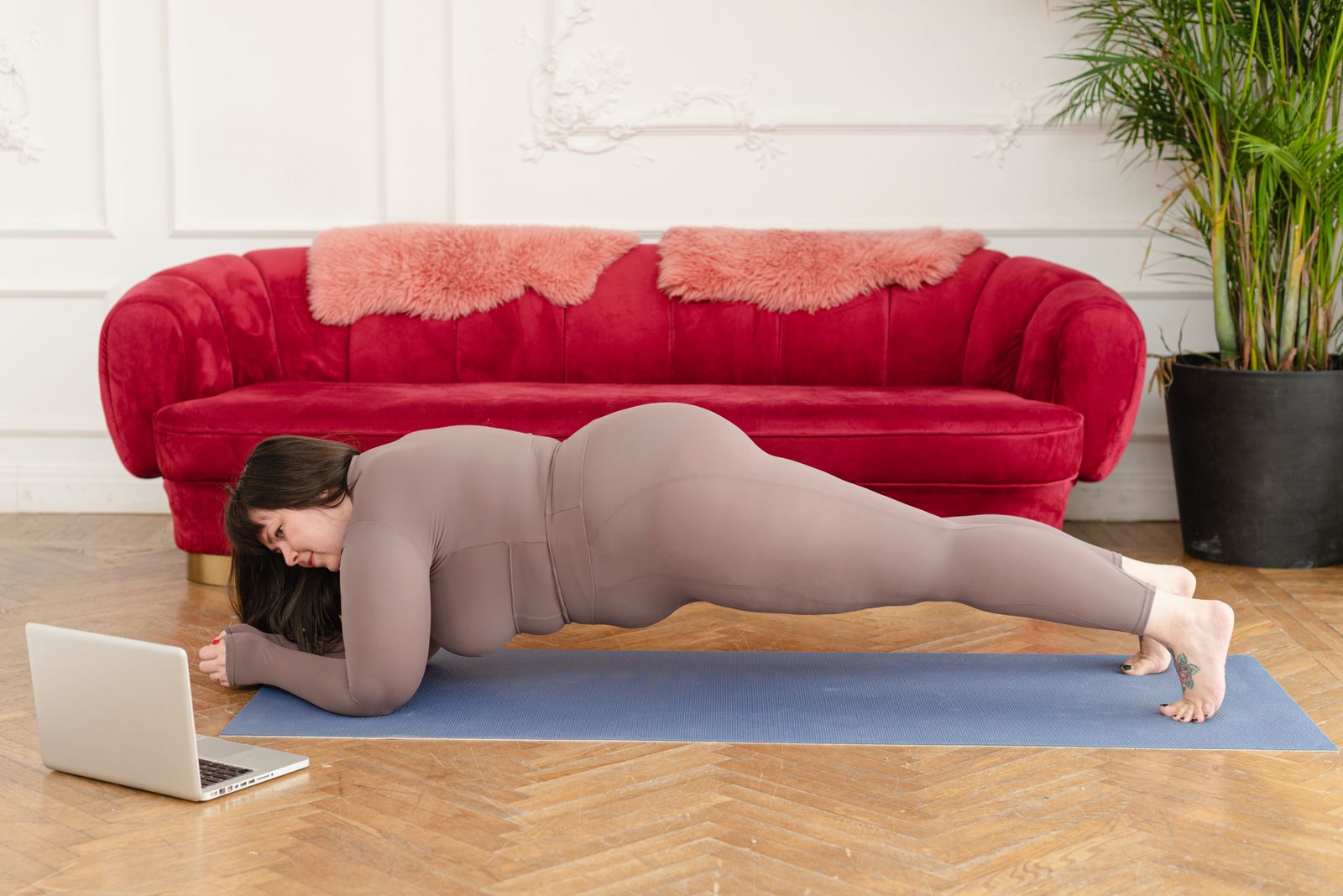
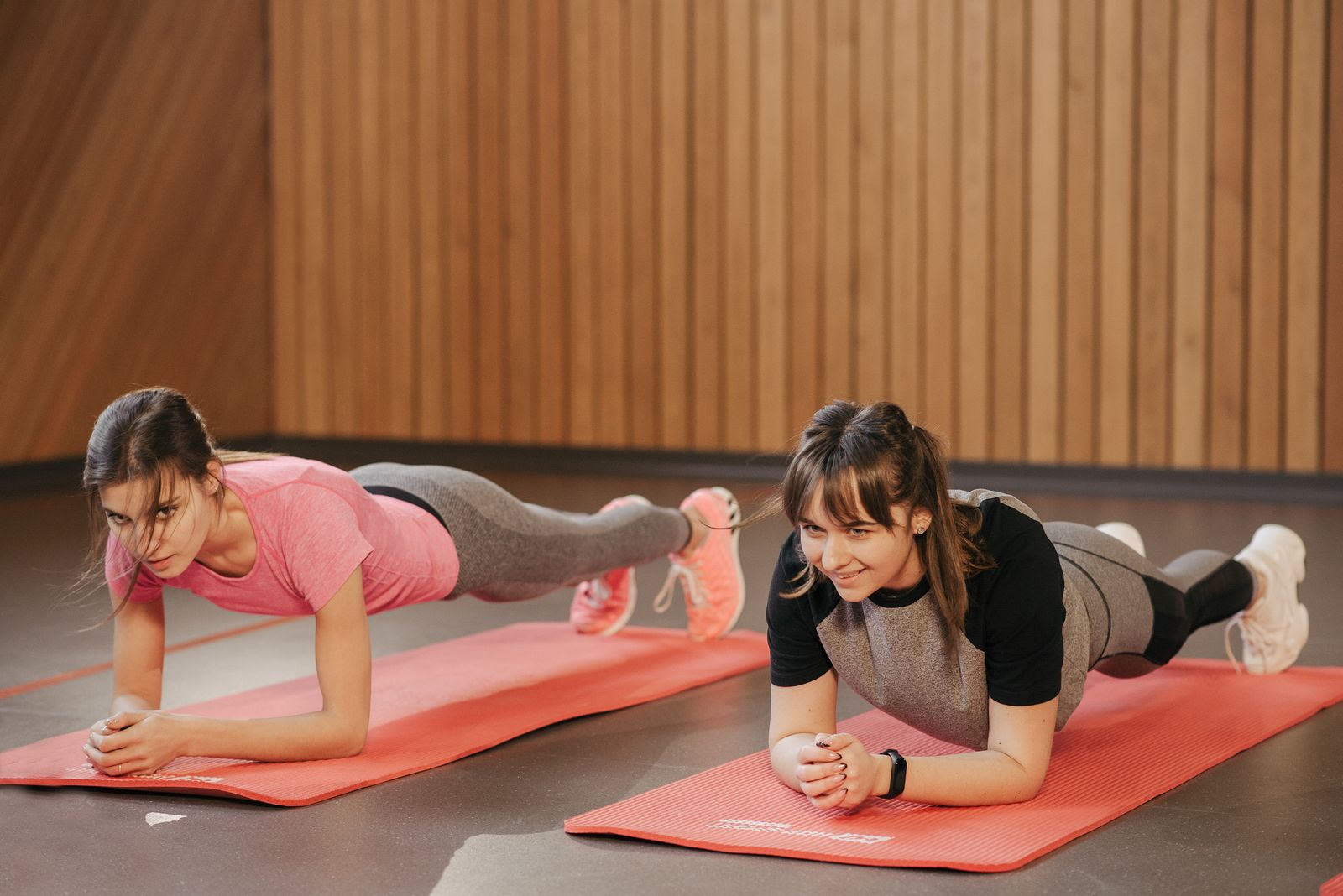
Not quite. Forearm Plank keeps the body in a straight horizontal line, similar to a push-up position but resting on the forearms, while Dolphin Pose lifts the hips into an inverted V shape. Both use the same forearm placement and build shoulder and core strength, but they train stability in different body positions.
Why do my shoulders shake in Dolphin Pose?
Shaking is a normal sign that your shoulder stabilizer muscles are being challenged in an unfamiliar way, especially early on. It usually settles as strength builds over a few weeks of consistent practice. If shaking is accompanied by sharp pain rather than fatigue, ease out of the pose and check your elbow alignment.
Can Dolphin Pose help with tight hamstrings?
Yes. Straightening the legs while keeping the hips lifted stretches the hamstrings and calves in a way similar to Downward Dog. If your hamstrings are very tight, bend the knees slightly to protect the lower back rather than forcing straight legs, and let the stretch develop gradually over repeated sessions.
How is Dolphin Pose different from a headstand?
Headstand places the crown of the head on the floor and stacks the full body weight vertically above it, requiring significant balance and neck strength. Dolphin Pose keeps the head off the floor entirely and distributes weight across the forearms and feet, making it a much lower-risk way to build the shoulder strength headstand eventually requires.
Do I need special equipment for Dolphin Pose?
No special equipment is required, just a stable, non-slip yoga mat with enough cushioning for the forearms. Some practitioners use a folded blanket under the forearms for extra padding, or practice near a wall for added support and confidence while building strength.
Try This for Yourself
Reading about Dolphin Pose is a useful start, but strength and alignment are built through guided, consistent practice. If you’d like a certified instructor to walk you through proper form, pacing, and safe progressions toward inversions, join a live online yoga class designed to meet you at your current level and build from there.
Related reading: Explore more foundational postures in our guide to essential yoga poses, learn the full Surya Namaskar sequence, build balance with Vrksasana, ground your foundation with Tadasana, or join a guided online yoga class to practice safely with expert feedback.