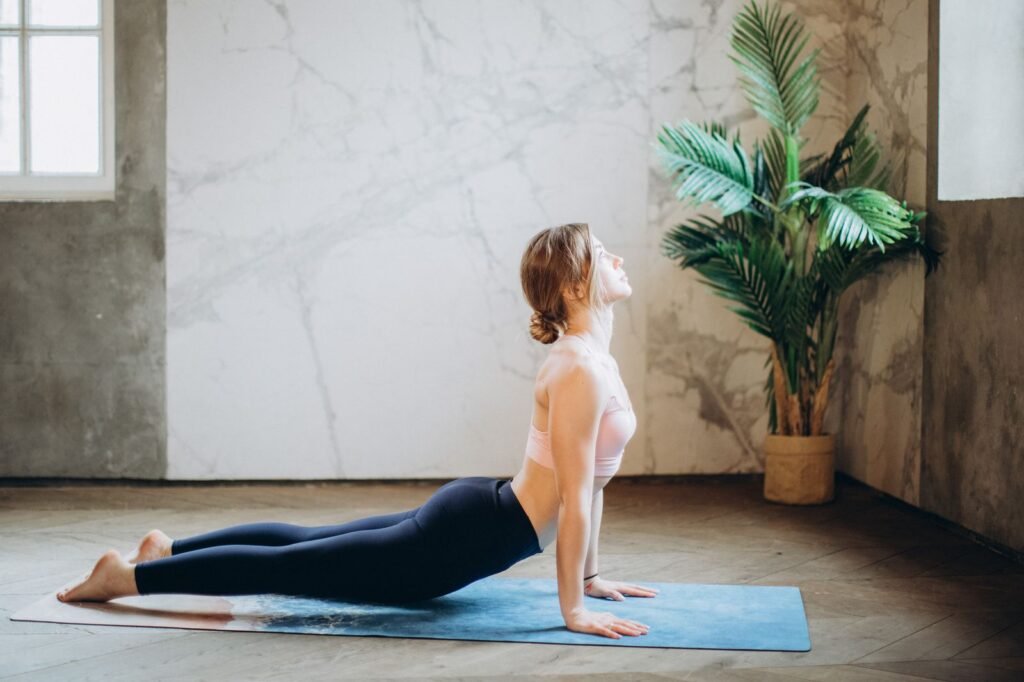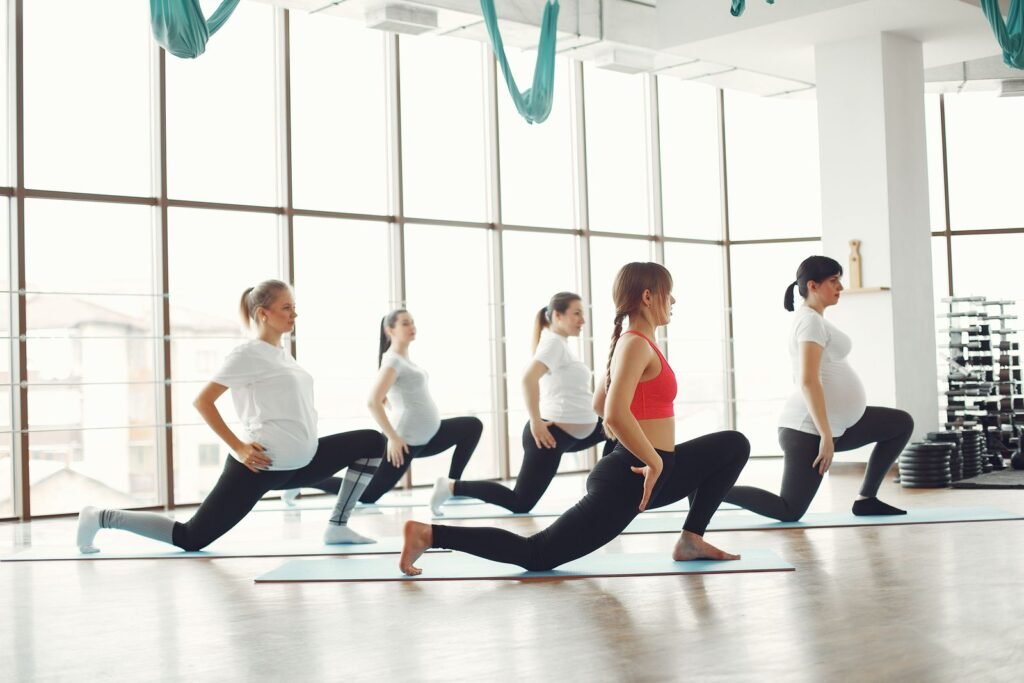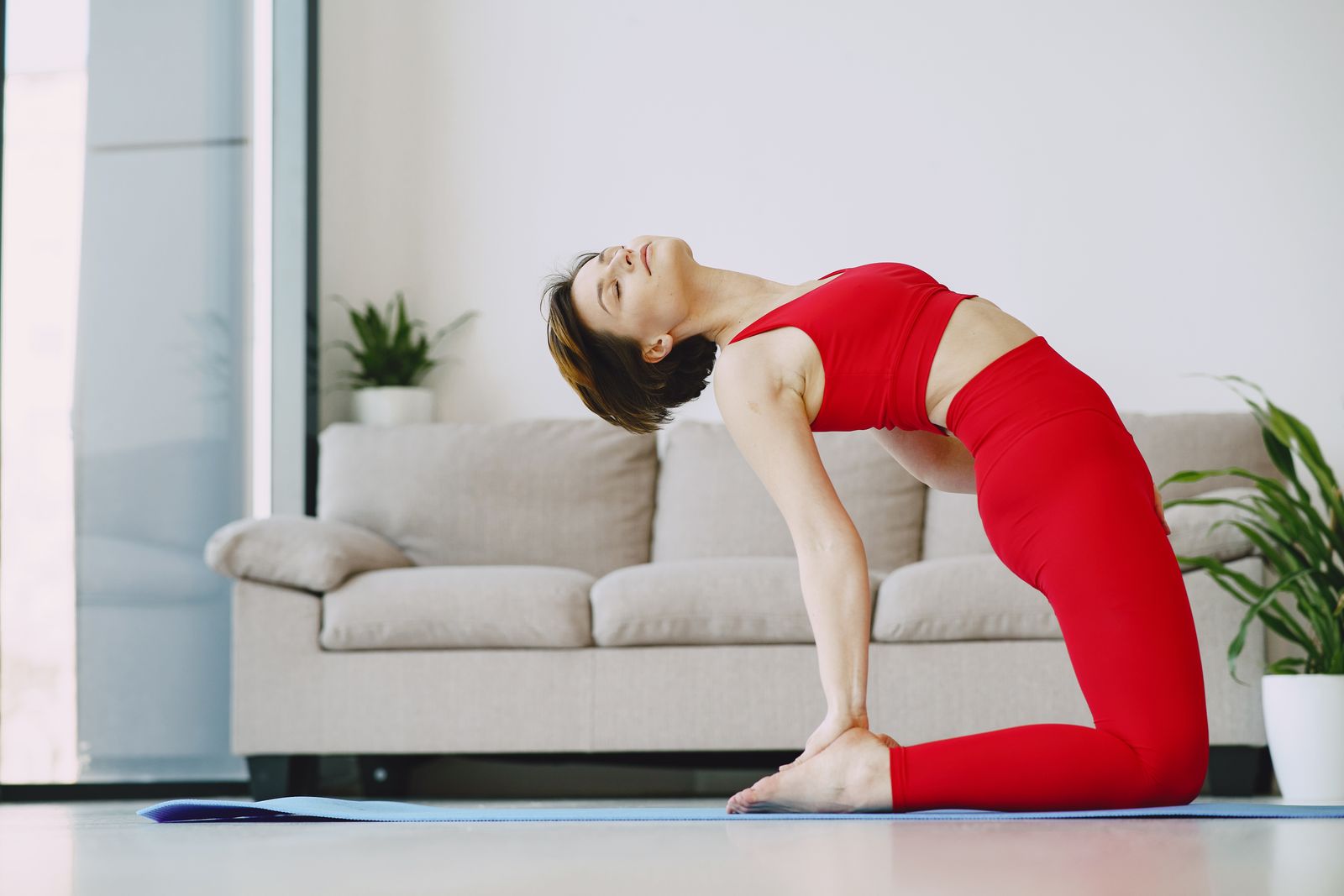
Yoga for women is a practice that adapts breathwork, postures, and mindfulness to the specific hormonal, reproductive, and life-stage needs women experience across the decades, from the teenage years through the menstrual cycle, pregnancy, and menopause. Research and clinical observation consistently associate regular practice with better stress regulation, improved sleep, more stable mood, and support for hormonal balance, while a well-sequenced practice can also aid weight management and reproductive health. Unlike generic fitness routines, women-focused yoga sequencing pays attention to cycle phases, pelvic floor health, and the physical changes that come with age, making it one of the more sustainable long-term wellness practices available.
Why Does Yoga Matter Specifically for Women’s Health?
Women’s bodies move through hormonal cycles that most generic fitness plans ignore entirely. A menstrual cycle changes energy levels, joint laxity, and pain tolerance week to week, and a training plan that doesn’t account for that can leave women feeling like exercise is fighting their body instead of supporting it. Yoga’s core toolkit, breath control, gentle inversions, restorative holds, and targeted core work, gives women a way to adjust intensity to where they actually are that day rather than sticking to a rigid one-size-fits-all program. This is why yoga for periods and yoga for irregular periods have become two of the most searched wellness topics among women: the practice offers a framework that flexes with the body’s own rhythms instead of demanding the body flex to fit a schedule.
What Are the Core Benefits of Yoga for Women?
The benefits of yoga for women span physical, hormonal, and psychological domains, and they tend to compound with consistency rather than appearing overnight.
- Stress and cortisol regulation: Slow diaphragmatic breathing activates the parasympathetic nervous system, which is commonly cited as a mechanism behind yoga’s stress-reducing effects, helping counter the chronically elevated cortisol linked to disrupted sleep and irregular cycles.
- Improved flexibility and joint mobility: Regular practice of poses like cat-cow pose and child’s pose keeps the spine, hips, and pelvis mobile, which matters more as estrogen-related joint changes appear with age.
- Better sleep quality: Restorative and yin yoga styles practiced in the evening are frequently recommended for women dealing with insomnia tied to hormonal fluctuation.
- Core and pelvic floor strength: Targeted sequences support bladder control and lower back stability, both common concerns after childbirth or with age.
- Mood stability: The combination of movement, breath, and mindfulness is associated with reduced anxiety symptoms, an effect documented across multiple yoga-for-mental-health studies.
These benefits are one reason yoga has become a recommended complementary practice inside broader wellness and corporate wellness yoga programs, where consistency matters more than intensity.
How Does Yoga Support Women’s Health Across Different Life Stages?
Women’s health needs shift dramatically across a lifetime, and a strength of yoga is that its poses and sequences can be modified rather than replaced at each stage. In the teens and twenties, practice tends to focus on building strength and flexibility while establishing a stress-management habit early. In the thirties, many women start layering yoga around fertility goals, career stress, and the physical demands of early parenting. In the forties and fifties, perimenopause and menopause bring hot flashes, sleep disruption, and bone density concerns that specific sequences can help manage. After sixty, gentler restorative and chair-based practices help preserve mobility and balance, reducing fall risk. This lifelong adaptability is part of why yoga is often positioned as a practice women can return to at any stage rather than one they age out of.
Can Yoga Help with Weight Loss for Women?
Weight loss yoga for women works best as part of a broader lifestyle approach rather than a standalone calorie-burning tool. Dynamic styles such as vinyasa yoga and power yoga raise heart rate and build lean muscle through continuous flowing sequences, which supports metabolism over time. Slower styles like hatha yoga burn fewer calories directly but are commonly associated with reduced emotional eating, because they lower the stress hormones that drive cravings. A practical approach for women pursuing the benefits of yoga for women’s weight loss is to combine three to four sessions per week of a flow-based style with one or two restorative sessions, alongside attention to sleep and nutrition. Expecting yoga alone to replace a calorie deficit is unrealistic, but expecting it to make sustainable weight management easier to stick with is well supported by how the practice affects stress, sleep, and body awareness.
What Is Fertility Yoga and Does It Help Conception?
Yoga for women’s fertility centers on gentle hip-opening poses, restorative inversions, and breathwork intended to reduce the stress load that can interfere with reproductive hormone signaling. Poses such as butterfly pose, supported bridge pose, and legs-up-the-wall are frequently recommended in fertility-focused sequences because they improve pelvic blood flow and encourage deep relaxation. It’s important to be clear that yoga is not a medical treatment for infertility and should not replace fertility care from a qualified specialist. What the practice can offer is a lower-stress complement to a fertility journey, since chronic stress is widely recognized as a factor that can affect hormonal balance. Women navigating fertility treatment often find that a gentle, non-inversion-heavy practice (avoiding deep twists and intense core work during treatment cycles) fits well alongside medical guidance.
What Should Women in Their 30s Focus On in Their Practice?
Yoga for women in their 30s often needs to balance competing demands: building or maintaining strength, managing career and family stress, and in many cases supporting fertility or postpartum recovery. This decade is a practical time to build a strength-based foundation with vinyasa or ashtanga yoga two to three times a week, since bone density and muscle mass benefit from load-bearing poses like warrior poses and plank variations. Pairing this with one weekly restorative or yin yoga session helps offset the cumulative stress of juggling work and family responsibilities that tends to peak in this decade. Women who are pregnant or trying to conceive during their 30s should also look into prenatal yoga, which is specifically sequenced to be safe during pregnancy.
How Does Yoga Help Regulate the Menstrual Cycle?
A consistent practice is frequently recommended to help women feel more in control of an unpredictable cycle, even though yoga does not directly alter hormone production. Gentle forward folds and twists are commonly used to ease cramping by increasing blood flow to the pelvic region, while restorative poses support the nervous system regulation that indirectly affects cycle-related stress. For women experiencing irregular periods, tracking how energy and comfort levels shift across the cycle and adjusting practice intensity accordingly, more restorative work during menstruation, more dynamic work in the follicular phase, is a widely used approach among yoga teachers who specialize in women’s health. This cycle-aware approach is sometimes called “cycle syncing,” and while research on its precise physiological effects is still developing, it is a widely adopted framework in women’s yoga communities.
What Yoga Poses Are Best Suited to Women’s Bodies?
While yoga poses aren’t inherently gendered, certain postures are especially valuable for concerns that disproportionately affect women, including pelvic floor health, bone density, and hip mobility.
- Bridge pose: strengthens the glutes and lower back while gently opening the hip flexors, useful for pelvic support.
- Butterfly pose: opens the hips and inner thighs, often used to ease menstrual discomfort.
- Cat-cow pose: mobilizes the spine and is commonly taught as a gentle warm-up during the menstrual phase.
- Child’s pose: a resting posture used to calm the nervous system between more demanding poses.
- Warrior poses: build the lower-body and core strength that supports bone density, particularly relevant as women approach perimenopause.
- Tree pose: improves balance and ankle stability, both of which become more clinically relevant with age.
How Does Yoga Support Women Through Perimenopause and Menopause?
The hormonal shifts of perimenopause and menopause bring hot flashes, sleep disruption, mood changes, and often anxiety, and yoga is one of the most frequently recommended complementary practices for managing these symptoms. Cooling, restorative sequences and slow breathing techniques are commonly used to help regulate the body’s temperature response during hot flashes, while weight-bearing poses support the bone density that naturally declines as estrogen drops. Women navigating this transition often benefit from a dedicated yoga for menopause sequence that blends strength work with calming breathwork, rather than either extreme alone. Because sleep disruption is one of the most commonly reported menopause symptoms, adding a short evening restorative practice is a frequently suggested starting point.
What Is the Best Yoga for Women’s Overall Health?
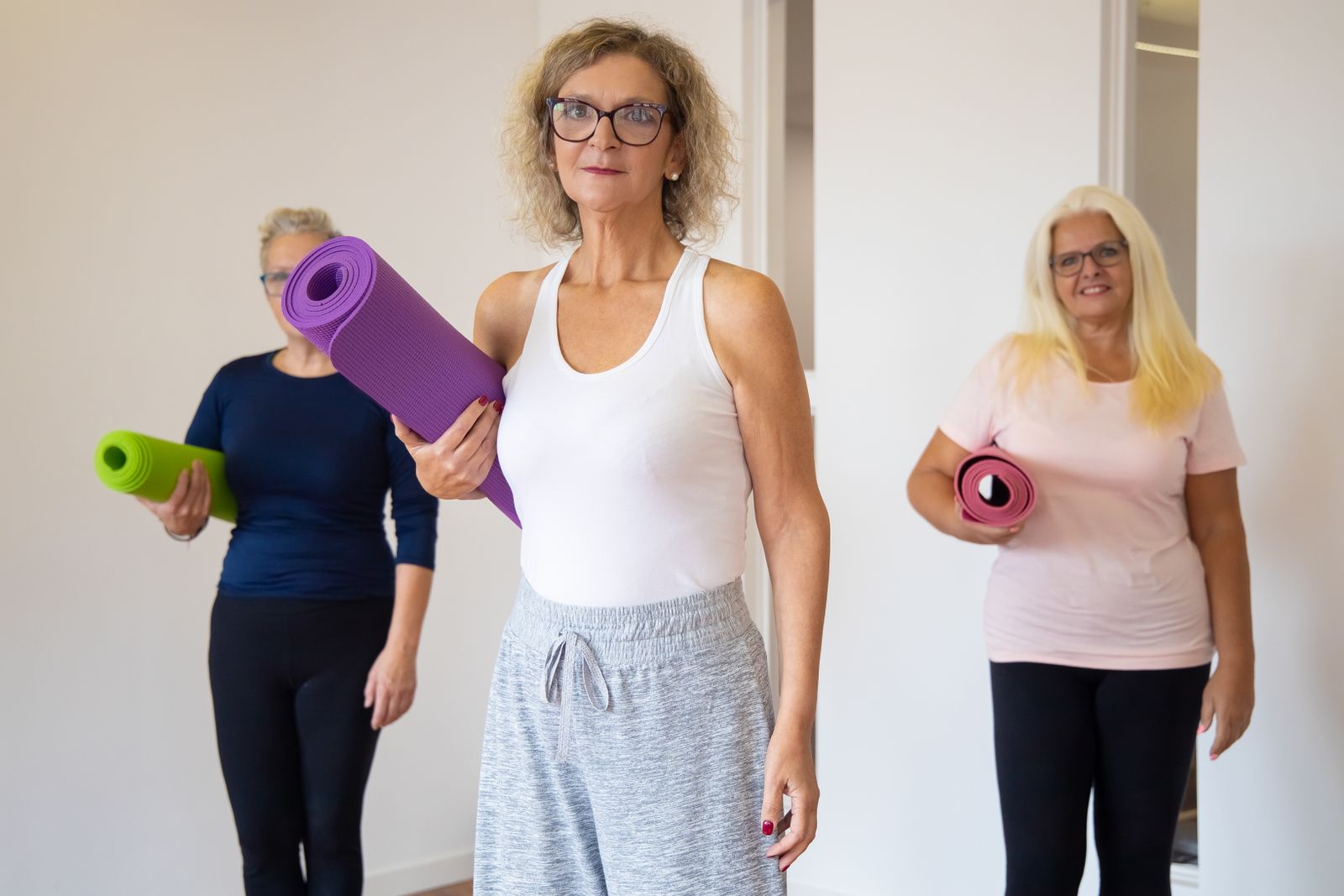
There isn’t a single “best” style, because the ideal practice depends on what a woman is prioritizing at a given time, strength, stress relief, flexibility, or hormonal support. For general health maintenance, a blended weekly rotation tends to outperform sticking to one style exclusively: two sessions of vinyasa or hatha yoga for strength and mobility, one session of yin yoga or restorative yoga for nervous system recovery, and consistent attention to breathwork daily, even five minutes counts. Women newer to the practice often do best starting with yoga for beginners guidance before layering in more specialized sequences for cycle health, fertility, or menopause support.
How Often Should Women Practice Yoga for Real Results?
Most of the health benefits associated with yoga, better sleep, reduced stress, improved flexibility, become noticeable with three to five sessions per week, though even two sessions provide measurable benefit over doing none. Consistency matters more than duration: a daily 15-minute practice focused on breathwork and a few key poses tends to produce better long-term adherence than an occasional 90-minute class that’s easy to skip when life gets busy. Women balancing demanding schedules often find that anchoring practice to a specific time, morning breathwork before the day starts, or a wind-down sequence before bed, makes it far more sustainable than trying to find an open hour whenever one appears.
What Role Does Breathwork Play in Yoga for Women?
Pranayama, the yogic term for breath control, is often underestimated compared to physical postures, but it is one of the most direct tools for regulating the nervous system in real time. Techniques like alternate nostril breathing and extended exhale breathing are commonly taught to reduce anxiety and support hormonal balance by lowering sympathetic nervous system activation. For women managing PMS symptoms, menopause-related hot flashes, or general daily stress, a five-minute breathwork practice can be done anywhere, no mat required, making it one of the most accessible entry points into yoga for women with limited time. Pairing breathwork with a broader practice, rather than treating it as an afterthought, tends to amplify the calming effects of the physical postures.
How Should Beginners Get Started with Yoga?
Starting a new practice can feel intimidating, but the fundamentals are simpler than most people expect. New practitioners benefit from starting with yoga for beginners sequences that introduce foundational poses, basic breathing patterns, and proper alignment before moving into faster-paced or more specialized styles. It helps to pick one style to start, rather than sampling five at once, practice two to three times a week for a month, and pay attention to which poses and pacing feel sustainable. A qualified instructor, whether in person or through a structured online yoga class, can correct alignment issues early, which prevents the small technique errors that often lead to frustration or minor strain later on.
What Mistakes Do Women Commonly Make When Starting Yoga?
A few recurring mistakes tend to slow progress or cause unnecessary frustration for women new to the practice. Pushing into deep stretches too quickly, before the muscles and connective tissue have warmed up, is one of the most common causes of minor strain. Comparing one’s own flexibility to an instructor’s or to other students is another frequent trap, since flexibility varies enormously by body type, age, and training history, and it says nothing about whether the practice is “working.” Skipping breathwork in favor of only doing the physical postures also means missing much of the stress-reduction benefit that draws many women to yoga in the first place. Finally, practicing at high intensity every single day without any restorative sessions can lead to burnout rather than the sustained motivation that makes yoga effective long-term.
Questions People Ask About Yoga for Women
Is yoga good for women’s hormonal balance?
Yoga is widely used to support the nervous system regulation that indirectly affects hormonal balance, primarily by lowering the chronic stress that can disrupt cortisol, estrogen, and progesterone signaling. It is not a direct hormonal treatment, but consistent practice, especially breathwork and restorative poses, is commonly recommended alongside medical care for hormone-related concerns.
Can yoga help with PCOS symptoms?
Yoga is frequently recommended as a complementary practice for women managing PCOS, since stress reduction and improved insulin sensitivity from movement can support symptom management. It should be paired with medical guidance rather than used as a standalone treatment, as PCOS involves hormonal and metabolic factors that yoga alone cannot resolve.
What is the best time of day for women to practice yoga?
Morning practice is often favored for energizing, dynamic styles like vinyasa, since it sets a calmer tone for the day and can improve focus. Evening practice suits restorative or yin-style sequences, which help wind down the nervous system before sleep. The better choice ultimately depends on personal schedule and which benefit matters most.
Is it safe to do yoga during pregnancy?
Yes, with modifications. Prenatal-specific sequences avoid deep twists, intense core work, and poses that compress the abdomen, focusing instead on pelvic mobility, gentle strength, and breathwork. Always get clearance from an obstetrician first, particularly in the first trimester or with a high-risk pregnancy.
How long does it take to see results from yoga?
Improvements in mood and sleep quality are often reported within two to three weeks of consistent practice, three to five sessions weekly. Physical changes like increased flexibility and strength typically take four to eight weeks to become noticeable, and continue improving with sustained, regular practice.
Can yoga replace strength training for women?
Yoga builds meaningful bodyweight strength, particularly in the core, shoulders, and legs, but it doesn’t fully replace progressive resistance training for building significant muscle mass or bone density. Many women pair two to three yoga sessions with one or two strength sessions weekly for a more complete fitness approach.
Try This for Yourself
The clearest way to feel the benefits described here is to experience a guided practice built around your specific stage of life, whether that’s stress relief, cycle support, fertility, or menopause symptoms. FitStrot’s online yoga classes connect you with instructors who tailor sequences to women’s health needs, so you can start building a sustainable practice from wherever you are right now.
Related reading: yoga for beginners, yoga for periods, yoga for irregular periods, yoga for menopause, and FitStrot’s online yoga classes.