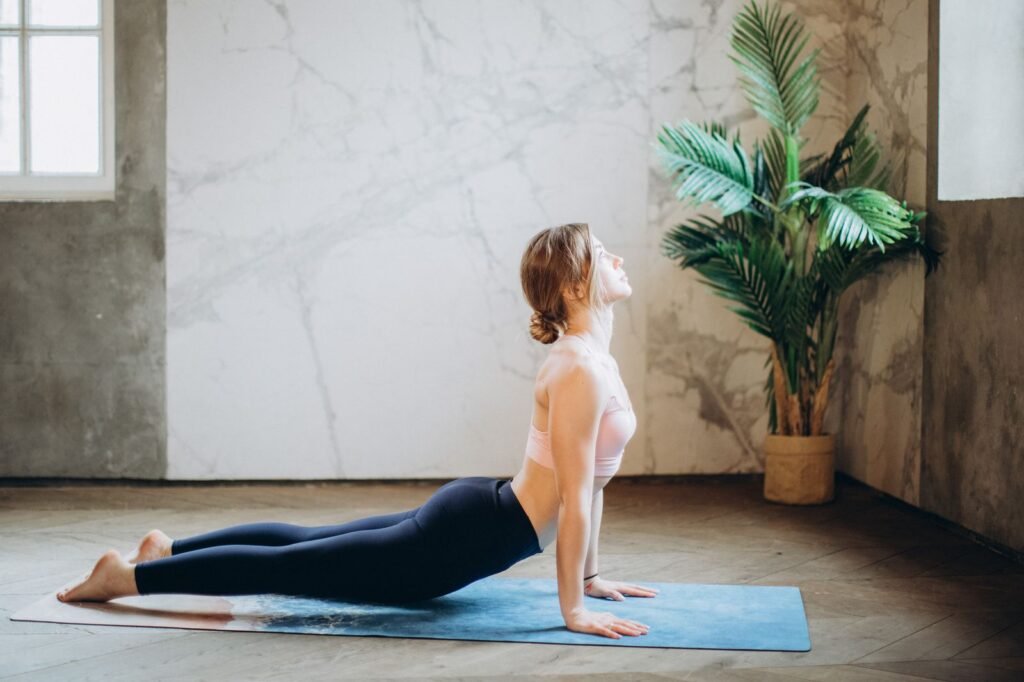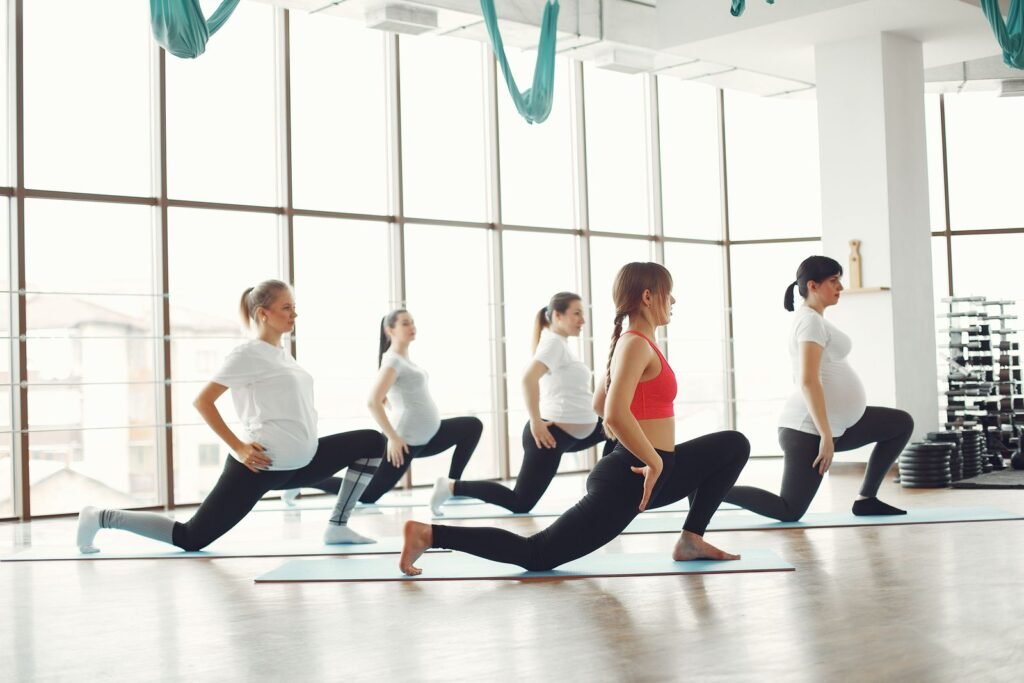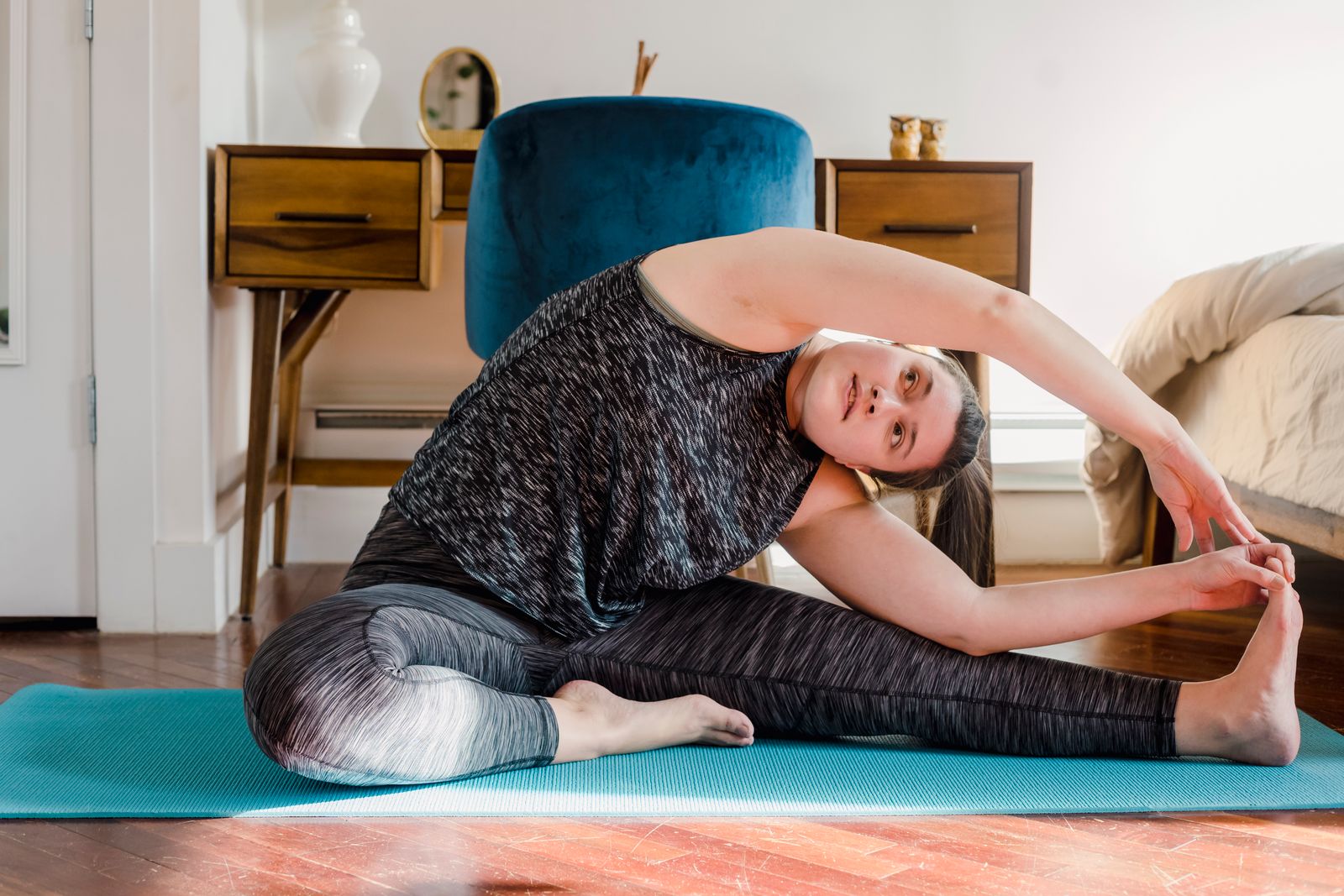
Yoga for periods means using gentle, restorative poses like Child’s Pose, Reclined Butterfly, and Cat-Cow to ease cramps, reduce bloating, and calm the nervous system during menstruation, rather than pushing through intense workouts. Research on yoga and primary dysmenorrhea (the medical term for period pain) has found that regular practice can lower pain intensity and shorten how long cramps last, likely because slow, breath-led movement relaxes the pelvic muscles and reduces the stress hormones that make cramping worse. A 10-20 minute sequence done daily during your period, and a few times a week in between, tends to work better than an occasional session.
This guide covers exactly which poses help with which symptom, what the research actually says, which poses to avoid, and how to build a simple routine you can repeat every cycle. If you’re newer to the practice, it helps to first get comfortable with the basics in this yoga for beginners guide before layering on the period-specific sequence below.
Can Yoga Actually Help With Period Pain?
Yes, and this is one of the more evidence-backed claims in the yoga-for-women space. A meta-analysis of randomized controlled trials on yoga for menstrual pain, published in Complementary Therapies in Clinical Practice, found that women who practiced yoga reported measurably less menstrual pain than those who didn’t. A separate single-blind randomized trial with undergraduate students with primary dysmenorrhea found that an 8-week yoga program reduced both menstrual cramp intensity and general menstrual distress compared to a control group. A more recent narrative review in Frontiers in Pain Research concluded that yoga is a reasonable, low-risk complementary approach for managing dysmenorrhea alongside standard care, though researchers still call for larger trials to confirm exactly how much benefit to expect and for how long it lasts.
The proposed mechanism is fairly consistent across these studies: yoga combines gentle stretching of the pelvic and lower back muscles with slow diaphragmatic breathing, which appears to reduce the sympathetic “fight or flight” nervous system activity that tightens the uterus and intensifies cramping. It’s not a replacement for medical care if you have severe or worsening pain, but as a daily habit it’s one of the few movement-based interventions with actual clinical study behind it.
Which Yoga Poses Are Best for Period Cramps?
Five poses come up again and again across yoga therapists’ recommendations and the studies above, because they either stretch the lower abdomen and hips directly or activate the parasympathetic nervous system.
- Child’s Pose (Balasana): Gently compresses and releases the lower belly with each breath, easing cramping and lower back tension. Hold for 1-2 minutes, breathing into the lower back.
- Reclined Butterfly (Supta Baddha Konasana): Opens the hips and groin while lying supported, which many people find takes pressure off the pelvic floor. Excellent for heavy-flow days when you want to stay horizontal.
- Cat-Cow (Marjaryasana-Bitilasana): The rhythmic spinal flexion and extension massages the abdominal organs and is one of the most commonly recommended movements for cramp relief in clinical yoga protocols.
- Supine Twist: A gentle, low-intensity twist that can relieve lower back and hip tightness without compressing the abdomen the way a seated twist would.
- Legs-Up-The-Wall (Viparita Karani): A restorative inversion that reduces pelvic congestion and swelling, and is widely used to calm the nervous system when cramps spike anxiety.
Pair these with slow nasal breathing, four counts in and six counts out, and you get both the mechanical stretch benefit and the nervous-system calming benefit in the same pose.
Does Yoga Bring on Your Period Faster?
There’s no strong clinical evidence that any yoga pose reliably makes your period “come faster” or arrive earlier than your body’s own hormonal timeline allows. What certain poses can do is stimulate blood flow to the pelvic region and relax abdominal tension, which some people experience as their period arriving on schedule more comfortably, or a delayed period finally starting once stress levels drop. Poses commonly searched for this purpose include Malasana (Garland Pose), Supta Baddha Konasana, Bhujangasana (Cobra), and Setu Bandhasana (Bridge), all of which increase circulation to the lower abdomen and hips.
If your period is more than a few days late and you suspect stress, travel, or lifestyle changes are the cause, gentle daily yoga combined with consistent sleep and lower cortisol levels is a reasonable, low-risk thing to try. If a period is significantly delayed, absent for multiple cycles, or irregular, that’s worth discussing with a doctor rather than relying on yoga alone, since underlying causes like PCOS or thyroid issues need medical evaluation. For more on cycle irregularity specifically, see this guide on yoga for irregular periods.
What Poses Should You Avoid During Your Period?
Traditional yoga guidance advises skipping full inversions during heavy flow days, poses like Headstand (Sirsasana), Shoulder Stand (Sarvangasana), and Handstand. The traditional rationale is about “apana,” the downward energy associated with menstruation in yogic philosophy, though this isn’t something modern medical research has specifically tested. The more practical, physically grounded reason many teachers give is comfort: full inversions can feel awkward with menstrual products, and some people report increased cramping or dizziness when inverted during heavy flow.
Beyond inversions, most yoga therapists also suggest going lighter on:
- Deep backbends like Wheel Pose (Urdhva Dhanurasana), which strongly compress the lower abdomen.
- Intense core work such as long Plank or Boat Pose holds, which can aggravate cramping.
- Hot yoga or Bikram-style classes on heavy-flow days, since intense heat combined with dehydration can worsen fatigue and lightheadedness.
None of this means you must stop moving. It means shifting from strength and heat-based practice toward gentle, grounding, restorative sequences for the days your flow is heaviest, then easing back into your normal practice as it tapers off.
How Do You Build a Period-Friendly Yoga Routine?
A simple structure works better than trying to memorize a long sequence while cramping. Most people do well with three phases in a single 15-20 minute session.
- Warm-up (3-5 minutes): Seated breathing, gentle neck rolls, and a few rounds of Cat-Cow to wake up the spine without strain.
- Main sequence (8-10 minutes): Child’s Pose, Reclined Butterfly, a gentle Supine Twist on each side, and Bridge Pose held for several breaths.
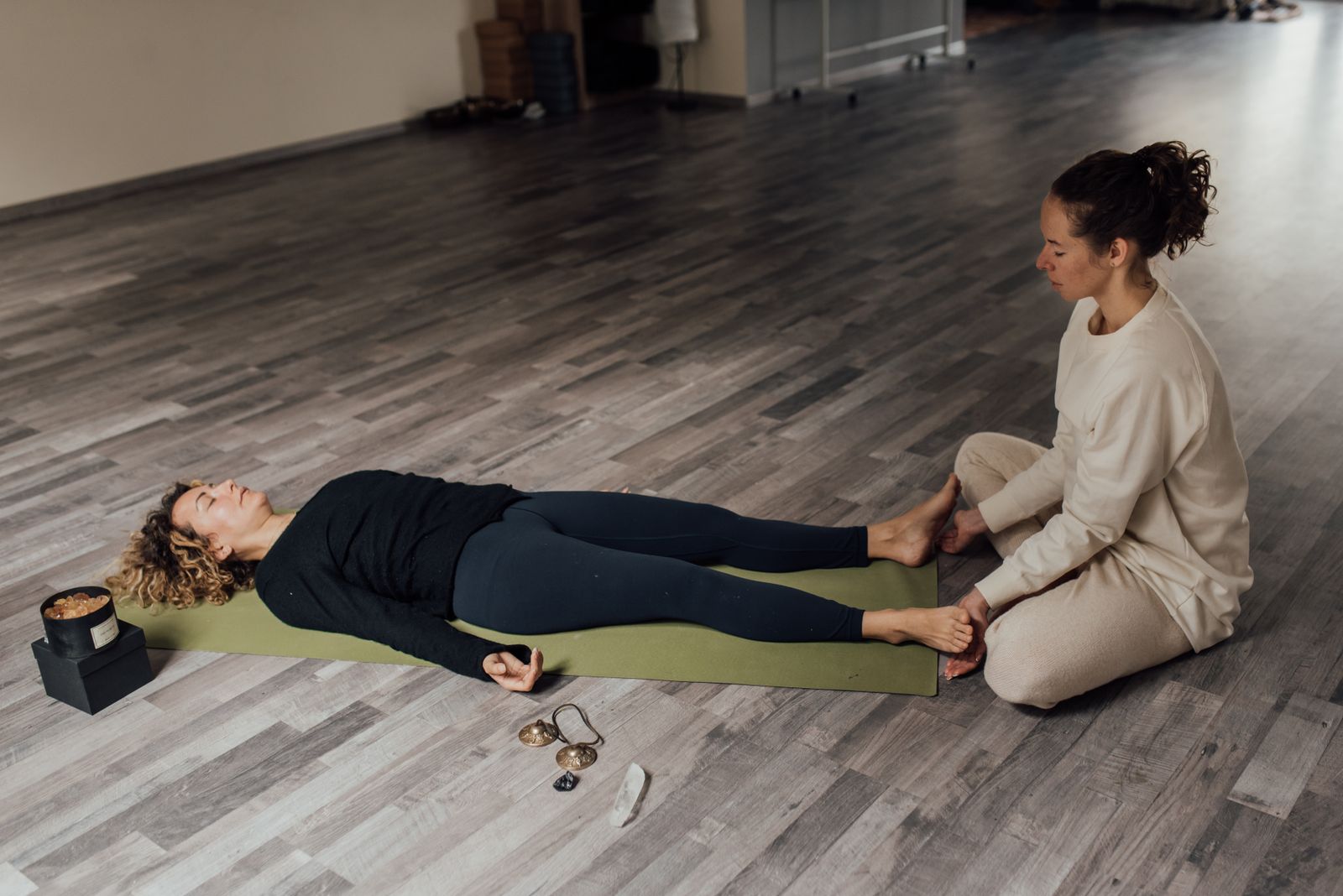
- Cool-down (3-5 minutes): Legs-Up-The-Wall or a supported Savasana, staying still and breathing slowly for at least three minutes.
Doing this daily during your period, and two to three times a week the rest of the month, is more effective for symptom management than a single long session once a month. If you’re building a broader weekly practice around your cycle, this yoga for women guide covers how to structure a full month of practice, adjusting intensity through each phase of the cycle.
Is Breathwork More Important Than Poses for Period Symptoms?
Breath is arguably doing more of the work than the shape of the pose itself. Slow diaphragmatic breathing activates the vagus nerve and shifts the body out of sympathetic “stress mode,” which is closely tied to how intensely cramps are perceived. Two specific breathing techniques show up repeatedly in yoga-for-menstruation guidance.
Dirga breath (three-part breath): Inhale slowly into the belly, then the ribs, then the upper chest, and exhale in reverse order. This lengthens the exhale, which is the part of the breath cycle most linked to calming the nervous system.
Nadi Shodhana (alternate nostril breathing): Traditionally used to balance the nervous system, this practice is often recommended in the days leading up to a period to ease PMS symptoms like irritability and tension headaches, though it’s worth noting the evidence here is more traditional than clinically established.
Combining either breath technique with even five minutes of gentle stretching tends to outperform stretching alone for perceived pain relief, based on how these interventions are typically layered in clinical yoga protocols. For a deeper foundation in breath control generally, see this guide to pranayama breathing techniques.
Can Yoga Help With PMS, Not Just Period Pain?
Yes. Several of the same studies that looked at dysmenorrhea also measured premenstrual symptoms separately, and the results point the same direction. A pilot study on targeted yoga practice over eight weeks found improvements in PMS symptoms alongside changes in body composition and hip mobility, and separate research has found preliminary evidence that yoga reduces fluid retention associated with premenstrual syndrome. The proposed reason is the same nervous-system mechanism: less sympathetic activation, more parasympathetic “rest and digest” activity, which is associated with reduced water retention and steadier mood.
For the week before your period, when PMS symptoms like irritability, breast tenderness, and bloating tend to peak, a gentler daily practice focused on forward folds, hip openers, and long exhales tends to help more than an intense cardio-style flow. This is also a good window to slow down rather than push through a hard vinyasa yoga class if your energy is already low.
Should Your Yoga Practice Change Across Your Whole Cycle?
This is the idea behind “cycle syncing” yoga, adjusting the intensity and style of practice to match where you are in your menstrual cycle, roughly a 28-day span though it varies person to person.
- Menstrual phase (days 1-5): Restorative and yin-style poses, low intensity, more rest.
- Follicular phase (days 6-13): Energy typically rises; this is a good window for more dynamic vinyasa-style sequences.
- Ovulatory phase (around day 14): Often the highest-energy window; many people feel capable of their most intense practice here.
- Luteal phase (days 15-28): Energy gradually declines, especially in the final week; scaling back toward gentler, grounding poses tends to feel better than maintaining peak intensity.
This framework is popular in wellness content, though it’s worth being clear that individual hormone fluctuations and energy levels vary significantly between people, so treat it as a general template to experiment with rather than a rigid rule. A broader look at adjusting practice intensity through the month is covered in this yoga for women guide.
What About Yoga During Perimenopause or Irregular Cycles?
As cycles change with age or conditions like PCOS, the “standard” 28-day framework above stops applying cleanly. During perimenopause, periods can become heavier, lighter, or unpredictable, and the same restorative poses used for period pain, Child’s Pose, Legs-Up-The-Wall, and supported forward folds, remain useful for managing hot flashes, disrupted sleep, and mood swings that often accompany this transition. If you’re navigating that stage specifically, this guide on yoga for menopause goes deeper into adjusting a practice as hormone levels shift.
For irregular cycles caused by stress, low body weight, or hormonal conditions, gentle daily yoga is a reasonable supportive habit, but it works best alongside medical guidance rather than as a standalone fix. The yoga for irregular periods guide breaks down which poses are most commonly recommended for hormonal balance and when it’s time to see a doctor.
Does Yoga Style Matter, or Is Any Class Fine During Your Period?
Style matters more than most people expect. A high-intensity power yoga or hot yoga class asks the body to generate heat and hold demanding poses, which works against the goal of calming the nervous system during your period. Gentler styles are a better fit for menstrual days specifically.
- Restorative yoga: Long-held, fully supported poses using props like bolsters and blankets. Closest to the ideal menstrual-phase practice.
- Yin yoga: Slow, deep stretches held for 3-5 minutes, targeting connective tissue rather than muscle strength.
- Hatha yoga: A moderate pace with holds long enough to breathe deeply into each pose, without the cardio demand of a flow class.
- Gentle online yoga: Many people prefer following a guided online yoga class during their period specifically because they can practice from bed or the couch without needing to travel to a studio.
If you already have a regular studio or online practice, simply swapping your usual class for a gentler, shorter session during the first two to three days of your period is often enough of an adjustment.
How Does Yoga Compare to Other Period Pain Relief Methods?
Yoga isn’t the only option for period pain, and it’s worth understanding where it fits relative to more common approaches.
- NSAIDs (ibuprofen, naproxen): Work faster and more reliably for moderate-to-severe pain, since they directly block the prostaglandins that cause uterine cramping. Yoga works more slowly and is better suited to mild-to-moderate pain or as a complement to medication.
- Heat therapy: A heating pad on the lower abdomen has strong evidence for cramp relief and combines well with yoga; many restorative poses are done with a heating pad in place.
- General exercise: Light cardio like walking also reduces cramping through improved circulation and endorphin release, though it lacks yoga’s specific parasympathetic breathing component.
- Yoga: Slower to show effect but appears to have cumulative benefits with regular practice, and it addresses the stress and tension components of period pain that medication alone doesn’t touch.
For most people, combining approaches, heat plus gentle yoga, or an NSAID plus a short restorative sequence, works better than relying on any single method alone.
Questions People Ask About Yoga for Periods
Can beginners do yoga during their period safely?
Yes. Gentle, restorative poses are considered safe for beginners during menstruation, and in fact this is often an easier entry point than a fast-paced class, since the pace is slower and poses are typically held longer. Starting with basic poses like Child’s Pose and Cat-Cow, and building from there, is a sensible way to begin.
How long before my period should I start doing yoga?
Many people find starting a gentle routine 3-5 days before their period, during the late luteal phase, helps ease PMS symptoms before cramping starts. Continuing the same or a lighter version through the first few days of bleeding tends to give the most consistent symptom relief.
Can yoga help with PCOS-related period problems?
Yoga can support overall hormonal balance and stress reduction, both of which are relevant to PCOS management, but it isn’t a treatment for PCOS itself. It works best as one part of a broader plan that includes medical guidance, since PCOS involves hormonal and metabolic factors that movement alone can’t resolve.
Is it okay to do yoga on the heaviest day of my period?
Yes, as long as you shift toward gentler, restorative poses and avoid inversions or intense core work. Many people find their heaviest day is actually when restorative poses like Legs-Up-The-Wall feel most helpful, since they ease pelvic heaviness and support relaxation.
Can yoga poses delay or stop my period?
There’s no reliable evidence that yoga poses can delay or stop a period once it has started. Some people report that certain poses seem to lighten flow temporarily by relaxing pelvic tension, but this isn’t a consistent or medically established effect, and yoga shouldn’t be relied on for cycle control.
How is yoga for periods different from prenatal or postnatal yoga?
Both prioritize gentleness, but they target different needs. Menstrual yoga focuses on easing cramping and pelvic tension tied to the monthly cycle, while prenatal and postnatal yoga address pregnancy-related joint laxity, core recovery, and pelvic floor healing. Someone recovering postpartum should follow pregnancy-specific guidance rather than a standard period-focused routine.
Try This for Yourself
Reading about poses only goes so far. If you want real-time guidance on pacing your breath, modifying poses for cramping days, and building a routine that actually fits your cycle, a live instructor makes a measurable difference. Try an online yoga class with FitStrot and get a session built around where you actually are in your cycle, not a generic routine.
Related reading: Yoga for Irregular Periods, Yoga for Women, Yoga for Menopause, Yoga for Beginners, and FitStrot’s online yoga classes for personalized guidance.