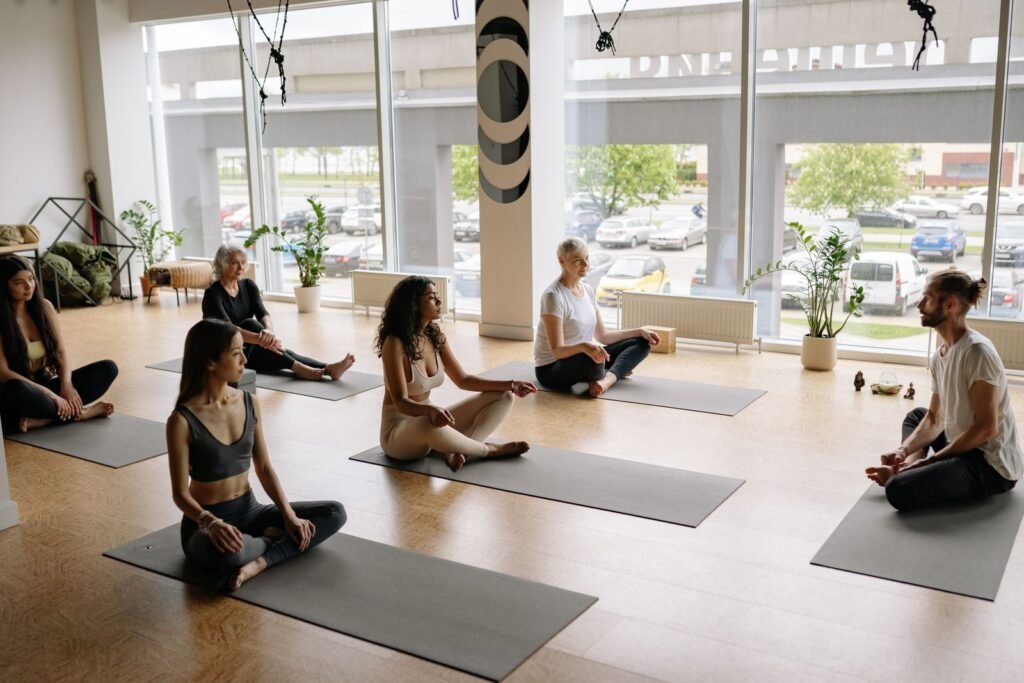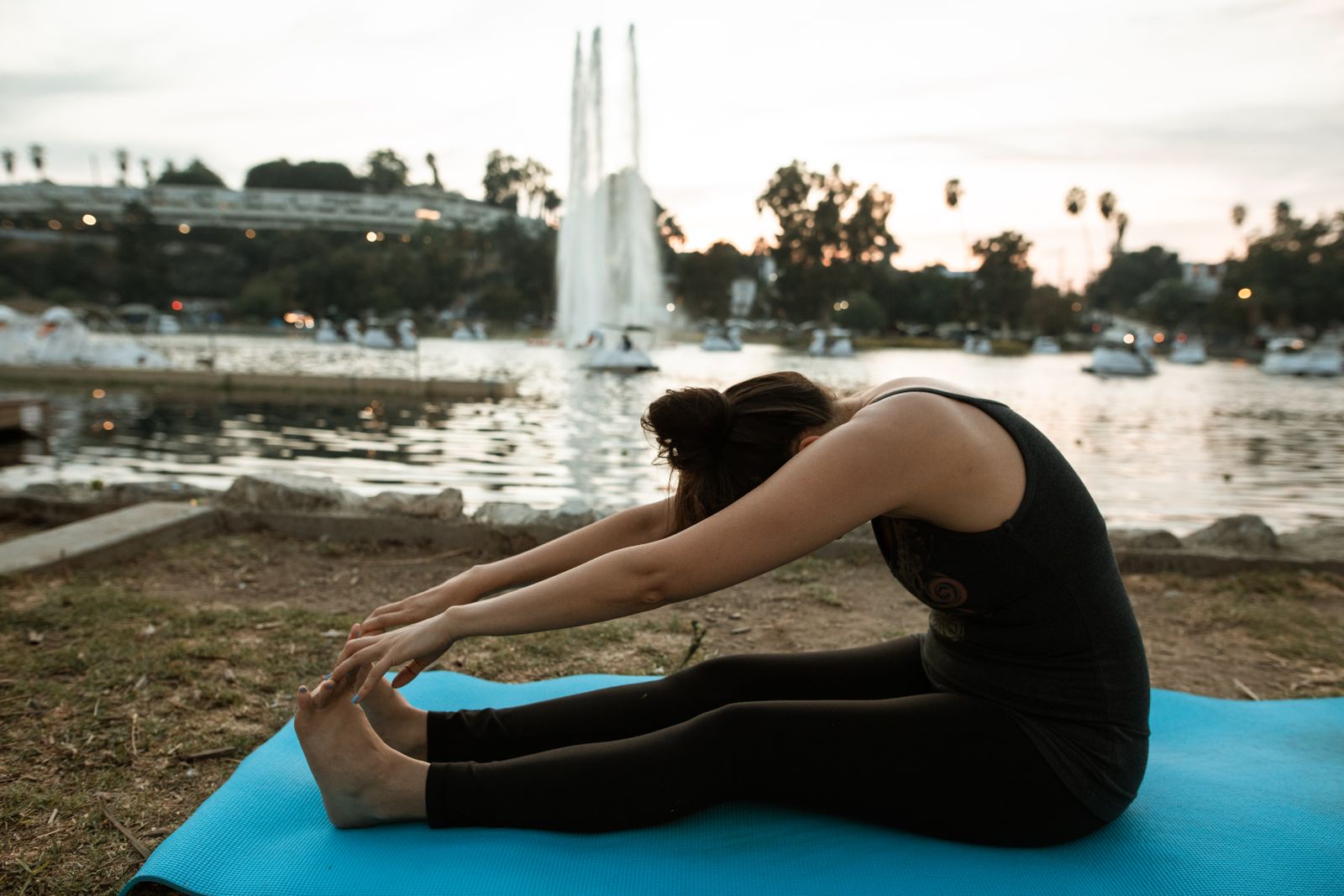
Yoga for summer means adapting your practice to the season’s heat, longer daylight hours, and higher energy levels rather than following the same routine you’d use in winter. The right summer yoga practice favors cooling breathwork, slower-paced or restorative sequences during peak heat, well-hydrated and lighter practice times (early morning or evening), and poses that release tension built up from heat-related fatigue. Done well, it helps regulate body temperature, protect against dehydration and heat exhaustion, and keep your energy steady through the hottest months instead of leaving you drained. This guide walks through why summer changes your practice, which poses and breathing techniques cool the body, how to structure a session, and how to avoid common seasonal mistakes.
Why Does Yoga Need to Change in Summer?
Heat changes how your body responds to physical effort. Higher ambient temperatures increase your resting heart rate, speed up fluid loss through sweat, and make joints and muscles feel looser but also more prone to overstretching because you don’t feel the same resistance you would in cooler weather. This is why summer yoga isn’t just “the same practice done outdoors” — it calls for genuine adjustments to intensity, pacing, and the specific poses you choose. A practice built around vinyasa yoga‘s continuous heat-building flow, for instance, may need to be toned down in July compared to how it’s practiced in January, when the same heat-generating sequence feels welcome rather than exhausting.
Ayurveda, the traditional Indian system of medicine that yoga is historically linked to, associates summer with the Pitta dosha — the energy governing heat, metabolism, and transformation in the body. When Pitta is already elevated by the season, practices that add unnecessary internal heat can leave you feeling irritable, fatigued, or overheated. The seasonal logic is simple: cool down what the season heats up, and conserve what the season depletes.
What Are the Best Yoga Poses for Summer?
Certain asanas are traditionally considered “cooling” because they calm the nervous system, open the chest and throat (associated with heat release), or bring the head below the heart to ease overstimulation. A well-rounded summer sequence typically includes:
Forward folds such as Uttanasana (Standing Forward Bend) and Paschimottanasana (Seated Forward Bend) draw attention inward and are calming for an overheated nervous system. Twists like Ardha Matsyendrasana gently stimulate digestion without raising core body temperature the way deep backbends can. Restorative shapes such as Supta Baddha Konasana (Reclined Bound Angle Pose) and Balasana (Child’s Pose) lower heart rate and are ideal after a walk or workout in the heat. If you’re newer to structuring a full sequence, our guide on beginners guide to yoga covers how to build a balanced practice before layering in seasonal adjustments.
Inverted and semi-inverted poses deserve special mention here. Viparita Karani (Legs-Up-the-Wall Pose) is one of the simplest ways to cool down after a hot day — it needs no strength, can be held for 5-15 minutes, and is gentle enough for almost every practitioner. If you enjoy deeper backbend work, save it for the cooler parts of the day and pair it with extra hydration, since backbends like Urdhva Dhanurasana generate significant internal heat.
How Does Cooling Pranayama (Breathwork) Help in Summer?
Pranayama, the yogic practice of breath control, offers some of the most direct heat-management tools available. Two techniques are specifically associated with cooling the body: Sitali Pranayama (rolling the tongue into a tube shape and inhaling through it) and Sitkari Pranayama (inhaling through clenched teeth with the tongue pressed to the roof of the mouth), used when someone cannot curl their tongue. Both techniques draw air across a moistened tongue or teeth, which practitioners describe as producing an immediate cooling sensation, followed by a slow exhale through the nose.
Practicing 8-10 rounds of Sitali or Sitkari before or after asana practice, or any time you feel overheated during the day, is a traditional technique worth exploring alongside a broader pranayama breathing techniques practice. Unlike heating breathwork such as Kapalabhati or Bhastrika (which are better suited to winter, as covered in our piece on yoga for winters), cooling pranayama should form the backbone of your summer breath practice, especially in the middle of the day.
What Time of Day Should You Practice Yoga in Summer?
Timing matters more in summer than in any other season. Early morning practice, ideally before 8 AM, takes advantage of cooler temperatures, fresher air, and the natural alertness that comes from practicing at sunrise. This is also the traditional time recommended for surya namaskar sun salutation, though in peak summer many practitioners swap a portion of their sun salutations for Chandra Namaskar (Moon Salutation) — a slower, cooling sequence inspired by lunar energy that emphasizes wide-legged stances, gentle side bends, and low lunges rather than the heat-building vinyasas of a full sun salutation set.
If mornings aren’t possible, early evening after the sun has lost its intensity is the next best window. Avoid practicing outdoors or in an unventilated room during the hottest hours (typically 11 AM to 4 PM), particularly for vigorous styles. If you must practice midday, shift to a gentler style like restorative yoga or yin yoga, both of which prioritize stillness and passive stretching over heat-generating movement.
Should You Practice Hot Yoga in Summer?
This is one of the most common points of confusion. Hot yoga styles such as Bikram or heated vinyasa classes are deliberately practiced in rooms heated to 95-105°F to encourage deep stretching and heavy sweating. In summer, when ambient temperatures may already be high and your body is working harder to regulate its own heat, adding an artificially heated room increases the risk of dehydration, dizziness, and heat exhaustion for many practitioners.
This doesn’t mean hot yoga is off-limits in summer, but it does mean the safety margin is thinner. If you already practice a heated style and tolerate it well, prioritize electrolyte replacement (not just water), avoid back-to-back heated sessions, and pay close attention to warning signs like lightheadedness, headache, or unusually rapid heartbeat. If you’re newer to yoga or sensitive to heat, summer is a reasonable time to substitute hot yoga sessions with unheated hatha yoga or gentle flow instead, resuming heated practice once temperatures cool down.
How Should You Modify Your Practice for Outdoor Summer Yoga?
Outdoor summer yoga — on a beach, in a park, or on a rooftop at sunrise — is one of the most rewarding ways to practice, but it requires a few practical adjustments. Choose grass, sand, or shaded stone over direct sun-exposed concrete, which radiates heat and can make standing poses uncomfortably hot underfoot. Practice within the first two hours after sunrise or the last two hours before sunset to avoid UV intensity and heat combined.
Bring more water than you think you’ll need, apply sunscreen at least 20 minutes before starting (so it absorbs before you begin sweating), and consider a lightweight, moisture-wicking mat since standard PVC mats can become slippery with sweat and humidity. If your outdoor session coincides with a specific occasion, our piece on yoga during festivals (Diwali/Navratri) offers useful seasonal-practice parallels, even though those festivals fall outside the peak summer window.
What Should You Eat and Drink Before and After Summer Yoga?
Hydration strategy changes meaningfully in summer. Plain water is important, but sweating heavily during a summer practice also depletes electrolytes — sodium, potassium, and magnesium — which plain water doesn’t replace. Coconut water, a pinch of salt with lemon water, or a diluted electrolyte drink 30-60 minutes before practicing can help maintain steady energy through the session.
Avoid practicing on a completely empty stomach in extreme heat, as this can worsen dizziness; a small, easily digestible snack like a banana or a few soaked almonds an hour beforehand is generally well tolerated. After practice, cooling foods emphasized in Ayurvedic seasonal eating — cucumber, watermelon, mint, and yogurt-based dishes — are commonly recommended to complement the cooling effect of your practice. This pairs naturally with a broader yoga and nutrition approach that adjusts diet by season rather than following one fixed plan year-round.
Can Yoga Help With Summer Skin and Energy Issues?
Many practitioners report that heat brings a specific set of complaints: sluggishness in the afternoon, disrupted sleep on hot nights, and skin that feels more reactive or breaks out more easily. While yoga isn’t a medical treatment for any of these, certain practices are commonly used to support the body through them. Twists and gentle forward folds are thought to support digestion and circulation, which many traditions link to clearer skin. Restorative poses held before bed — particularly Viparita Karani and Supta Baddha Konasana — are widely used to calm the nervous system enough to support better sleep on warm nights, complementing a broader yoga for better sleep routine.
For afternoon energy dips, a short seated meditation or a few rounds of alternate nostril breathing (Nadi Shodhana) tend to be more useful than a vigorous flow, which can add heat and further fatigue rather than genuine energy. If low energy is a recurring issue beyond the summer months, it’s worth exploring yoga for energy and vitality as a year-round practice rather than a seasonal fix.

How Does a Summer Yoga Routine Differ From a Winter One?
Side by side, the contrast is instructive. Winter favors heat-building sequences, longer holds, and warming pranayama like Bhastrika to counter cold and stiffness, as detailed in our yoga for winters guide. Summer favors the opposite: cooling breathwork, gentler pacing, shorter or lighter sessions during peak heat, and a general shift toward restorative and grounding practices over vigorous heat-generating ones.
| Practice Element | Winter Approach | Summer Approach |
|---|---|---|
| Pranayama | Warming (Bhastrika, Kapalabhati) | Cooling (Sitali, Sitkari) |
| Pacing | Heat-building, longer holds | Gentler, shorter holds |
| Session length | Full 60-minute vigorous flow | 30-minute flow + 15 minutes restorative |
| Best practice window | Any time; midday warmth is welcome | Early morning or evening, avoiding 11 AM-4 PM |
Practically, this might mean swapping a 60-minute vigorous vinyasa class for a 30-minute gentle flow followed by 15 minutes of restorative poses and cooling pranayama. It doesn’t mean doing less yoga in summer — many practitioners find they have more energy and daylight to practice — but it does mean choosing styles and timing that work with the season instead of against it. A well-rounded self-care yoga routine naturally adjusts this way across the year rather than staying static.
Is Yoga Good for Managing Summer Sweat and Heat Rash?
Excessive sweating and heat rash are common summer complaints, and while yoga won’t eliminate either, thoughtful practice choices can reduce discomfort. Wearing breathable, moisture-wicking fabrics rather than tight synthetic activewear reduces skin irritation during a sweaty practice. Practicing in a well-ventilated space (or outdoors in shade) rather than a closed, humid room limits the buildup of trapped heat and moisture against the skin.
Cooling poses that bring blood flow away from overheated areas — particularly inversions like Viparita Karani — are often used post-practice to help the body’s temperature settle back down more quickly. Showering with lukewarm (not ice-cold) water after practice is also generally recommended, since extreme temperature shock right after exertion isn’t considered good practice for circulation.
What Are Common Summer Yoga Mistakes to Avoid?
A few mistakes show up repeatedly during hot months:
- Overexertion. Because muscles feel looser in the heat, practitioners often push deeper into stretches than their body is actually ready for, increasing injury risk.
- Under-hydrating before class, then trying to compensate by drinking large amounts of cold water immediately afterward, which can cause stomach discomfort.
- Practicing heat-building styles at midday out of habit rather than adjusting intensity and timing for the season.
- Skipping rest days. Summer’s longer daylight hours and higher energy can tempt practitioners into daily vigorous practice without adequate recovery, which compounds heat-related fatigue rather than easing it. Building in at least one or two lighter or fully restorative days per week, similar to principles covered in yoga for recovery, helps sustain a consistent summer practice instead of burning out by August.
How Can Beginners Start a Summer Yoga Practice?
If you’re new to yoga and starting in summer, the season is actually a forgiving entry point, provided you respect the heat. Begin with short 15-20 minute sessions in the cooler parts of the day, focusing on foundational poses rather than complex sequences. A simple starting structure: five minutes of easy stretching, ten minutes of foundational standing and seated poses, and five minutes of relaxation in Savasana or Viparita Karani.
Online formats make this especially manageable, since you can practice in air-conditioned comfort at your own pace without commuting during the day’s heat. This is one of the reasons online yoga vs studio yoga is a common question for new practitioners weighing convenience against community, and summer often tips that decision toward home practice, at least for the hottest weeks of the year.
Questions People Ask About Yoga for Summer
What is the best yoga pose to cool down quickly?
Viparita Karani (Legs-Up-the-Wall Pose) is widely considered one of the fastest ways to cool down and calm the nervous system after heat exposure. It requires no strength, can be held for 5-15 minutes, and is accessible to nearly every practitioner. Pairing it with a few rounds of Sitali (cooling breath) pranayama enhances the cooling effect further.
Should I do yoga every day in summer?
Daily practice is fine in summer as long as intensity and timing are adjusted. Alternate vigorous sessions with gentler or fully restorative days, practice during cooler hours, and prioritize hydration. Practicing daily without varying intensity increases the risk of heat-related fatigue over consecutive weeks.
Is morning or evening better for summer yoga?
Both work well, but early morning (before 8 AM) is generally preferred because temperatures are lowest and air quality tends to be better before daytime traffic and heat build-up. Evening, after the sun has lost intensity, is a solid second option if mornings aren’t possible.
Can yoga help with summer fatigue?
Gentle, restorative styles and cooling pranayama are commonly used to ease the sluggishness many people feel in high heat. Vigorous, heat-building sequences can sometimes worsen fatigue in summer rather than help it, so matching practice intensity to how your body feels that day matters more than pushing through a fixed routine.
What should I wear for summer yoga practice?
Lightweight, breathable, moisture-wicking fabrics in light colors are generally most comfortable, especially for outdoor practice. Tight synthetic activewear can trap heat and moisture against the skin, increasing discomfort and the likelihood of heat rash during a sweaty session.
Is it safe to do hot yoga in summer?
It can be, but the margin for error is smaller since your body is already working to regulate heat from the environment. If you practice hot yoga in summer, prioritize electrolyte replacement, avoid consecutive heated sessions, and watch closely for dizziness or headache, which signal it’s time to stop and cool down.
Try This for Yourself
The best way to feel the difference a season-adjusted practice makes is to try it with guidance built around exactly this kind of seasonal nuance. Explore FitStrot’s online yoga classes to work with instructors who can tailor pacing, breathwork, and pose selection to summer conditions, whether you’re a complete beginner or adjusting an existing practice for the heat.
Related reading: Yoga for winters | Self-care yoga routine | Yoga during festivals (Diwali/Navratri) | Pranayama breathing techniques | Online yoga classes