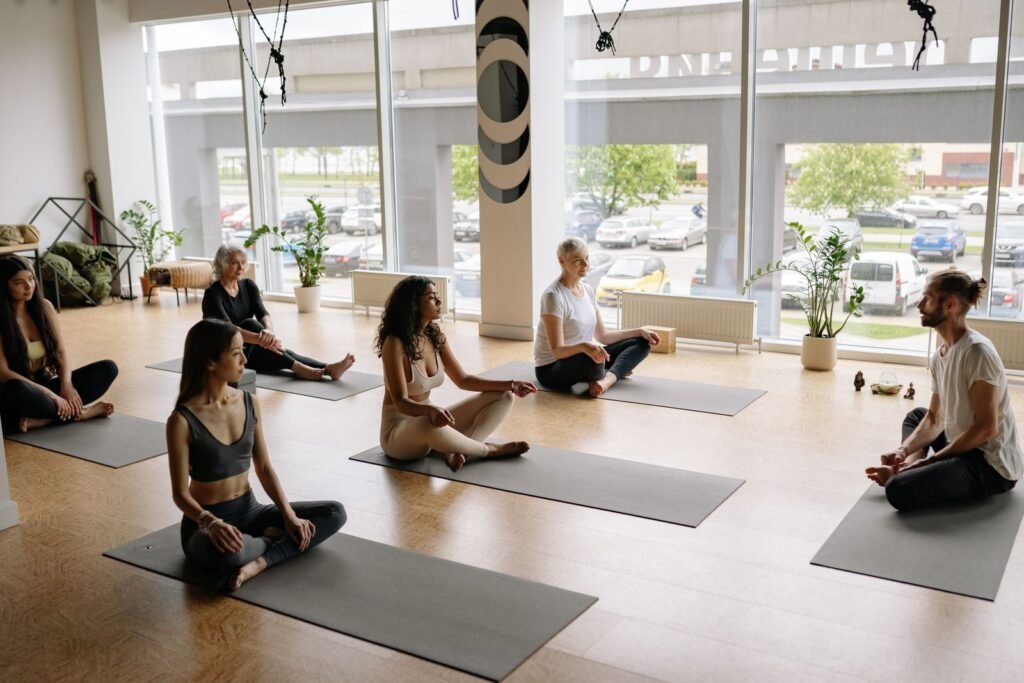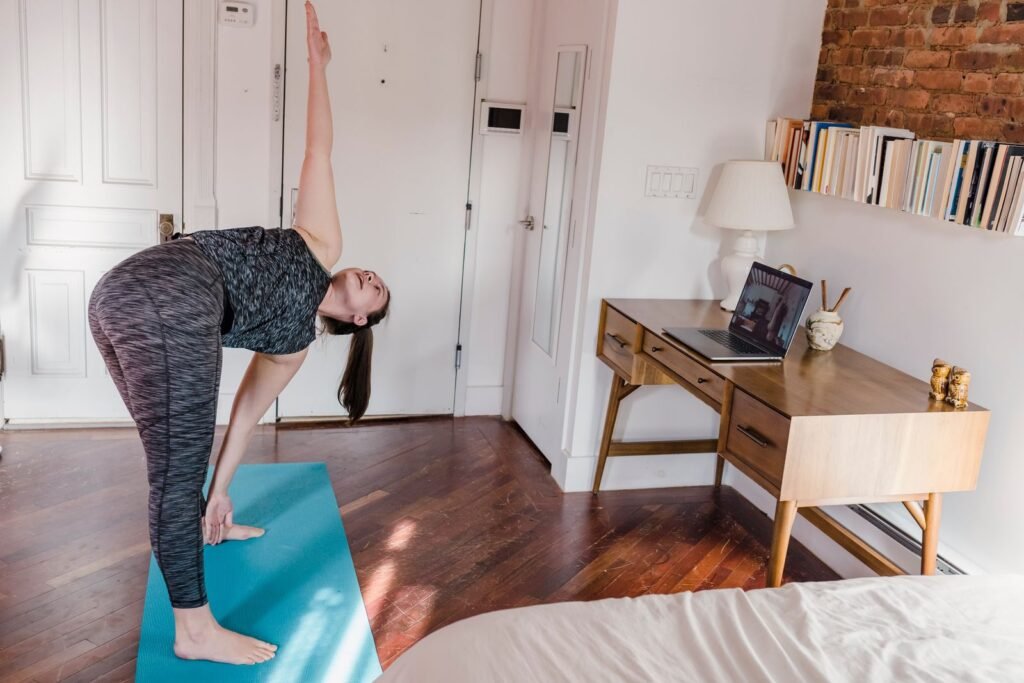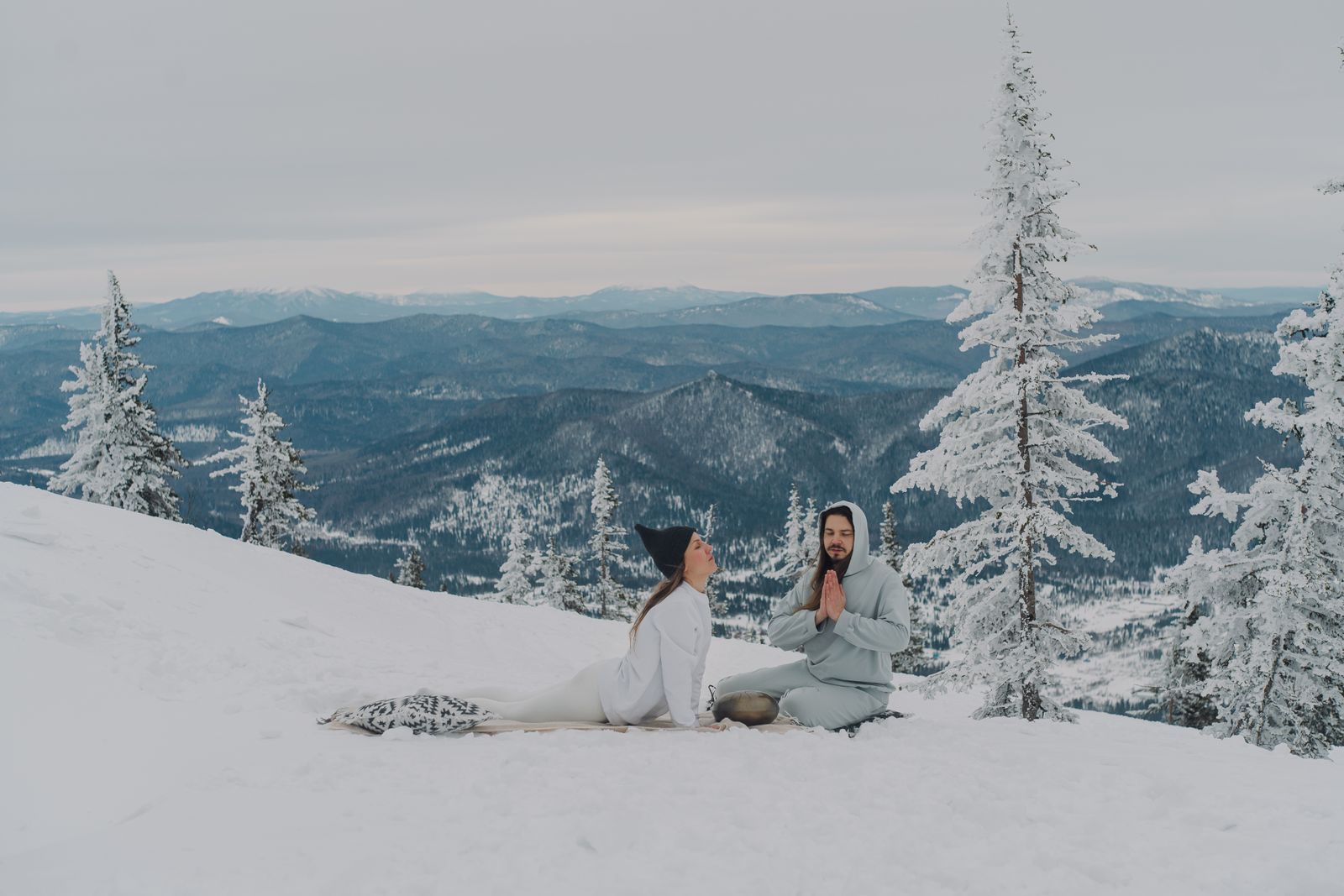
Yoga for winters is a season-adapted practice that emphasizes warming, grounding, and immunity-supportive movement to counter the cold, stiffness, and low energy that colder months bring. It typically means slower sun salutations to build internal heat, standing poses to improve circulation, twists to aid digestion, backbends to open the chest and lungs, and longer holds in restorative postures to calm a nervous system that often feels more anxious or sluggish when daylight shrinks. Practiced consistently through winter, it can ease joint stiffness, support respiratory health, and stabilize mood during a season known for lower energy and disrupted sleep.
Why Does Winter Change the Way We Practice Yoga?
Cold weather affects the body in specific, measurable ways. Muscles and connective tissue lose elasticity in lower temperatures, which is why a forward fold that feels easy in July can feel tight and resistant in January. Blood tends to pool toward the body’s core to protect vital organs, leaving hands and feet colder and stiffer. Many people also move less overall in winter, spend more time seated, and get less natural light, all of which compound tightness and low mood, similar to the joint stiffness discussed in guides to yoga for back pain. A winter-specific yoga practice responds to this by front-loading warming movement, favoring sustained holds over fast transitions once heat is built, and layering in breathwork that specifically counters the sluggishness of colder months.
What Are the Core Benefits of a Winter Yoga Practice?
A regular winter practice targets four areas that tend to suffer most in cold months: circulation, respiratory capacity, joint mobility, and mood regulation, echoing many of the general benefits of yoga that are simply more noticeable when the season works against you. Dynamic sequences raise heart rate and push blood into the extremities, which is why many practitioners notice warmer hands and feet within ten to fifteen minutes of practice. Chest-opening poses counter the shallow, guarded breathing pattern that cold air and hunched shoulders encourage. Twists and gentle inversions are commonly used to support digestion and lymphatic flow, both of which can slow down when daily activity drops. And the combination of movement, breath, and time on the mat is widely associated with better mood stability during a season linked to seasonal low mood in many people.
How Should You Warm Up Before a Cold-Weather Practice?
Warming up matters more in winter than in any other season. Cold muscles are more prone to strain, so rushing into deep stretches without preparation is a common mistake. Start with five minutes of joint rotations at the wrists, ankles, shoulders, and hips. Follow with two to three rounds of slow Cat-Cow to mobilize the spine, then move into a gentle Sun Salutation A, keeping the pace unhurried so the breath leads the movement rather than the other way around. Only after this warm-up should you move into deeper backbends or forward folds. If you’re new to structuring a home practice, a beginner’s guide to yoga can help you build a sound warm-up sequence you can adapt for every season.
Which Yoga Poses Generate the Most Body Heat?
Certain poses are especially effective for building internal warmth because they engage large muscle groups and require sustained effort. Chair Pose (Utkatasana) fires the quadriceps and glutes intensely within seconds. Warrior I and Warrior II hold the legs in a deep lunge that keeps blood flowing to the lower body. Sun Salutations, performed as a flowing sequence rather than static holds, are one of the fastest ways to raise core temperature because they combine strength, mobility, and breath in constant motion. Plank and its variations recruit the core and shoulders, both of which tend to feel weaker in cold weather, and pair well with the strength-building focus covered in yoga for strength and flexibility. For a deeper breakdown of how sequencing style changes the intensity and heat generated, it’s worth comparing a dynamic vinyasa yoga flow against a slower, more static practice.
Which Poses Support Breathing and Lung Health in Winter?
Cold, dry air is harder on the respiratory system, and many people notice more congestion or shallow breathing in winter. Backbend-focused poses such as Camel Pose, Cobra Pose, and Bridge Pose physically expand the chest cavity and counter the rounded, protective posture that cold weather encourages. Fish Pose is particularly useful for opening the upper chest and throat. Pairing these poses with slow, deep breathing rather than shallow breaths reinforces lung capacity over time. If respiratory wellness is a specific goal, exploring dedicated yoga for lung health sequences can add useful structure beyond a general winter routine.
How Can Pranayama Help You Handle Cold and Low Energy?
Breathwork, or pranayama, plays an outsized role in winter practice because it directly affects internal temperature and alertness. Kapalabhati (skull-shining breath) is a rapid, forceful exhale technique commonly used to generate heat and clear the sinuses, which is especially useful during cold and flu season. Bhastrika (bellows breath) works similarly but with fuller inhales and exhales, building energy quickly when winter mornings feel sluggish. On the calming end, Nadi Shodhana (alternate nostril breathing) is often used in the evening to balance the nervous system after a long, dark day. Beginners should learn these techniques slowly and never force the breath; a short daily practice of five to ten minutes is generally enough to notice a difference in energy and warmth, and it complements the calming techniques covered in yoga for stress relief.
Does Yoga Actually Support Immunity During Cold and Flu Season?
Winter is when colds, flu, and general fatigue peak, and many practitioners turn to yoga specifically hoping it will help. While yoga is not a substitute for medical care or vaccination, research on stress reduction suggests that consistent practice can lower cortisol levels and support a more balanced immune response, since chronic stress is known to suppress immune function. Twisting poses such as Seated Spinal Twist are commonly cited as supportive of digestive and lymphatic movement, which some practitioners find helps them feel more resilient during flu season. The most reliable immune-supportive habits remain consistent sleep, hydration, and movement, all of which a regular winter practice naturally reinforces, alongside the broader wellness habits explored in yoga for immunity.

How Should You Adapt a Restorative Practice for Winter Evenings?
Shorter days and longer nights make winter an ideal season for restorative yoga, which uses props like bolsters, blankets, and blocks to support the body in passive, long-held poses. Poses such as Legs-Up-the-Wall, Supported Child’s Pose, and Reclined Bound Angle Pose are held for three to ten minutes each, allowing the nervous system to shift from a stressed, alert state into a calmer parasympathetic state. This is particularly valuable in winter when the body’s natural melatonin production increases with reduced daylight, often leaving people feeling both tired and wired at the same time. Building a wind-down routine around restorative postures pairs naturally with a broader self-care yoga routine, which extends the benefits of the mat into daily habits like sleep hygiene and mindful evening rituals, and with the sleep-focused sequences in yoga for better sleep.
How Does Winter Yoga Compare to a Summer Practice?
The underlying poses may stay the same across seasons, but the emphasis shifts considerably between a yoga for summer routine and a winter one, since the goal in hot months is to release excess heat rather than generate it. Understanding this contrast helps explain why the same 60-minute class can feel completely different depending on the time of year, and why adjusting your practice seasonally, rather than running an identical routine year-round, tends to produce better results.
| Focus Area | Winter Yoga | Summer Yoga |
|---|---|---|
| Primary goal | Generate and retain internal heat | Release excess heat and stay cool |
| Pranayama style | Heating breath, such as Kapalabhati and Bhastrika | Cooling breath, such as Sheetali |
| Pacing | Warmer, faster start, then longer holds | Gentler pacing to avoid overheating |
| Pose emphasis | Longer backbend holds to counter hunched posture | Hydration-focused, lower-intensity sequencing |
How Can You Build Warmth Without a Heated Studio?
Not everyone has access to a heated yoga room, and many people practice at home where the temperature is harder to control. Layering matters more than most people expect: wearing warm socks until the practice generates enough heat to remove them, and keeping a light long-sleeve layer on during the warm-up phase, both help the body conserve energy that would otherwise go toward staying warm. Practicing on a thicker mat or a rug also reduces heat loss through contact with cold floors. Increasing the ratio of standing poses to floor poses in the first fifteen minutes builds internal heat faster than starting seated, which is a common mistake in home practice during winter.
What Role Does Diet and Ayurveda Play in a Winter Yoga Routine?
In Ayurvedic tradition, winter is associated with the Vata and Kapha doshas, characterized by qualities of cold, dryness, and heaviness. This framework suggests favoring warm, moist, and grounding foods, such as soups, stewed fruits, and warming spices like ginger and cinnamon, alongside a physical practice that also grounds and warms the body. While Ayurvedic dosha theory is not a clinically validated medical system, many yoga practitioners find that pairing warm, simple meals with a grounding practice supports how they feel through the season, and this same warming philosophy overlaps with practices explored around yoga during festivals like Diwali and Navratri, where seasonal eating and movement are traditionally connected.
How Does Winter Yoga Support Mental Health and Mood?
Reduced daylight in winter is linked to lower mood for a meaningful portion of the population, sometimes described clinically as seasonal affective disorder. Yoga does not replace clinical treatment for this, but a consistent practice combining movement, breath, and brief mindfulness is commonly used as a supportive habit alongside light exposure and routine. Backbends and heart-opening poses are frequently associated with improved mood and reduced feelings of heaviness, while a short daily meditation after practice can help regulate the disrupted sleep-wake cycle that shorter days often cause. If low mood or fatigue feels persistent rather than mild, it’s worth speaking with a healthcare provider rather than relying on yoga alone.
What Is a Sample 20-Minute Winter Morning Sequence?
A simple, repeatable winter morning flow can look like this:
- 0-2 min: Seated Cat-Cow and joint rotations to wake the spine.
- 2-7 min: Three rounds of Sun Salutation A, performed slowly to build heat.
- 7-12 min: Alternating Warrior I and Warrior II on each side to engage the legs and raise heart rate.
- 12-13 min: Chair Pose to intensify warmth.
- 13-15 min: Camel Pose and Cobra Pose to open the chest and counter hunched winter posture.
- 15-18 min: Kapalabhati breath to build heat further.
- 18-20 min: Stillness in a comfortable seated position.
This sequence is deliberately front-loaded with heat-generating movement and back-loaded with breath and stillness, matching how the body actually responds to cold mornings.
How Can Beginners Start a Winter Yoga Habit Without Feeling Discouraged?
Cold mornings make it tempting to skip practice altogether, and building consistency in winter is genuinely harder than in warmer months. Starting with shorter sessions, ten to fifteen minutes rather than a full hour, removes the biggest barrier to consistency. Practicing at the same time each day, ideally when a room is already warm from heating or morning sun, reduces the friction of getting started. Beginners often benefit from following a structured class rather than improvising, since a guided sequence removes the guesswork of what to do first on a cold, unmotivated morning, much like the habit-building advice in how to build a daily yoga habit. Reviewing the foundational principles in a guide to the types of yoga can also help you choose a style, whether that’s a heating vinyasa flow or a calming hatha class, that actually fits how you want to feel this winter.
Questions People Ask About Yoga for Winters
Is it safe to do yoga in cold weather?
Yes, as long as you warm up properly first. Cold muscles and connective tissue are less pliable, so moving straight into deep stretches raises the risk of strain. A five-to-ten-minute warm-up of joint rotations and gentle flow before deeper poses makes cold-weather practice just as safe as any other season.
What is the best time of day for winter yoga?
Morning practice is popular for building energy and warmth before a cold day, while evening practice using restorative poses helps the body wind down as daylight fades early. Both are effective; the better choice depends on whether your main winter challenge is low morning energy or disrupted evening sleep.
Can yoga help with winter weight gain?
Yoga can support weight management indirectly by improving movement consistency, reducing stress-related eating, and building muscle engagement through poses like Chair Pose and plank variations. It works best alongside mindful eating and regular activity rather than as a standalone solution for winter weight changes.
Should I practice yoga if I have a winter cold?
With mild symptoms like a light cold, gentle practice or restorative poses are usually fine and may help with circulation and stress relief. With fever, body aches, or flu symptoms, it’s best to rest fully and return to practice once acute symptoms have passed, rather than pushing through intense sequences.
Do I need special equipment for winter yoga at home?
No special equipment is required, though a thicker mat, warm socks for the warm-up phase, and a blanket for restorative poses all make cold-weather home practice more comfortable. A warmer room, even briefly heated before you begin, also makes a noticeable difference in how quickly your body loosens up.
How is winter yoga different from a regular yoga class?
The poses are largely the same, but winter sequencing emphasizes heat-building movement earlier, favors heating pranayama like Kapalabhati over cooling breath, and often extends restorative holds to counter shorter days and disrupted sleep. The intent shifts from cooling and releasing, common in summer classes, to warming and grounding.
Try This for Yourself
The fastest way to feel the difference a season-adapted practice makes is to try one guided by someone who understands how to adjust pacing, heat, and breathwork for cold weather. Explore FitStrot’s online yoga classes to join a live, structured winter practice designed to build warmth, ease stiffness, and support your energy through the colder months, from wherever you’re practicing.
Related reading: self-care yoga routine, yoga for summer, yoga during festivals like Diwali and Navratri, beginner’s guide to yoga, and FitStrot’s online yoga classes.