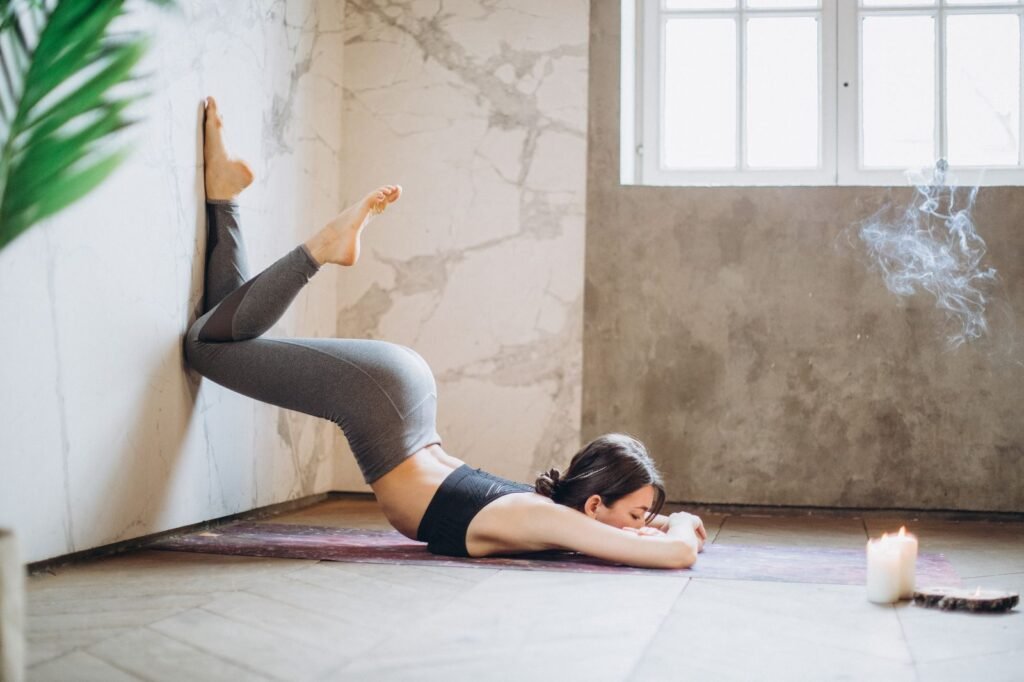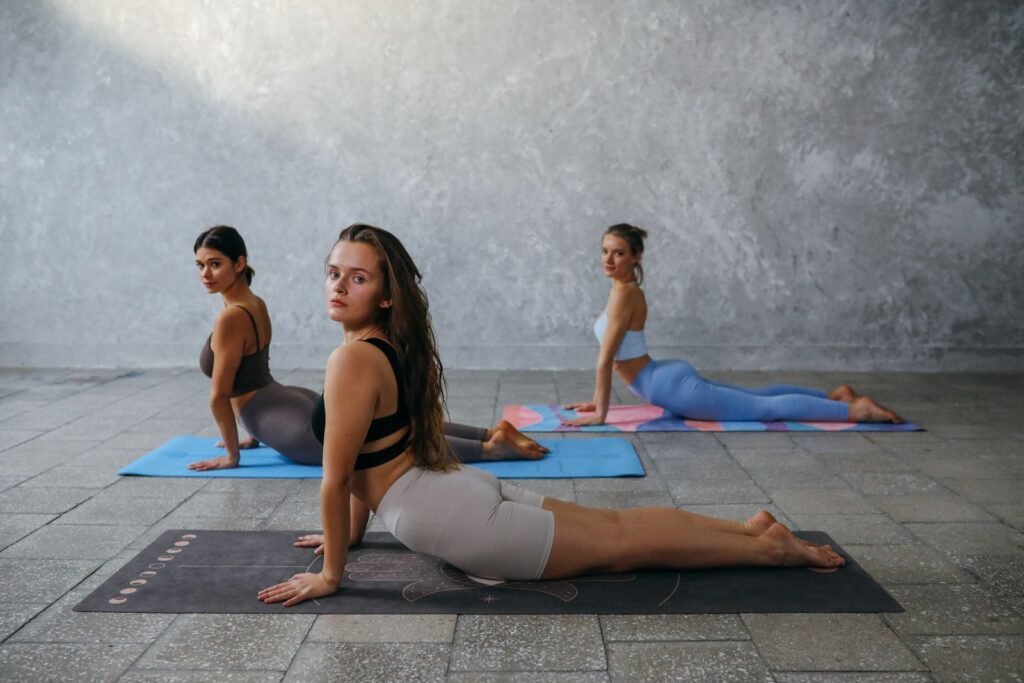
Yoga for runners is a set of targeted stretches, hip-opening poses, and controlled-breathing practices designed to counter the tightness, muscle imbalances, and impact stress that running creates in the hips, hamstrings, calves, and lower back. Unlike a general yoga class, a runner-focused practice emphasizes deep hip flexor and hamstring release, single-leg balance work that mirrors running’s one-foot-at-a-time mechanics, and gentle spinal extension to offset the forward-hunched running posture. Most runners see looser strides, fewer nagging aches, and better recovery within two to three weeks of practicing 15-20 minutes, two to three times a week, ideally on rest days or the evening after an easy run.
Why Do Runners Need Yoga?
Running is a repetitive, single-plane movement. Every stride loads the same muscles in the same direction thousands of times per run, which builds strength in the quads, calves, and hip flexors but does almost nothing for the muscles that stabilize your hips sideways or rotate your spine. Over months and years, this imbalance shows up as tight hip flexors, weak glutes, stiff thoracic spine, and shortened hamstrings and calves. Yoga addresses exactly this gap: it moves joints through ranges running never touches, strengthens stabilizer muscles that a straight-ahead stride ignores, and builds the kind of body awareness that comes with the wider benefits of yoga, helping you notice a form breakdown before it becomes an injury. It pairs especially well with yoga for athletes more broadly, since the same underlying logic — counterbalancing sport-specific repetitive stress — applies whether you’re a runner, cyclist, or swimmer.
What Are the Best Yoga Poses for Runners?
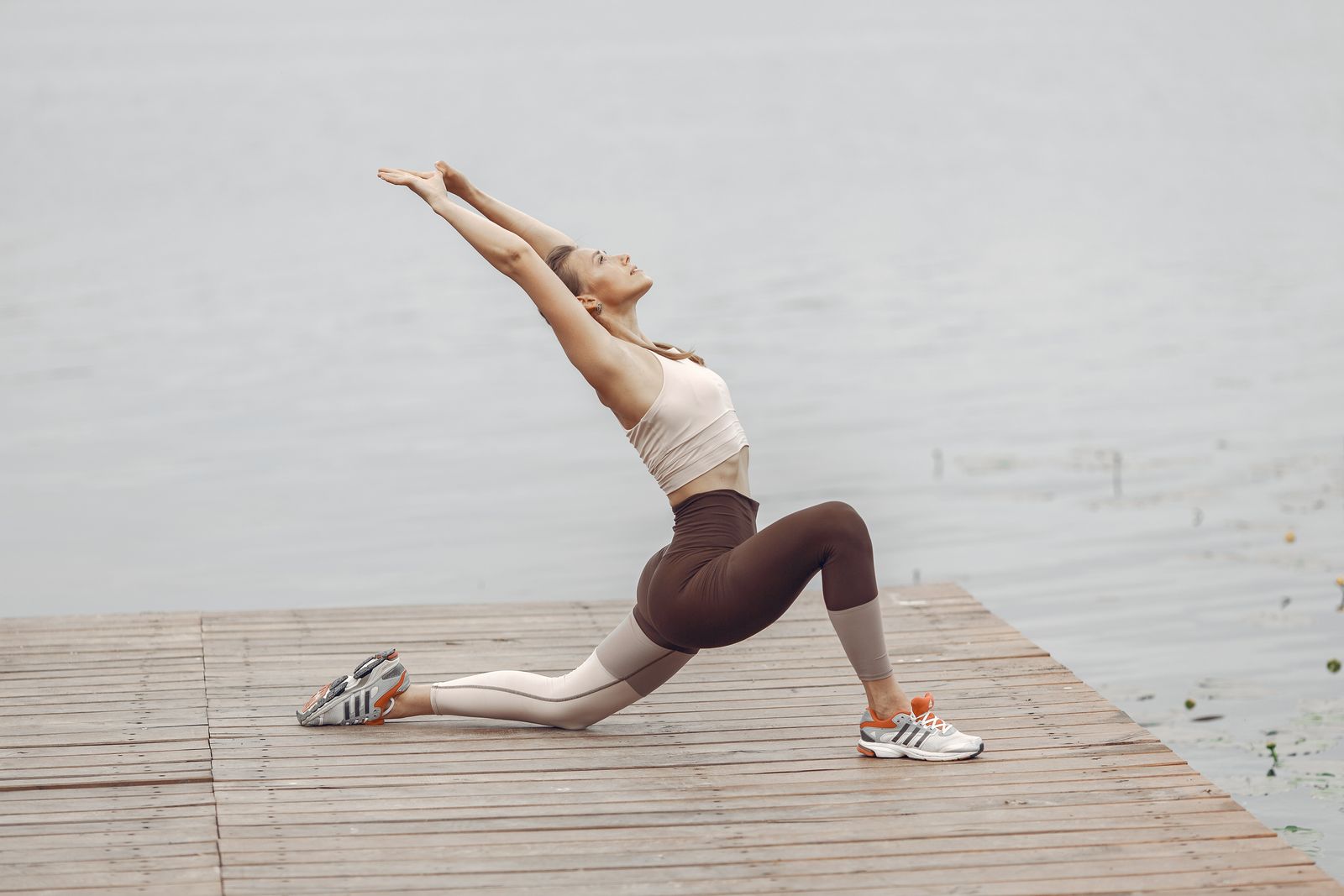
A handful of poses consistently show up in runner-specific sequences because they target the muscle groups running stresses most: hip flexors, hamstrings, calves, IT band, and glutes. Low lunge (Anjaneyasana) opens the hip flexor and quad of the back leg, which tightens from the forward drive phase of your stride. Pigeon pose (Eka Pada Rajakapotasana) is widely considered one of the deepest hip openers available and directly targets the piriformis and outer hip rotators that runners often feel as a deep ache near the glute. Downward-facing dog stretches the calves, hamstrings, and Achilles tendon simultaneously while also decompressing the spine. Standing forward fold (Uttanasana) lengthens the hamstrings and calves passively, using gravity rather than active muscle work. Reclined figure-four gives a gentler, floor-based alternative to pigeon for anyone with cranky knees. Each of these poses appears in more detail in a broader library of yoga poses, but runners get the most benefit from repeating this specific short list consistently rather than chasing variety.
What Are the Best Yoga Stretches for Runners After a Run?
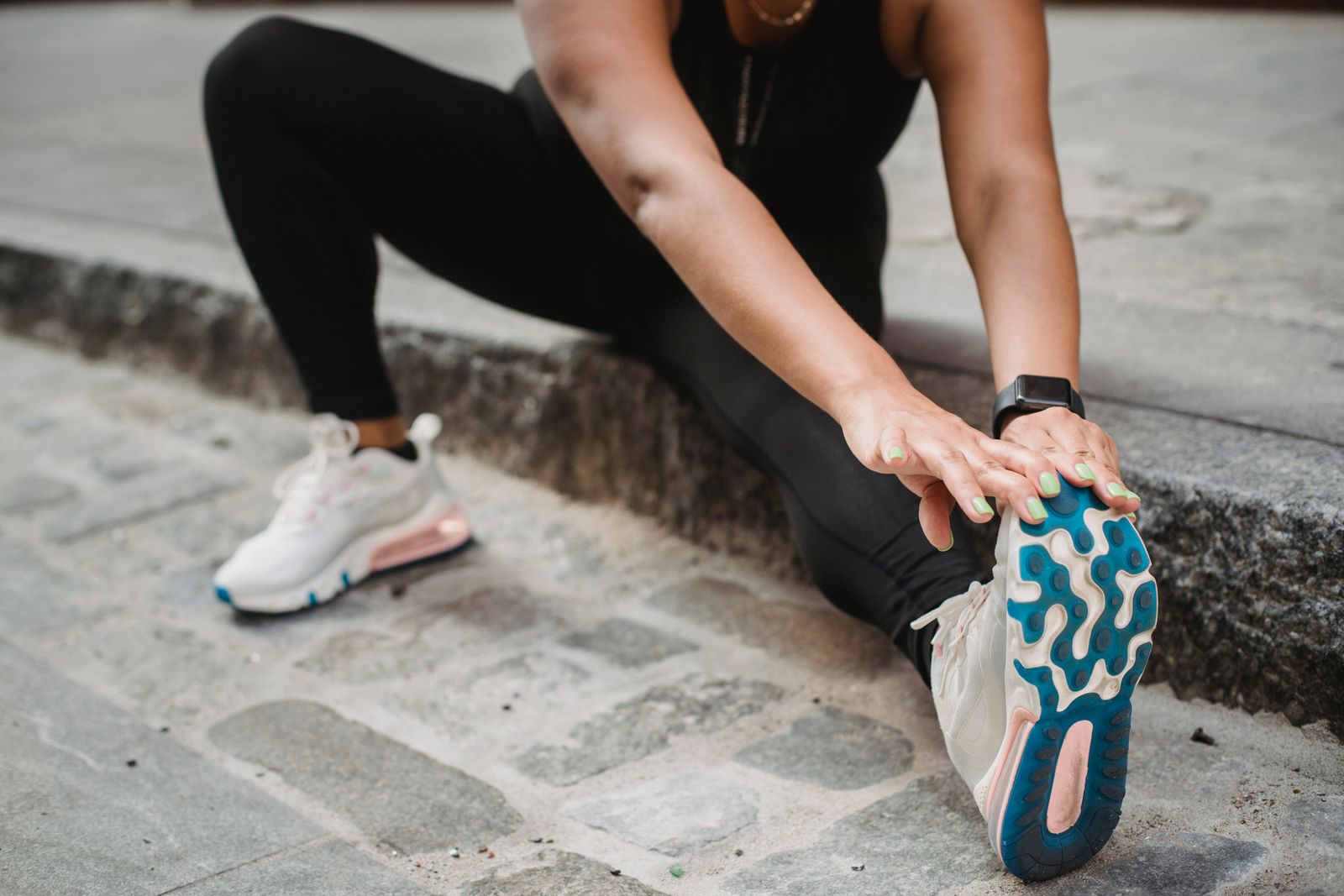
Post-run stretching works best when muscles are still warm, so the ideal window is within 10-15 minutes of finishing. Start with a standing quad stretch, holding each side for 30-45 seconds while keeping the standing knee soft. Move into a low lunge with the back knee down, sinking the hips forward to release the hip flexor without straining the lower back. Follow with a seated or standing hamstring stretch, keeping the spine long rather than rounding forward from the shoulders. Finish with a calf stretch against a wall or curb, bending the back knee slightly to also reach the soleus muscle deeper in the calf. This four-stretch sequence takes under ten minutes and covers the muscle groups that tighten fastest after a run: quads, hip flexors, hamstrings, and calves, in that order from front of the body to back.
Should Runners Do Yoga Before or After a Run?
The honest answer is different practices for different times. Before a run, dynamic movement beats static holds: a few rounds of low lunge with gentle pulsing, leg swings, and a dynamic downward dog to child’s pose flow warm up the hips and hamstrings without the temporary strength loss that research on stretching has repeatedly linked to prolonged static holds before explosive activity. After a run, static stretching is the better tool, since muscles are warm and the goal shifts from activation to lengthening and calming the nervous system down from an elevated heart rate. If you only have time for one session, prioritize the post-run practice, since that’s when yoga does the most to prevent the stiffness that builds into overuse injuries like IT band syndrome or plantar fasciitis.
Can Yoga Improve Running Performance?
Yoga’s biggest performance contribution isn’t flexibility for its own sake, it’s the combination of better hip mobility, stronger core stabilizers, and improved breath control, all of which translate into a more efficient stride. A runner with tight hip flexors compensates with a shorter stride and more vertical bounce, which wastes energy on every step. Opening that range through consistent hip work lets the glutes fire more effectively, which is where real forward propulsion comes from. Core-focused poses like plank, boat pose, and side plank build the trunk stability that keeps your pelvis level during single-leg stance phases of your gait, reducing the side-to-side wobble that leaks energy over a long run. None of this happens overnight; most runners who add two consistent yoga sessions a week notice a difference in how their legs feel late in a run within four to six weeks, not immediately.
What Yoga Poses Help With Runner’s Knee?
Runner’s knee, or patellofemoral pain syndrome, is frequently linked to weak or underactive glutes and tight IT bands that pull the kneecap out of its natural tracking groove. Poses that strengthen the outer hip, like tree pose and warrior 2, train the glute medius to keep the knee stacked properly over the ankle during single-leg loading. Reclined figure-four and thread-the-needle target the IT band and outer hip rotators directly, releasing the tension that contributes to lateral knee pain. Bridge pose and its more advanced variation, wheel pose, strengthen the glutes and hamstrings that support proper knee tracking from behind. If knee pain is sharp, sudden, or doesn’t improve with a few weeks of consistent mobility work, that’s a signal to see a physical therapist or sports medicine doctor rather than relying on yoga alone; yoga supports recovery from overuse patterns, it doesn’t replace diagnosis of a structural issue.
How Does Yoga Help Prevent Common Running Injuries?
Most running injuries are overuse injuries, meaning they build slowly from repeated stress on a tissue that never fully recovers between sessions rather than from a single traumatic event. IT band syndrome, plantar fasciitis, shin splints, and Achilles tendinopathy all fit this pattern. Yoga interrupts the buildup by restoring range of motion that running alone never provides, which reduces compensatory movement patterns that overload one structure to protect another. A tight calf that never gets stretched, for instance, forces the plantar fascia to absorb more load with each footstrike, and consistent calf and ankle mobility work through poses like downward dog and ankle-to-knee stretches can ease that specific chain. This is also where a broader yoga for back pain practice overlaps with running recovery, since the lower back frequently compensates for tight hips and glutes that running alone won’t correct.
What Breathing Techniques Help Runners?
Breath control, or pranayama, is one of the most underused tools in a runner’s kit. Ujjayi breath, a slightly constricted “ocean-sounding” breath through the nose, is commonly taught as part of pranayama practice to help regulate a steady rhythm during holds, and many runners adapt the same steady, audible nasal breathing pattern to pace their effort during long runs and settle a racing mind before a race start. Diaphragmatic breathing, practiced lying down with a hand on the belly to feel it rise and fall, retrains runners who tend to breathe shallowly into the chest under stress, a habit that limits oxygen exchange and speeds up perceived fatigue. Even five minutes of slow nasal breathing before a run can lower resting heart rate slightly and shift the nervous system out of the fight-or-flight state that pre-race nerves often trigger.
What Is a Good 15-Minute Yoga Routine for Runners?
A simple, repeatable sequence removes the guesswork on busy training days. Move through the steps in order, straight from one into the next:
- Diaphragmatic breathing (2 minutes) — lying on your back, to shift out of a rushed mental state.
- Low lunge with a gentle pulse (2 minutes total, three rounds per side) — opens the hip flexors.
- Downward-facing dog (1 minute) — pedal the heels to stretch the calves one at a time.
- Pigeon pose (90 seconds per side) — releases the glutes and outer hips.
- Supine spinal twist (1 minute per side) — decompresses the lower back.
- Savasana (2 minutes) — lets the nervous system fully downshift.
This entire sequence runs about fifteen minutes and can be done on a mat, a towel, or even grass after an outdoor run.
Is Yoga Enough Cross-Training for Runners, or Should It Be Combined With Strength Work?
Yoga builds mobility, body awareness, and some functional core and stabilizer strength, but it’s not a substitute for dedicated resistance training. Runners who rely on yoga alone often still lack the raw glute, quad, and calf strength that comes from loaded movements like squats, deadlifts, and calf raises, all of which have a stronger direct link to injury resilience and speed than flexibility work by itself. The most effective approach treats yoga and strength training as complementary rather than competing: two days of strength work focused on the posterior chain and single-leg stability, two to three days of running, and two short yoga sessions layered in on rest days or as a cool-down. This combination addresses both sides of the equation, the strength side that yoga doesn’t fully cover and the mobility and recovery side that pure lifting doesn’t address either.
How Is Yoga for Runners Different From Yoga for Cyclists?
Although both fall under sport-specific yoga, the muscle imbalances differ enough that the ideal sequences aren’t interchangeable. Yoga for cyclists and yoga for runners share some poses, but their priorities diverge in a few key ways:
| Focus Area | Yoga for Cyclists | Yoga for Runners |
|---|---|---|
| Posture stressed most | Rounded, aerodynamic riding position | Upright torso with full hip extension |
| Primary opening needed | Chest and shoulders | Hamstrings and calves |
| Hip-related work | Releasing the seated, flexed-hip pedaling posture | Rotational spine work to offset straight-ahead motion |
| Missed if you borrow the other sport’s routine | Chest and shoulder openers | Targeted calf and Achilles work |
A runner borrowing a cyclist’s sequence wholesale will get some benefit from shared poses like pigeon and low lunge, but will miss targeted calf and Achilles work that’s less critical for someone who’s rarely on their toes the way a runner is with every single stride.
What Yoga Style Works Best for Runners?
Restorative and gentle hatha styles tend to suit runners better than fast-paced vinyasa flows, at least on recovery days, because the goal after a hard run is parasympathetic downshift, not another cardiovascular challenge. That said, a slower vinyasa yoga practice can work well on non-running days to build strength and mobility together, since the flowing transitions between poses double as a light functional workout. Yin yoga, which holds passive poses for three to five minutes at a time, is particularly effective for runners because it targets the deep connective tissue and fascia around the hips and IT band that shorter holds don’t fully reach. Whichever style you choose from the many types of yoga available, the deciding factor should be how your legs and hips feel the next day, not which class has the most impressive-sounding name.
Questions People Ask About Yoga for Runners
How often should runners do yoga?
Two to three sessions of 15-20 minutes per week is a realistic, sustainable target for most runners. This is enough frequency to build lasting mobility gains in the hips, hamstrings, and calves without adding so much extra activity that it interferes with running recovery. Runners training for a race can scale down to shorter 10-minute sessions on hard training days and save longer practices for rest days.
Can beginners do yoga for runners even with no yoga experience?
Yes. Runner-focused yoga sequences use simple, well-known poses like low lunge, forward fold, and downward dog rather than advanced arm balances or deep backbends. Beginners should move slowly, use props like a block or strap for tight hamstrings, and stop short of pain in any stretch. A few sessions following a guided beginner yoga poses routine, whether in person or through a structured online class, is usually enough to learn safe form.
Does yoga help with shin splints from running?
Yoga can help by improving ankle mobility and calf flexibility, both of which reduce the repetitive strain on the shin muscles that contributes to shin splints. Poses like downward dog, calf stretches, and ankle circles support this. However, shin splints that persist or worsen usually need a broader fix, including reduced mileage, better footwear, and sometimes a gait assessment, since yoga alone rarely resolves an active case.
Is it okay to do yoga on the same day as a long run?
Yes, and it’s often ideal. A short, gentle static-stretch yoga session in the hours after a long run, once your heart rate has settled, helps ease the muscle tightness that builds during extended time on your feet. Keep the intensity low on these days; this isn’t the time for a challenging flow class, just a focused stretch-and-breathe routine targeting the hips, hamstrings, and calves.
What yoga poses should runners avoid?
There’s no pose that’s universally off-limits, but runners with acute injuries should be cautious with deep knee flexion poses like hero pose if they have runner’s knee, and with deep forward folds if they have an irritated hamstring tendon. The general rule is to modify or skip any pose that reproduces sharp pain rather than a normal stretching sensation, and to ease into hip openers like pigeon gradually rather than forcing the deepest expression on day one.
Try This for Yourself
The fastest way to feel the difference yoga makes in your running is to actually build the habit, not just read about it. FitStrot’s online yoga classes include runner-friendly sequences you can follow from home, guided by real instructors who understand the specific tightness and imbalances that come from training miles on the road or trail. Whether you’re recovering from a marathon block or just starting to add mobility work into your weekly routine, a guided class removes the guesswork of building your own sequence from scratch.
Related reading: yoga poses, yoga for athletes, yoga for cyclists, yoga for back pain, and FitStrot’s online yoga classes.