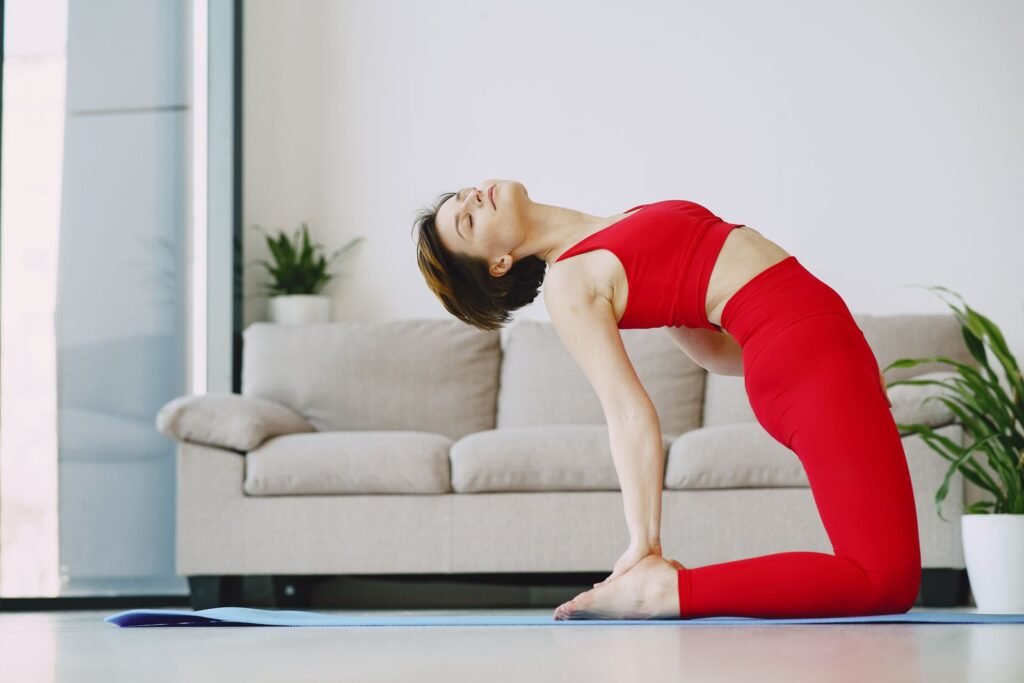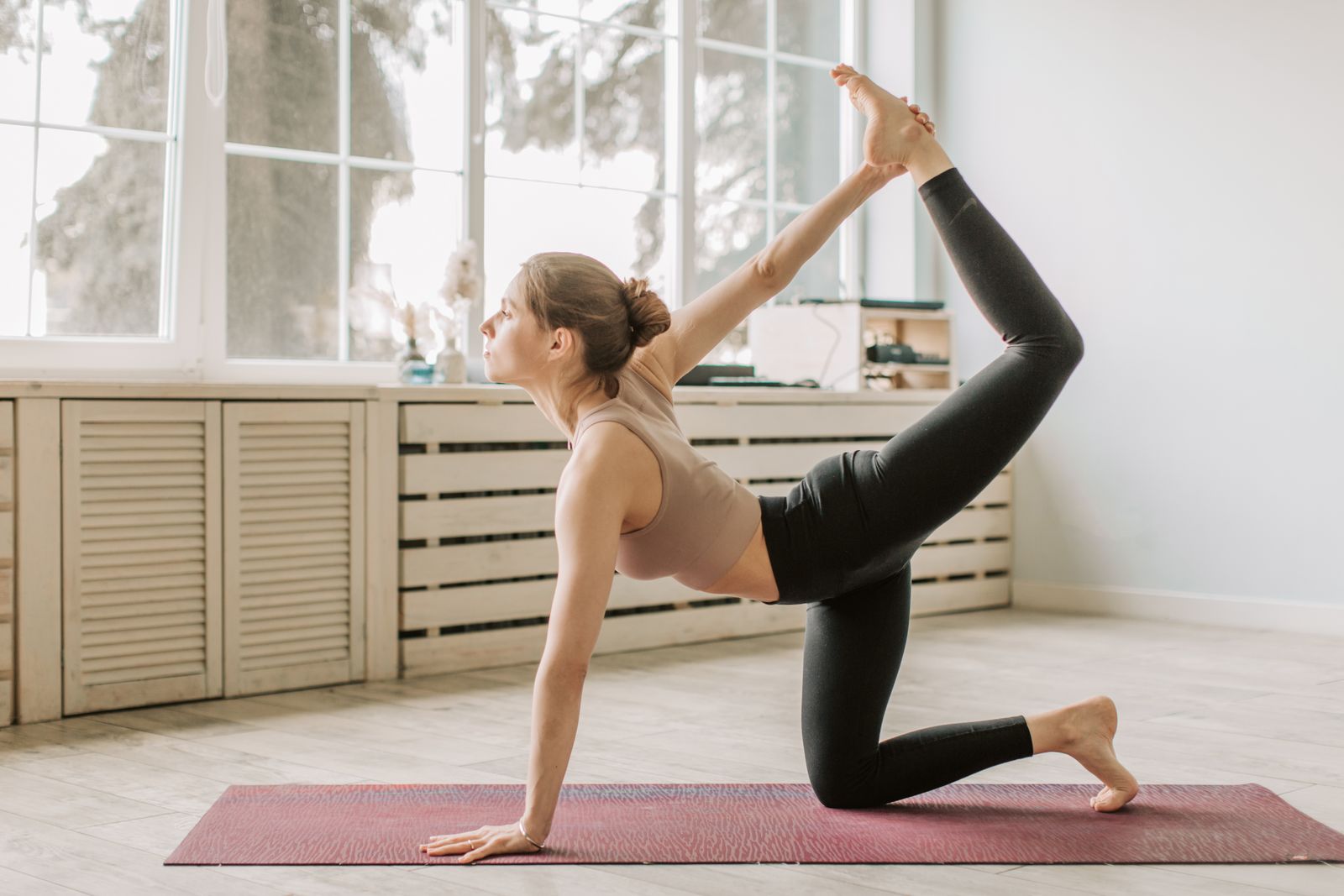
Yoga for PCOD works mainly by calming an overactive stress response and improving circulation to the pelvic region, both of which are closely tied to the hormonal imbalance behind polycystic ovarian disease. It cannot cure PCOD or replace medical treatment, but a consistent routine of hip-opening, forward-folding, and restorative poses is commonly recommended alongside standard care because it targets three of the condition’s biggest drivers at once: chronic stress, poor insulin sensitivity, and irregular sleep. Research on yoga for PCOD is still an emerging field, but several small clinical studies and systematic reviews have reported improvements in menstrual regularity, stress markers, and quality of life among women who practiced yoga consistently for eight to twelve weeks or longer. The most effective approach favors calming, low-intensity poses like Baddha Konasana, Bhujangasana, and Malasana over high-intensity styles, since spiking cortisol further tends to work against the goal.
What Is PCOD, and How Is It Different From PCOS?
PCOD, or polycystic ovarian disease, is a condition in which the ovaries produce immature or partially mature eggs that accumulate as small cysts, often accompanied by irregular periods, weight gain, acne, and excess hair growth. PCOS, or polycystic ovary syndrome, is generally described as a more complex endocrine and metabolic disorder involving hormonal imbalance, insulin resistance, and elevated androgen levels, and it carries a higher risk of long-term complications like type 2 diabetes and cardiovascular issues if left unmanaged. In everyday use, especially across India where the term PCOD is far more common in casual conversation and search behavior, the two labels are frequently used interchangeably, and most yoga-based guidance applies to both. This is why searches for pcod yoga, pcod problem treatment yoga, and yoga for pcod problem tend to surface very similar advice: the underlying mechanisms yoga addresses, stress hormones, pelvic circulation, and insulin sensitivity, overlap heavily between the two conditions. If you have been formally diagnosed with PCOS rather than PCOD, our companion guide on yoga for PCOS covers the same poses with more detail on androgen and metabolic markers specific to that diagnosis.
Does Yoga for PCOD Actually Have Research Behind It?
Yes, though researchers are consistent in noting that the evidence base is still developing and that larger, longer-term trials are needed before yoga can be called a proven treatment for PCOD. Several published studies and systematic reviews have examined structured yoga programs, typically lasting eight to twelve weeks, in women with polycystic ovarian conditions and reported improvements in menstrual cycle regularity, reduced markers of stress and anxiety, and modest favorable changes in some hormonal and metabolic markers compared with no intervention. Some smaller randomized controlled trials have also reported improvements in insulin sensitivity and androgen markers among women who combined yoga with standard care, though sample sizes are often limited and results vary between studies. What research supports more consistently is that yoga improves quality of life, reduces perceived stress, and supports better sleep in women with PCOD, outcomes that matter on their own even before any direct hormonal effect is considered. Taken together, current evidence positions yoga as a reasonable complementary approach to PCOD management rather than a replacement for medical treatment, dietary changes, or prescribed medication.
How Does Stress Worsen PCOD Symptoms?
Chronic stress keeps cortisol elevated, and elevated cortisol interferes with the hypothalamic-pituitary-ovarian axis, the communication loop between the brain and the ovaries that governs ovulation and cycle regularity. When this axis is disrupted, the balance between follicle-stimulating hormone (FSH) and luteinizing hormone (LH) shifts, often described as an elevated LH-to-FSH ratio, a pattern commonly seen in PCOD and PCOS. Stress hormones also worsen insulin resistance, and insulin resistance is one of the central metabolic features that drives excess androgen production and irregular ovulation in polycystic ovarian conditions. This creates a feedback loop: hormonal imbalance causes stress about symptoms like missed periods, acne, or weight gain, and that stress further worsens the underlying hormonal imbalance. Yoga interrupts this cycle mainly through its effect on the parasympathetic nervous system, the body’s “rest and digest” state that lowers cortisol and heart rate. This is the same mechanism explored in depth in our guides to yoga for hormonal imbalance and yoga for stress relief, since so many hormonal conditions share this same stress-hormone feedback pattern.
Which Yoga Asanas Are Best for PCOD?
The most helpful yoga asanas for PCOD are hip-opening, forward-folding, and gently restorative, since they improve blood flow to the pelvic organs while calming rather than overstimulating the nervous system.
- Baddha Konasana (butterfly pose): opens the hips and inner thighs while improving circulation to the ovaries and uterus, and it is consistently named as the single best pcod yoga pose across most clinical and traditional guidance.
- Bhujangasana (cobra pose): gently stimulates the abdominal organs and ovaries through mild backbending compression and release, making it a staple in almost every PCOD-focused sequence.
- Malasana (garland pose, a deep yogic squat): opens the hips and pelvis while improving lower-body circulation and is especially useful for people who sit for long stretches during the day.
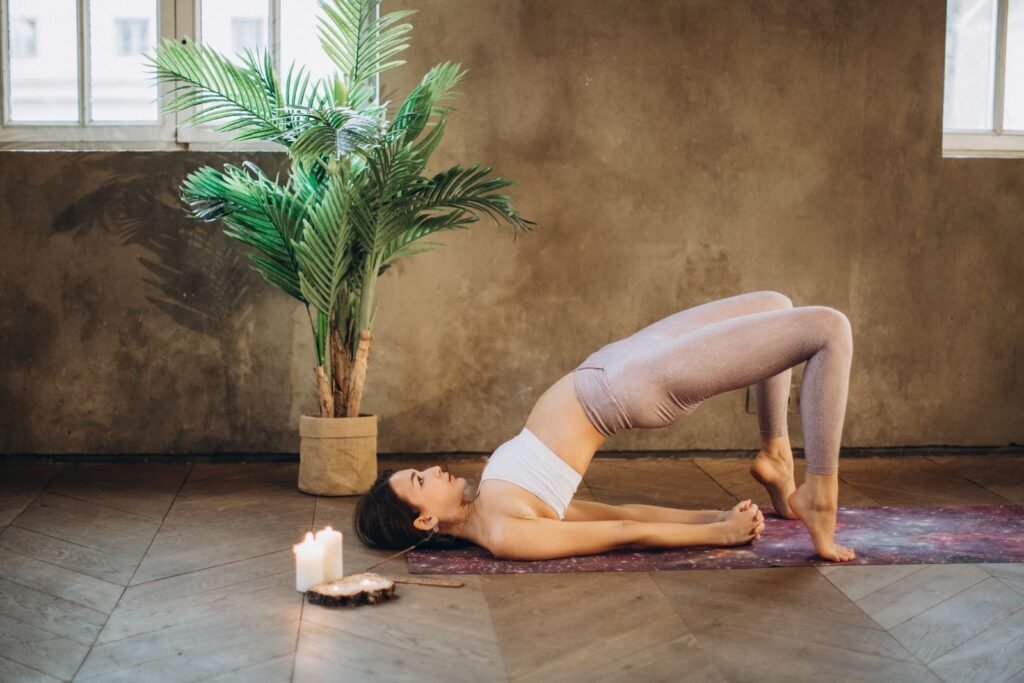
- Setu Bandhasana (bridge pose): stimulates the thyroid and abdominal organs, which is relevant because thyroid dysfunction frequently coexists with PCOD, a connection covered in more depth in our guide to yoga for thyroid.
- Supta Baddha Konasana (reclined butterfly pose): a passive, supported version of the hip-opening posture that works well before bed.
- Pawanmuktasana (wind-relieving pose): supports digestion, which is often affected by the insulin resistance common in PCOD.
- Shavasana (corpse pose): should close any PCOD-focused sequence, since it allows the nervous system to fully recover, and much of the hormonal regulation from a practice actually consolidates during this final rest.

What Does a Simple PCOD Yoga at Home Routine Look Like?
A basic PCOD yoga at home routine can be completed in 20 to 30 minutes with nothing more than a mat, which makes it accessible for anyone managing symptoms without access to a studio or instructor. Start with five minutes of seated breathing, ideally diaphragmatic breathing or Bhramari (humming bee breath), to lower baseline stress before moving into poses. Follow with two to three minutes each of cat-cow stretches to warm the spine, Baddha Konasana to open the hips, Bhujangasana to stimulate the abdominal organs, and Malasana to support pelvic circulation. Add Setu Bandhasana for two minutes to engage the thyroid and core, followed by Pawanmuktasana to support digestion. Close with five to ten minutes of Supta Baddha Konasana or legs-up-the-wall pose, followed by Shavasana. Consistency matters more than duration here: a short daily practice tends to outperform a longer session done once a week, since the nervous system benefits compound with repetition rather than intensity. Anyone newer to the practice may want to first review the broader benefits of yoga or the different types of yoga before committing to a specific sequence.
Can Yoga Help With PCOD Weight Loss?
Yoga can support PCOD weight loss, though indirectly and modestly compared with structured cardiovascular exercise or dietary changes. Because insulin resistance is central to weight gain in PCOD, and because yoga has been shown in some studies to improve insulin sensitivity through stress reduction and gentle movement, a consistent practice can make weight management somewhat easier when layered alongside other lifestyle changes. Dynamic styles like Vinyasa yoga or a well-structured power yoga practice burn more calories than restorative sequences and can be added on alternating days for people whose PCOD symptoms are well controlled and who tolerate higher-intensity movement without flare-ups. For a wider look at how yoga supports body composition generally, our guide to yoga for weight loss covers the poses and sequencing that tend to produce the most consistent results. It is worth setting realistic expectations here: yoga alone is unlikely to produce significant weight loss for PCOD without complementary changes to diet and overall activity level.
Can Yoga Help With Irregular Periods Caused by PCOD?
Yoga for irregular periods and PCOD is one of the most searched aspects of this topic, and the connection is biologically plausible even though results vary from person to person. Because irregular or absent ovulation is a defining feature of PCOD, and because stress hormones directly interfere with the reproductive hormone cascade, poses that reduce cortisol and improve pelvic blood flow are commonly recommended to support more regular cycles over time. Supported backbends, hip openers, and restorative inversions like legs-up-the-wall are typically the focus, rather than intense core work or advanced inversions like headstand, which some practitioners find too stimulating during an already irregular cycle. Most clinical improvements in cycle regularity reported in yoga-and-PCOD research took eight to twelve weeks of consistent practice to appear, so this is not a fast fix. It is a gradual, cumulative approach that works alongside medical evaluation of the underlying cause of the irregularity, not a substitute for it.
What Is the Best Yoga for PCOD Patients With Different Symptom Profiles?
The best yoga for PCOD depends heavily on which symptoms are most prominent, since PCOD presents differently from person to person. For someone whose primary concern is irregular periods, a hip-opening and restorative sequence built around Baddha Konasana, Supta Baddha Konasana, and legs-up-the-wall tends to be the priority. For a pcod yoga patient dealing mainly with weight gain and insulin resistance, adding two to three sessions per week of a moderate-intensity style like Vinyasa alongside the restorative poses tends to produce better metabolic outcomes than restorative practice alone. For someone whose main symptoms are acne, excess hair growth, or other androgen-related changes, the emphasis usually shifts toward consistent stress reduction through pranayama and Shavasana, since androgen levels are heavily influenced by the same stress-hormone pathways discussed earlier in this guide. People managing PCOD alongside a diagnosed thyroid condition should pay particular attention to Setu Bandhasana and other gentle backbends, and should review our dedicated guide to yoga for thyroid for poses that address both conditions together.
How Does Yoga Compare to Other PCOD Management Approaches?
Yoga is best understood as a complementary or adjunct approach rather than a first-line PCOD treatment, meaning it works alongside medical management rather than instead of it. Compared with medication such as hormonal birth control or metformin, yoga has a slower and more modest effect on hormone levels but carries essentially no side effects when practiced gently and consistently. Compared with general cardio exercise, yoga’s advantage is its dual focus on stress-hormone regulation and gentle movement rather than pure calorie expenditure, which matters because cortisol reduction appears to be one of the more significant mechanisms by which yoga affects PCOD symptoms. Compared with strength training, yoga is less effective for building the muscle mass that improves long-term insulin sensitivity, so many practitioners and clinicians recommend combining a PCOD-focused yoga routine with some form of resistance training for the best overall metabolic outcome. People managing related hormonal and metabolic conditions often notice the same principles at work; our guides to yoga for thyroid and yoga for erectile dysfunction both center on the same stress-hormone-circulation triangle that underlies PCOD management, just applied to different endocrine systems.
What Breathing Techniques Help With PCOD?
Pranayama, the yogic practice of controlled breathing, is frequently paired with asana in PCOD-focused routines because it directly targets the nervous system rather than just the muscles. Bhramari (humming bee breath) is commonly recommended for its calming effect on the mind and its ability to lower heart rate quickly, making it useful before bed or during moments of acute stress. Anulom Vilom (alternate nostril breathing) is associated with balancing the sympathetic “fight or flight” response and the parasympathetic “rest and digest” response, which matters given how central the stress-hormone loop is to PCOD. Kapalabhati (skull-shining breath), a more vigorous and energizing technique, is sometimes used to support digestion and metabolism, though it should be introduced cautiously and is generally avoided during menstruation or by complete beginners without guidance. Five to ten minutes of any calming pranayama practice, done daily, is a reasonable starting point for someone new to breathwork as part of a pcod ke liye yoga routine.
What Should a Beginner’s First Month of PCOD Yoga Look Like?
The first month should prioritize building a sustainable habit over perfecting alignment or attempting advanced poses.
- Week one: focus purely on breathing and gentle seated stretches, five to ten minutes daily, to establish the habit and begin calming baseline stress before adding more movement.
- Week two: introduce the core hip-opening poses: Baddha Konasana, cat-cow, and Malasana, each held for two to three minutes.
- Week three: add Bhujangasana and Setu Bandhasana to engage the abdominal organs and thyroid.
- Week four: combine everything into the fuller 20 to 30 minute sequence described earlier in this guide, ideally practiced five to six days a week.
Anyone exploring yoga more broadly during this period might also benefit from a beginner-focused overview like yoga for beginners, which covers pacing and common early mistakes that apply regardless of the specific condition being managed.
What Should You Avoid in Yoga for PCOD?
Certain practices are generally discouraged for people managing PCOD symptoms, particularly around menstruation or during periods of high stress. Inversions like headstand and shoulder stand are commonly advised against during menstruation across most yoga traditions, and some practitioners extend this caution more broadly for PCOD given the hormonal sensitivity involved, though this guidance varies by teacher and tradition. Very intense, heated styles of yoga, such as hot yoga or aggressive power yoga, can spike cortisol in some practitioners rather than lowering it, which may work against the stress-reduction goal that makes yoga useful for PCOD in the first place. Overexertion in general is worth avoiding: PCOD is already associated with elevated stress-hormone sensitivity, so a practice that leaves someone feeling depleted rather than calm is probably too intense for that individual, even if it would be appropriate for someone without the condition. Anyone managing a related condition like high blood pressure should apply similar caution with inversions and intense backbends, since the modifications often overlap.
How Does Yoga Fit Alongside Diet, Sleep, and Other Lifestyle Changes for PCOD?
Yoga works best as one part of a broader PCOD management plan rather than a standalone intervention. Diet plays a central role because insulin resistance is such a common driver of PCOD symptoms, and many clinicians recommend a lower-glycemic, higher-fiber eating pattern alongside any exercise routine. Sleep quality also matters significantly, since poor sleep raises cortisol and worsens insulin sensitivity, creating the same feedback loop that yoga is meant to interrupt. Regular movement beyond yoga, whether walking, swimming, or strength training, supports the metabolic side of PCOD management in ways that yoga alone does not fully address. Practitioners managing PCOD alongside anxiety or low mood often find that combining a PCOD-focused sequence with guidance from yoga for anxiety or yoga for depression resources addresses the mental health dimension that so often accompanies a PCOD diagnosis, since the emotional impact of irregular cycles, acne, or weight changes is a real and underdiscussed part of living with the condition.
Who Should Be Cautious With Yoga for PCOD?
Yoga is generally safe for most people managing PCOD, but a few groups should check with a doctor or a qualified yoga instructor first. That includes anyone who is pregnant or actively trying to conceive under fertility treatment, since some poses and breathing techniques require modification during these periods. People with a diagnosed ovarian cyst complication, severe endometriosis, or any acute pelvic pain should also get individualized guidance before starting deep hip-opening or twisting poses. Beginners with very high stress levels or panic-related anxiety should ease into pranayama gradually, since some breath-retention techniques can initially feel uncomfortable before they become calming. As with any new exercise routine for a diagnosed hormonal condition, yoga should complement, not replace, medical evaluation and any prescribed treatment plan for PCOD.
Questions People Ask About Yoga for PCOD
Can yoga cure PCOD?
No. PCOD is a hormonal condition with metabolic and genetic components, and yoga cannot cure it. Research suggests a consistent yoga practice can meaningfully support symptom management, including stress reduction, cycle regularity, and quality of life, when combined with medical care, diet, and other lifestyle changes. It works as a complementary tool rather than a replacement for treatment.
Which yoga pose is best for PCOD?
Baddha Konasana (butterfly pose) is the most frequently recommended pcod yoga pose because it opens the hips and improves circulation to the ovaries and uterus with very low physical demand. It is considered a foundational pose in most PCOD-focused yoga asana routines and is safe for most beginners to practice daily.
How long does it take for yoga to help with PCOD symptoms?
Most studies on yoga and polycystic ovarian conditions used programs lasting eight to twelve weeks before measuring meaningful improvements in stress markers, cycle regularity, or quality of life. Some people notice reduced stress and better sleep within two to three weeks, but hormonal and cycle-related changes generally take longer and require consistent practice.
Is hot yoga good or bad for PCOD?
Hot yoga is generally not the first recommendation for PCOD, since the heat and intensity can spike cortisol in some practitioners rather than lowering it, working against the calming effect that makes yoga helpful for hormonal balance. Gentle, room-temperature restorative or hatha yoga is more commonly recommended for PCOD management.
Can beginners do PCOD yoga at home safely?
Yes. Beginners can safely start with gentle hip-opening and restorative poses like Baddha Konasana, cat-cow, and legs-up-the-wall at home without supervision. It is best to avoid inversions and intense backbends until you understand your own body’s response, and to consult a doctor first if you have a diagnosed pelvic condition alongside PCOD.
Does yoga help with PCOD-related weight gain?
Yoga can modestly support weight management in PCOD, largely through improved stress regulation and insulin sensitivity, but it is generally less effective for weight loss on its own than combining it with cardiovascular exercise, strength training, and dietary changes targeted at insulin resistance.
Try This for Yourself
Reading about hip-opening poses and breathing techniques is a useful starting point, but real PCOD symptom management through yoga builds through guided, consistent practice rather than a single article. If you want structured support with sequencing, pacing, and breathwork tailored to your specific hormonal profile and schedule, explore FitStrot’s online yoga classes and start building a practice designed around your body’s needs.
Related reading: yoga for PCOS, yoga for thyroid, yoga for weight loss, yoga for hormonal imbalance, and FitStrot’s online yoga classes.