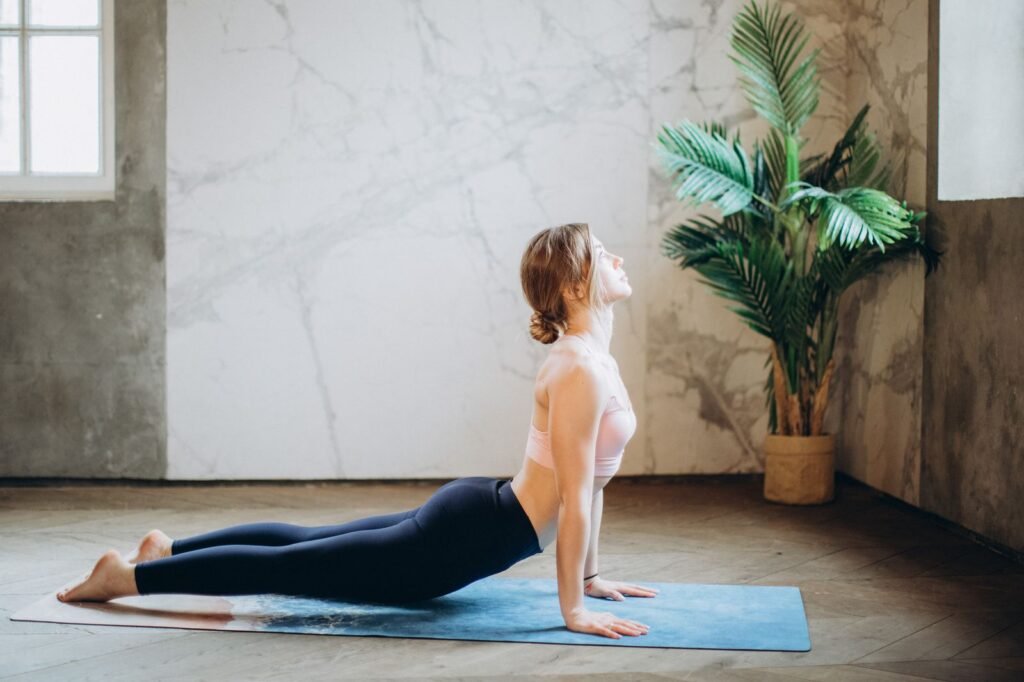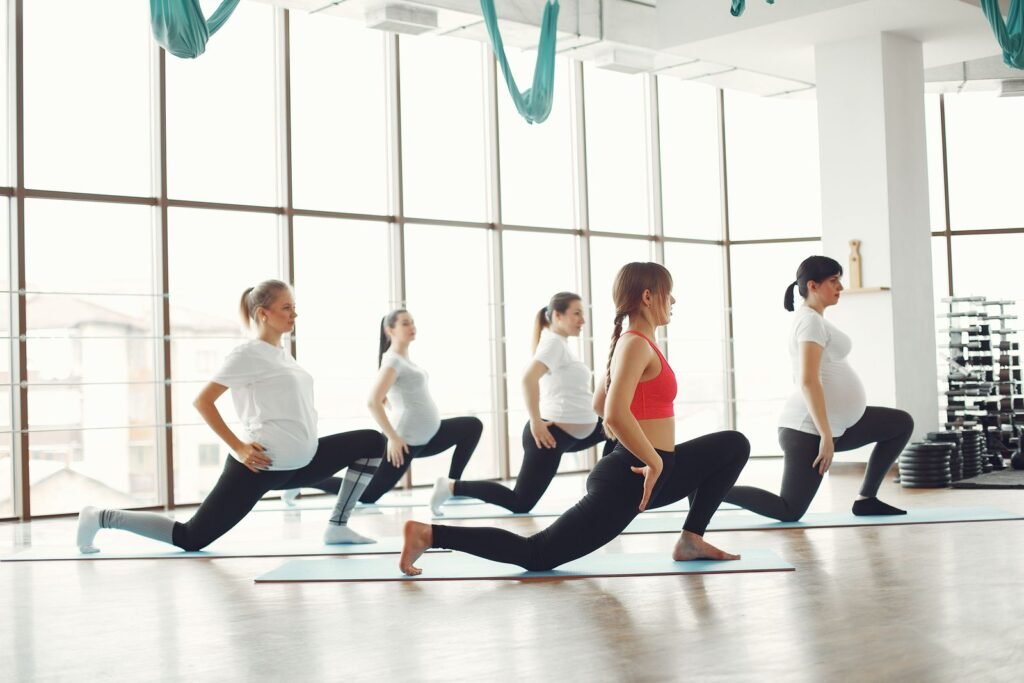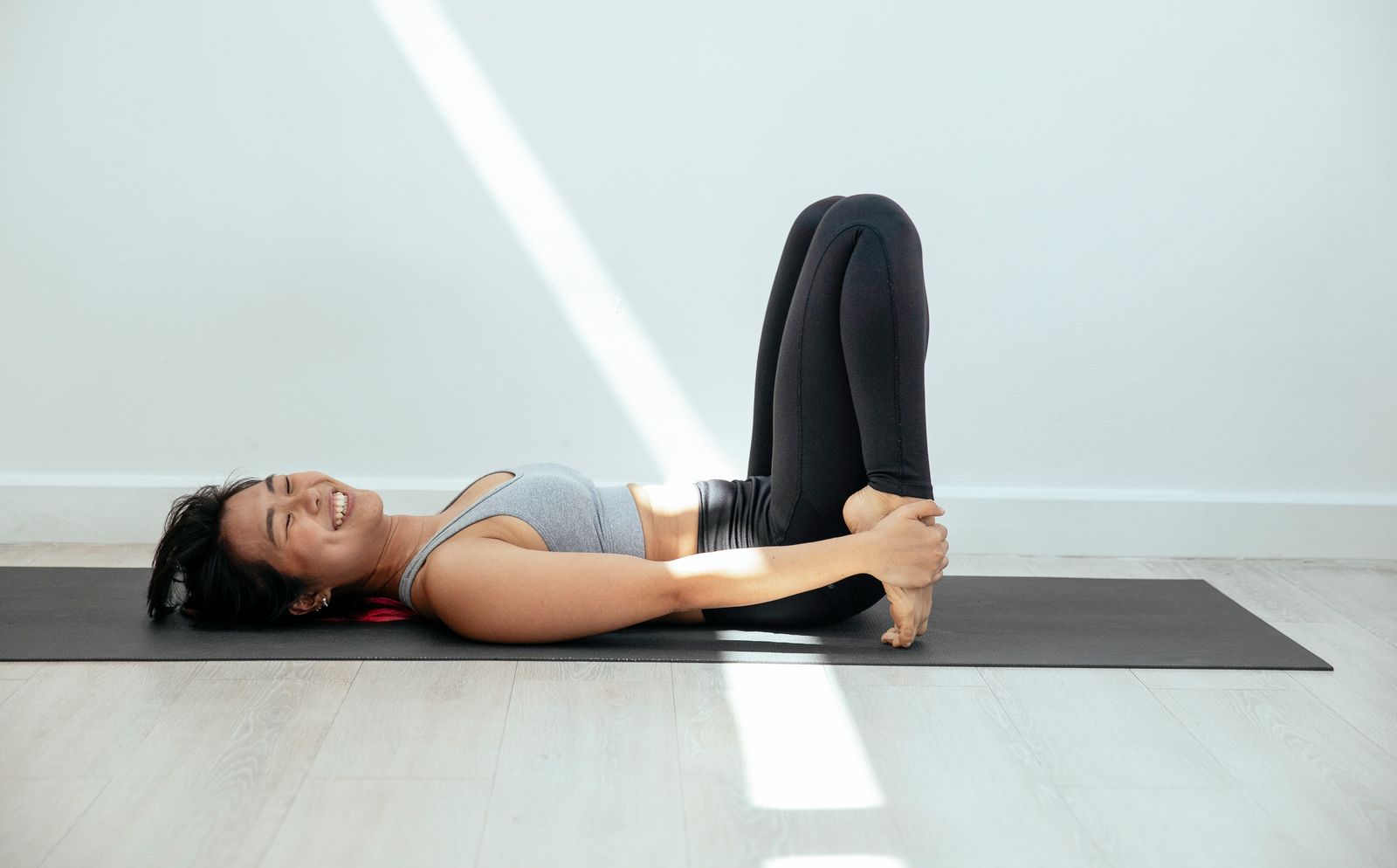
Yoga for irregular periods works by calming the stress response, improving blood flow to the pelvic region, and supporting the hormonal signaling between the brain and ovaries that governs your cycle. Poses like Butterfly Pose, Child’s Pose, Cobra Pose, and Supported Bridge Pose, combined with slow breathing practices such as pranayama, are the most commonly recommended for menstrual irregularity. Yoga is not a replacement for a gynecologist’s diagnosis, but a consistent 20-30 minute practice, 4-5 times a week, is a reasonable, low-risk addition to whatever medical care you’re already receiving, and several small studies suggest it can reduce the stress and cortisol load that often worsens cycle irregularity.
What Counts as an Irregular Period?
A “regular” menstrual cycle typically falls somewhere between 21 and 35 days, counted from the first day of one period to the first day of the next, with bleeding lasting roughly 2 to 7 days. Your cycle is generally considered irregular if it varies by more than 7-9 days from month to month, if periods stop altogether for 90 days or more (outside of pregnancy, breastfeeding, or menopause), if bleeding is unusually heavy or light, or if you’re bleeding between periods. Teenagers in the first few years after their first period and women approaching menopause often have naturally irregular cycles as part of normal hormonal transition, which is a different situation from a previously regular adult cycle that suddenly becomes unpredictable.
Why Does Yoga Help With Irregular Periods?
The menstrual cycle is regulated by a feedback loop between the hypothalamus, pituitary gland, and ovaries, often called the HPO axis. Chronic stress raises cortisol, and elevated cortisol can disrupt the signaling along this axis, which is one documented pathway by which stress contributes to cycle irregularity. Yoga combines physical movement, controlled breathing, and relaxation, all of which are associated with lower stress reactivity. A 2017 systematic review published in the Journal of Alternative and Complementary Medicine looked at 15 studies on yoga and menstrual disorders and found that every included study reported some reduction in menstrual distress symptoms after a yoga intervention, though the review’s authors were careful to note that study designs varied too much to draw firm, universal conclusions. In practical terms, this means yoga is a reasonable, evidence-informed complementary practice, not a guaranteed fix, and it works best as one part of a broader approach that includes proper diagnosis of the underlying cause.
What Actually Causes Irregular Periods?
Before starting any yoga practice, it helps to know that irregular periods have several possible root causes, and yoga addresses some of these more directly than others. Polycystic ovary syndrome (PCOS) is one of the most common causes and involves hormonal imbalances that affect ovulation. Thyroid dysfunction, both underactive and overactive, can also throw off cycle timing. Other contributors include significant weight changes, excessive exercise, chronic stress, perimenopause, certain medications, and uterine conditions like fibroids or polyps. Yoga is most directly useful for the stress-related and lifestyle-related contributors to irregularity; it will not correct a thyroid disorder or dissolve a fibroid, so persistent irregularity should always be discussed with a doctor alongside any yoga practice, especially if you also notice unusual hair growth, acne, unexplained weight changes, or pelvic pain.
Which Yoga Poses Help Regulate Periods?
These are the poses most commonly recommended in yoga therapy for menstrual health, chosen because they either stimulate the pelvic and abdominal region or actively calm the nervous system.
- Baddha Konasana (Butterfly Pose): Sit with the soles of your feet together and knees dropping toward the floor. This gently opens the hips and increases blood circulation to the pelvic and reproductive organs.
- Bhujangasana (Cobra Pose): Lying on your stomach, lift your chest using your back muscles. Cobra stimulates the abdominal organs and is often paired with other back-strengthening poses in a full sequence.
- Setu Bandhasana (Bridge Pose): Lying on your back with knees bent, lift the hips. This pose is thought to stimulate the thyroid gland and improve pelvic blood flow.
- Balasana (Child’s Pose): A resting pose that gently compresses the abdomen and calms the nervous system, useful whenever a sequence feels too intense.
- Supta Baddha Konasana (Reclining Butterfly Pose): A fully supported, reclined version of Butterfly Pose that is one of the most-used poses in restorative yoga for hormonal balance.
- Ustrasana (Camel Pose): A gentle backbend that opens the chest and abdominal region; best attempted once you’re comfortable with basic backbends.
- Viparita Karani (Legs-Up-the-Wall Pose): Lying on your back with legs resting up a wall. This is a deeply calming inversion that supports the parasympathetic nervous system without any strain.
If you’re new to these shapes, it’s worth starting with a structured beginner yoga foundation so your alignment and breath control are solid before adding hormone-focused sequences.
What Are the Best Yoga Asanas for Irregular Periods in a Weekly Routine?
Consistency matters more than intensity when using yoga asanas for irregular periods. A practical weekly structure looks like this: practice a 20-30 minute sequence 4-5 days a week, always including at least one hip-opener (Butterfly Pose), one gentle backbend (Cobra or Camel), one forward fold, and 5-10 minutes of supported relaxation (Legs-Up-the-Wall or Reclining Butterfly). During the days you’re actually bleeding, many teachers recommend swapping inversions and intense backbends for gentler, restorative shapes, since some traditions caution against inverting during heavy flow, though this is more of a comfort-based guideline than a strict medical rule. Pair the physical sequence with 5 minutes of slow breathing at the end, since the breathing component is where much of the stress-reduction benefit is thought to come from.
How Does Breathing Practice (Pranayama) Support Cycle Regularity?
Pranayama, the yogic practice of controlled breathing, is frequently paired with asana in menstrual health routines because slow, diaphragmatic breathing activates the parasympathetic nervous system, the body’s “rest and digest” state that counteracts the stress response. Nadi Shodhana (alternate nostril breathing) and Bhramari (humming bee breath) are two of the most commonly taught techniques for this purpose. A simple practice is 5-10 minutes of slow alternate nostril breathing daily, ideally at the same time each day, since routine itself seems to help regulate the body’s internal clock. If you’re unfamiliar with these techniques, a dedicated pranayama for beginners guide is a useful starting point before combining breathwork with a full asana sequence.
Can Yoga Help With PCOS-Related Irregular Periods Specifically?
PCOS is one of the most common hormonal causes of irregular periods, and it’s also one of the most studied conditions in yoga-for-menstrual-health research. Several small clinical studies on young women with PCOS have found improvements in menstrual regularity, hormone markers, and body composition after structured yoga programs lasting 12 weeks or longer, though sample sizes in this research tend to be small and results vary between studies. If you have a PCOS diagnosis, yoga is best used as a complement to medical management, not instead of it, and pairing a yoga practice with the dietary and lifestyle guidance in a broader yoga for women’s health approach tends to produce more consistent results than isolated pose practice alone.
How Long Does It Take for Yoga to Regulate Periods?
Most of the small studies in this area used practice periods of 12 to 16 weeks before measuring changes in cycle regularity, which is a useful, realistic benchmark to set for yourself. Because a single menstrual cycle can take a month or more to complete, meaningful patterns usually only become visible after tracking at least 3 full cycles. It’s reasonable to expect subjective changes, like better sleep, reduced cramping, and lower stress, well before you see changes in cycle length itself. If you notice zero change in cycle pattern after 4-6 months of consistent practice, that’s a signal to revisit the underlying cause with a doctor rather than extending the yoga trial indefinitely.
Is It Safe to Practice Yoga During Your Period?
Yes, for most people, gentle yoga during menstruation is safe and can actually ease cramping and mood symptoms. The main traditional caution is around full inversions, like headstand or shoulder stand, which some teachers advise avoiding during heavy flow days, though the physiological evidence for this restriction is limited and it’s ultimately a personal comfort decision. During your period itself, favor restorative shapes: Child’s Pose, Reclining Butterfly, gentle twists, and Legs-Up-the-Wall Pose. If you experience painful periods alongside irregularity, a dedicated yoga for periods sequence focused on cramp relief can be practiced alongside your regular cycle-support routine.
What Lifestyle Factors Should Accompany a Yoga Practice?
Yoga works best as part of a broader routine rather than as an isolated fix. Sleep consistency matters because the hormones that regulate ovulation are released on a roughly 24-hour cycle tied to sleep-wake patterns. Moderate, not excessive, exercise supports regularity, since both a sedentary lifestyle and extreme overtraining are independently linked to cycle disruption. Maintaining a stable body weight, since both very low and very high body fat percentages can disrupt ovulation, and managing chronic stress through practices beyond the mat, such as journaling or short daily walks, all compound the benefits of a yoga practice. Combining a hormone-focused yoga sequence with a broader general yoga practice for overall fitness tends to support this lifestyle foundation more sustainably than a narrow, symptom-only routine.
How Does Yoga Compare to Other Styles for Hormonal Health?
Not all yoga styles are equally suited to hormonal and menstrual support. Gentle Hatha and restorative styles, with longer holds and more relaxation, are generally considered more appropriate for cycle-related concerns than fast-paced, heat-building styles. Vinyasa yoga, with its continuous, flowing movement, can be a good complement on non-menstrual days for cardiovascular benefit, but many teachers suggest reducing intensity during the luteal phase (the week or two before your period) when the body’s core temperature naturally rises and energy can dip. Yin yoga, which uses long-held, passive poses, is another strong option for hormonal balance work because it targets the same connective tissue and relaxation response as restorative sequences. Comparing across the full types of yoga available can help you find the style that fits your energy levels through different phases of your cycle.
Should Beginners Approach This Differently Than Experienced Practitioners?
If you’re completely new to yoga, start with foundational alignment and breath awareness before layering in menstrual-health-specific sequencing; trying to hold Camel Pose or a deep backbend without any prior mobility work raises injury risk without adding hormonal benefit. A solid yoga for beginners foundation, built over 2-4 weeks, makes the hip-openers and backbends described above both safer and more effective once you introduce them. Experienced practitioners can move more quickly into longer holds, 3-5 minutes in Reclining Butterfly Pose, for example, since longer holds in passive stretches are what allow the parasympathetic nervous system to fully engage.
Irregular Periods Yoga in Tamil: Is Guidance Available in Regional Languages?
For Tamil-speaking practitioners searching for irregular periods yoga in Tamil, the same core poses apply regardless of the language of instruction, Baddha Konasana, Bhujangasana, Setu Bandhasana, and Viparita Karani remain the foundation, and pose names are typically taught in Sanskrit with regional-language explanation alongside them. Many certified yoga teachers across Tamil Nadu and in Tamil-speaking communities internationally teach menstrual health-focused classes with instruction fully in Tamil, and searching for a certified instructor locally, or through an online yoga class that offers regional-language instruction, is the most reliable way to get pose corrections and safety guidance in your preferred language rather than relying on generic translated pose lists.
When Should You See a Doctor Instead of Relying on Yoga Alone?
Yoga is a complementary practice, not a diagnostic tool, and certain signs mean a doctor visit shouldn’t wait. See a gynecologist if you miss three or more periods in a row without being pregnant, if periods suddenly become much heavier or more painful than your normal pattern, if you’re bleeding between periods or after intercourse, if you notice new hair growth on the face or chest alongside irregularity (a possible PCOS sign), or if irregularity is affecting your ability to conceive. Yoga can be practiced alongside medical treatment for any of these conditions; it should never delay getting a proper diagnosis, since some causes of irregular periods, like thyroid disease or uterine polyps, need direct medical treatment that no yoga sequence can substitute for.
Questions People Ask About Yoga for Irregular Periods
Can yoga alone fix irregular periods?
Yoga can meaningfully support cycle regularity by reducing stress and improving blood flow to the pelvic region, but it cannot resolve underlying medical causes like PCOS, thyroid disorders, or structural uterine issues on its own. Think of yoga as a supportive, low-risk addition to proper medical care rather than a standalone cure, especially if irregularity has lasted more than a few months.
How often should I do yoga for irregular periods?
Most yoga-therapy programs studied for menstrual health used sessions of 20-45 minutes, 4-5 times per week, over a 12-week period or longer. Shorter, more frequent sessions tend to be more sustainable and effective than occasional long sessions, since consistency is what allows the stress-reduction and circulation benefits to compound over multiple cycles.
Which yoga pose is best for hormonal balance?
There isn’t one single best pose, but Butterfly Pose (Baddha Konasana) and its reclined variant are the most consistently recommended across yoga therapy programs for their combination of pelvic circulation and relaxation benefits. Pairing a hip-opener with a gentle backbend like Cobra Pose and a calming finish like Legs-Up-the-Wall Pose covers the three main mechanisms yoga uses to support hormonal health.
Is it okay to do inversions with irregular periods?
Inversions like headstand and shoulder stand aren’t known to worsen irregular periods and are generally considered safe outside of active heavy bleeding days. Some traditional teachings advise against inversions during menstruation itself as a comfort-based precaution, but there’s limited physiological evidence that this is medically necessary; it remains a personal choice best made with guidance from an experienced teacher.
Can stress really cause irregular periods?
Yes, chronic stress raises cortisol levels, which can disrupt the hypothalamic-pituitary-ovarian axis that governs ovulation and cycle timing. This is one of the most well-documented mechanisms by which lifestyle factors affect menstrual regularity, which is also why stress-reduction practices like yoga and breathwork are commonly recommended alongside medical evaluation.
How long before I see results from yoga for my cycle?
Most research on yoga and menstrual regularity tracked participants for 12-16 weeks, roughly 3-4 menstrual cycles, before measuring meaningful change. Give a consistent practice at least that long before evaluating whether it’s helping, while also tracking your cycle with an app or journal so you can spot patterns objectively rather than relying on memory alone.
Try This for Yourself
Reading about poses is a start, but a guided, live class makes it far easier to get alignment, breathing, and sequencing right, especially for hormone-focused practices where the details matter. Join FitStrot’s online yoga classes to work with a certified instructor who can build a menstrual-health-focused routine around your specific cycle and experience level, from your first Butterfly Pose to a full weekly sequence.
Related reading: Yoga for Periods, Yoga for Women, Yoga for Menopause, Yoga for Beginners, and FitStrot’s Online Yoga Classes.