Yoga for face glow works by combining specific facial exercises (often called face yoga) with whole-body yoga asanas that improve blood circulation, reduce stress hormones, and support better oxygen delivery to facial tissue. Poses like Sarvangasana (shoulder stand), Adho Mukha Svanasana (downward dog), and simple facial exercises such as cheek lifts and jaw releases increase blood flow to the face, which can make skin look more flushed, toned, and radiant over time. Results build gradually with consistent daily practice of 10-15 minutes, alongside good hydration, sleep, and diet — yoga is a support system for skin health, not a standalone miracle cure.
What Does “Face Glow” Actually Mean in Yoga Terms?
In the context of yoga, “face glow” refers to skin that looks well-oxygenated, hydrated, and toned rather than dull, puffy, or stressed. It is less about achieving a specific shade of skin and more about circulation, muscle tone, and reduced tension in the face. Yoga approaches this from two angles at once: inversions and twists that send fresh, oxygen-rich blood to the head and face, and targeted facial movements (face yoga) that tone the many small muscles under the skin. Chronic stress tightens the jaw, forehead, and eye muscles, which restricts blood flow and can make skin appear tired. Practices that combine pranayama breathing techniques with gentle inversions address both the circulatory and stress components of dull-looking skin.
How Does Yoga Improve Circulation to the Face?
Inverted and semi-inverted poses reverse the usual direction of blood flow, sending more blood toward the head and face than standing or seated postures do. This temporary increase in blood flow is why people often notice a flush or rosy tone in their cheeks right after a session of shoulder stands or downward dog. Practiced regularly, this repeated circulation boost is believed to support better nutrient and oxygen delivery to skin cells, which plays a role in how fresh and toned skin looks over weeks of consistent practice. This is the same underlying mechanism used in yoga for hair growth, where increased scalp circulation is the connecting factor.
Which Yoga Poses Are Best for Face Glow?
Certain asanas are especially effective because they place the head below the heart or open the chest and throat, both of which support facial circulation.
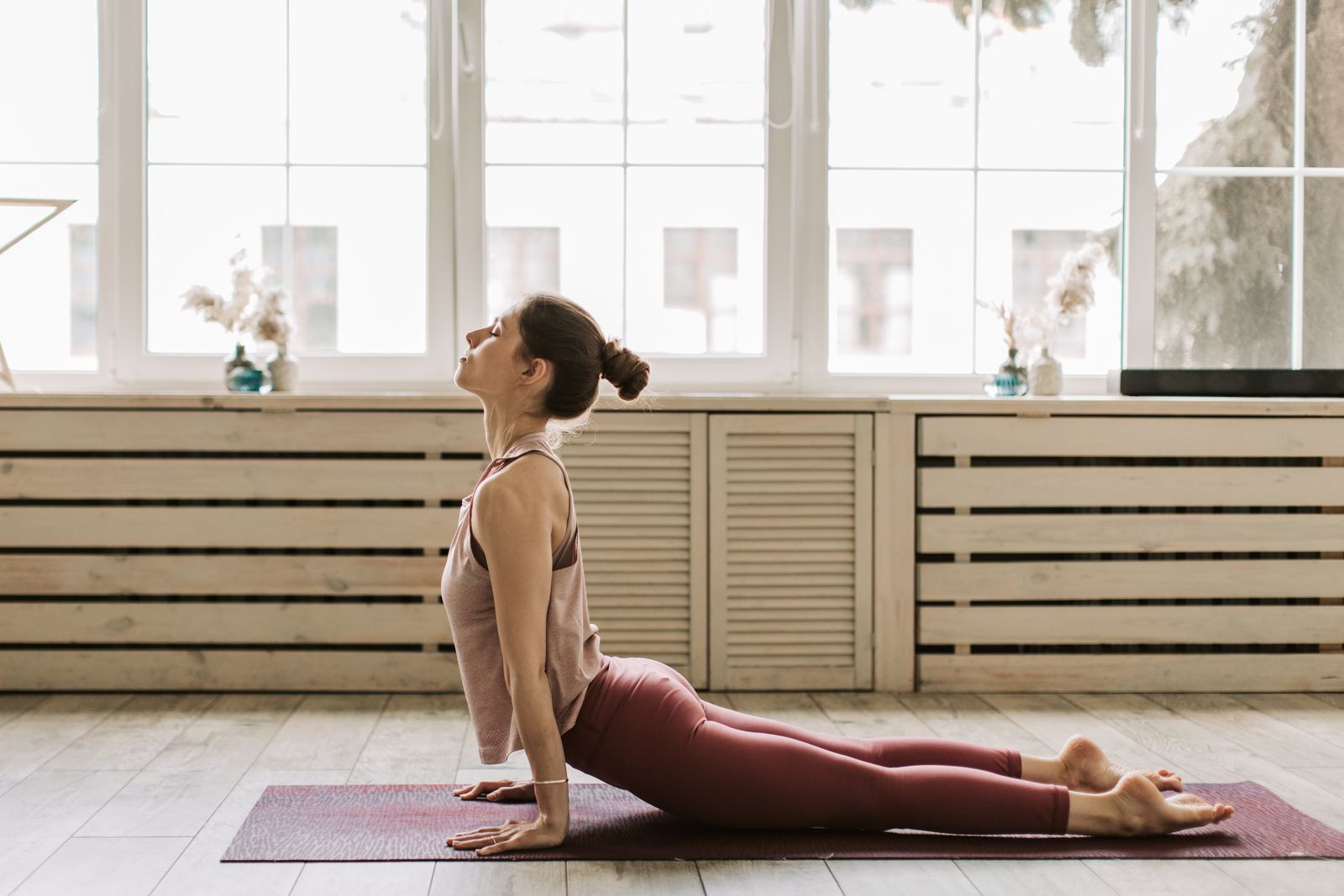
- Adho Mukha Svanasana (Downward-Facing Dog): A gentle inversion that increases blood flow to the face and neck while stretching the spine and hamstrings.
- Sarvangasana (Shoulder Stand): A deeper inversion often called the “queen of asanas” in classical yoga texts, believed to stimulate the thyroid and improve facial circulation.
- Halasana (Plow Pose): Usually practiced after shoulder stand, it extends the inversion benefits while stretching the shoulders and spine.
- Uttanasana (Standing Forward Bend): An accessible inversion alternative that beginners can hold for a minute or two to bring blood to the face without balancing on the shoulders.
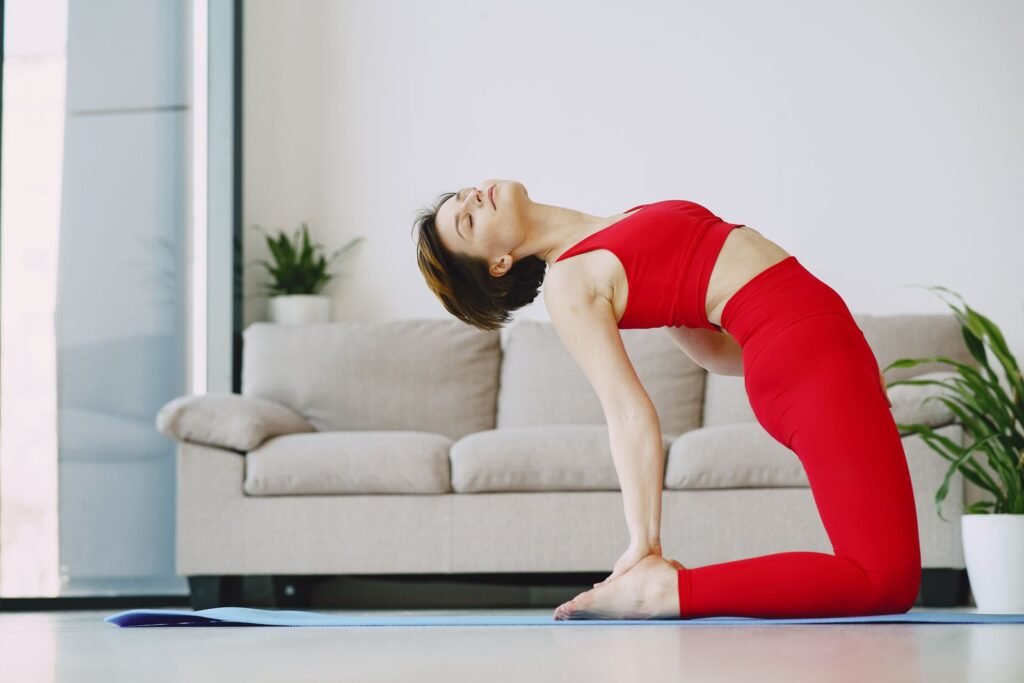
- Ustrasana (Camel Pose): A deep backbend that opens the chest and throat, improving blood flow through the neck toward the face.
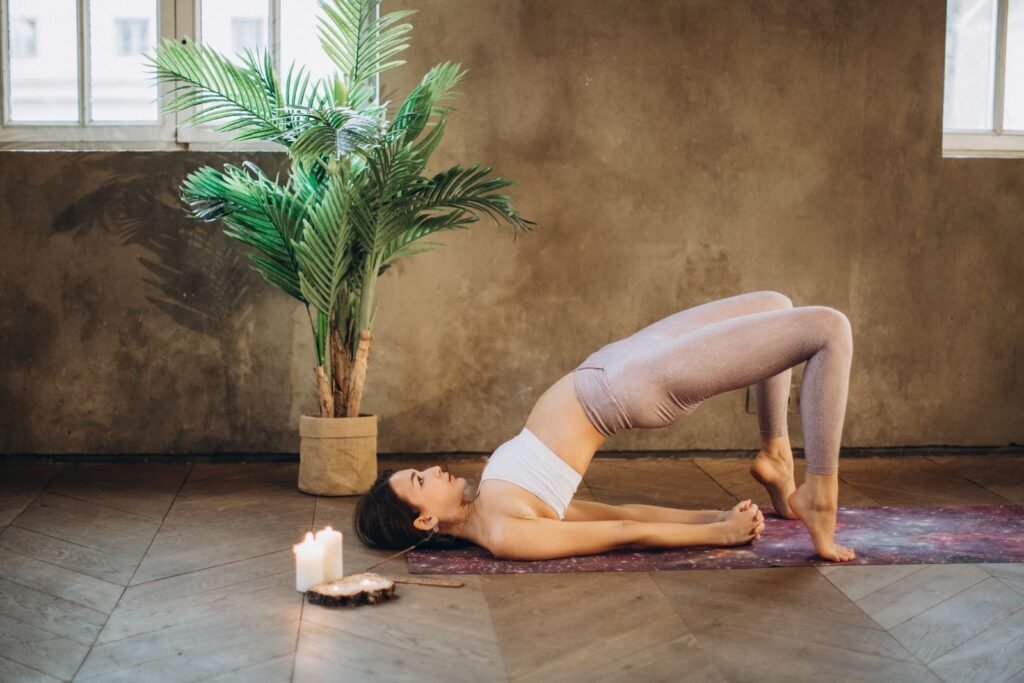
- Matsyasana (Fish Pose): Complements shoulder stand by opening the throat and chest in the opposite direction.
For a broader sequence that builds toward these poses safely, see this beginner yoga sequence before attempting inversions like shoulder stand.
What Are the Best Face Yoga Exercises for Glowing Skin?
Face yoga refers to targeted facial muscle exercises rather than full-body asanas, and the two work well together. Common exercises include the “cheek lifter” (smiling widely while pressing fingertips into the cheeks and holding for 10 seconds), the “lion’s breath” (sticking the tongue out and exhaling forcefully to release jaw and neck tension), forehead smoothing (pressing the palm flat against the forehead and lifting eyebrows against resistance), and jaw release (opening the mouth wide and moving the jaw side to side to loosen tension held from clenching or stress). A 2018 study connected with Northwestern University found that middle-aged women who performed structured facial exercises daily over 20 weeks were rated by observers as looking noticeably more youthful, with fuller upper and lower cheeks — a useful data point suggesting facial exercise can have visible effects on perceived skin appearance, even though it was not a study of yoga specifically.
How Does Yoga Reduce Stress-Related Skin Dullness?
Chronic stress raises cortisol levels, and elevated cortisol is commonly linked to increased oil production, inflammation, and a breakdown of collagen over time — all of which can leave skin looking dull, uneven, or prone to breakouts. Yoga’s breathing techniques and meditative components activate the parasympathetic nervous system, the body’s “rest and digest” state, which counteracts the stress response. Slow, extended exhalations in particular signal the vagus nerve to lower heart rate and stress hormone output. This is why a regular yoga for stress relief practice is often recommended alongside skin-focused poses — the skin benefit is partly a downstream effect of lower baseline stress rather than a direct action on the skin itself.
How Long Does It Take to See Face Glow Results From Yoga?
Most people notice a temporary flush and feeling of freshness immediately after a session involving inversions or facial exercises, but that fades within an hour or two. Visible, lasting changes in skin tone and muscle definition generally take longer and depend on consistency. Practitioners commonly report noticing softer skin texture and reduced puffiness within 2 to 3 weeks of daily practice, with more visible toning and a steadier “glow” appearing around the 8 to 12 week mark, which aligns with the general timeline seen in facial exercise research. Skipping days regularly slows this timeline considerably, since the circulation and muscle-tone benefits are cumulative rather than permanent after a single session.
What Is a Simple Daily Yoga Routine for Face Glow?
A practical 15-minute sequence for face glow does not require advanced flexibility. A workable structure looks like this:
- 2 minutes: Seated pranayama (alternate nostril breathing) to calm the nervous system before moving.
- 3 minutes: Cat-Cow stretches and gentle neck rolls to release tension held in the shoulders and jaw.
- 3 minutes: Downward-Facing Dog, holding for several breath cycles, followed by Standing Forward Bend.
- 3 minutes: Shoulder stand or a supported inversion variation for those newer to the pose, followed by Fish Pose to counter-stretch.
- 4 minutes: Face yoga exercises — cheek lifts, forehead smoothing, and lion’s breath, repeating each 8 to 10 times.
This kind of short daily sequence pairs naturally with a broader morning yoga routine, since practicing before the day’s stress accumulates tends to produce a more noticeable, lasting glow.
Can Yoga Help With Wrinkles and Fine Lines Too?
Face yoga’s muscle-toning effect is often discussed alongside anti-aging claims, and here caution matters: no yoga practice can eliminate wrinkles the way a cosmetic procedure can. What the exercises appear to do, based on available facial-exercise research, is tone the underlying muscles enough to create a fuller, less sunken look in areas like the cheeks, which can make fine lines less prominent. Improved circulation and lower stress hormones also support the skin’s own collagen maintenance over time. Combined with adequate sleep, sun protection, and hydration, a consistent facial and full-body yoga practice is a reasonable complementary habit for aging skin, but it works alongside, not instead of, basic skincare fundamentals.
Does Yoga for Face Glow Work Differently for Oily, Dry, or Combination Skin?
Yoga’s mechanisms (circulation, stress reduction, lymphatic drainage) apply across skin types, but how the results show up can differ. Oily and acne-prone skin often benefits most from the stress-reduction angle, since cortisol-driven oil production is a common trigger for breakouts, so consistent practice may reduce flare-ups over time. Dry and mature skin tends to benefit more visibly from the circulation-boosting inversions, since better blood flow supports the skin’s natural moisture and repair processes. Combination skin usually sees a mix of both effects. In all cases, yoga is not a substitute for a basic skincare routine suited to your skin type; it works best as a complementary habit rather than a replacement.
What Mistakes Should Beginners Avoid With Face Yoga?
The most common mistake is overdoing facial exercises, pressing too hard on delicate under-eye skin, or repeating movements so forcefully that they create new tension lines rather than releasing them. Another frequent error is attempting full shoulder stand or headstand without proper preparation or guidance, which risks neck strain — beginners should build up through supported or partial inversions first, ideally learned through a qualified instructor or a structured online yoga class, or a foundational yoga for beginners routine. Inconsistency is the third major pitfall: doing an intense session once and expecting lasting glow, rather than committing to a short daily practice, is the single biggest reason people feel face yoga “doesn’t work” for them.
How Does Yoga for Face Glow Fit With Traditional Yoga Practice (योग चेहरे की चमक के लिए)?
In Indian yoga traditions, the idea that facial radiance (चेहरे की चमक, or mukhakanti) reflects internal balance is a long-standing concept, closely tied to Ayurveda’s view of ojas, the vitality believed to show up in skin luster when digestion, sleep, and stress are in balance. Traditional guidance for चेहरे की चमक बढ़ाने के लिए योगासन (yoga asanas to increase face glow) commonly recommends Sarvangasana, Halasana, and Surya Namaskar (Sun Salutation) alongside pranayama practices like Kapalbhati and Anulom Vilom, which are believed to cleanse and energize the system as a whole rather than targeting the face in isolation. This holistic framing is a useful reminder that yoga’s approach to skin health has always been about whole-body balance, not a spot treatment.
How Does Yoga for Face Glow Connect to Weight Loss and Overall Fitness?
Facial puffiness is sometimes linked to water retention, poor circulation, or excess weight carried in the face, so a broader fitness routine can complement facial-specific practice. Programs like yoga for weight loss improve overall metabolic health and circulation, which indirectly supports a leaner, more defined facial appearance alongside targeted face yoga. Cardiovascular movement, including practices like vinyasa yoga, raises heart rate enough to boost circulation body-wide, reinforcing the same blood-flow mechanism that inversions target specifically for the face.
Can Diet and Hydration Affect How Well Yoga Works for Face Glow?
Yes, and this is one of the most overlooked variables. Yoga can improve circulation and reduce stress, but it cannot compensate for chronic dehydration or a diet low in essential nutrients. Skin is one of the last organs to receive nutrients and water, so consistent hydration supports the same glow that yoga is working to enhance through circulation. Diets rich in antioxidants (from vegetables and fruits), healthy fats (from nuts and seeds), and adequate protein support collagen production and skin repair. Many yoga traditions pair asana practice with Ayurvedic dietary guidance for exactly this reason: the skin reflects what is happening internally, and yoga alone addresses only one part of that picture.
How Does Sleep Quality Interact With Yoga for Face Glow?
Poor sleep is one of the most direct causes of dull, puffy-looking skin, since the body performs much of its cellular repair and lymphatic drainage during deep sleep. Yoga supports better sleep quality primarily through its effect on the nervous system: restorative poses and slow breathing lower cortisol and heart rate in the evening, making it easier to fall into deeper sleep stages. A short 10-minute restorative sequence before bed, involving gentle forward folds and legs-up-the-wall pose, is commonly recommended for this purpose. Since sleep debt shows up visibly as under-eye puffiness and dull skin tone, addressing sleep through an evening yoga for sleep practice often produces faster visible improvement in facial appearance than facial exercises alone.
Is Yoga for Face Glow Backed by Dermatologists?
Dermatologists generally view yoga’s role in skin appearance as supportive rather than primary, and this framing matters. Improved circulation and lower stress hormones are well-established physiological effects of regular yoga practice, and both plausibly support healthier-looking skin over time. What dermatologists are typically more cautious about is the idea that facial exercises alone can meaningfully reduce wrinkles or replace medical-grade skincare and treatments. The reasonable, evidence-aligned position is to treat yoga for face glow as one supportive habit among several, alongside sun protection, a suitable skincare routine, adequate sleep, and hydration, rather than as a standalone solution to specific skin concerns. Practices like yoga for glowing skin and different types of yoga can be layered in based on how much time and energy you have available each week.
Questions People Ask About Yoga for Face Glow
Can face yoga really change how your skin looks?
Yes, within realistic limits. Face yoga tones the muscles beneath the skin and improves local circulation, which can create a fuller, more toned appearance and a temporary healthy flush. It will not change skin pigmentation or eliminate deep wrinkles, but consistent practice over weeks is commonly reported to improve skin tone, reduce puffiness, and support a more relaxed facial expression.
How many times a day should I do yoga for face glow?
Once daily is generally sufficient and more sustainable than multiple sessions. A 10 to 15 minute combined routine of facial exercises and a few supportive asanas, practiced consistently every day or at least 5 to 6 times a week, tends to produce steadier results than longer, inconsistent sessions.
Is face yoga safe for sensitive or acne-prone skin?
Generally yes, since face yoga does not involve products or abrasive contact, but avoid excessive pressure on active breakouts or inflamed areas. Wash hands before facial exercises to avoid transferring bacteria, and skip any exercise that involves pressing directly on inflamed acne.
Can men do yoga for face glow too?
Absolutely; the circulatory and stress-reduction mechanisms behind face glow apply regardless of gender. Men practicing these poses and facial exercises see the same underlying benefits: improved blood flow, reduced tension in the jaw and forehead, and a calmer nervous system, all of which support healthier-looking skin.
Do I need to be flexible to start yoga for face glow?
No. Many of the most effective poses for facial circulation, like Standing Forward Bend and Cat-Cow, require no advanced flexibility. Even beginners with limited mobility can access the circulation benefits through supported or modified versions of inversions, making this an accessible practice for nearly anyone.
How is yoga for face glow different from regular skincare?
Skincare products work on the skin’s surface and outer layers, while yoga works internally through circulation, muscle tone, and stress reduction. The two are complementary rather than competing approaches; a topical routine addresses hydration and barrier health, while yoga supports the underlying blood flow and nervous system balance that influences how that skin looks and behaves over time.
Try This for Yourself
Reading about yoga for face glow is useful, but the actual changes in circulation, muscle tone, and stress levels come from consistent, guided practice. If you want a structured routine with proper alignment cues for poses like shoulder stand and downward dog, along with guidance on pairing them with breathing techniques, a live instructor makes a measurable difference in both safety and results. Explore FitStrot’s online yoga classes to build a personalized face-glow and overall wellness routine with expert guidance from home.
Related reading: Yoga for Glowing Skin | Yoga for Hair Growth | Yoga for Eyesight | Yoga for Weight Loss | Online Yoga Classes