Yoga for hair fall works mainly by improving blood circulation to the scalp, lowering stress hormones like cortisol, and supporting the hormonal and digestive balance that healthy hair growth depends on. Inversions such as Adho Mukha Svanasana (Downward Dog) and Sarvangasana (Shoulderstand) send fresh, oxygen-rich blood to the hair follicles, while calming practices like Anulom Vilom pranayama and Balayam reduce the stress response that is commonly linked to increased shedding. Yoga is not a guaranteed cure for conditions like androgenetic alopecia, but as a consistent, side-effect-free daily habit, it is one of the most practical ways to support the internal conditions your hair needs to grow and stay strong.
Why Does Yoga Help With Hair Fall?
Hair fall is rarely caused by one single factor. It is usually the visible result of poor scalp circulation, chronic stress, hormonal imbalance, nutrient deficiency, or a combination of all four. Yoga addresses several of these root causes at once, which is why it has become a popular complementary practice alongside diet and topical hair care. If you are new to the practice altogether, our types of yoga guide is a good starting point for understanding which style suits your goals.
Blood flow matters because hair follicles need a steady supply of oxygen and nutrients to stay in their active growth phase. Inversions and forward bends temporarily increase blood flow to the head and scalp. Stress matters because elevated cortisol is commonly associated with a type of temporary shedding called telogen effluvium, where more hairs than usual enter the resting (telogen) phase and fall out a few months later. Practices that calm the nervous system, like slow pranayama and restorative poses, help bring cortisol back down. For a broader look at how yoga supports the body’s stress response, see our guide on yoga for stress relief.
What Are the Best Yoga Asanas for Hair Fall?
The most recommended yoga asanas for hair fall are the ones that either invert the body to increase scalp blood flow or gently compress the abdomen to stimulate digestion and glandular function. Below are the poses most consistently featured across yoga and wellness practice for hair health.
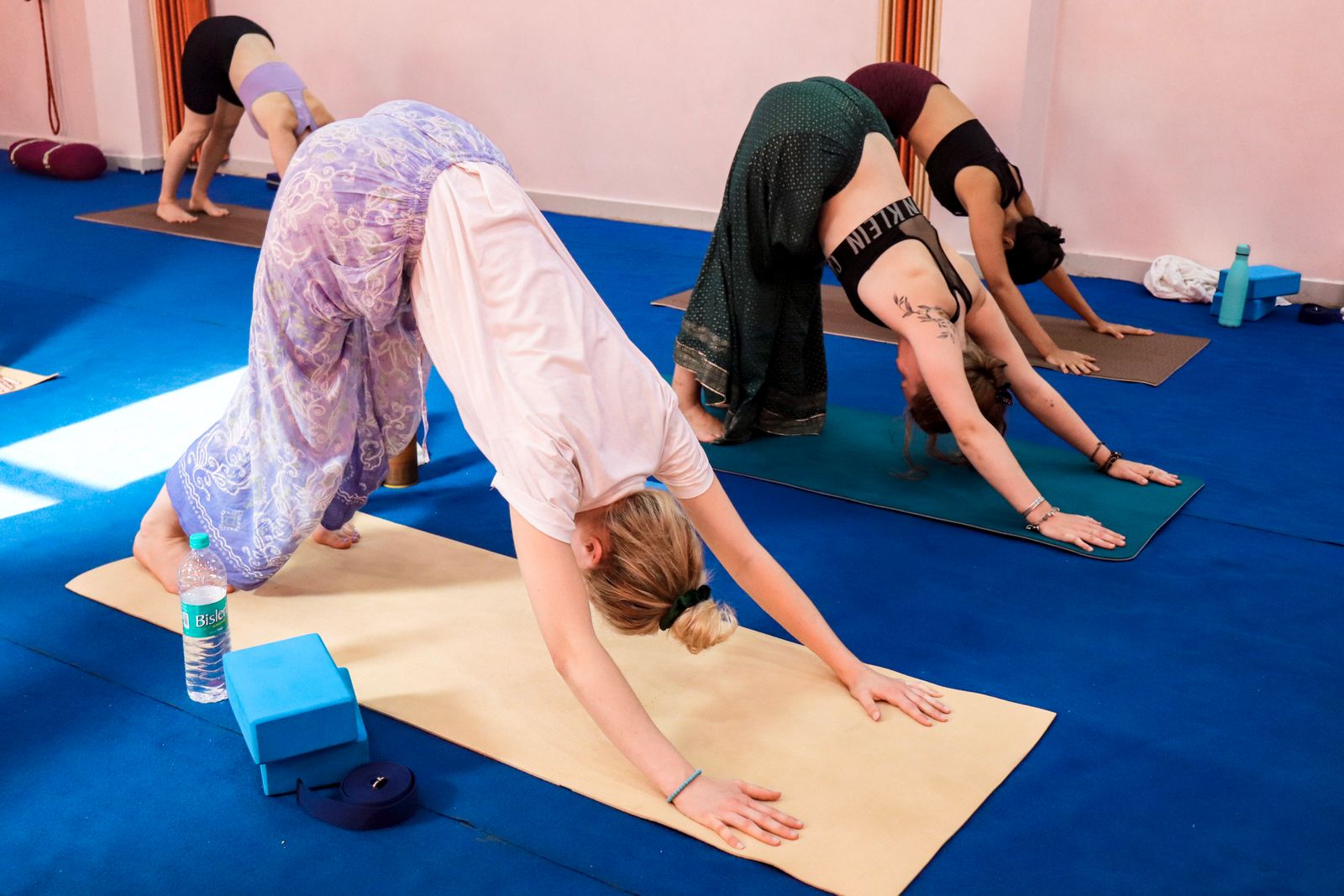
Adho Mukha Svanasana (Downward-Facing Dog)
This foundational inversion lowers the head below the heart, encouraging blood to flow toward the scalp and face. Hold the pose for 30-60 seconds, keeping the spine long and heels reaching toward the floor. It also stretches the hamstrings and shoulders, making it a useful warm-up pose. If you are new to inversions, our beginner yoga poses guide explains how to build up to this safely.
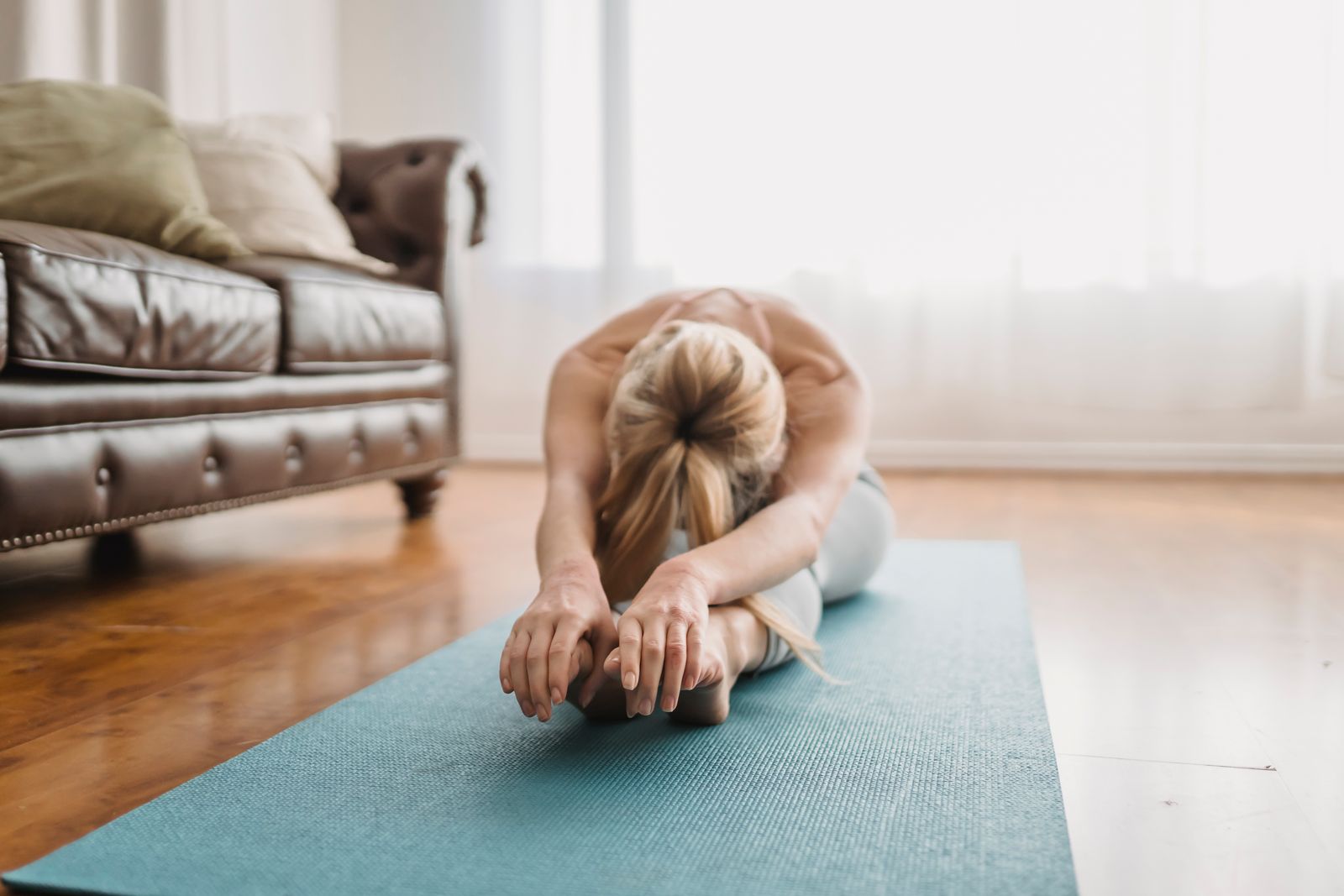
Uttanasana (Standing Forward Bend)
Standing Forward Bend is one of the simplest ways to get the benefits of inversion without going upside down entirely. Bend forward from the hips, letting your head hang and knees stay soft if your hamstrings are tight. Staying in the pose for 5-10 slow breaths allows blood to pool gently toward the scalp while also calming the nervous system.
Sarvangasana (Shoulderstand)
Often called the “queen of asanas” in traditional yoga texts, Shoulderstand is a deeper inversion that is commonly cited for its effects on the thyroid gland, which sits at the throat and plays a direct role in regulating hair growth cycles. Because it puts weight on the neck and shoulders, it should be practiced with a folded blanket for support and avoided if you have neck injuries, high blood pressure, or are in the early stages of pregnancy.
Sasangasana (Rabbit Pose)
Rabbit Pose brings the crown of the head gently toward the floor while kneeling, combining a mild inversion with a deep stretch through the spine and neck. It is considered gentler than a full headstand and is often recommended as an accessible alternative for people who want inversion benefits without the balance demands of Sirsasana (Headstand).
Vajrasana (Thunderbolt Pose)
Unlike most yoga poses, Vajrasana can be practiced right after eating. Sitting on the heels with a straight spine is traditionally associated with improved digestion, and better digestion supports the nutrient absorption your hair follicles rely on for keratin production. It is also a stable, accessible seat for practicing breathing exercises.
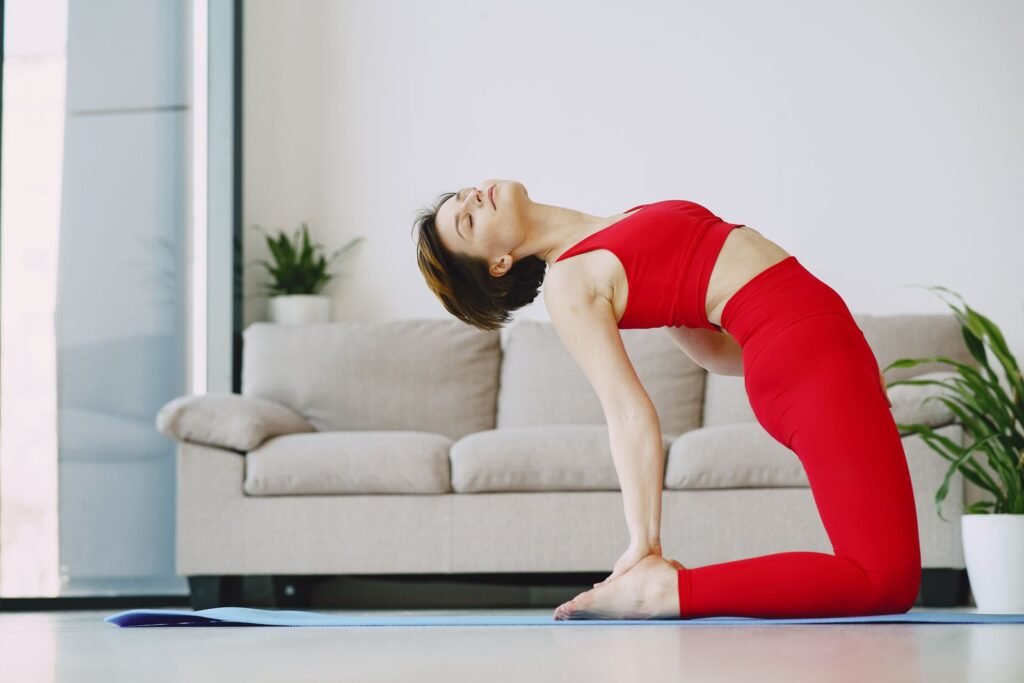
Ustrasana (Camel Pose)
Camel Pose opens the chest and throat while gently stimulating the thyroid and parathyroid glands in the neck. Kneel with hips stacked over knees, then reach back to hold your heels while lifting the chest toward the ceiling. Move into and out of this backbend slowly, since it can feel intense on the lower back and neck if rushed.
How Does Balayam (Nail Rubbing) Help With Hair Fall?
Balayam is a simple seated technique where you rub the fingernails of both hands against each other for several minutes, most commonly done while sitting in Vajrasana or Sukhasana (Easy Pose). It is based on the idea in reflexology and traditional Indian wellness practice that the fingernails correspond to reflex points connected to the scalp and hair follicles. While robust clinical evidence for this specific mechanism is limited, many practitioners find it a low-effort, zero-cost addition to a daily hair care routine, and it is easy to do anywhere, including while watching television or during a commute. Aim for 5-10 minutes daily, ideally in the morning.
Which Pranayama (Breathing Exercises) Reduce Hair Fall?
Breathing exercises work on the stress side of the hair fall equation. Two practices are most frequently recommended:
Anulom Vilom (Alternate Nostril Breathing): This technique balances the nervous system by alternating airflow between the left and right nostril, which is associated with a shift toward the parasympathetic (“rest and digest”) state. Practicing 5-10 minutes daily can help lower the resting stress load that contributes to stress-related shedding. Our pranayama breathing techniques guide covers the step-by-step method in detail.
Kapalbhati (Skull Shining Breath): A more energizing technique involving short, forceful exhales through the nose. It increases circulation and is often included in hair-fall-focused yoga sequences for its stimulating effect on the scalp and facial region. This one should be avoided during pregnancy or if you have high blood pressure, hernia, or recent abdominal surgery.
How Long Does It Take for Yoga to Show Results on Hair Fall?
Hair grows in cycles, and the scalp typically needs at least one full growth cycle to show visible change. Most people who practice hair-focused yoga consistently report noticing less shedding somewhere between 8 and 12 weeks, though this varies by individual, stress levels, diet, and the underlying cause of hair fall. Because hair follicles that enter the resting phase today may not shed for another two to three months, patience and consistency matter more than intensity. A daily 20-30 minute practice combining a few asanas, Balayam, and one pranayama technique tends to be more effective than an occasional, longer session.
Can Yoga Alone Stop Hair Fall Completely?
Yoga is best understood as one part of a complete approach to hair health rather than a standalone cure. It supports circulation, hormonal balance, and stress reduction, but it cannot resolve hair fall caused by genetic pattern baldness, thyroid disorders, iron deficiency, postpartum hormonal shifts, or nutritional gaps on its own. If hair fall is sudden, severe, patchy, or accompanied by scalp itching, redness, or flaking, it is worth consulting a dermatologist to rule out an underlying medical cause before relying on yoga and lifestyle changes alone. For most people dealing with everyday, stress- or lifestyle-related shedding, yoga combined with a balanced diet and proper scalp care is a reasonable and sustainable strategy.
What Lifestyle Changes Support Yoga for Hair Fall Control?
Yoga works best as part of a broader routine rather than in isolation. A few supporting habits make a measurable difference:
- Protein and iron intake: Hair is largely made of keratin, a protein, so adequate protein and iron intake supports the raw materials needed for growth.
- Sleep quality: Most cellular repair, including hair follicle activity, happens during deep sleep, making 7-8 hours a realistic target.
- Scalp massage: Combining a 5-minute scalp massage with warm oil before your yoga session can further support circulation.
- Hydration: Dry, dehydrated scalp skin is more prone to irritation and breakage at the follicle level.
- Gentle hair handling: Reducing tight hairstyles, harsh brushing, and excessive heat styling reduces mechanical stress on the hair shaft.
If your goal extends beyond hair to overall body composition and energy, pairing this with a broader routine like yoga for weight loss or yoga for beginners can help build the consistency habit that makes any wellness practice effective.
What Is a Simple Daily Yoga Routine for Hair Fall Control?
Consistency beats complexity. A practical 25-30 minute daily sequence looks like this:
- 2 minutes: Sukhasana (Easy Pose) with deep breathing to settle in
- 3 minutes: Balayam (nail rubbing)
- 1 minute each side: Uttanasana (Standing Forward Bend)
- 1 minute: Adho Mukha Svanasana (Downward-Facing Dog)
- 3-5 minutes: Sarvangasana (Shoulderstand), if comfortable and no contraindications
- 1-2 minutes: Sasangasana (Rabbit Pose)
- 1 minute: Ustrasana (Camel Pose)
- 5-10 minutes: Anulom Vilom pranayama
- 3-5 minutes: Kapalbhati pranayama (skip if pregnant or hypertensive)
- 2 minutes: Savasana (Corpse Pose) to close the practice
Practicing first thing in the morning on an empty stomach tends to work best, since inversions and Kapalbhati are more comfortable without a full stomach. If mornings are not realistic, early evening before dinner is the next best window. For structured sequencing ideas, our yoga sequence for beginners post explains how to build and hold a routine long-term.
Is Yoga for Hair Fall Different for Men and Women?
The core mechanisms, circulation, stress reduction, and hormonal support, apply to everyone, but the common triggers differ somewhat by gender. In men, hair fall is more frequently linked to androgenetic alopecia, a genetically driven sensitivity to the hormone DHT, which yoga does not directly alter. In women, hair fall is more often connected to stress, postpartum hormonal shifts, thyroid changes, iron deficiency, or polycystic ovary syndrome (PCOS), all of which yoga’s stress-reduction and hormonal-support effects can meaningfully influence. In both cases, yoga is best positioned as a supportive daily habit rather than a treatment targeted at one specific cause.
What Mistakes Should You Avoid When Using Yoga for Hair Fall?
A few common mistakes reduce how effective a hair-fall yoga routine can be:
- Doing inversions with an untrained neck: Attempting Shoulderstand or Headstand without proper alignment or support can strain the cervical spine. Build up gradually and use props.
- Inconsistency: Practicing intensely for a week and then stopping does not allow enough time for a hair growth cycle to respond.
- Ignoring diet and sleep: No amount of asana practice compensates for chronic sleep deprivation or a protein-deficient diet.
- Expecting overnight results: Because hair growth cycles span months, judging the routine after a week or two leads to premature abandonment.
- Practicing on a full stomach: This makes forward bends and inversions uncomfortable and less effective.
Pairing your hair-focused sequence with complementary practices such as yoga for glowing skin or yoga for hair growth can also reinforce the habit, since you are building one consistent daily block of time rather than several scattered ones.
How Does Yoga Compare to Other Hair Fall Treatments?
Yoga is a low-cost, no-side-effect complement to, not a replacement for, clinically established hair fall treatments. Topical minoxidil and prescription options like finasteride have stronger clinical evidence for androgenetic hair loss specifically, and a dermatologist should be consulted for progressive or pattern-based hair loss. Yoga’s comparative advantage is that it addresses the whole-body contributors, stress, circulation, digestion, that other treatments do not touch, and it carries essentially no risk of side effects when practiced correctly. Many people combine a dermatologist-recommended treatment with a daily yoga and pranayama routine, using yoga to manage the stress and lifestyle factors that can otherwise undermine even a well-chosen medical treatment. Practices like vinyasa yoga or restorative styles can also be layered in depending on how much time and intensity you want in your weekly routine.
Can Meditation Add to the Benefits of Yoga for Hair Fall?
Meditation directly targets the psychological stress that yoga’s physical postures only partially address. Where asanas work on circulation and glandular stimulation, meditation lowers the baseline activity of the sympathetic nervous system, reducing the frequency and intensity of cortisol spikes over time. Even 10 minutes of focused breathing or mindfulness meditation after your asana practice can extend these benefits. If chronic stress or anxiety is a significant contributor to your hair fall, pairing your routine with our meditation for anxiety guide, or exploring the philosophical grounding in yoga philosophy, can help build a more sustainable, less reactive relationship with stress overall.
Questions People Ask About Yoga for Hair Fall
Can yoga regrow hair that has already been lost?
Yoga can support the health of existing hair follicles and may help reduce further shedding by improving circulation and lowering stress, but it cannot regrow follicles that have permanently stopped producing hair, such as in advanced pattern baldness. It works best for supporting active follicles and reducing stress-related shedding rather than reversing long-term hair loss.
Which yoga pose is best for hair fall control?
Adho Mukha Svanasana (Downward-Facing Dog) and Sarvangasana (Shoulderstand) are the two most frequently recommended poses, since both are inversions that increase blood flow to the scalp. Uttanasana (Standing Forward Bend) is a gentler alternative that offers similar circulation benefits without a full inversion.
How many days a week should I do yoga for hair fall?
Daily practice, even just 20-25 minutes, tends to produce better results than longer but infrequent sessions, since hair fall is closely tied to consistent stress and circulation patterns rather than occasional spikes. If daily practice is not realistic, aim for at least 4-5 days a week.
Is Kapalbhati safe for everyone trying to reduce hair fall?
Kapalbhati is generally safe for healthy adults but should be avoided during pregnancy, menstruation with heavy flow, or by people with high blood pressure, hernia, glaucoma, or recent abdominal surgery. If unsure, learning the technique under guidance before practicing independently is the safer approach.
Does stress really cause hair fall, or is that a myth?
Stress-related hair fall is a recognized pattern, most commonly linked to a condition called telogen effluvium, where a stressful event pushes more hair follicles than usual into the resting phase, causing noticeable shedding two to three months later. It is not a myth, though it is usually temporary and tends to resolve once the underlying stress is managed.
Should I do yoga for hair fall in the morning or evening?
Morning practice, ideally on an empty stomach, is generally preferred because inversions and pranayama are more comfortable without a full stomach, and it also helps regulate cortisol levels for the rest of the day. If mornings are not workable, a pre-dinner evening session is a reasonable second choice.
Try This for Yourself
Reading about yoga for hair fall is a good start, but the real benefits come from consistent, guided practice. If you would like a structured routine with proper alignment cues for inversions like Shoulderstand and Downward Dog, along with pranayama guidance tailored to your stress levels, join a live online yoga class and build a hair-fall-focused practice with expert supervision from home.
Related reading: Yoga for Hair Growth, Yoga for Glowing Skin, Yoga for Weight Loss, Yoga for Eyesight, and explore our online yoga classes to get started today.