Yoga for eyes is a set of simple exercises, palming, focus shifting, eye rolling, and blinking drills, designed to relax eye muscles, reduce screen-related strain, and support circulation around the eyes. These techniques can genuinely ease tired, dry, or strained eyes within minutes and, over weeks of consistent practice, may support better focus and reduced eye fatigue. What they cannot do is reverse structural vision problems like myopia or replace prescription glasses; research on eye yoga for actual eyesight correction remains limited and mixed, so it’s best treated as a relaxation and maintenance practice rather than a cure. Pairing gentle eye exercises with face yoga, proper screen habits, and regular eye checkups gives the most realistic, sustainable results.
What Exactly Is Yoga for Eyes?
Yoga for eyes refers to a group of low-impact exercises that move, focus, and relax the muscles surrounding and controlling the eyes. Unlike full-body asanas, these movements are tiny and controlled: shifting focus between near and far points, rolling the eyes in circles, blinking rhythmically, or simply resting the eyes in darkness. The practice borrows from yogic traditions of Trataka (steady gazing meditation) as well as more modern eye-care routines developed for people who spend long hours on screens. Some instructors group eye yoga under the broader umbrella of face yoga, since both work small muscle groups through repetition rather than strength training. The goal isn’t to bulk up eye muscles in any meaningful sense, but to interrupt the fixed, narrow focus that screens and reading create, giving the eyes a genuine break and a wider range of motion throughout the day.
What Are the Core Yoga Exercises for Eyes?
A handful of exercises show up consistently across eye yoga routines because they’re simple, safe, and target different aspects of eye function. Each takes under a minute, so a full routine fits comfortably into a 5-10 minute daily session:
- Palming: Rub the palms together to generate warmth, then cup them gently over closed eyes without pressing on the eyeballs, breathing slowly for 30-60 seconds while focusing on the darkness.
- Focus shifting: Hold a thumb or pen at arm’s length, focus on it for a few seconds, then shift focus to an object 10-20 feet away, alternating 10-15 times to train the eye’s ability to refocus quickly.
- Eye rolling: Slowly circle the eyes clockwise for 5-10 rotations, then counterclockwise, to loosen the muscles that control eye movement.
- Blinking exercises: Deliberately blink fully and slowly 10-15 times to combat the reduced blink rate that happens during screen use, a major contributor to dry, irritated eyes.
- Figure-eight tracing: Imagine a large sideways figure eight a few feet away and trace it with the eyes for 30 seconds in each direction, adding a more dynamic movement pattern.
How Do You Practice the 20-20-20 Rule Alongside Eye Yoga?
The 20-20-20 rule is a widely recommended habit for anyone doing close-up screen work: every 20 minutes, look at something 20 feet away for at least 20 seconds. It’s not technically a yoga exercise, but it pairs naturally with eye yoga because both address the same root problem, prolonged near-focus that fatigues the eye’s focusing muscles. Setting a recurring timer or using a screen-break app makes the habit automatic rather than something you have to remember. Combining the 20-20-20 rule with a short palming or focus-shifting exercise during each break compounds the relaxation effect, since you’re not just glancing away but actively giving the eye muscles a controlled reset. Many people find this simple pairing reduces end-of-day eye fatigue more than either habit alone.
Can Yoga for Eyes Really Help You Remove Glasses?
This is the most common hope people bring to eye yoga, and it deserves an honest, direct answer: eye exercises are not a proven way to reverse refractive errors like myopia (nearsightedness), hyperopia (farsightedness), or astigmatism, which are structural issues related to the shape of the eyeball and cornea rather than muscle weakness. A frequently cited 2018 study looking at eye yoga exercises in people with myopia did not find significant improvement in vision. That said, a smaller study of college students found that eye yoga exercises reduced eye fatigue, which is a genuinely different and more achievable goal than correcting a prescription. If your glasses correct blurry distance or close-up vision caused by an eyeball’s shape, no amount of eye rolling or palming changes that shape. What eye yoga can realistically help with is the eye strain, dryness, and fatigue that make existing vision problems feel worse, and some people find their eyes feel less strained and their existing prescription feels more comfortable to live with as a result. Anyone hoping to reduce dependence on glasses should discuss this directly with an ophthalmologist or optometrist rather than relying on exercises alone, and should never stop wearing prescribed corrective lenses based on an eye yoga routine.
What Is Trataka and How Does It Fit Into Eye Yoga?
Trataka is a traditional yogic concentration practice that involves steadily gazing at a fixed point, most commonly a candle flame, without blinking, for as long as comfortably possible before closing the eyes and visualizing the afterimage. It’s typically taught as much for concentration and meditative focus as for eye health, since sustained, controlled gazing is thought to train visual steadiness and reduce the eyes’ tendency to dart around. Traditional practice recommends building up gradually, starting with 30-60 seconds of gazing and working up over weeks, always followed by palming to soothe the eyes afterward. Trataka should be practiced in a dim, draft-free room to avoid excessive tearing, and anyone with glaucoma, epilepsy, or a history of eye surgery should skip it or check with a doctor first. It connects naturally to broader meditation and concentration practices, and pairs well with routines built around yoga for concentration or yoga for memory, since steady visual focus and mental focus tend to reinforce each other.
What Is Face Yoga for Eyes, and How Is It Different From Eye Exercises?
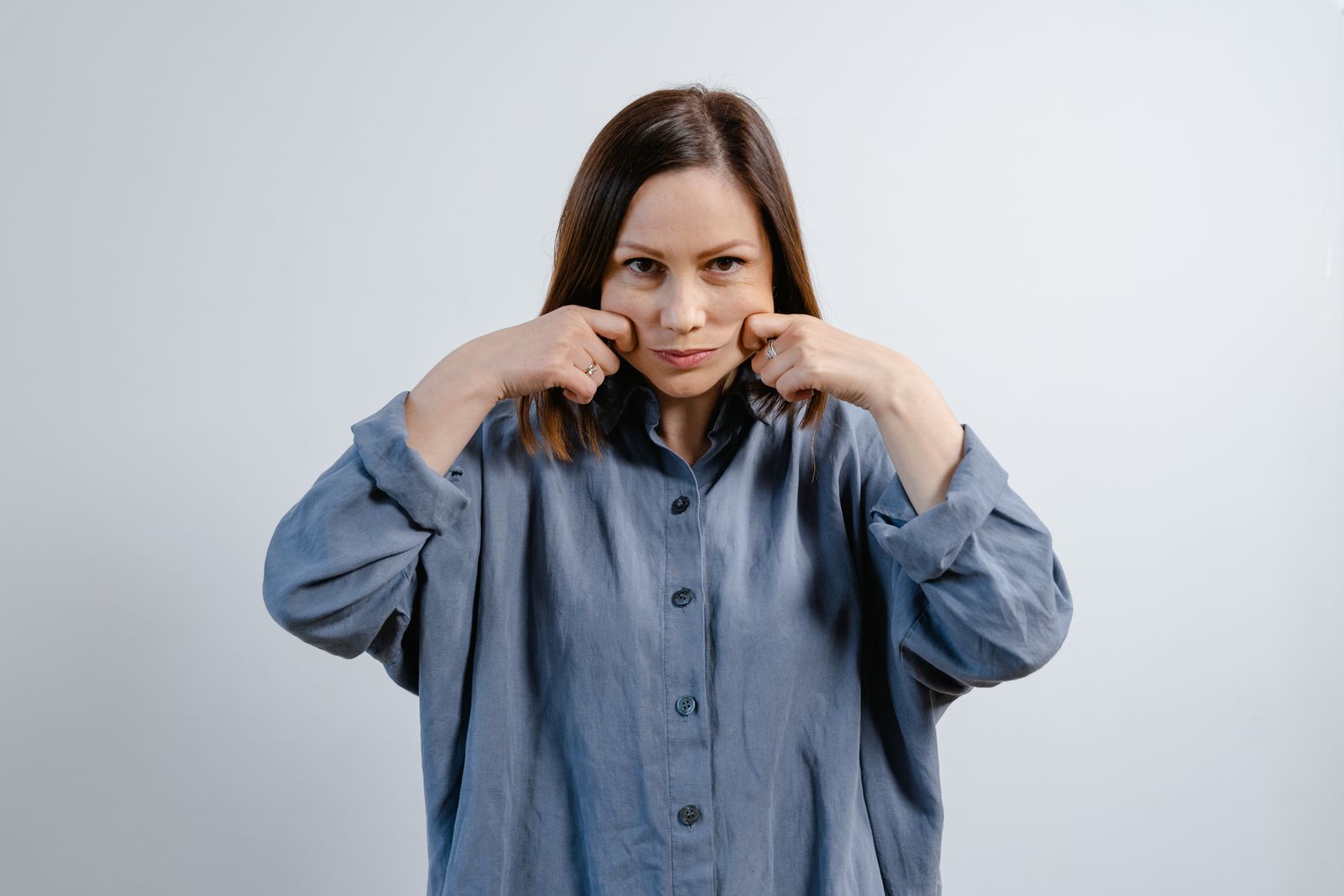
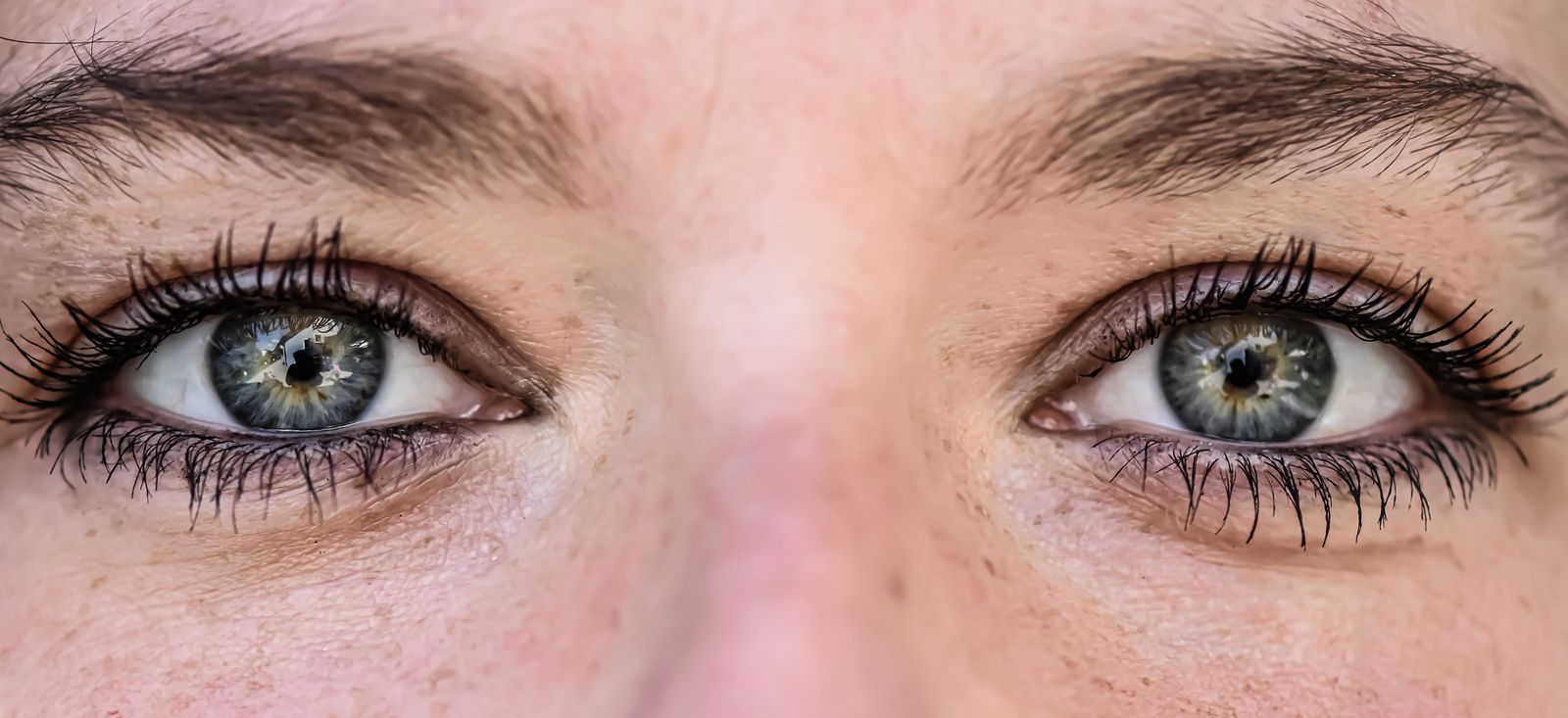
Face yoga for eyes targets the muscles around the eye socket, brow, and under-eye area rather than the eye itself, and its goals are more cosmetic than functional. A common exercise is the “eye squeeze”: close the eyes gently, squeeze the lids for 5 seconds, then open wide and hold for 5 seconds, repeating 8-10 times to work the orbicularis oculi muscle that rings the eye. The “brow lift” involves placing two fingers just above the eyebrows and gently pressing down while trying to raise the eyebrows against the resistance, which is thought to tone the forehead and reduce the appearance of hooding. The “V finger tap” uses the index and middle fingers in a V shape around each eye, tapping gently along the orbital bone to stimulate circulation and reduce puffiness. These exercises won’t change the underlying eyeball or correct vision, but consistent practice may support firmer-looking skin around the eyes and reduce mild puffiness, similar to how yoga for face glow works through circulation and muscle toning rather than any deeper structural change.
How Does Yoga for Eyes Help With Dark Circles and Puffiness?
Dark circles and puffiness around the eyes are usually caused by a mix of poor sleep, allergies, fluid retention, thin under-eye skin, and genetics, and eye yoga addresses only the circulation and fluid-retention piece of that picture. Gentle tapping and massage around the orbital bone, combined with palming, can temporarily improve lymphatic drainage and reduce the puffy look that comes from fluid pooling overnight. Some people also find that inversions and forward folds from a broader yoga practice, like those covered in yoga for glowing skin, bring a temporary rush of blood to the face that reduces the appearance of dullness under the eyes. None of this addresses genetic dark circles or thin skin, which are structural rather than circulatory, so anyone with persistent, severe dark circles should treat eye yoga as a mild cosmetic support rather than a fix.
How Does Screen Time Affect Eye Strain, and Why Does Yoga Help?
Digital eye strain, sometimes called computer vision syndrome, develops because screens encourage a fixed, close-range focus and a dramatically reduced blink rate; people blink roughly a third as often while looking at screens compared to normal activity, which dries out the eye’s tear film and leads to irritation, blurred vision, and headaches. Yoga for eyes interrupts this pattern in two ways: it forces deliberate, full blinks that redistribute tears across the eye’s surface, and it varies focal distance through exercises like focus shifting, which gives the eye’s internal focusing muscle (the ciliary muscle) a break from sustained near-focus. Reducing screen brightness, sitting an arm’s length from the monitor, and using artificial tears alongside a short eye yoga break every hour addresses the problem from multiple angles rather than relying on exercises alone.
What Does a Daily Yoga for Eyes Routine Look Like?
A realistic daily routine takes 5-10 minutes and can be done at a desk without any equipment:
- 10-15 slow, deliberate blinks to reset the tear film.
- 10 rounds of focus shifting between a near object and a far point across the room.
- 5-10 clockwise eye rolls, followed by 5-10 counterclockwise rolls.
- Figure-eight tracing in each direction for 20-30 seconds.
- 60 seconds of palming, rubbing the hands together first for warmth, to let the eyes fully relax in darkness before returning to screen work.
This sequence works well as a mid-morning and mid-afternoon break for anyone doing screen-heavy work, and it layers naturally into a broader wellness routine alongside yoga for concentration practices if focus and eye fatigue tend to dip together during the day.
Which Yoga Poses and Pranayama Support Eye Health Beyond Direct Exercises?
Full-body yoga contributes to eye health indirectly, mostly through circulation and stress reduction rather than any targeted mechanism. Inversions and gentle forward folds like Adho Mukha Svanasana (downward-facing dog) and Uttanasana (standing forward fold) send extra blood to the face and eyes, similar to the mechanisms described in yoga for glowing skin. Pranayama techniques such as Anulom Vilom (alternate nostril breathing) and Bhramari (humming bee breath) calm the nervous system, which matters because stress and tension headaches often manifest as tightness around the eyes and brow. Shavasana (corpse pose) at the end of a session gives the eyes, along with the rest of the body, a genuine rest period with the eyelids closed and no visual input at all. None of these poses replace the direct, targeted exercises above, but they support the broader relaxation response that makes eye strain less likely to build up in the first place. For a wider view of how breathing techniques support overall wellness, see yoga breathing techniques.
How Does Yoga for Eyes Fit Into General Eye Care and Eyesight Goals?
Eye yoga works best as one piece of a broader eye care routine rather than a standalone solution for vision problems. Basic habits, adequate sleep, staying hydrated, eating foods rich in lutein and omega-3s like leafy greens and fish, and getting regular eye exams, do far more for long-term eye health than any exercise routine on its own. For readers specifically interested in whether yoga can influence eyesight itself rather than just comfort and strain, yoga for eyesight goes deeper into what the research does and doesn’t support. Anyone noticing sudden vision changes, persistent pain, flashes of light, or floaters should see an eye doctor promptly rather than trying to resolve symptoms with exercises, since these can signal conditions that need medical attention.
Are There Risks or Precautions With Yoga for Eyes?
Eye yoga exercises are low-risk for most healthy adults, but a few precautions matter. Trataka (candle gazing) should be avoided or approached cautiously by anyone with glaucoma, epilepsy, or a history of retinal issues, since prolonged, unblinking focus and any flickering light can be a trigger for some conditions. Anyone recovering from eye surgery, including cataract or LASIK procedures, should get direct clearance from their surgeon before resuming any eye exercises, since even gentle palming pressure could be inappropriate during early healing. People with severe dry eye, chronic headaches during exercises, or any sudden vision changes during practice should stop and consult an eye care professional rather than pushing through discomfort. As with any wellness practice, eye yoga should feel gentle and mildly relaxing; sharp pain, worsening blurriness, or persistent redness are signs to stop and seek medical advice.
How Do You Combine Yoga for Eyes With a Broader Wellness Routine?
Because eye strain is closely tied to overall stress, sleep, and screen habits, eye yoga tends to work best layered into a broader wellness routine rather than practiced in isolation. Someone already working on yoga for weight loss or general fitness can add a 5-minute eye break between sets or during rest days without disrupting the rest of the routine. Similarly, people focused on yoga for hair growth or yoga for glowing skin often find that the same stress-reduction and circulation principles show up across skin, hair, and eye routines, since all three respond to the same underlying inputs of blood flow, cortisol, and sleep quality. Building a simple habit stack, blinking exercises during work breaks, palming before bed, and a longer face-and-eye yoga session two or three times a week, tends to stick better than treating eye yoga as a separate, standalone commitment.
Questions People Ask About Yoga for Eyes
Can yoga for eyes actually improve eyesight?
Research on this is limited and mixed. A commonly cited 2018 study on people with myopia found no significant improvement in vision from eye yoga exercises, though separate research found reduced eye fatigue after eye yoga practice. Eye yoga is better understood as a relaxation and strain-reduction tool rather than a way to correct nearsightedness, farsightedness, or astigmatism.
How long does it take for yoga for eyes to show results?
Reduced strain and tired-eye feeling often show up within the same session, especially after palming or focus shifting. More noticeable, lasting reductions in eye fatigue tend to appear after 2-4 weeks of consistent daily practice, particularly when paired with regular screen breaks and adequate sleep.
Is face yoga for eyes safe to do every day?
Yes, for most healthy adults, gentle face yoga exercises like eye squeezes and brow lifts are safe daily since they involve light, controlled muscle contractions rather than any strain on the eyeball itself. Anyone with recent eye surgery or a diagnosed eye condition should get clearance from their eye doctor first.
Can eye yoga help me stop wearing glasses?
Eye yoga is not a proven way to eliminate the need for glasses, since prescriptions correct structural, shape-related vision issues that muscle exercises don’t change. It may make existing eye strain feel more manageable, but anyone considering reducing glasses use should talk to an optometrist rather than relying on exercises alone.
What is Trataka and is it safe for everyone?
Trataka is a yogic gazing practice, usually done with a candle flame, intended to build visual and mental focus. It’s generally safe for healthy adults when practiced in short sessions, but people with glaucoma, epilepsy, or a history of retinal problems should avoid it or check with a doctor first.
How often should I practice yoga for eyes if I work at a computer all day?
A short 1-2 minute eye break roughly every 20-30 minutes, combined with a longer 5-10 minute routine once or twice a day, works well for most desk-based schedules. Pairing this with the 20-20-20 rule addresses both the muscular and screen-habit sides of digital eye strain.
Try This for Yourself
Reading through eye yoga exercises is a useful starting point, but a guided routine helps you build the habit consistently and layer it into a broader practice that also supports posture, breathing, and stress. If you want structured sessions that combine relaxation techniques, breathwork, and full-body yoga with real-time feedback, explore FitStrot’s online yoga classes and build a routine that fits your eyes, your schedule, and your broader wellness goals.
Related reading: Yoga for Eyesight, Yoga for Glowing Skin, Yoga for Hair Growth, Yoga for Weight Loss, and FitStrot’s online yoga classes.