A nutritional deficiency happens when your body doesn’t get enough of a specific vitamin or mineral to function properly — think low iron, low vitamin D, or low B12 — and it shows up as fatigue, hair fall, brittle nails, frequent infections, or slow-healing wounds long before it becomes a diagnosed disease. In India, this is not rare: NFHS-5 data shows 57.2% of women aged 15-49 are anemic, and vitamin D deficiency affects an estimated 50-94% of the population depending on the region studied. If you’ve been feeling “off” for weeks with no clear reason, a nutritional deficiency is one of the more testable, fixable explanations — and this guide walks you through the symptoms to watch, the tests to ask for, and what to actually do next.
What Is Nutritional Deficiency, Exactly?
Nutritional deficiency is a state where your intake or absorption of a nutrient — a vitamin, mineral, protein, or essential fatty acid — falls below what your body needs to carry out normal functions. It’s different from simply eating “unhealthy.” You can eat enough calories and still run low on iron, B12, or vitamin D if your diet lacks variety, your gut isn’t absorbing nutrients well, or your body’s demands have gone up (pregnancy, illness, heavy exercise, growth spurts).
Globally, the scale is bigger than most people assume. The WHO and partner agencies estimate around 2 billion people worldwide have micronutrient deficiencies, sometimes called “hidden hunger” because you can’t see it from the outside. Roughly 1 in 2 preschool-age children and 2 in 3 women of reproductive age are affected by some form of vitamin or mineral shortfall — and this isn’t only a low-income-country problem, since deficiencies are common even in the UK and US, though rates run highest in South Asia and Sub-Saharan Africa.

What Are the Most Common Types of Nutritional Deficiency?
A handful of nutrients account for most real-world cases. Knowing which ones are common helps you narrow down what to test for and what to fix first.
- Iron: The single most common deficiency worldwide, and the leading cause of anemia. In India, iron deficiency affects an estimated 54% of the population based on national data, and NFHS-5 puts anemia in women aged 15-49 at 57.2%. Left unaddressed, this is one of several nutritional deficiency diseases that can quietly worsen over years.
- Vitamin D: The most prevalent micronutrient shortfall in India at roughly 61% overall, with some regional studies showing 50-94% of people testing low — despite abundant sunshine. Indoor lifestyles, sunscreen use, and darker skin (which needs more sun exposure to synthesize vitamin D) all play a role. Read more in our dedicated guide on vitamin nutrition.
- Vitamin B12: Affects around 53% of the Indian population by some estimates, especially common in vegetarians and vegans, since B12 is found almost exclusively in animal products.
- Calcium: Chronic low intake is widespread in India, contributing to weak bones and higher fracture risk over decades. Our piece on calcium nutrition breaks down daily requirements by age.
- Folate (Vitamin B9): Roughly 37% prevalence in Indian data, and critical during pregnancy for preventing neural tube defects — see our guide on nutrition for pregnant women.
- Iodine: Around 17% prevalence in India; low iodine affects thyroid function and, in children, cognitive development.
- Zinc and Magnesium: Less talked about but common contributors to slow wound healing, hair thinning, and muscle cramps. See our guides on zinc nutrition and magnesium nutrition.
What Are the Symptoms of Nutritional Deficiency?
Nutritional deficiency symptoms are easy to dismiss because they overlap with “just being tired” or “getting older.” But a cluster of these signs, especially if they persist for more than a few weeks, is worth paying attention to.
General warning signs across most deficiencies
- Chronic fatigue that doesn’t improve with sleep
- Hair thinning or noticeable hair fall
- Brittle nails or nails that develop ridges or spoon-shaped curves
- Pale skin
- Poor or slow wound healing
- Frequent colds or infections
- Muscle cramps or tingling in hands and feet
Symptoms specific to individual nutrients
Iron deficiency typically presents as constant fatigue, pale skin, dizziness, hair loss, and brittle nails — and in more advanced cases, unusual cravings for ice or starch (a condition called pica). This overlaps heavily with nutritional anemia, which is worth reading if fatigue and breathlessness on exertion are recurring for you.
Vitamin B12 deficiency often starts with fatigue, dizziness, a rapid heartbeat, and pale skin, since B12 deficiency can also cause anemia. Left untreated for longer periods, it can progress to nerve-related symptoms: tingling or numbness in the hands and feet, difficulty walking, mood changes, and cognitive fog.
Vitamin D deficiency tends to show up as fatigue, bone or joint pain, muscle weakness, frequent infections, and low mood. Because vitamin D also supports calcium absorption, long-term deficiency raises fracture risk.
Calcium deficiency commonly causes muscle cramps, brittle nails, dental problems, and over time, a higher risk of fractures and osteoporosis.
Who Is Most at Risk of Nutritional Deficiency?
Certain groups face a meaningfully higher risk and should be more proactive about checking their nutrient status.
- Women of reproductive age — due to monthly blood loss through menstruation, increasing iron needs
- Pregnant and breastfeeding women — nutrient demands rise sharply for iron, folate, calcium, and B12
- Children and adolescents — rapid growth increases requirements; national data shows anemia in children aged 6-59 months has actually risen, from 59% in NFHS-4 to 67% in NFHS-5
- Vegetarians and vegans — particularly at risk for B12, iron, and sometimes zinc, since these are more bioavailable from animal sources
- Older adults — reduced stomach acid production affects B12 and calcium absorption with age
- People with digestive conditions — celiac disease, Crohn’s, or gut surgery can impair nutrient absorption regardless of diet quality
- Athletes and highly active individuals — higher turnover of iron and electrolytes through sweat and exertion
If you fall into more than one of these categories — say, a pregnant woman who is also vegetarian — the risk compounds, and it’s worth being more deliberate about your diet and nutrition choices rather than waiting for symptoms to appear.
How Do You Test for Nutritional Deficiency?
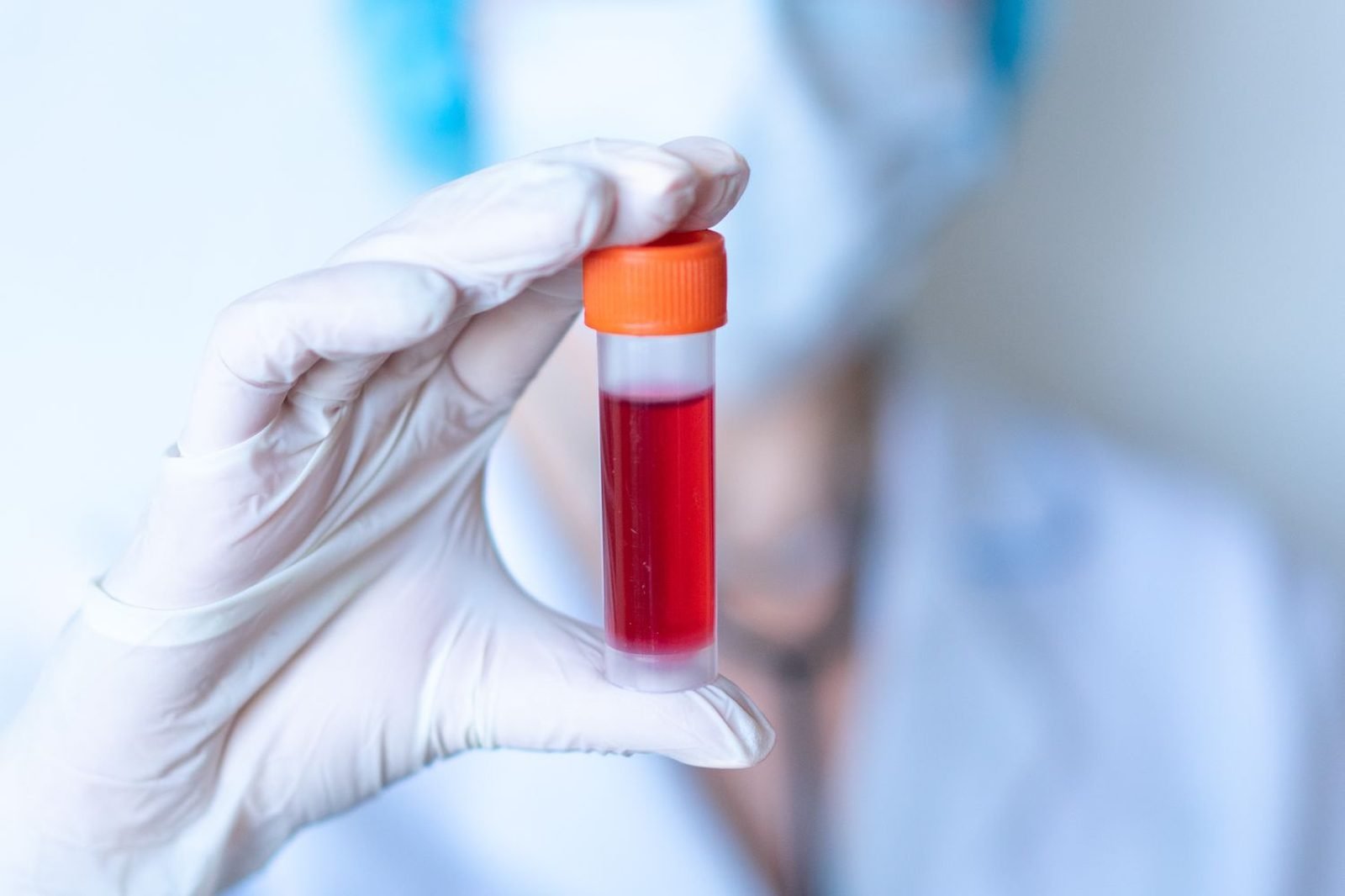
A nutritional deficiency test is usually a simple blood draw, and it’s the only reliable way to confirm a suspected deficiency rather than guessing from symptoms alone. Blood tests measure the actual concentration of a nutrient, or a related marker, in your blood.
Common tests include:
- Complete Blood Count (CBC) — flags anemia and gives early clues about iron or B12 status
- Serum ferritin and iron studies — the most accurate way to assess iron stores, not just hemoglobin
- 25-hydroxyvitamin D test — the standard test for vitamin D status
- Vitamin B12 and folate levels — usually tested together since both cause similar types of anemia
- Serum calcium and magnesium — though these don’t always reflect bone stores accurately, so your doctor may also assess bone density if levels are low long-term
- Thyroid function tests (TSH) — relevant if iodine deficiency is suspected
You can request a finger-prick test at some diagnostic labs or opt for a standard venous blood draw, which tends to be more accurate for micronutrient panels. Most labs in India offer bundled “nutrition panels” that combine several of these tests, which is often more cost-effective than ordering them individually.
One important caveat: test results need clinical interpretation. A borderline-low B12 level in someone with no symptoms may need a different approach than the same number in someone with tingling hands and fatigue. This is where a professional read of your results matters more than the raw numbers.
How Is Nutritional Deficiency Treated?
Treatment depends on which nutrient is low and how low it is, but it generally follows three tracks, often combined.
Dietary correction
For mild to moderate deficiencies, adjusting your diet is usually the first step. Iron-rich foods include spinach, lentils, jaggery, and lean meats (paired with vitamin C to boost absorption). Vitamin D comes from sunlight exposure and fortified foods, since very few natural foods contain meaningful amounts. B12 is found in eggs, dairy, and meat — vegetarians often need fortified foods or supplements since plant sources don’t reliably provide active B12. If you’re building meals around a specific gap, our guide on nutrition food choices is a useful starting point, and if protein intake is also a concern, see protein and nutrition.
Supplementation
When diet alone won’t close the gap quickly enough, or absorption is impaired, doctors typically prescribe targeted supplements — iron tablets, vitamin D sachets, or B12 injections/oral doses, depending on severity. Self-prescribing high-dose supplements without testing is not advisable; both vitamin D and iron can cause harm in excess.
Addressing the root cause
If a deficiency keeps recurring despite diet and supplements, the next step is investigating why — this could mean checking for gut absorption issues, heavy menstrual bleeding, or an underlying condition affecting nutrient uptake.
How Can You Prevent Nutritional Deficiency?
Prevention is more achievable than most people think, and it doesn’t require an extreme diet overhaul.
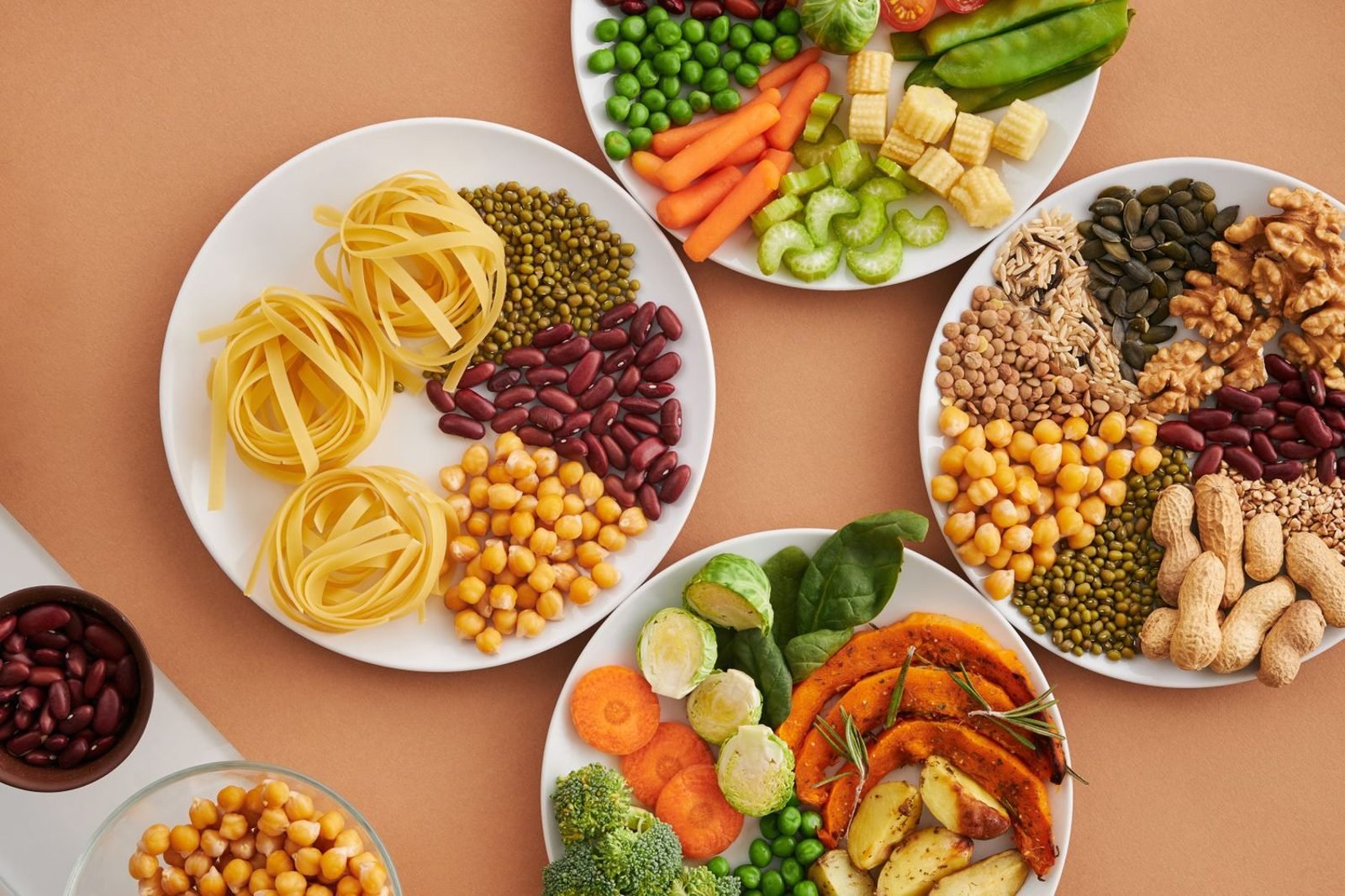
- Eat a varied diet across food groups rather than relying on the same 5-6 items daily — dietary diversity is one of the strongest predictors of adequate micronutrient intake, according to Indian Journal of Medical Research analysis
- Get 15-20 minutes of midday sun exposure a few times a week for vitamin D, since food sources alone rarely meet requirements
- Pair iron-rich foods with vitamin C (like lemon or amla) to improve absorption, and avoid tea or coffee immediately after iron-rich meals since tannins block absorption
- Get periodic blood work if you’re in a higher-risk group — don’t wait for symptoms to show up
- Plan meals around life stage — pregnancy, growth spurts in children, and menopause all shift nutrient needs; our guide on child nutrition covers what changes during growth years
- Don’t ignore mild, persistent symptoms — fatigue that lasts more than 2-3 weeks despite adequate sleep is worth investigating, not pushing through
Frequently Asked Questions
What is nutritional deficiency in simple terms?
Nutritional deficiency is when your body doesn’t get enough of a specific nutrient — like iron, vitamin D, or B12 — to function normally. It can happen even if you eat enough food overall, because the issue is about specific nutrients, not total calories. It’s usually confirmed through a blood test and corrected through diet, supplements, or both.
What are the earliest signs of nutritional deficiency?
The earliest signs are often subtle: persistent fatigue, hair thinning, brittle nails, pale skin, and slow-healing cuts or wounds. These symptoms overlap across several deficiencies, which is why a blood test is more reliable than guessing based on symptoms alone.
Which nutritional deficiency test should I ask for first?
Start with a Complete Blood Count (CBC), serum ferritin, vitamin D (25-hydroxyvitamin D), and vitamin B12 — these four cover the most common deficiencies in India. Your doctor may add calcium, folate, or thyroid tests depending on your symptoms and risk factors.
Can nutritional deficiency be reversed?
Yes, most nutritional deficiencies are reversible with consistent dietary changes and, where needed, supplementation. Iron and B12 levels typically improve within 6-12 weeks of correct treatment, though timelines vary based on how severe the deficiency was and how well your body absorbs the nutrient.
Is it safe to take multivitamins without testing first?
It’s safer to test first. Taking supplements blindly can mask an underlying issue, lead to imbalances between nutrients, or in the case of fat-soluble vitamins like A and D, build up to harmful levels. A blood test tells you exactly what you’re low in, so you’re not guessing or overcorrecting.
If you’ve noticed ongoing fatigue, hair fall, or other symptoms from this list and suspect a nutritional deficiency, don’t rely on self-diagnosis or random supplements. Book an online nutritionist consultation with FitStrot to get personalized guidance on what tests to take and how to correct your specific gaps safely.