Most adults need 1,000 to 1,200 mg of calcium a day, but calcium nutrition isn’t just about hitting a bone-health number on a label. Calcium also controls how your heart beats, how your muscles contract, and how your nerves send signals — which is why a shortfall can show up as muscle cramps or fatigue years before a bone scan flags a problem. If you’re lactose intolerant, vegan, or unsure your diet covers the basics, the good news is that dairy is one option among many, not the only door in.
Below: how much calcium you need by age and life stage, where to get it without dairy, why vitamin D determines whether any of it gets absorbed, and what long-term inadequate intake does to your body.
What does calcium actually do in the body?
About 99% of the calcium in your body is stored in your bones and teeth as a structural reservoir. The remaining 1% — circulating in blood, muscles, and the fluid between cells — is doing work that has nothing to do with skeletal structure and everything to do with staying alive minute to minute.
- Muscle contraction: Calcium ions trigger the interaction between actin and myosin, the proteins that let muscle fibers shorten and contract. Without enough available calcium, muscles can cramp, twitch, or weaken.
- Nerve signaling: Calcium helps transmit messages between nerve cells and the rest of the body, supporting everything from reflexes to sensation.
- Heart rhythm: Cardiac muscle relies on calcium flow in and out of cells to maintain a normal, coordinated heartbeat.
- Blood clotting and vessel function: Calcium is a required cofactor in the clotting cascade and helps blood vessels contract and relax appropriately.
Because these functions are non-negotiable for survival, your body tightly regulates blood calcium levels. If dietary intake falls short, it pulls calcium out of bone to compensate — exactly why chronic under-consumption shows up as weaker bones long before it shows up on a blood test. This regulatory system is closely tied to other minerals; see our guides to magnesium nutrition and zinc nutrition for how all three interact in bone and muscle metabolism.
How much calcium do you need by age?
The National Institutes of Health’s Office of Dietary Supplements (NIH ODS) publishes Recommended Dietary Allowances (RDAs) for calcium based on age, sex, and life stage. These are the amounts most healthy people should aim for through food and, if needed, supplements.
| Age | Male | Female | Pregnant | Lactating |
|---|---|---|---|---|
| 0–6 months* | 200 mg | 200 mg | — | — |
| 7–12 months* | 260 mg | 260 mg | — | — |
| 1–3 years | 700 mg | 700 mg | — | — |
| 4–8 years | 1,000 mg | 1,000 mg | — | — |
| 9–13 years | 1,300 mg | 1,300 mg | — | — |
| 14–18 years | 1,300 mg | 1,300 mg | 1,300 mg | 1,300 mg |
| 19–50 years | 1,000 mg | 1,000 mg | 1,000 mg | 1,000 mg |
| 51–70 years | 1,000 mg | 1,200 mg | — | — |
| >70 years | 1,200 mg | 1,200 mg | — | — |
*Values for infants 0–12 months are Adequate Intakes (AI), not RDAs. Source: NIH Office of Dietary Supplements, Calcium Health Professional Fact Sheet.
A few things stand out here. Teenagers 9–18 need 1,300 mg daily — more than adults — because bones accumulate mass fastest during this window, and roughly 90% of peak bone mass is built by the end of adolescence. Women over 50 need more than men in the same bracket (1,200 mg vs. 1,000 mg) because estrogen decline after menopause accelerates bone loss and reduces absorption. Needs rise again for everyone past 70, when absorption efficiency drops further. For more on this age-based shift, see our geriatric nutrition guide.
What foods actually have calcium, besides dairy?
Dairy supplies roughly 72% of calcium intake in the average U.S. diet, according to NIH ODS, largely because it’s calcium-dense and easy to absorb from. But that statistic says more about eating habits than about where calcium exists in nature — plenty of non-dairy sources can close the gap.
Non-dairy and plant-based calcium sources
- Calcium-fortified orange juice — about 349 mg per cup (27% of the Daily Value)
- Calcium-fortified soy milk — about 299 mg per cup (23% DV)
- Sardines, canned with bones — about 325 mg per 3 oz (25% DV)
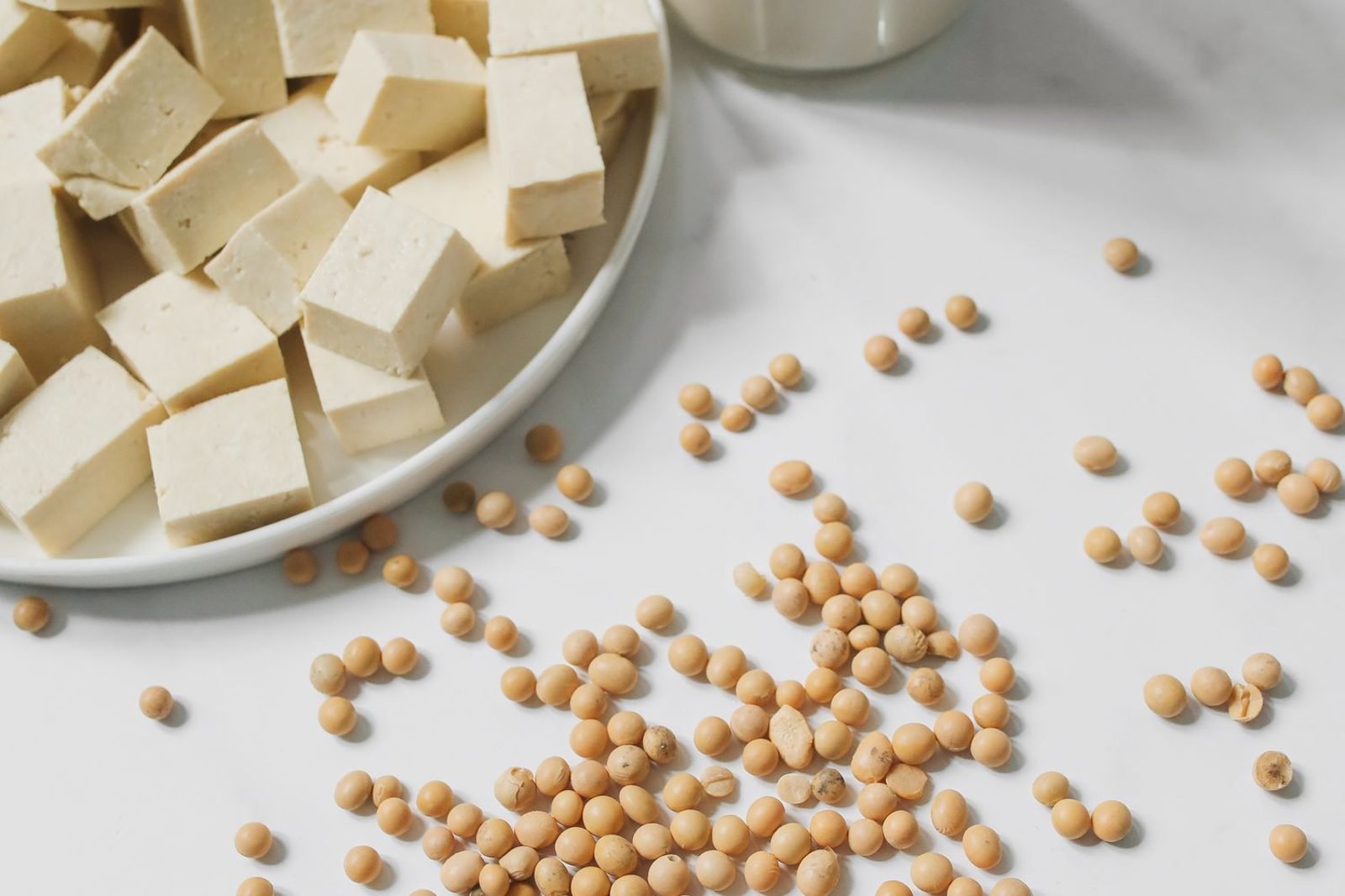
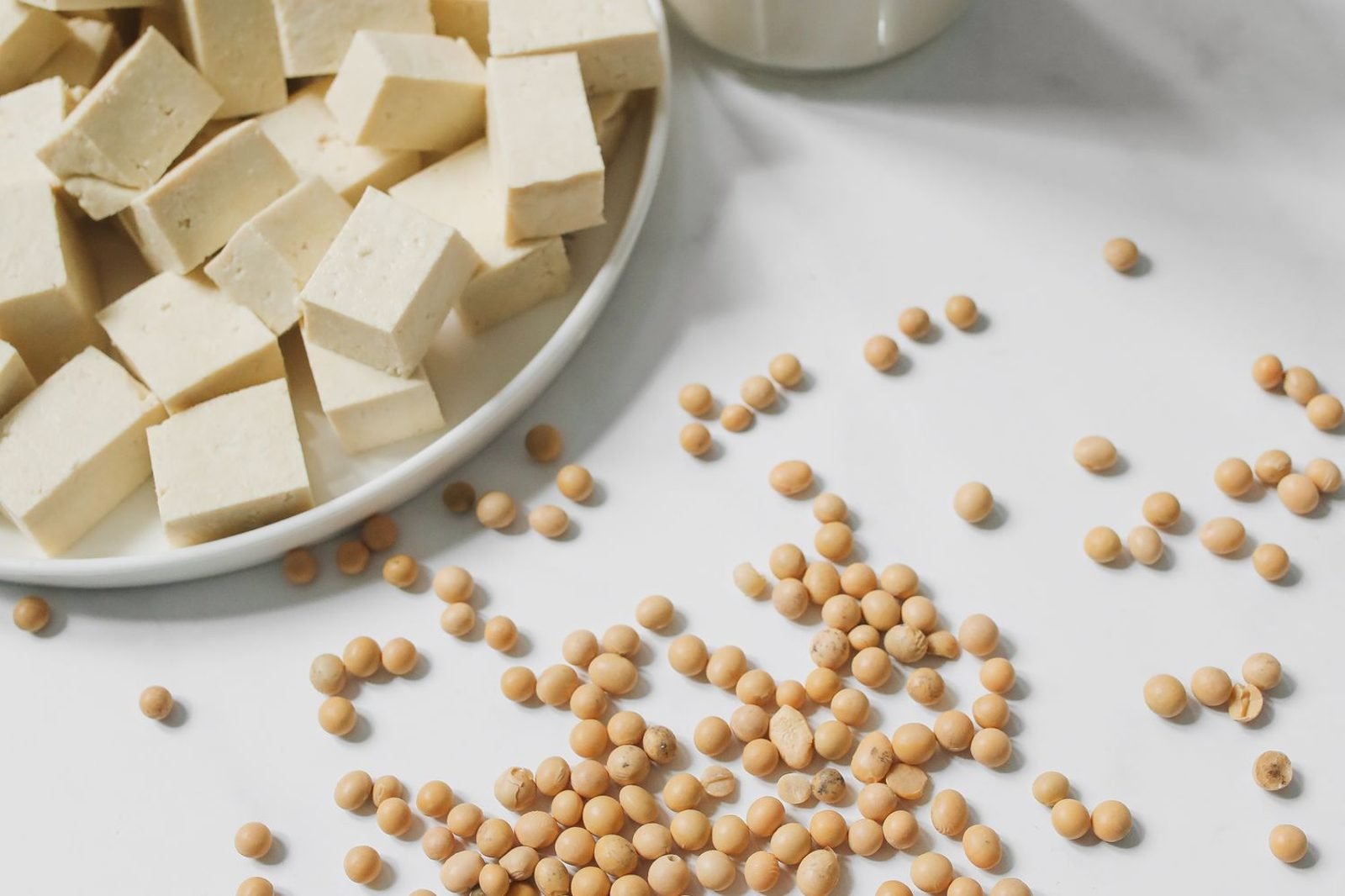
- Firm tofu made with calcium sulfate — about 253 mg per ½ cup (19% DV); check the label, since tofu made with other coagulants provides little calcium
- Canned salmon with bones — about 181 mg per 3 oz (14% DV)
- Cooked soybeans — about 131 mg per ½ cup (10% DV)
- Fortified breakfast cereal — about 130 mg per serving (10% DV), varies by brand
- Cooked kale — about 94 mg per cup (7% DV)
- Chia seeds — about 76 mg per tablespoon (6% DV)
- Bok choy (Chinese cabbage), raw — about 74 mg per cup (6% DV)
One nuance that trips people up: not all plant calcium is absorbed equally. NIH ODS notes absorption from dairy and fortified foods runs around 30%, while spinach — despite looking calcium-rich on a label — is only about 5% absorbable because of oxalic acid, which binds calcium into indigestible compounds. Collard greens, sweet potatoes, rhubarb, and beans share this issue to a lesser degree. Broccoli, kale, and cabbage don’t contain these binding compounds, so their absorption rate is comparable to milk — you just need more servings to match the total milligrams. Don’t rely on spinach as a main calcium source, but do count kale, bok choy, and fortified foods as legitimate contributors.
For a broader plant-forward eating pattern, it’s worth cross-checking against other commonly under-consumed nutrients in our nutritional deficiency overview and our vitamin nutrition guide.
Why doesn’t calcium intake matter without vitamin D?
You can eat a calcium-rich diet and still fall short on bone health if vitamin D is missing, because vitamin D is what makes calcium absorption possible in the first place. Vitamin D is converted in the body to its active form, which then signals the small intestine to absorb calcium from food into the bloodstream. Without adequate vitamin D, a large share of the calcium you eat simply passes through the digestive tract unused.
This is why calcium and vitamin D are almost always discussed as a pair in the research. According to a meta-analysis of eight randomized controlled trials cited by NIH ODS, adults over 50 who supplemented with 500–1,200 mg/day calcium alongside 400–800 IU/day vitamin D reduced their risk of total fractures by 15% and hip fractures by 30% over one to seven years. The two nutrients function as a system — calcium is the building material, vitamin D is what allows the body to actually use it.
Vitamin D comes from sunlight exposure, fortified foods like milk and cereal, fatty fish, and egg yolks, but many people — especially those with limited sun exposure, darker skin, older adults, or anyone at higher latitudes — don’t make or consume enough. For more on sources and targets, see our vitamin nutrition guide.
A few other factors shape absorption beyond vitamin D status. Dose size matters: absorption runs around 45% at intakes of 200 mg but drops to about 15% above 2,000 mg, so spreading calcium across meals improves total uptake. Age matters too — net absorption is as high as 60% in young children, falling to roughly 25% in adulthood and declining further from there. Caffeine and high phosphorus intake modestly reduce absorption, and menopause compounds the problem: declining estrogen increases urinary calcium loss, part of why postmenopausal women lose bone mineral density at roughly 1% per year on average.
What happens if you don’t get enough calcium long-term?
Because your body prioritizes keeping blood calcium levels stable, chronic low intake doesn’t usually cause obvious short-term symptoms — it quietly draws calcium out of your skeleton instead. Over years, this steady withdrawal is what leads to low bone density and, eventually, osteoporosis: a condition where bones become porous, fragile, and prone to fracture from relatively minor falls or bumps.
According to NIH ODS, roughly 30% of postmenopausal women in the U.S. and Europe have osteoporosis, and at least 40% of those go on to experience at least one fragility fracture. Inadequate calcium and vitamin D intake is a recognized risk factor, particularly because it limits how much peak bone mass a person builds in youth — mass that has to last for decades.
Signs that may point toward a longer-term calcium or vitamin D shortfall include:
- Frequent muscle cramps or spasms, particularly in the legs
- Brittle nails and unusually dry skin
- Numbness or tingling in fingers and around the mouth (a sign of low blood calcium, or hypocalcemia)
- Fatigue and general muscle weakness
- Bone fractures from minor falls, or loss of height over time — both later-stage signs of low bone density
These signs are non-specific and can have other causes, so they’re a reason to check with a healthcare provider or get a bone density scan, not a self-diagnosis checklist. Risk climbs with age, which is why calcium and vitamin D status is routine in care for older adults — see our geriatric nutrition guide — and during pregnancy, when maternal calcium demands rise to support fetal skeletal development, covered in nutrition for pregnant women.

How can you tell if you’re getting enough calcium?
There’s no simple blood test for this — NIH ODS notes that serum calcium levels are tightly regulated and don’t meaningfully drop even when dietary intake is inadequate, since the body pulls calcium from bone to compensate. A normal blood calcium result doesn’t rule out a long-term shortfall. The more practical approach is estimating your intake against the RDA table above using a food diary or tracking app for a few days. If you have risk factors — postmenopausal, over 70, vegan without fortified foods, or a GI condition affecting absorption like celiac disease — a bone density scan (DEXA) or a conversation with a clinician is a reasonable next step rather than guessing.
Frequently asked questions
Can you get enough calcium on a vegan diet?
Yes, though it takes more planning than a dairy-based diet. Fortified plant milks, calcium-sulfate tofu, cooked soybeans, bok choy, kale, and fortified orange juice or cereal can collectively meet the RDA. Check fortification labels closely, since calcium content in plant milks and tofu varies significantly by brand.
Is it possible to get too much calcium?
Yes. The tolerable upper intake level for adults ranges from 2,000 to 2,500 mg/day depending on age. Excess intake, usually from supplements rather than food, has been linked in some studies to higher kidney stone risk, so more isn’t automatically better once you’re meeting the RDA.
Do calcium supplements work as well as food sources?
They help close a gap, but food-first is generally preferred since whole foods deliver calcium alongside other nutrients that support absorption. If you do supplement, NIH ODS notes absorption is better with smaller doses (500 mg or less) taken with meals rather than one large dose.
Why do lactose-intolerant people worry unnecessarily about calcium?
Many assume dairy is their only option, but lactose-free milk, hard cheeses (naturally low in lactose), fortified plant milks, canned fish with bones, and leafy greens all provide meaningful calcium without triggering symptoms. Some people with lactose intolerance also tolerate yogurt fine, thanks to its live cultures.
How does calcium relate to magnesium and other minerals?
Calcium doesn’t work in isolation — magnesium helps regulate calcium transport into cells and supports vitamin D activation, while phosphorus works alongside calcium in bone structure. An imbalance in one can affect how well the others function, which is why a varied diet matters more than fixating on a single mineral.
Calcium nutrition is really a systems question, not a single-nutrient checklist — it depends on how much you eat, how well you absorb it, and whether vitamin D is doing its part. If you want a personalized read on where your diet stands and what to adjust, an online nutritionist consultation can walk through your specific intake, life stage, and risk factors in detail.