Most healthy adults need between 0.83g and 1.2g of protein per kilogram of body weight per day, depending on activity level, according to ICMR-NIN’s 2020 nutrient guidelines for Indians. For a 65kg adult doing light activity, that works out to roughly 54g of protein a day; for someone training regularly or trying to build muscle, it climbs to 78-90g. Getting there on a vegetarian or Indian thali-based diet is entirely possible — it just takes knowing which foods pull their weight and how to combine them. This article covers the protein and nutrition basics: how much you personally need, which foods deliver it, and how to spot the early signs you’re falling short.
How much protein do you actually need?
The Indian Council of Medical Research’s National Institute of Nutrition (ICMR-NIN) sets the Recommended Dietary Allowance (RDA) for protein at 0.83g per kg of body weight per day for a sedentary adult, with an Estimated Average Requirement (EAR) of 0.66g/kg. For a person weighing 65kg, that’s about 54g of protein daily at the RDA level. These figures assume a mixed diet with reasonable protein quality.
If your diet leans heavily on cereals like rice, wheat, or millet — common in many Indian households — ICMR-NIN notes the requirement can rise to closer to 1g/kg per day, because cereal proteins are lower quality and less efficiently used by the body. For people who exercise regularly, lift weights, or are working on a nutrition plan for muscle building, requirements typically run 1.0-1.2g/kg/day, and strength athletes sometimes go higher still under supervision. There’s no single “correct” number — it depends on your body weight, activity, age, and health goals, which is exactly why a one-size-fits-all protein target from a supplement label rarely fits everyone.
What’s the difference between complete and incomplete protein?
A complete protein contains all nine essential amino acids — the ones your body cannot manufacture on its own and must get from food. Most animal foods (eggs, dairy, fish, poultry, meat) are complete proteins by default. Among plant foods, true complete proteins are fewer: soybeans and soy products (tofu, tempeh, edamame), quinoa, chia seeds, hemp seeds, and buckwheat are the main ones.
Incomplete proteins — most dals, grains, nuts, and seeds — are missing or low in one or more essential amino acids. This doesn’t make them lesser foods; it means combining them matters. Rice and dal together, for instance, complement each other’s amino acid gaps and function as a complete protein meal, which is likely why that combination shows up in some form across most Indian regional cuisines. Whole wheat roti with rajma or chana serves the same purpose. Understanding which amino acids are essential and how protein is classified nutritionally helps explain why variety on your plate matters more than chasing a single “perfect” protein source.
What are the best vegetarian and Indian protein sources?
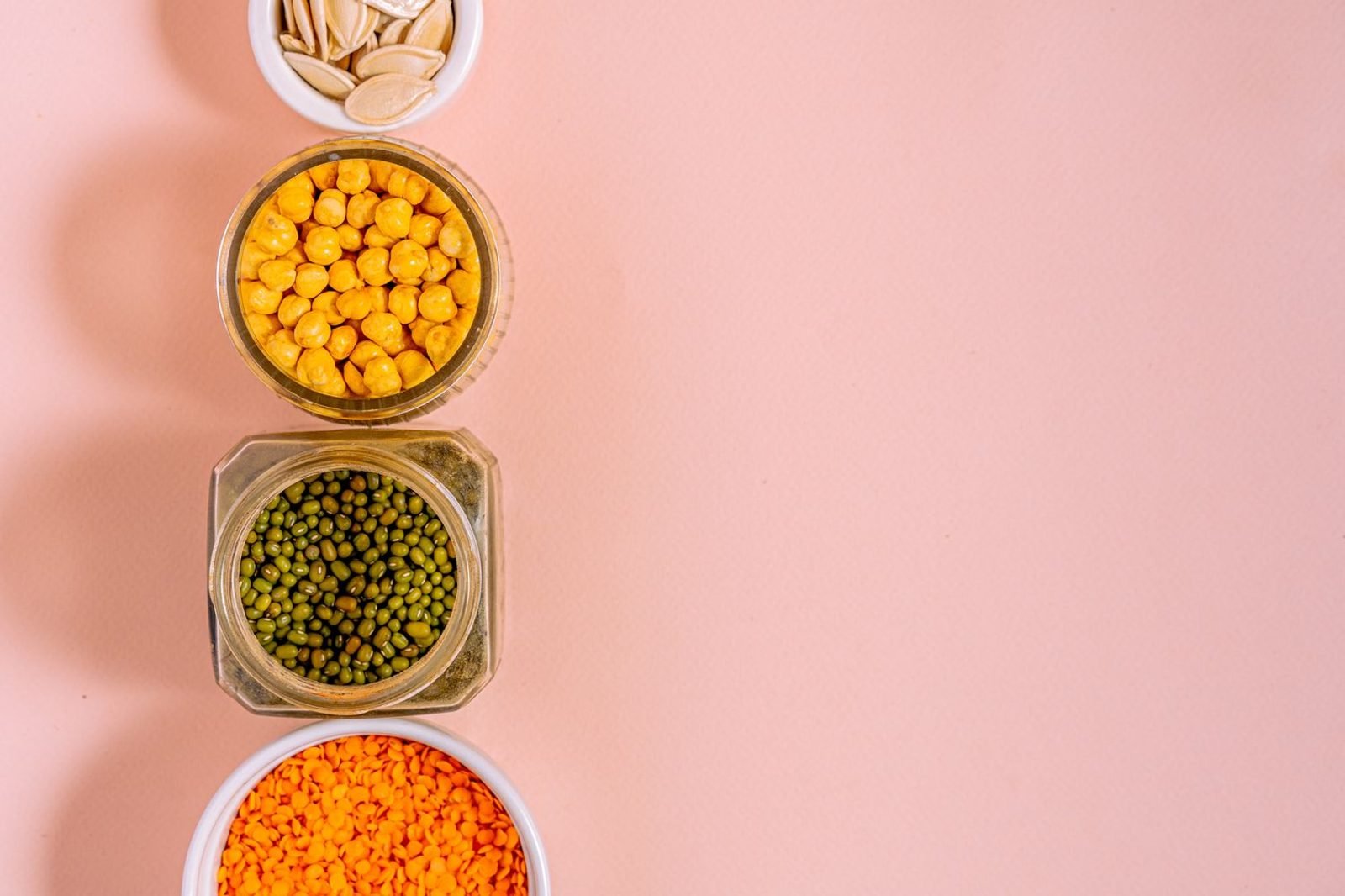
You don’t need meat or supplements to hit your protein target. Here’s roughly how common Indian foods stack up per 100g (raw/dry weight, unless noted):
- Soybean: around 36-37g protein per 100g — the highest among common plant foods in an Indian kitchen
- Chana dal: approximately 25g protein per 100g raw
- Moong dal and urad dal: around 24-25g protein per 100g raw
- Chickpeas (chana/kabuli chana): roughly 19-20g protein per 100g raw
- Paneer: about 18g protein per 100g
- Greek yogurt/hung curd: roughly 8-10g protein per 100g
- Eggs: about 6g protein per large egg (13g per 100g)
- Peanuts and almonds: 20-26g protein per 100g
Keep in mind that cooked dal weighs more due to water absorption, so cooked lentils provide closer to 7-9g protein per 100g rather than the raw figure. A practical everyday combination — two rotis, a bowl of dal, a portion of paneer or curd, and a handful of nuts — can realistically deliver 50-60g of protein across a day without any powders or bars. If you’re building meals around this, our guide on the nutritional value of protein breaks down how these numbers add up across a full day’s eating.
Sample day of vegetarian protein on an Indian diet
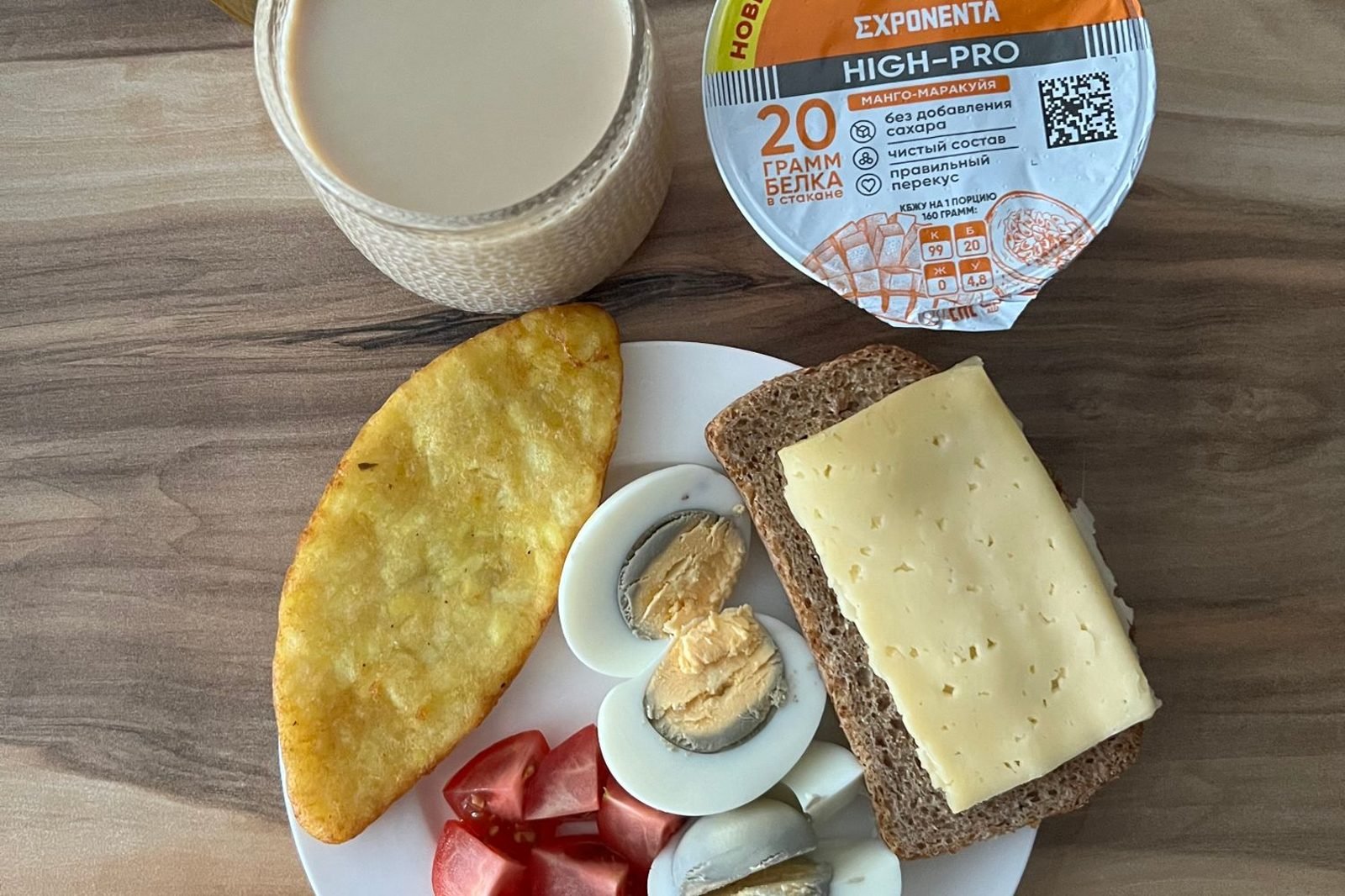
- Breakfast: Moong dal chilla (2 medium) + a cup of curd — roughly 18-20g protein
- Lunch: 2 rotis + 1 cup dal/chana + small paneer sabzi — roughly 22-25g protein
- Snack: Roasted chana or a handful of peanuts — roughly 8-10g protein
- Dinner: 1 cup rajma/soybean curry + brown rice — roughly 15-18g protein
That adds up to roughly 63-73g of protein, comfortably covering most active adults’ daily needs. If you train regularly or follow a sports nutrition or bodybuilding nutrition plan, you’d likely add a post-workout source like a protein shake, extra paneer, or soy chunks to close the gap.
How do you know if you’re not getting enough protein?
Inadequate protein intake doesn’t usually announce itself with a single dramatic symptom — it shows up gradually. Common early signs include persistent fatigue and low energy, unexpected muscle loss or weakness (especially noticeable if you strength train and stop seeing progress), hair thinning or brittle nails, slower recovery from workouts or illness, and getting sick more often because protein is needed to build antibodies. In more severe, prolonged deficiency, swelling (edema) in the hands, feet, or abdomen can occur, though this is uncommon outside of significant undernutrition.
If you’re eating adequate calories overall but notice several of these signs together, it’s worth actually tracking your protein intake for a few days rather than guessing. Many people — particularly vegetarians who don’t plan meals around protein — underestimate how little they’re getting relative to their body weight and activity level.
Does protein timing or type matter beyond the daily total?
The total grams you eat across the day matter more than exact timing for most people, but distribution helps. Spreading protein across three to four meals — rather than loading most of it at dinner — supports better muscle protein synthesis, particularly for anyone strength training. Pairing protein with adequate carbohydrates and fats also matters: protein doesn’t function in isolation, and a diet that’s too low in overall calories will still cause muscle loss even if protein grams look adequate on paper, because the body starts breaking down muscle for energy. Fiber-rich foods alongside protein — vegetables, whole grains, and legumes — also slow digestion and support the gut health that underpins nutrient absorption; see our piece on fiber and nutrition for more on that connection.
How do you calculate your own protein target?
Start with your current body weight in kilograms, not your goal weight. If you’re sedentary or new to structured eating, multiply by 0.83 for a baseline RDA figure. If you walk regularly, do light workouts, or are moderately active, use 1.0 as your multiplier. If you strength train three or more times a week, are trying to build muscle, or are in a calorie deficit while trying to preserve muscle mass, use 1.2-1.6, and check with a coach or dietitian before going higher. A 70kg moderately active adult would land around 70-84g of protein a day; a 70kg person actively building muscle might target 84-105g.
Age matters too. Older adults often need more protein per kilogram than younger adults to counter age-related muscle loss (sarcopenia), even at the same activity level, because the body becomes less efficient at using dietary protein for muscle repair as it ages. Pregnant and breastfeeding women also have higher protein needs than the general adult RDA. None of these are numbers to guess at indefinitely — if you’re unsure where you fall, working from your actual body weight and activity pattern each week and adjusting based on energy, recovery, and strength trends is more reliable than following a flat number pulled from a supplement tub.
Frequently asked questions
How much protein does a sedentary adult need per day?
According to ICMR-NIN, a sedentary adult needs about 0.83g of protein per kg of body weight daily. For a 60kg person, that’s roughly 50g a day. This is the RDA for general health, not for muscle building or high activity levels, which require more.
Can vegetarians get enough protein without supplements?
Yes. Combining dals, legumes, paneer, curd, soy, nuts, and whole grains across meals can easily provide 60-80g of protein daily. Supplements are convenient but not necessary if meals are planned with protein-dense foods at each sitting.
Is soy a complete protein like eggs or chicken?
Yes, soybeans and soy products like tofu and tempeh contain all nine essential amino acids in meaningful amounts, making them one of the few plant-based complete proteins, comparable in quality to eggs, dairy, and meat.
How much protein is too much?
There’s no universally fixed upper limit, but most healthy adults tolerate up to roughly 2g/kg/day without issues. People with kidney conditions should consult a doctor before significantly increasing protein, since the kidneys process protein byproducts.
Does eating rice and dal together really make a complete protein?
Yes. Rice is low in the amino acid lysine but has enough methionine, while dal is rich in lysine but lower in methionine. Eaten together, they complement each other and supply a fuller amino acid profile than either food alone.
What’s a quick way to check if I’m eating enough protein?
Multiply your body weight in kg by 0.8 (sedentary) or 1.0-1.2 (active) to get your daily gram target, then log your meals for two to three days against that number. Persistent fatigue or stalled muscle gains are also practical warning signs worth investigating.
Protein is one piece of a larger picture — pairing it with the right balance of carbs, fats, and micronutrients is what separates a good diet and nutrition plan from one that just chases a single macro. If you’re new to thinking about food this way, our overview of nutrition and food basics is a good starting point before you fine-tune protein specifically.
Figuring out your personal protein number — and building meals around real foods rather than guesswork — is one of the fastest ways to see results in energy and body composition. For a plan tailored to your body weight, activity level, and food preferences, consider booking an online nutritionist consultation with FitStrot’s coaching team.