Nutritional anemia is a condition where your blood cannot carry enough oxygen because your diet is not supplying enough of the raw materials — mainly iron, vitamin B12, or folate — needed to make healthy red blood cells. It is not one disease but a group of related deficiencies, and it is treatable and largely preventable through diet once you know which nutrient is missing. Globally, the World Health Organization estimates that more than 30% of people are affected by anemia, and in India, the National Family Health Survey (NFHS-5, 2019-21) found that 57.2% of women aged 15-49 and 53.1% of children aged 6-59 months are anemic — most of it nutritional in origin. This article explains the types, symptoms, and prevention strategies, and when you need to see a doctor.
What Is Nutritional Anemia?
Nutritional anemia develops when your body doesn’t get enough specific nutrients to produce hemoglobin, the protein in red blood cells that carries oxygen from your lungs to the rest of your body. Your bone marrow ends up making too few red blood cells, or cells that are smaller, larger, or less functional than normal. Either way, tissues get less oxygen, and you feel it as fatigue, breathlessness, and reduced stamina.
Unlike anemias caused by genetic blood disorders, this type traces back to diet, absorption problems, or increased physiological demand — which is why it responds well to dietary correction alongside medical treatment. For the broader picture of how such gaps develop, see our article on nutritional deficiency.
What Are the Types of Nutritional Anemia?
There are three main types of nutritional anemia, each tied to a specific nutrient gap. Knowing which type you might be dealing with matters because the dietary fix and the medical treatment differ for each.
1. Iron-Deficiency Anemia
This is the most common type worldwide. Iron is essential for making hemoglobin, and when intake is low, absorption is poor, or blood loss (from heavy periods, for instance) outpaces intake, red blood cells become small and pale. In India, ICMR-NIN’s 2020 dietary guidelines set the recommended daily iron intake at 19 mg for adult men and 29 mg for adult women — yet national dietary surveys show most districts fall well short of even the lower figure, largely because plant-based Indian diets rely heavily on non-heme iron, which the body absorbs less efficiently than the heme iron in meat and fish.
2. Vitamin B12-Deficiency Anemia
Vitamin B12 is needed to make red blood cells and support nerve function. Deficiency is common in strict vegetarians and vegans since B12 occurs almost exclusively in animal foods, in people over 75, and in anyone with reduced stomach acid, gastric surgery, or long-term use of metformin or acid-reducing medications. Because B12 also affects the nervous system, deficiency can cause tingling in the hands and feet or balance problems — details worth reading in our piece on vitamin nutrition.
3. Folate (Vitamin B9)-Deficiency Anemia
Folate deficiency produces a similar picture to B12 deficiency — both cause “megaloblastic” anemia, where red blood cells grow abnormally large before they’re mature enough to function. Common triggers include a diet low in leafy greens and legumes, excessive alcohol intake, and pregnancy, which roughly doubles a woman’s folate requirement.
Combined deficiencies are also possible — iron plus B12, for example — and can mask each other on a basic blood test since one shrinks red cells while the other enlarges them. That’s one more reason self-diagnosis is unreliable; lab testing is necessary to know exactly what’s short. See our article on the causes of nutritional anemia for a deeper breakdown.
What Are the Symptoms of Nutritional Anemia?
Early nutritional anemia can be mild enough to go unnoticed, according to the Mayo Clinic — symptoms intensify as the deficiency deepens. Common signs include:
- Persistent fatigue and weakness, even after adequate sleep
- Pale skin, and pale inner eyelids or nail beds
- Shortness of breath during activity that previously felt easy
- Dizziness or lightheadedness, and cold hands and feet
- Fast or irregular heartbeat, occasionally with chest discomfort
- Brittle nails and hair thinning
- Cravings for non-food items like ice or clay (called pica, specific to iron deficiency)
- Tingling or numbness in hands and feet, or balance issues (more specific to B12 deficiency)
- A sore, smooth tongue (associated with B12 and folate deficiency)
Cleveland Clinic notes that constant exhaustion with no clear explanation is worth checking with an iron and hemoglobin test rather than chalking it up to stress or poor sleep. For a broader look at how food choices tie into recovery, see our guide on nutritional management of anemia.
Who Is Most at Risk of Nutritional Anemia?
Certain groups face substantially higher risk and should be more vigilant about screening:
- Women of reproductive age, due to monthly blood loss through menstruation
- Pregnant women, whose iron and folate requirements roughly double — NFHS-5 data shows a large share of pregnant women in India are anemic. See nutrition for pregnant women for how to meet these elevated needs
- Vegetarians and vegans, especially those who don’t actively plan for B12 and iron intake
- Older adults over 75, due to reduced stomach acid needed to absorb B12
- People with gastrointestinal conditions such as celiac disease or inflammatory bowel disease, which impair absorption
- People on long-term medications like metformin or acid-reducing drugs, which interfere with B12 absorption
- Children and adolescents during growth spurts, when iron demand rises sharply
If you fall into one or more of these categories, periodic blood testing is more reliable than waiting for symptoms to appear.

How Is Nutritional Anemia Diagnosed?
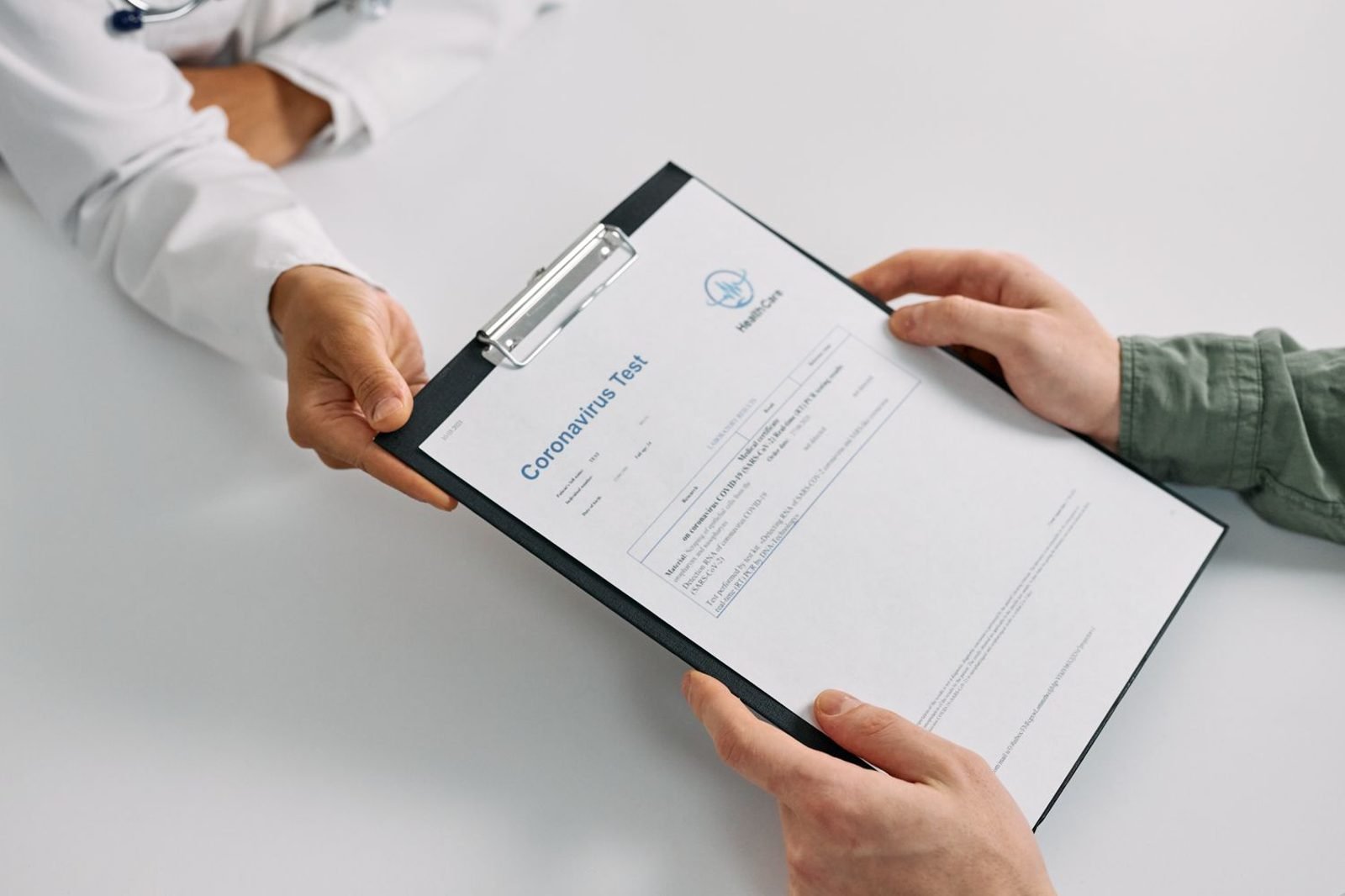
Diagnosis starts with a complete blood count (CBC), which measures hemoglobin levels and red blood cell size. Small, pale cells typically point toward iron deficiency, while unusually large, immature cells suggest B12 or folate deficiency. From there, a doctor may order serum ferritin and iron studies, plus direct measurement of B12 and folate, to confirm exactly which nutrient is low and rule out causes unrelated to diet, such as chronic disease or genetic blood disorders.
Nutritional anemia is not something to self-diagnose or self-treat with over-the-counter iron tablets based on symptoms alone. Unneeded iron supplements can mask other underlying conditions and, in some cases, cause harm. A proper blood test removes the guesswork.
What Is the Treatment for Nutritional Anemia?
Treatment depends on which nutrient is deficient and how severe the deficiency is, and should always be guided by a healthcare provider:
- Iron-deficiency anemia is typically treated with oral iron supplements at a prescribed dose, alongside dietary changes. Severe cases may need intravenous iron or, rarely, a transfusion.
- Vitamin B12 deficiency is often treated with B12 injections, especially in pernicious anemia (an autoimmune absorption disorder), sometimes for life; milder dietary deficiency may respond to oral supplements.
- Folate deficiency is usually corrected with folic acid tablets, along with dietary changes and, if relevant, reduced alcohol intake.
Most people feel less fatigued within a few weeks of starting treatment, though red blood cell counts typically take six to eight weeks to normalize. No single food “cures” nutritional anemia on its own — diet works alongside medically supervised treatment, not as a replacement for it.
How Can You Prevent Nutritional Anemia Through Diet?
Nutritional anemia prevention centers on consistently including the three key nutrients in your daily diet, along with foods that improve how well your body absorbs them.
Iron-Rich Foods to Include
- Heme iron (better absorbed): lean red meat, poultry, fish, and eggs
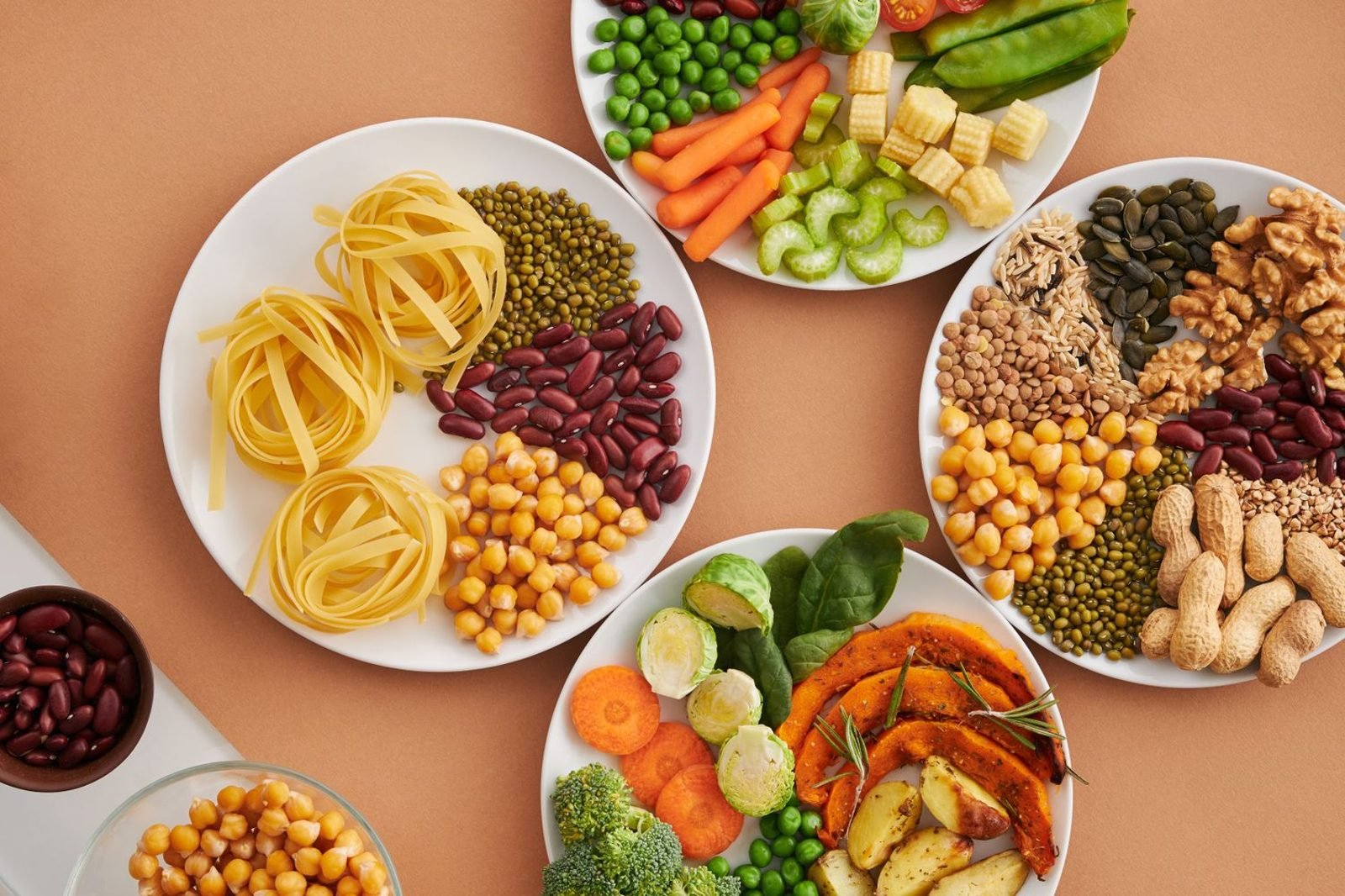
- Non-heme iron (plant-based): lentils, chickpeas, kidney beans, leafy greens, millets, soybeans, nuts, and dried fruits like raisins and apricots
- Pair plant-iron with vitamin C — a squeeze of lemon over dal, or a side of citrus fruit — since vitamin C significantly improves non-heme iron absorption
- Avoid tea or coffee right with meals, since tannins reduce iron absorption; leave a gap of an hour or so
Vitamin B12 and Folate Sources
- B12: eggs, dairy (milk, curd, paneer), fish, and meat. Strict vegetarians and vegans usually need fortified foods or a supplement, since reliable plant sources are essentially nonexistent
- Folate: leafy greens like spinach and fenugreek (methi), lentils, beans, citrus fruits, and beetroot. Pregnant women are generally advised to take a folic acid supplement given the sharply increased requirement
Building these habits into everyday meals, rather than treating them as a temporary fix, is the most sustainable form of nutritional deficiency anemia prevention. Our overview on diet and nutrition is a useful companion read, and protein and nutrition explains how adequate protein supports red blood cell production too.
When Should You See a Doctor?
See a healthcare provider if you notice persistent fatigue, breathlessness on mild exertion, unusual paleness, dizziness, or a racing heartbeat with no obvious explanation — especially if symptoms last more than a couple of weeks. Women with heavy periods, pregnant women, strict vegetarians or vegans, older adults, and anyone with a digestive condition should consider periodic blood testing even without symptoms, given how gradually nutritional anemia can develop. A simple CBC plus an iron or B12/folate panel can catch a deficiency long before it affects daily functioning. Women carry a disproportionate share of this burden due to menstruation and pregnancy combined — a topic covered in more detail in women’s nutrition.
Frequently Asked Questions
What is the main cause of nutritional anemia?
The main cause is inadequate dietary intake of iron, vitamin B12, or folate relative to the body’s needs, though poor absorption (from gut conditions or certain medications) and increased demand (pregnancy, growth, blood loss) can cause it even when diet seems adequate. A blood test identifies the specific nutrient involved.
Can nutritional anemia be cured by diet alone?
Mild deficiencies sometimes improve with diet alone, but moderate-to-severe nutritional anemia usually needs medically supervised supplementation — oral iron, B12 injections, or folic acid tablets — alongside dietary changes. Diet supports recovery and prevents recurrence; it should not replace treatment prescribed by a doctor.
How long does it take to recover from nutritional anemia?
Most people notice reduced fatigue within a few weeks of starting appropriate treatment, but red blood cell counts typically take six to eight weeks to fully normalize. Recovery time varies based on how severe the deficiency was and how consistently treatment and dietary changes are followed.
Is nutritional anemia the same as iron-deficiency anemia?
No. Iron-deficiency anemia is the most common type of nutritional anemia, but the category also includes vitamin B12-deficiency anemia and folate-deficiency anemia. All three fall under “nutritional anemia” because they stem from inadequate nutrient intake or absorption rather than genetic or bone marrow disorders.
Which foods should vegetarians prioritize to prevent nutritional anemia?
Vegetarians should prioritize lentils, beans, leafy greens, and fortified cereals for iron and folate, paired with vitamin C-rich foods to boost absorption. Since B12 occurs almost exclusively in animal foods, vegetarians and especially vegans often need fortified foods or a B12 supplement to meet requirements.
Can nutritional anemia come back after treatment?
Yes, if the underlying dietary gap or absorption issue isn’t addressed long-term, anemia can recur after treatment ends. This is why doctors often recommend follow-up blood tests and sustained dietary habits rather than stopping supplementation the moment symptoms improve.
If you’re noticing symptoms of nutritional anemia or have been told your iron, B12, or folate levels are low, working with a professional can help you build a diet that actually closes the gap — not just guesswork with supplements. An online nutritionist consultation with FitStrot can help you create a personalized eating plan that works alongside your doctor’s medical treatment, so you’re addressing the deficiency from both directions at once.