Nutritional deficiency diseases are health conditions caused by a prolonged lack of specific vitamins or minerals in the diet, and each one maps to a specific missing nutrient with its own set of warning signs. Scurvy comes from too little vitamin C, rickets from too little vitamin D and calcium, beriberi from a lack of vitamin B1, pellagra from insufficient niacin, goiter from an iodine shortfall, and anemia most often from too little iron. Most of these conditions are preventable through a varied, nutrient-dense diet, and several are reversible once the missing nutrient is restored. This guide walks through the most common deficiency diseases so you can match your symptoms to a likely cause and know which foods help prevent each one.
What Are Nutritional Deficiency Diseases?
A nutritional deficiency disease develops when the body doesn’t get enough of a specific vitamin, mineral, or macronutrient over an extended period — usually weeks to months, depending on the nutrient and the body’s stored reserves. Unlike infections, these conditions aren’t caused by pathogens; they’re caused by gaps in nutritional deficiency intake, poor absorption, increased nutrient needs (pregnancy, growth spurts), or chronic illness. Some deficiencies, like iron-deficiency anemia, are common worldwide. Others, like scurvy, are rare where fresh produce is accessible but still appear in people with restrictive diets, alcohol use disorder, or malabsorption conditions.
Recognizing where symptoms show up, how long they’ve been building, and what your typical diet looks like is often the first clue to which nutrient is missing. This guide covers the classic nutritional deficiency disorders that clinicians and public health bodies reference most, along with the dietary sources that help prevent each one.
What Is Malnutrition? A Quick Explainer
Malnutrition is an umbrella term covering both undernutrition (not enough calories, protein, vitamins, or minerals) and overnutrition (excess calories or specific nutrients linked to conditions like obesity). Within undernutrition, deficiency diseases fall into two broad categories: micronutrient deficiencies, where a specific vitamin or mineral is missing, and protein-energy malnutrition, where the diet lacks enough protein and calories overall. Malnutrition contributes to a significant share of deaths among children under five worldwide, which is why prevention is a priority in maternal and child nutrition programs. The sections below cover the most common nutritional deficiency diseases, starting with vitamin-related conditions and moving to mineral and protein deficiencies.
Nutritional Deficiency Diseases at a Glance
| Disease | Nutrient Deficiency | Key Symptoms | Dietary Prevention |
|---|---|---|---|
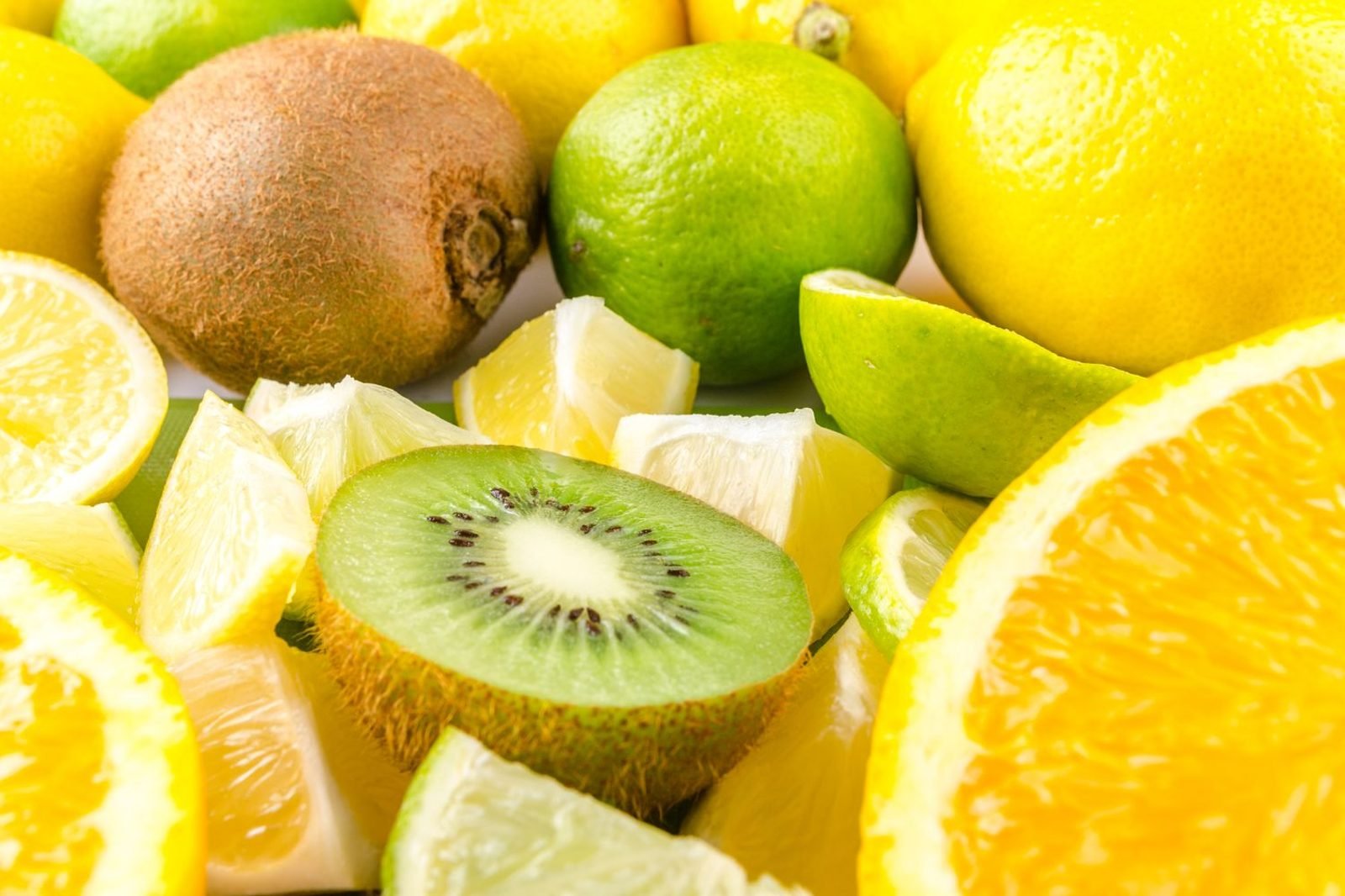
| Scurvy | Vitamin C | Weakness, joint pain, swollen/bleeding gums, slow wound healing | Citrus fruits, bell peppers, strawberries, kiwi, broccoli, tomatoes |
| Rickets / Osteomalacia | Vitamin D and calcium | Bowlegs, knock-knees, weakened bones, bone pain, muscle weakness | Fatty fish, egg yolks, fortified milk and cereals, sun exposure |
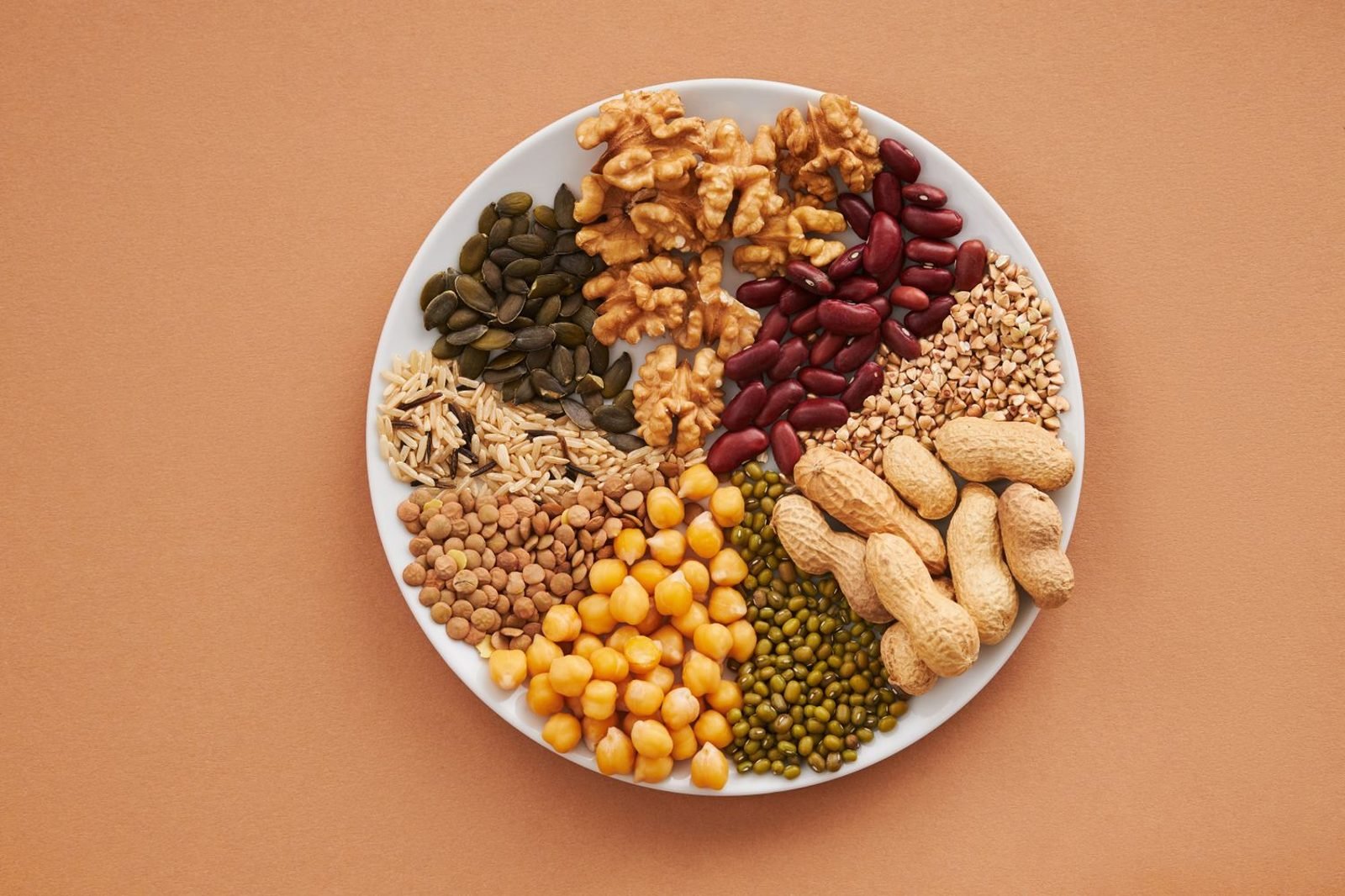
| Beriberi | Vitamin B1 (thiamine) | Increased heart rate and swelling (“wet”), or muscle weakness and tingling (“dry”) | Whole grains, legumes, pork, seeds, fortified cereals |
| Pellagra | Niacin (vitamin B3) | Dermatitis, diarrhea, dementia (the “three D’s”) | Poultry, fish, peanuts, mushrooms, whole grains |
| Goiter | Iodine | Visible neck swelling, fatigue, weight gain, cold sensitivity | Iodized salt, seafood, dairy products, eggs |
| Nutritional anemia | Iron and/or vitamin B12 | Persistent fatigue, weakness, shortness of breath, pale skin | Red meat, poultry, lentils, spinach, fortified cereals; eggs and dairy for B12 |
| Kwashiorkor / Marasmus | Protein and/or overall calories | Edema and distended abdomen (kwashiorkor); muscle and fat loss, low weight-for-height (marasmus) | Consistent access to legumes, eggs, dairy, fish, meat, and sufficient grains/fats |
Scurvy: What Vitamin C Deficiency Looks Like
Cause: Scurvy results from a severe, prolonged lack of vitamin C (ascorbic acid), typically after several months without adequate intake. Vitamin C is essential for collagen synthesis, which is why its absence affects skin, gums, and blood vessels.
Symptoms: Early signs include general weakness, fatigue, irritability, and joint pain. Left untreated, scurvy progresses to swollen and bleeding gums, loosened teeth, small red or purple spots on the skin, and slow wound healing, according to Cleveland Clinic.
Dietary prevention: Citrus fruits (oranges, lemons), bell peppers, strawberries, kiwi, broccoli, and tomatoes are reliable vitamin C sources. Because the body doesn’t store large reserves of vitamin C, regular daily intake through fruits and vegetables matters more than occasional large servings.
Rickets and Osteomalacia: What Does Vitamin D Deficiency Cause?
Cause: Rickets in children and osteomalacia in adults both stem from insufficient vitamin D, which the body needs to absorb calcium and phosphorus for bone mineralization. Limited sun exposure and diets low in vitamin D or calcium raise the risk.
Symptoms: Early symptoms in children include restlessness, profuse sweating, and delayed development. If the deficiency continues, rickets can cause bowlegs, knock-knees, a narrowed chest, and weakened bones prone to fracture. Adults with osteomalacia often report bone pain and muscle weakness.
Dietary prevention: Fatty fish (salmon, mackerel, sardines), egg yolks, fortified milk and cereals, and moderate sun exposure support vitamin D levels. Pairing vitamin D sources with calcium-rich foods like dairy, leafy greens, and fortified plant milks offers stronger bone protection than either nutrient alone.
Beriberi: How Does Thiamine (Vitamin B1) Deficiency Present?
Cause: Beriberi is caused by a deficiency of thiamine (vitamin B1), a nutrient needed for converting food into energy and supporting nerve function. It’s more common in populations relying heavily on polished white rice with little dietary variety, and in people with alcohol use disorder, since alcohol impairs thiamine absorption.
Symptoms: “Wet” beriberi affects the cardiovascular system, causing an increased heart rate, shortness of breath, and swelling in the lower legs. “Dry” beriberi affects the nervous system, leading to muscle weakness, difficulty walking, and tingling.
Dietary prevention: Whole grains, legumes, pork, seeds, and fortified cereals are strong thiamine sources. Choosing whole or enriched grains over heavily refined ones helps retain the thiamine that milling typically strips away.
Pellagra: What Are the Signs of Niacin Deficiency?
Cause: Pellagra develops from a severe deficiency of niacin (vitamin B3), most often linked to poor overall diet quality or diets centered on untreated corn or maize without adequate protein variety. Certain gastrointestinal conditions and chronic alcohol use can also trigger it.
Symptoms: Pellagra is classically described by the “three D’s”: dermatitis (a symmetrical, sun-exposed skin rash), diarrhea, and dementia, according to Cleveland Clinic. Left untreated, severe cases can be fatal, which is why prompt dietary correction and medical care matter.
Dietary prevention: Poultry, fish, peanuts, mushrooms, and whole grains supply niacin directly. The body can also convert the amino acid tryptophan — found in eggs, dairy, and meat — into niacin, so diversifying protein sources helps guard against deficiency.
Goiter: What Does Iodine Deficiency Do to the Thyroid?
Cause: Goiter, an enlargement of the thyroid gland, happens when the thyroid doesn’t get enough iodine to produce thyroid hormone. The gland enlarges as it works harder to compensate, according to Cleveland Clinic and the NIH’s Endotext resource on iodine deficiency disorders.
Symptoms: A visible swelling at the base of the neck is the hallmark sign. Because iodine deficiency also causes hypothyroidism, symptoms often include fatigue, unexplained weight gain, dry skin, and cold sensitivity.
Dietary prevention: Iodized salt, seafood, dairy products, and eggs are the most reliable iodine sources. Research published in the American Journal of Clinical Nutrition found that iron deficiency can blunt the body’s response to iodine supplementation in goitrous children — one reason correcting multiple deficiencies together often works better than a single-nutrient fix.
Nutritional Anemia: What Causes Iron and Vitamin B12 Deficiency?
Cause: Iron-deficiency anemia, the most common form of nutritional anemia worldwide, occurs when the body lacks enough iron to produce adequate hemoglobin for oxygen transport. Vitamin B12 and folate deficiencies cause a related but distinct type called megaloblastic anemia. Heavy menstrual bleeding, pregnancy, and poor dietary intake are common contributors.
Symptoms: Because onset is often gradual, symptoms can be subtle at first — persistent fatigue, weakness, shortness of breath during light activity, and pale skin are typical early complaints.
Dietary prevention: Red meat, poultry, lentils, spinach, and fortified cereals supply iron, while pairing plant-based iron sources with vitamin C-rich foods improves absorption. Eggs, dairy, and fortified nutritional yeast support B12 status, especially for people on vegetarian or vegan diets. See our guide to nutritional anemia for more.
Kwashiorkor and Marasmus: What Is Protein-Energy Malnutrition?
Cause: Kwashiorkor and marasmus are the two major forms of severe protein-energy malnutrition. Kwashiorkor results from a diet with enough calories but too little protein, while marasmus results from an overall shortage of calories and all macronutrients. Both are most common in young children in food-insecure settings, particularly around the age when a child transitions away from breastfeeding to a diet heavier in starchy carbohydrates but lower in protein.
Symptoms: Kwashiorkor is marked by swelling (edema) in the legs and face, a distended abdomen, and thinning hair. Marasmus presents differently — significant loss of muscle and fat, low weight-for-height, and a head that looks disproportionately large. Global health data shows malnutrition is linked to roughly 45% of deaths among children under five, underscoring why early recognition matters.
Dietary prevention: Consistent access to a variety of protein sources — legumes, eggs, dairy, fish, and meat where available — alongside sufficient calories from grains and healthy fats is the core prevention strategy. Reviewing a broader list of nutritional deficiency diseases can help caregivers spot overlapping symptoms early.

Other Deficiencies Worth Knowing
Beyond the classic diseases above, a few other nutrient gaps show up often enough to mention. Zinc deficiency can slow wound healing and weaken immune response — lean meats, seeds, and legumes help, and our zinc nutrition guide covers this further. Magnesium deficiency is linked to muscle cramps and fatigue; nuts, leafy greens, and whole grains support healthy levels, as explained in our magnesium nutrition article. Omega-3 shortfalls are increasingly tied to cardiovascular and cognitive concerns — fatty fish, walnuts, and flaxseed are practical sources, covered in our omega-3 nutrition piece. For a full rundown of how these conditions relate to one another, see our guide on diseases caused by nutritional deficiency.
How to Prevent Nutritional Deficiency Diseases Through Diet
Most nutritional deficiency diseases share one prevention strategy: consistent variety. No single food covers every vitamin and mineral, so a diet built around fruits, vegetables, whole grains, legumes, lean protein, and dairy or fortified alternatives covers most bases. People at higher risk — pregnant women, older adults, strict vegetarians and vegans, people with malabsorption conditions like celiac disease, and those with limited food access — often benefit from targeted screening and, when needed, supplementation under medical guidance. Reviewing general vitamin nutrition basics is a reasonable starting point for anyone unsure whether their current diet covers the essentials.
If you notice a cluster of symptoms — unexplained fatigue, skin or gum changes, bone pain, or a swollen neck — it’s worth getting bloodwork done rather than guessing. Many of these conditions look similar early on, and lab testing is the only reliable way to confirm which nutrient is actually low.
Frequently Asked Questions
What are nutritional deficiency diseases?
Nutritional deficiency diseases are health conditions caused by a prolonged shortage of a specific vitamin, mineral, or macronutrient. Examples include scurvy (vitamin C), rickets (vitamin D), beriberi (vitamin B1), pellagra (niacin), goiter (iodine), and anemia (iron or B12). Most improve once the missing nutrient is restored through diet or supplementation.
What is malnutrition, and how does it relate to these diseases?
Malnutrition is a broader term covering both undernutrition and overnutrition. Nutritional deficiency diseases are one category of undernutrition — they occur when specific micronutrients or protein and calories are chronically insufficient, distinct from general overeating or obesity-related conditions.
Can nutritional deficiency diseases be reversed?
Many can be reversed, especially when caught early. Scurvy and beriberi often improve within weeks of restoring the missing vitamin. Rickets can be corrected in children if treated before bone deformities become permanent. Severe or long-standing cases may need medical supervision alongside dietary changes.
Which nutritional deficiency is most common worldwide?
Iron-deficiency anemia is considered the most widespread nutritional deficiency globally, affecting people across age groups, though it’s especially common in women of reproductive age and young children. Vitamin D and B12 deficiencies are also frequently reported.
How can I tell which deficiency I might have?
Look at where symptoms show up: gum and skin issues suggest vitamin C, bone pain suggests vitamin D or calcium, persistent fatigue suggests iron or B12, and neck swelling suggests iodine. Symptom patterns are a starting clue, not a diagnosis — blood tests confirm which nutrient is actually low.
Are children more vulnerable to nutritional deficiency diseases?
Yes. Growing bodies have higher nutrient demands relative to their size, and conditions like rickets, kwashiorkor, and marasmus specifically affect infants and young children. Consistent, varied feeding during and after weaning is one of the most effective prevention steps caregivers can take.
If you’re dealing with persistent symptoms or want a personalized eating plan that closes specific nutrient gaps, an online nutritionist consultation can help you identify what your diet is missing and build a realistic plan around it.