Good nutrition for pregnant women changes shape as the baby grows: the first trimester is about folic acid and managing nausea on a mostly unchanged calorie budget, the second trimester adds about 340 extra calories a day plus a sharp rise in iron and calcium needs, and the third trimester adds roughly 450 extra calories a day along with more protein and choline for rapid brain growth. Across all three stages, a prenatal vitamin, iron-rich foods, dairy or fortified alternatives, and two to three servings of low-mercury seafood a week form the backbone of a safe pregnancy diet. This guide breaks down what to eat trimester by trimester, and what to leave off your plate.
Every pregnancy is different, and needs can shift based on your weight, health history, and whether you’re carrying multiples — nothing here replaces individualized advice from your OB-GYN, midwife, or a registered dietitian. Planning a pregnancy rather than already in one? It’s worth reading up on fertility nutrition too, since many of the same nutrients matter before conception.
Why does nutrition matter so much more once you’re pregnant?
Pregnancy nutrition matters because your body is building an entirely new organ (the placenta), expanding blood volume by up to 50%, and supplying every raw material a fetus uses to grow bone, brain, and organ tissue. ACOG notes that a balanced pregnancy diet should draw from protein-rich foods, whole grains, dairy, and a wide variety of fruits and vegetables, with total weight gain guided by pre-pregnancy BMI rather than one fixed number. Under-eating specific nutrients — iron and folic acid especially — carries measurable risk, while over-eating generic calories without added nutrients doesn’t serve the baby. The goal isn’t “eating for two” in volume; it’s eating with more precision. The more specific guides on nutritional needs during pregnancy and pregnancy nutrition exist alongside this one for that reason — they go deeper on single nutrients, while this article maps the full trimester picture.
What should you eat in the first trimester (weeks 1–12)?
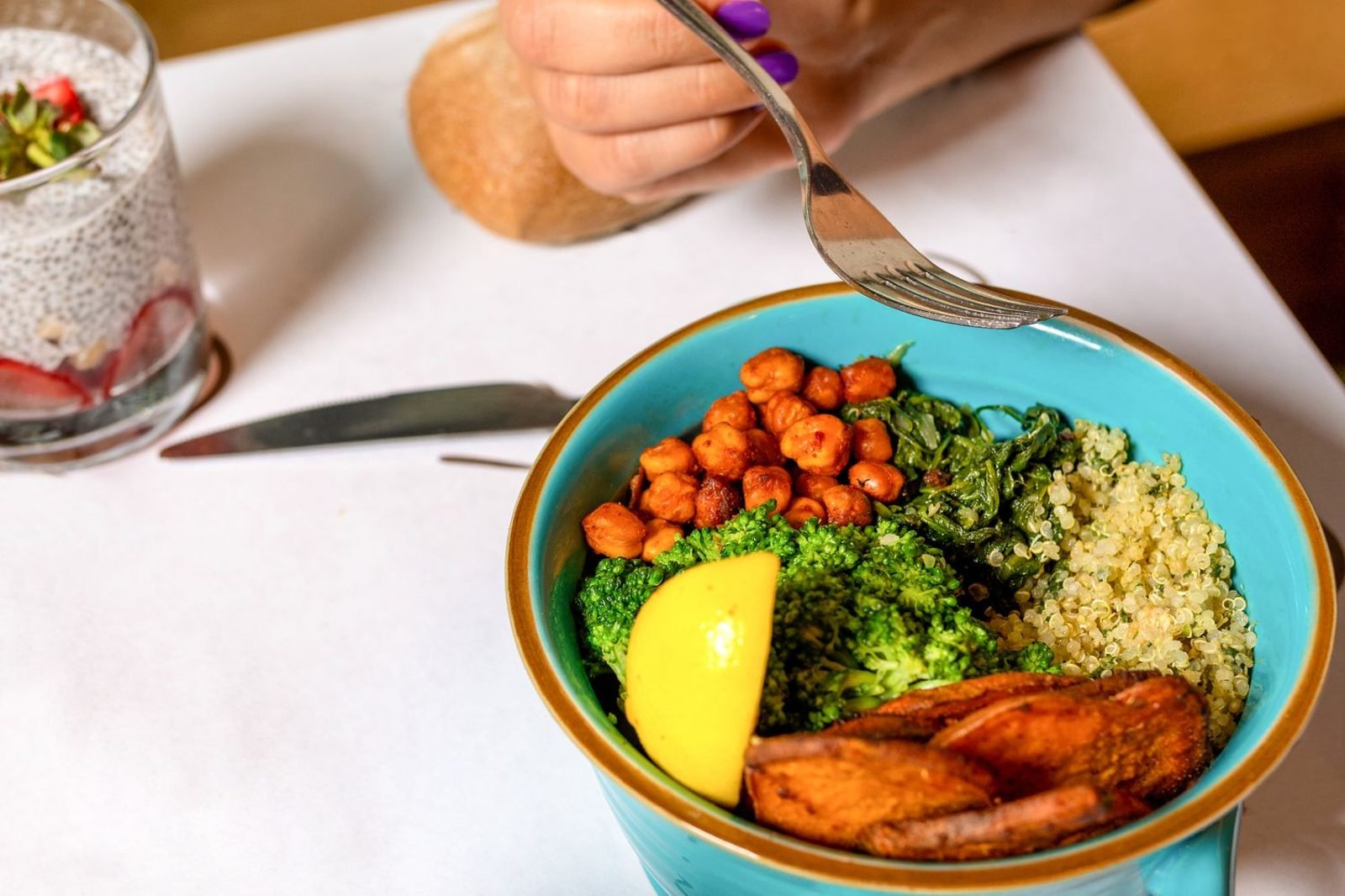
In the first trimester, focus on folic acid, hydration, and small frequent meals rather than extra calories — ACOG says most women don’t need any additional calories at this stage. The priority nutrient is folic acid: ACOG recommends 600 micrograms daily, and the neural tube (which becomes the brain and spinal cord) finishes forming by around week 6, often before many people know they’re pregnant. This is why doctors recommend starting a prenatal vitamin with folic acid before conception if possible.
Good folate sources include leafy greens like spinach and romaine, fortified breakfast cereals, lentils, chickpeas, and citrus fruit. Since morning sickness peaks in this window for many women, bland, iron-friendly foods — dry toast, crackers, bananas, ginger tea — can help you keep something down without triggering nausea. If food aversions make balanced eating hard, aim for consistency over perfection: a handful of nuts, a glass of milk, or a spoonful of peanut butter still delivers protein and calcium on days a full meal feels impossible. Ginger, vitamin B6, and eating before you get out of bed are commonly recommended strategies — but persistent vomiting that prevents you from keeping fluids down needs a call to your doctor, since it can signal hyperemesis gravidarum, a condition requiring medical treatment.
What changes nutritionally in the second trimester (weeks 13–27)?
The second trimester is when calorie and mineral needs climb: ACOG recommends about 340 extra calories a day — roughly a glass of milk and half a sandwich — along with a jump in iron and calcium requirements as the baby’s skeleton and blood supply develop rapidly. Iron needs rise to 27 mg a day, nearly double the non-pregnant requirement, because your blood volume is expanding to carry oxygen to the placenta. Good sources include lean red meat, poultry, beans, spinach, and fortified cereals; pairing iron-rich plant foods with vitamin C (citrus, bell peppers, strawberries) improves absorption.
Calcium needs are 1,000 mg a day for women 19 and older, or 1,300 mg a day for pregnant teens 18 and under, per ACOG. Dairy, fortified plant milks, tofu made with calcium sulfate, and canned salmon with bones are reliable sources. This is also when omega-3 fatty acids (particularly DHA) become more important for fetal brain and eye development — low-mercury fish like salmon, sardines, and trout twice a week is a practical way to get there.
For a deeper look at how these mineral needs are calculated and why they shift, the calcium nutrition and protein and nutrition guides break down the science in more detail than fits here.
How much protein do you need in the second trimester?
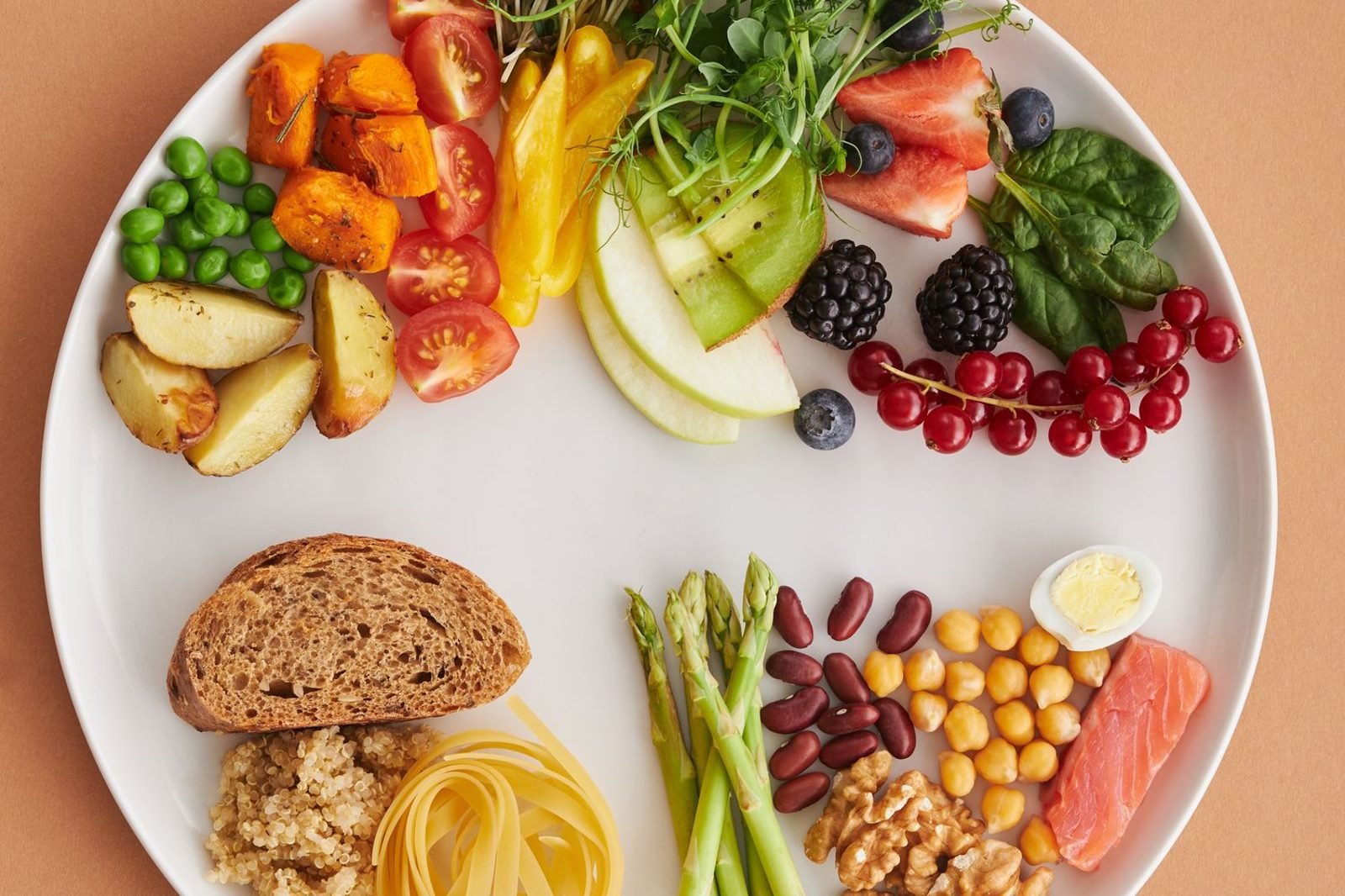
Protein needs increase to support the placenta, amniotic fluid, and the baby’s rapidly growing tissue, with many prenatal guidelines suggesting roughly 71 grams a day — up from about 46 grams for non-pregnant women. Eggs, Greek yogurt, beans, lentils, tofu, chicken, and fish all count, and spreading protein across three meals plus a snack tends to be easier to sustain than loading it into one meal.
What does the third trimester (weeks 28–40) require?
The third trimester calls for about 450 extra calories a day, according to ACOG, along with continued high iron, calcium, and protein intake as the baby gains most of its birth weight in these final weeks. This is also when choline becomes especially relevant — it supports fetal brain development and is found in eggs, lean meat, fish, and cruciferous vegetables like broccoli. Many standard prenatal vitamins are still low in choline, so getting it from food matters even if you’re supplementing.
Heartburn and reduced stomach capacity are common as the uterus crowds your digestive organs, so smaller, more frequent meals often work better than three large ones. Fiber-rich foods — whole grains, fruit with the skin on, vegetables, and water — help manage the constipation common in late pregnancy, from both iron supplementation and hormonal changes.
Iron stores built up now also buffer against blood loss during delivery, so this isn’t the stage to relax intake even if supplements cause discomfort — talk to your provider about timing or formulation changes rather than stopping. If you’re planning to breastfeed, these same priorities (protein, calcium, DHA, hydration) carry into the postpartum period to support milk production. See the nutrition during pregnancy guide for how targets evolve across all three stages.
Which foods and drinks should you avoid or limit during pregnancy?
Foods to avoid during pregnancy fall into a few clear categories: high-mercury fish, raw or undercooked animal products, unpasteurized dairy, excess vitamin A, alcohol, and high caffeine intake. Mayo Clinic and the FDA specifically advise against bigeye tuna, shark, king mackerel, swordfish, and tilefish because of high mercury content, which can damage a developing baby’s brain and nervous system. Instead, the Dietary Guidelines for Americans recommends 8 to 12 ounces (2–3 servings) a week of lower-mercury options like salmon, light canned tuna, and freshwater trout. Other categories to avoid:
- Raw or undercooked seafood and eggs: sushi, sashimi, ceviche, and soft-cooked or raw eggs carry salmonella and listeria risk.
- Unpasteurized dairy and soft cheeses: brie, feta, and blue cheese can harbor listeria unless labeled pasteurized.
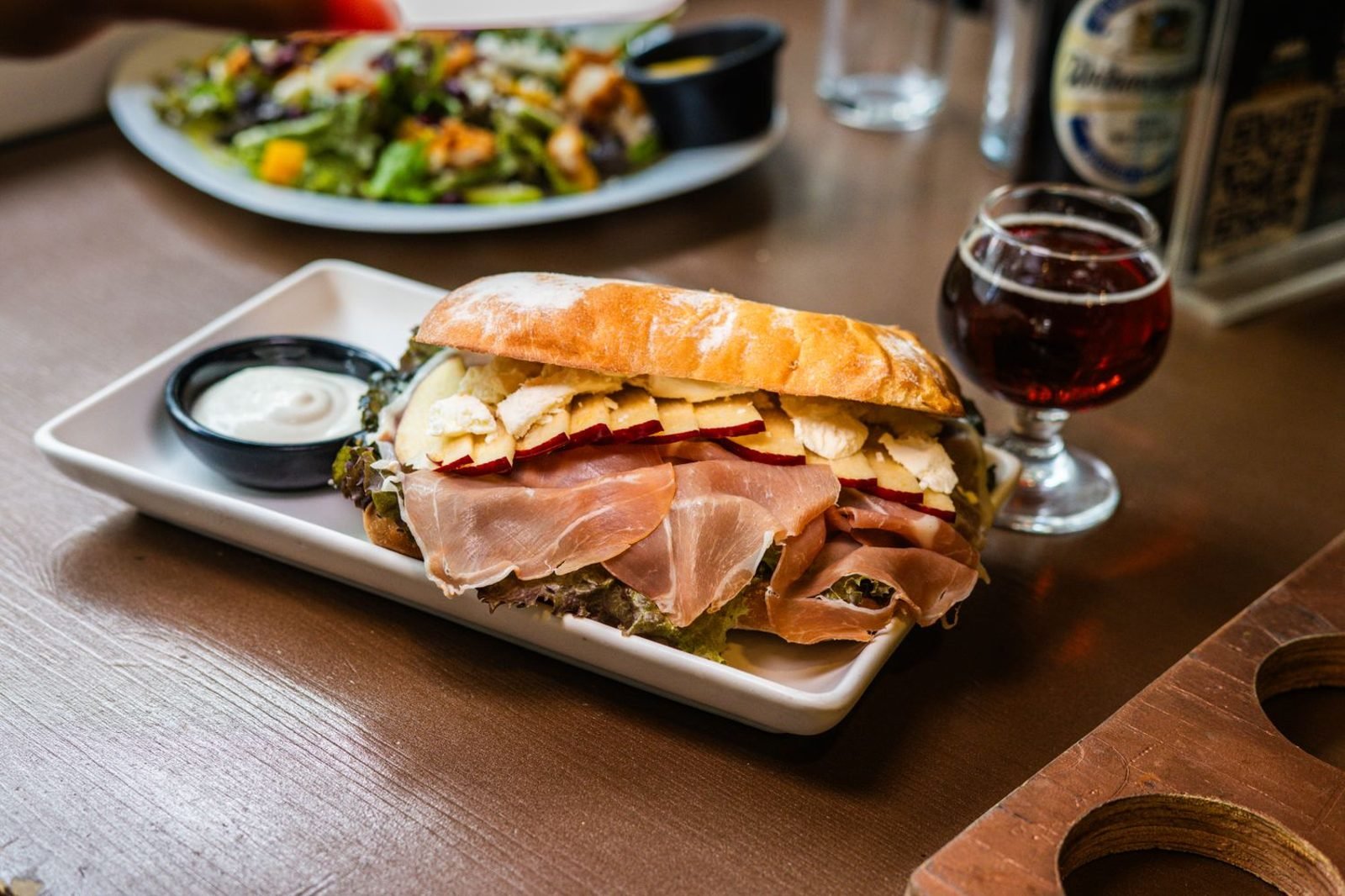
- Deli meat and hot dogs: eat only if heated until steaming hot, since cold cuts are a known listeria source that can cross the placenta.
- Alcohol: no amount has been proven safe; it raises the risk of miscarriage, stillbirth, and fetal alcohol syndrome.
- Excess caffeine: ACOG advises staying under 200 mg a day, roughly one 12-ounce cup of coffee.
- Liver and organ meat in large amounts: extremely high in preformed vitamin A, which in excess — especially in the first trimester — has been linked to birth defects; a few ounces once a week is the usual guidance.
Do you need a prenatal vitamin if you’re already eating well?
Yes — ACOG and the Academy of Nutrition and Dietetics recommend a daily prenatal supplement for essentially all pregnant women, since folic acid and iron are difficult to get in sufficient amounts from food alone, especially early on before nausea subsides. A prenatal vitamin is a backup, not a replacement for food — it fills gaps rather than supplying your full nutrient load. Your OB-GYN can recommend a formulation and confirm dosing from your bloodwork, particularly if you’re iron-deficient or at higher risk for neural tube defects, in which case recommended folic acid rises well above the standard 600 mcg. Never self-prescribe high-dose supplements, including vitamin A or iron, without medical guidance. The vitamin nutrition guide covers how individual vitamins interact, and the nutritional requirements during pregnancy guide has a full nutrient-by-nutrient reference table.
Frequently asked questions
Is it safe to follow a vegetarian or vegan diet during pregnancy?
Yes, with planning. Vegetarian and vegan pregnancies can meet all nutrient needs, but require deliberate attention to iron, vitamin B12, choline, and DHA, which are harder to get from plant foods alone. Work with your OB-GYN or a dietitian to check whether you need supplementation beyond a standard prenatal vitamin.
Can you eat sushi at all while pregnant?
Cooked sushi rolls, like tempura or cooked shrimp rolls, are generally fine, but raw preparations such as sashimi and nigiri should be avoided due to listeria and parasite risk. Fully cooked, vegetable-based, or shelf-stable canned-fish rolls are safer substitutes.
How much water should you drink daily during pregnancy?
Most guidance suggests around 8 to 12 cups (roughly 2.3 liters) of fluids daily, adjusted for activity level and trimester, since blood volume expansion and amniotic fluid production both increase hydration needs. Ask your provider for a personalized target if you notice swelling or reduced urination.
Is it normal to lose your appetite or crave very specific foods?
Yes, both appetite loss (especially early on) and strong cravings or aversions are common due to hormonal shifts. Focus on nutrient-dense options within what you can tolerate, and mention persistent appetite loss or cravings for non-food items — a condition called pica — to your doctor.
Do you really need to gain a specific amount of weight?
Recommended weight gain depends on your pre-pregnancy BMI, not a single universal number — ACOG provides individualized ranges for women starting underweight, at a moderate weight, overweight, or obese. Your OB-GYN tracks this at each visit and flags if you’re gaining faster or slower than expected.
Can you still have caffeine every day during pregnancy?
Moderate caffeine is considered acceptable — ACOG caps it at under 200 mg a day, about one 12-ounce cup of coffee. This includes caffeine from tea, soda, and chocolate, so it helps to add up total intake rather than tracking coffee alone.
Every pregnancy carries its own nutrient story, shaped by health history, lab results, and how the pregnancy is progressing — the trimester ranges here are a starting map, not a personalized plan. If you want a plan built around your specific bloodwork and OB-GYN’s guidance, an online nutritionist consultation can turn these guidelines into a week-by-week meal plan that fits your life.