Most adults need between 8 and 11 mg of zinc a day, and the honest answer on the internet’s favorite zinc claim is this: taking zinc lozenges at the very first sign of a cold can shave about two days off how long you’re sick, according to a 2024 Cochrane review, but it won’t make symptoms milder and won’t stop you from catching one in the first place. Zinc nutrition deserves more credit than a cold remedy, though — this mineral runs hundreds of enzyme systems involved in immune defense, wound healing, taste and smell, and growth. Get the amount right and it quietly supports all of that; get it wrong in either direction — too little or, less obviously, too much — and problems show up.
What does zinc actually do in the body?
Zinc is a trace mineral required for the catalytic activity of hundreds of enzymes, including those involved in DNA synthesis, protein production, and cell division. A few roles stand out:
- Immune function. Zinc helps immune cells develop and communicate, and a deficiency measurably impairs the body’s ability to fight off bacteria and viruses.
- Wound healing. Zinc supports the cell division and protein synthesis needed to repair skin and tissue. Low zinc status is a recognized contributor to delayed wound healing, particularly in older adults.
- Taste and smell. Zinc is tied to the proper function of taste buds and olfactory receptors — deficiency at any age can cause genuine loss of taste and smell.
- Growth and development. During pregnancy, infancy, childhood, and adolescence, zinc is essential for normal growth. Deficiency in children can slow growth and, if severe enough, cause lasting reproductive effects into adulthood.
Because zinc touches so many systems, its effects overlap with other nutritional deficiency patterns — low zinc rarely travels alone.

How much zinc do you need per day?
The Recommended Dietary Allowance (RDA) for zinc varies by age, sex, and life stage. According to the National Institutes of Health Office of Dietary Supplements (NIH ODS), the daily targets are:
- Infants 0–6 months: 2 mg (adequate intake)
- Infants 7–12 months: 3 mg
- Children 1–3 years: 3 mg
- Children 4–8 years: 5 mg
- Children 9–13 years: 8 mg
- Teen males 14–18 years: 11 mg
- Teen females 14–18 years: 9 mg
- Adult men (19+): 11 mg
- Adult women (19+): 8 mg
- Pregnant women: 11–12 mg
- Breastfeeding women: 12–13 mg
Notice the gap between adult men and women — 11 mg versus 8 mg — which reflects differences in body size and lean mass, similar to how protein and nutrition needs also scale with body composition. Most people in the US get enough zinc through food, but certain groups are more likely to fall short: people with inflammatory bowel disease or a history of bariatric surgery, heavy alcohol users, and — importantly — people following vegetarian or vegan diets.
What foods are the best sources of zinc?
Animal foods provide the most bioavailable zinc, meaning more of it actually gets absorbed rather than passing through:
- Oysters — by far the richest source, containing far more zinc per serving than any other food
- Red meat and poultry — beef, pork, and chicken are reliable everyday sources
- Seafood — crab and lobster provide meaningful amounts
- Fortified breakfast cereals — a major contributor to zinc intake in the US diet
- Dairy and eggs — moderate but consistent sources
- Beans, nuts, and whole grains — contain zinc, but with lower bioavailability (more below)
Zinc absorption from food ranges anywhere from 5% to more than 50%, depending largely on how much plant-based food — and therefore phytate — is in the meal.
Why do vegetarians and vegans need more zinc?
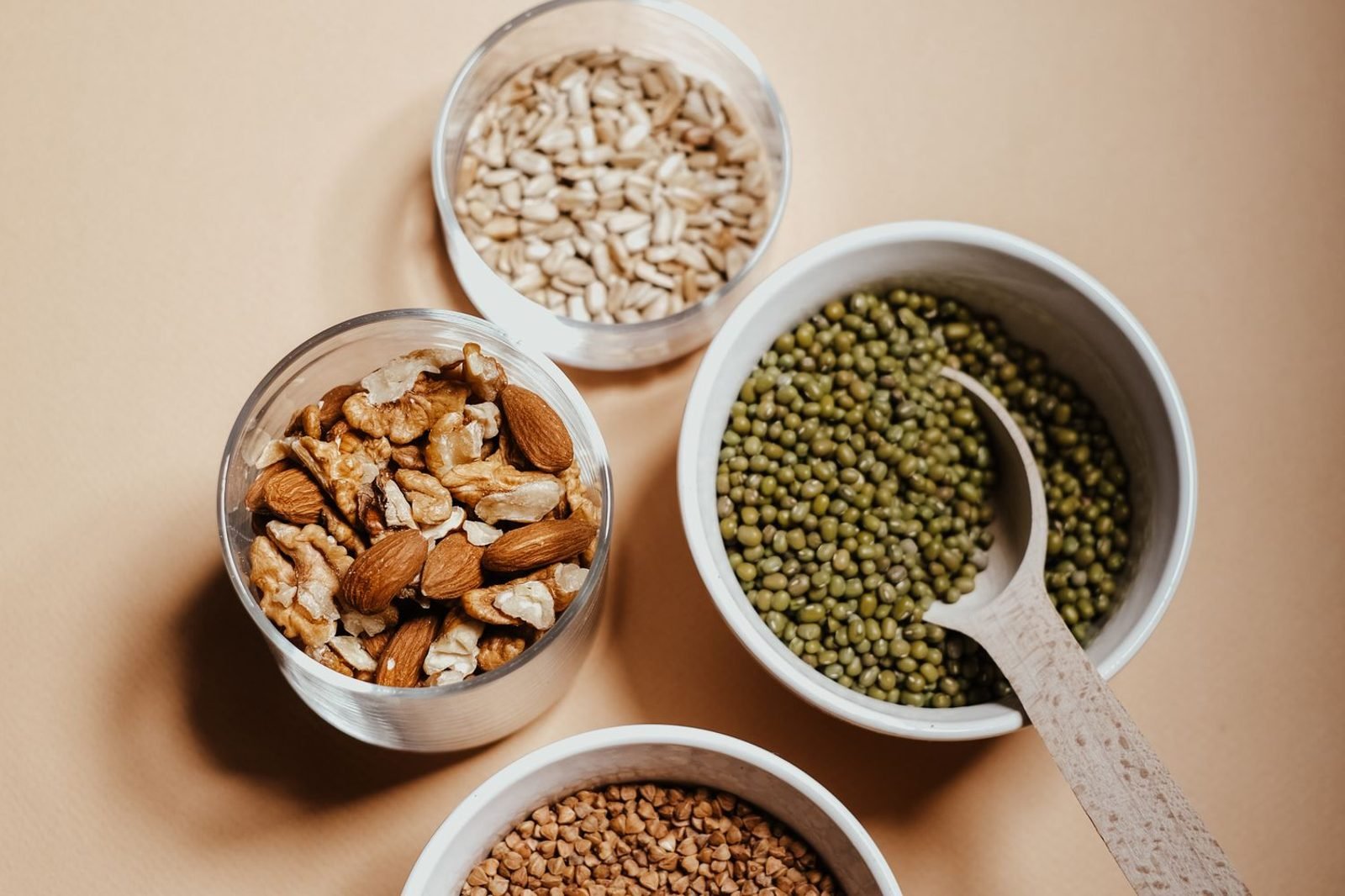
Legumes, whole grains, nuts, and seeds — dietary staples for vegetarians and vegans — contain phytates, compounds that bind to zinc in the digestive tract and block a meaningful portion of it from being absorbed. Meat, by contrast, is naturally high in bioavailable zinc and contains no phytates. The result: people on vegetarian and vegan diets tend to have both lower zinc intakes and lower blood zinc levels than people who eat animal products, even when their diets look adequate on paper.
Because of this reduced bioavailability, the NIH ODS notes that vegetarians and vegans may need meaningfully higher zinc intakes than the standard RDA — commonly cited guidance suggests roughly 50% more, to compensate for phytate binding. A few practical fixes narrow the gap: soaking beans, grains, and seeds in water for several hours before cooking reduces phytate content; choosing fermented foods like tempeh, miso, or sourdough helps too, since fermentation breaks down phytates; sprouted grains and legumes carry lower phytate levels than unsprouted versions; and fortified cereals and plant milks offer a reliable baseline.
The same phytate issue affects how calcium nutrition and magnesium nutrition are handled on a plant-based diet. A qualified online nutritionist consultation can help you map out whether your eating pattern is covering these bases.

Does zinc actually shorten a cold — what does the research say?
This is the claim everyone has heard, and the honest answer is more nuanced than “yes” or “no.” A 2024 Cochrane Review — one of the most rigorous forms of evidence synthesis in medicine — pooled results from 34 clinical trials involving 8,526 participants. It concluded that zinc may reduce cold symptom duration by about two days in people who already have a cold, when taken as a lozenge or syrup starting within 24 hours of symptom onset. But the same review found zinc made little to no difference in preventing colds from developing in the first place, and it was unclear whether zinc reduced how severe symptoms felt. The review authors rated the certainty of this evidence as low to very low. An earlier 2021 meta-analysis of 28 trials (5,446 participants) reached a similar conclusion: symptoms resolved roughly two days earlier on average, with some reduction in severity specifically on day three — but average daily severity across the whole illness didn’t differ meaningfully from placebo.
The practical takeaway: zinc is not a cure and won’t stop you from catching a cold. If it helps at all, it needs to start within the first 24 hours of symptoms — waiting longer appears to blunt any benefit. Trials used total daily doses ranging from about 45 mg up to 300 mg, usually for no more than two weeks — not a dosing pattern to repeat casually given the toxicity risks covered below. In short: a modest, short-term, low-certainty benefit for duration, not a supplement habit worth building.
Can too much zinc actually be harmful?
Yes, and this is the part of zinc nutrition that gets the least attention. Unlike water-soluble vitamins that are easy to flush out, zinc taken in excess accumulates and interferes with copper metabolism. According to NIH ODS, doses of 50 mg or more, sustained over weeks, can inhibit copper absorption (potentially causing copper deficiency and neurological symptoms like numbness, loss of coordination, and limb weakness), reduce immune function, and lower HDL (“good”) cholesterol. The immune-function finding is genuinely counterintuitive: the same nutrient that supports immunity at normal doses can suppress it at excessive, sustained ones.
The Tolerable Upper Intake Level (UL) for zinc — the maximum daily amount from all sources considered safe for healthy adults — is 40 mg per day, roughly 3.5 to 5 times the RDA, set at the dose where zinc starts measurably interfering with copper status. Upper limits are lower for children, ranging from 4 mg for infants up to 34 mg for teenagers.
It’s genuinely difficult to hit toxic zinc levels from food alone — even oysters, the most concentrated source, would need to be eaten in unrealistic quantities. The real risk comes from supplements, especially high-dose lozenges taken for extended periods, or from an overlooked source: zinc-containing denture adhesive creams. Documented case reports describe people developing copper deficiency and neurological problems from chronic overuse of these products. Very high supplemental doses (around 142 mg/day in some research) have also been shown to interfere with magnesium absorption — one more reason mineral balance, not single-nutrient maximizing, is the better mental model. One short-term, medically supervised exception is the AREDS2 formulation for age-related macular degeneration, which includes 80 mg of zinc alongside copper and antioxidants — not a template for casual supplementation.
Who is most likely to be low in zinc?
A few groups face meaningfully higher risk: vegetarians and vegans (lower bioavailability from plant sources); people with Crohn’s disease, ulcerative colitis, celiac disease, or a history of bariatric surgery; pregnant and breastfeeding women, whose requirements rise for fetal growth and milk production; older infants exclusively breastfed past 6 months, since breast milk’s zinc content drops sharply after the first month; and people with alcohol use disorder, since alcohol reduces zinc absorption and increases urinary loss.
Signs of possible deficiency include a diminished sense of taste or smell, slow wound healing, hair loss, and frequent infections — symptoms that overlap with other micronutrient gaps, which is why unexplained hair nutrition issues or hair thinning in men are sometimes traced back to zinc status alongside iron, protein, and biotin.
Frequently asked questions
Should I take a zinc supplement every day just to be safe?
Not necessarily. Most people meet their zinc needs through food, and daily supplementation isn’t warranted unless you’re in a higher-risk group (vegetarian, pregnant, have a GI condition) or have a diagnosed deficiency. Routine high-dose supplementation carries real risks to copper status and immune function.
What’s the difference between zinc gluconate, zinc acetate, and zinc picolinate?
These are different forms used in supplements and lozenges. Research hasn’t clearly established that one form is significantly better absorbed than the others for general use; cold-remedy studies have used both gluconate and acetate lozenges with similar duration benefits reported.
Can zinc supplements interact with medications I’m taking?
Yes. Zinc can reduce the absorption of quinolone and tetracycline antibiotics, and of penicillamine, if taken too close together — spacing doses by a few hours resolves this. Thiazide diuretics can also increase zinc loss in urine over time. Tell your doctor about any regular supplement use.
How quickly would I need to start zinc lozenges for a cold to see any benefit?
Within about 24 hours of symptom onset, based on the trials reviewed by Cochrane in 2024. Starting later appears to blunt or eliminate any duration benefit, and the overall evidence quality behind even this timing is rated low to very low certainty.
Is oyster the only good source if I don’t eat much meat?
No — fortified breakfast cereals, dairy, eggs, and (with proper preparation) beans, lentils, and whole grains all contribute meaningful zinc. Soaking legumes and grains before cooking and choosing fermented plant foods can meaningfully improve how much zinc you actually absorb from a plant-forward diet.
Zinc rewards a “steady and adequate” approach over a “more is better” one. Getting your RDA consistently from a varied diet — with extra attention if you’re vegetarian, vegan, pregnant, or managing a GI condition — covers the real, evidence-backed roles zinc plays in immunity, healing, and growth. For a clearer picture of where your diet stands on zinc and other key minerals, an online nutritionist consultation can help you build a plan around your specific needs.