Most adults in the United States fall short of their daily magnesium needs, and few people realize it because the early signs — muscle cramps, poor sleep, low energy — are easy to blame on everything else. Magnesium is involved in more than 300 enzyme reactions in the body, including the ones that regulate muscle contraction, nerve signaling, blood pressure, and how you convert food into usable energy. Getting enough matters, but with the right foods in regular rotation, most people can close the gap without needing a supplement bottle at all — and this kind of quiet, common shortfall is exactly why it’s worth understanding nutritional deficiency patterns more broadly.
Why does magnesium nutrition matter for your body?
Magnesium is the fourth most abundant mineral in the human body, with roughly half stored in bone and the rest distributed through muscle, soft tissue, and blood. It’s a cofactor for enzymes involved in protein synthesis, DNA repair, and energy production, but four roles matter most for how you actually feel day to day.
Muscle and nerve function
Magnesium works opposite calcium at the cellular level: calcium helps muscles contract, and magnesium helps them relax. When levels run low, muscles can stay slightly “switched on,” which is part of why cramping, twitching, or restless legs show up as early signs of inadequate intake.
Sleep quality
Magnesium supports the activity of GABA, the brain’s primary calming neurotransmitter, and helps regulate the body’s stress-response system. This is the physiological basis for the popular claim that magnesium helps with sleep — a real mechanism, even if the marketing around it has run ahead of the evidence (more on that below).
Blood pressure regulation
Magnesium helps relax blood vessel walls and supports normal electrical activity in the heart. Diets consistently rich in magnesium — through patterns like the DASH diet — are associated with healthier blood pressure levels, which is one reason magnesium-rich foods show up so often in cardiovascular nutrition guidance.
Energy metabolism
Every molecule of ATP, the body’s basic energy currency, needs to bind to a magnesium ion to become biologically active. Without enough magnesium, the enzymes that convert carbohydrates, fats, and protein into usable energy don’t run efficiently, which can translate into the kind of low-grade fatigue that’s hard to pin on any single cause. This is also why magnesium status matters for anyone training regularly — it ties directly into sports nutrition basics like recovery and endurance.
How much magnesium do you need per day?
The Recommended Dietary Allowance (RDA) for magnesium, as set by the National Institutes of Health Office of Dietary Supplements, varies by age and sex:
- Men 19–30: 400 mg/day
- Men 31 and older: 420 mg/day
- Women 19–30: 310 mg/day
- Women 31 and older: 320 mg/day
- Pregnant women: 350–360 mg/day, depending on age
- Breastfeeding women: 310–320 mg/day
- Teens 14–18: 410 mg/day for males, 360 mg/day for females
These numbers reflect total intake from food and, if used, supplements. There’s no established upper limit for magnesium from food — your kidneys simply excrete the excess. Supplemental magnesium is different: intake above 350 mg/day from supplements alone can cause diarrhea, nausea, and cramping in some people, which is why it’s worth prioritizing food first and discussing supplement doses with a professional. Our overview of nutritional deficiency is a useful companion here, and it pairs well with what we’ve written about calcium nutrition, since the two minerals interact closely in bone and muscle health.
What foods are highest in magnesium?
Magnesium is concentrated in plant foods, particularly ones that haven’t been heavily processed. Refining grains strips away much of the magnesium in the germ and bran, which is why whole-grain versions consistently outperform refined ones.
Nuts and seeds
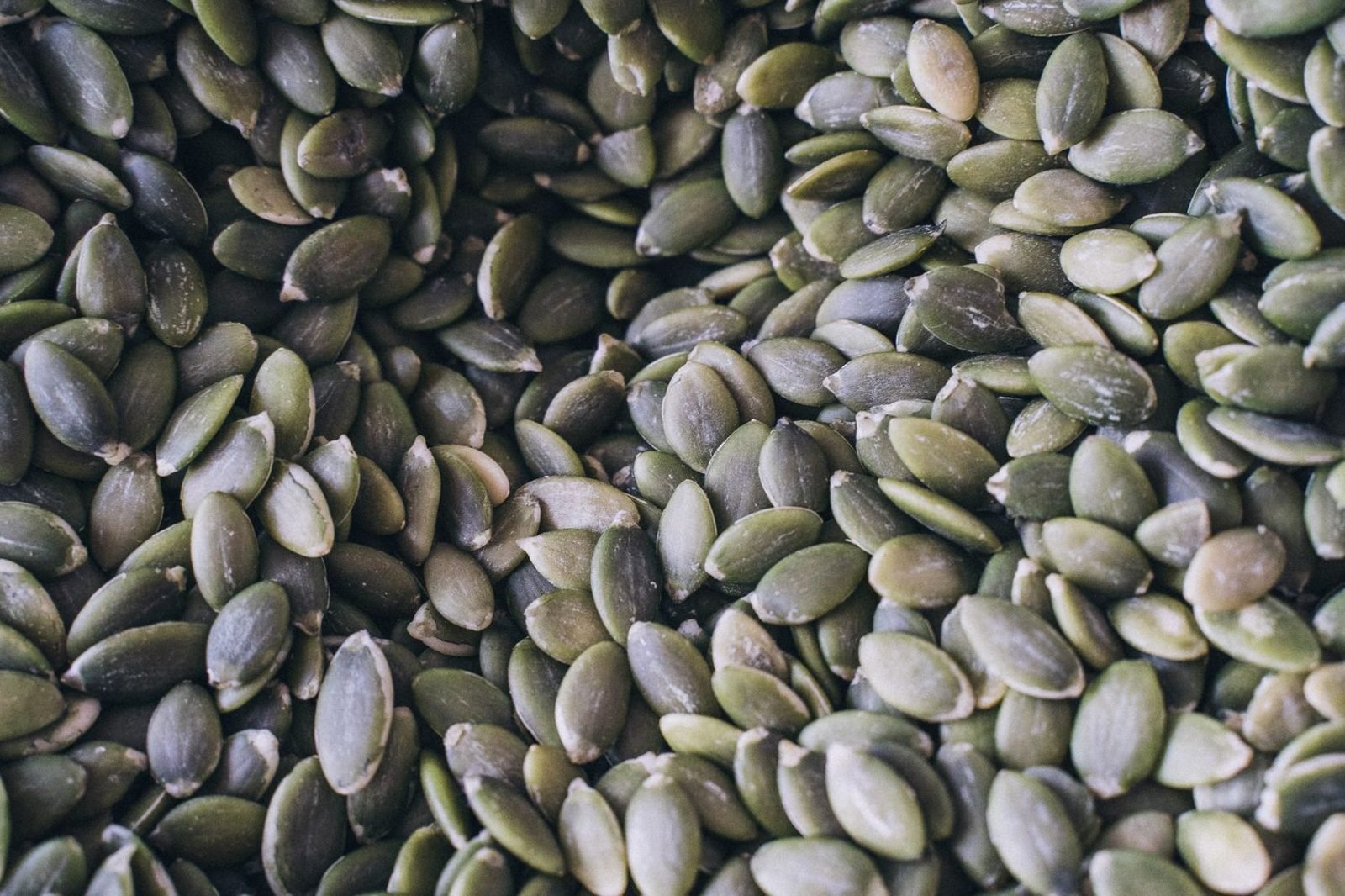
Pumpkin seeds, almonds, cashews, and Brazil nuts are among the richest everyday sources. A quarter-cup of roasted pumpkin seeds provides roughly 45% of an adult’s daily need, and a small handful of almonds adds a meaningful amount to any snack.
Leafy greens
Spinach, Swiss chard, and other dark leafy greens are magnesium-dense because the mineral sits at the center of every chlorophyll molecule — the greener the plant, the more magnesium it carries. A cup of cooked spinach supplies close to 40% of the daily value.
Whole grains and legumes
Brown rice, quinoa, oats, black beans, and edamame all contribute steady amounts of magnesium along with fiber, making them useful staples rather than occasional additions.
Other solid sources
Dark chocolate (70% cacao or higher), avocado, fatty fish like salmon and mackerel, and bananas round out a magnesium-friendly plate. Tap and mineral water can also contribute a small amount, depending on local water hardness.
What are the signs of magnesium deficiency?
True magnesium deficiency, or hypomagnesemia, is relatively uncommon in people with healthy kidney function. But suboptimal intake — consistently getting less than the RDA, without dropping low enough to show up on standard labs — is common, and it’s harder to spot because the symptoms overlap with so many other things:
- Muscle cramps and twitches, especially in the calves or eyelids
- Fatigue and general weakness that doesn’t track with sleep or activity levels
- Loss of appetite or mild nausea
- Numbness or tingling in the hands or feet
- Irregular heartbeat in more significant cases
- Increased anxiety-like symptoms or irritability
Because blood magnesium doesn’t always reflect what’s stored in cells and bone, standard labs can look “normal” even when intake has been consistently low — one reason clinicians often focus on dietary patterns rather than a single blood draw. People at higher risk include those with gastrointestinal conditions like Crohn’s disease or celiac disease, type 2 diabetes, long-term use of certain diuretics or proton pump inhibitors, and older adults, whose intestinal absorption declines with age. Alcohol dependence is also a well-established risk factor, since alcohol increases magnesium loss through urine.

Does magnesium actually help with sleep and anxiety?
This is where it’s worth separating the real science from the supplement marketing, because both exist here.
What the evidence actually supports: Magnesium plays a genuine, well-established role in the nervous system pathways connected to relaxation, including GABA receptor activity and regulation of the body’s stress-response axis. Some small clinical trials have found that magnesium supplementation modestly improved subjective sleep quality and reduced time to fall asleep in older adults and in people with documented low magnesium status. There’s also reasonable evidence that correcting an actual shortfall can ease the muscle tension and restlessness that interfere with sleep.
Where the claims get oversold: Much of the current “magnesium for sleep and anxiety” trend extrapolates from those modest, small-sample studies into sweeping promises — that magnesium will meaningfully calm anxiety or fix insomnia in anyone who takes it, regardless of baseline levels. That’s not what the research shows. Reviews on magnesium and sleep have generally described the evidence as limited, inconsistent in study design, and insufficient to support a blanket recommendation for people who already get enough magnesium from their diet. The effect appears strongest — and most plausible — in people who were genuinely running low to begin with, not as a general-purpose sedative or anxiety treatment for everyone else.
The practical takeaway: if your sleep or stress levels are off, magnesium status is worth checking as one piece of the puzzle, especially if your diet is light on the food sources above. But it’s not a substitute for sleep hygiene, caffeine timing, or an anxiety disorder that needs proper evaluation, and it won’t necessarily do anything if your levels are already adequate. Different magnesium forms (glycinate, citrate, oxide) also vary in absorption and side effects — exactly the kind of detail worth running past a professional rather than guessing from a supplement label. For a broader look at how individual nutrients get overhyped in wellness trends, see our piece on vitamin nutrition.

How can you tell if you’re getting enough magnesium from food alone?
For most people, the most reliable approach isn’t a supplement — it’s an honest look at your plate:
- Do you eat nuts or seeds most days? A daily small handful of almonds or pumpkin seeds covers a meaningful chunk of the RDA on its own.
- Are whole grains your default, or an occasional swap? Choosing brown rice or oats over refined white versions consistently adds up.
- How often do leafy greens show up in your meals? Aim for most days, not just as a garnish.
- Do you drink alcohol regularly or take medications that affect absorption? These raise your practical requirement even if the RDA number doesn’t change.
If you’re consistently hitting whole grains, legumes, nuts, seeds, and leafy greens across the week, you’re likely close to or at the RDA without extra effort. If your diet leans heavily on refined carbohydrates and processed foods, magnesium is one of several minerals — alongside zinc — that tends to fall short first.
Frequently asked questions about magnesium nutrition
Can you get too much magnesium from food?
No. There’s no established upper limit for magnesium from food sources, because healthy kidneys efficiently excrete any excess. The 350 mg/day upper intake level applies specifically to supplemental magnesium, where higher doses can cause diarrhea, cramping, or nausea in some people.
What’s the difference between magnesium citrate, glycinate, and oxide?
These are different supplemental forms with different absorption rates and uses. Citrate is well-absorbed and sometimes used for constipation; glycinate is gentler on digestion and often chosen for sleep-related use; oxide is cheaper but poorly absorbed. A pharmacist or dietitian can help match the form to your goal.
Does cooking destroy magnesium in vegetables?
Some magnesium leaches into cooking water, particularly with boiling, so steaming or roasting preserves more of it than boiling does. If you do boil leafy greens or other magnesium-rich vegetables, consider using the cooking liquid in soups or sauces to retain the minerals.
Can low magnesium cause anxiety, or does anxiety cause low magnesium?
The relationship likely runs both directions. Chronic stress increases magnesium excretion through urine, and low magnesium status can amplify the body’s stress response, creating a feedback loop. This is different from claiming magnesium supplements cure anxiety, which current evidence doesn’t support broadly.
Should athletes take more magnesium than the standard RDA?
Intense or prolonged training can increase magnesium losses through sweat and urine, and some research suggests active people may benefit from intakes at the higher end of the RDA range. Rather than guessing at a number, it’s worth reviewing overall intake alongside training volume.
Magnesium rarely gets the attention that calcium, iron, or vitamin D receive, but the roles it plays — in muscle function, sleep-related pathways, blood pressure, and energy metabolism — make it worth a second look at your plate. If you’re dealing with persistent fatigue, cramping, or sleep issues and want a clearer picture of what’s going on nutritionally, an online nutritionist consultation can help you figure out whether food adjustments, supplementation, or something else entirely is the right next step.