Protein is classified in nutrition science along three main lines: by amino acid completeness (complete vs. incomplete), by source (animal vs. plant), and by biological structure and function (fibrous vs. globular, and roles like structural, enzymatic, transport, or hormonal). Knowing these categories isn’t just academic — it explains why a lentil-and-rice bowl works as well as a chicken breast, why your body needs different proteins for muscle repair versus hormone signaling, and how to build a diet that actually covers your amino acid bases. This guide walks through each classification system in plain terms, then closes with how to use the framework at your next meal.
What is the nutritional classification of protein based on amino acid completeness?
The most practical classification for eating well is based on which of the nine essential amino acids a protein food supplies. Of the roughly 20 amino acids that build human proteins, nine — histidine, isoleucine, leucine, lysine, methionine, phenylalanine, threonine, tryptophan, and valine — cannot be synthesized by the body and must come from food. This single fact is the foundation of the complete/incomplete protein system.
Complete proteins
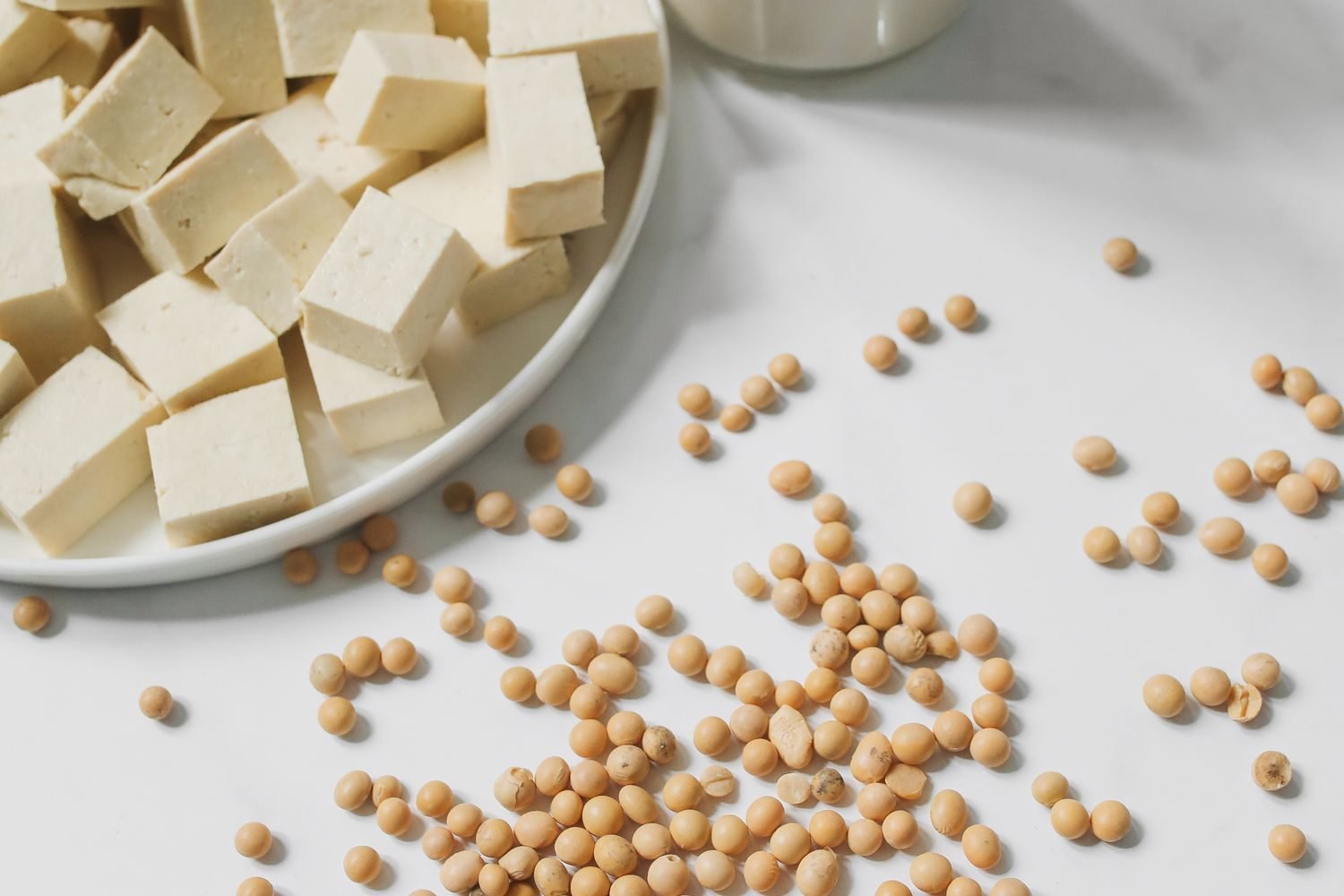
A complete protein supplies all nine essential amino acids in amounts sufficient to support the body’s needs. Animal-derived foods — meat, poultry, fish, eggs, and dairy — are reliably complete because their amino acid profile closely mirrors what human tissue is built from. Among plant foods, soy, quinoa, and buckwheat are the well-known exceptions that qualify as complete on their own.
Incomplete proteins
An incomplete protein is low in one or more essential amino acids relative to what the body needs — this shortfall is called the “limiting amino acid.” Most grains are limited in lysine, while most legumes are limited in methionine. This doesn’t make incomplete proteins inferior in a whole-diet sense; it just means they’re partial pieces of the puzzle. A useful side note: soy is sometimes assumed to be limited in lysine, but soy protein is actually rich in lysine and only modestly limited in methionine — which is part of why it stands out among plant proteins.
Pairing two incomplete proteins whose limiting amino acids offset each other — like grains (low in lysine, adequate in methionine) with legumes (low in methionine, adequate in lysine) — is called protein complementation. Rice and beans, hummus and pita, and peanut butter on whole-grain bread are classic examples. Complementary proteins don’t need to be eaten in the same meal, though. As long as your overall diet is varied and meets your calorie needs across the day, your body pools amino acids to meet its requirements. This holds for anyone following a vegan or vegetarian pattern — deliberate food-pairing at every sitting isn’t necessary.
How are proteins classified by source — animal vs. plant?
The second major classification splits proteins by where they come from, which shapes both their amino acid profile and their accompanying nutrients.
Animal-source proteins
Animal proteins — found in meat, poultry, fish, eggs, and dairy — are almost always complete and tend to be efficiently absorbed and used by the body. They also arrive bundled with nutrients like vitamin B12, heme iron, and zinc, which is relevant because these nutrients are harder to obtain from plants alone.
Plant-source proteins
Plant proteins come from legumes, grains, nuts, seeds, and vegetables. Most are incomplete individually, but as a category they bring fiber, phytonutrients, and unsaturated fats that animal proteins don’t provide. A well-planned plant-based nutrition approach that includes a variety of legumes, grains, soy foods, nuts, and seeds across the week can meet essential amino acid needs without difficulty — this is a matter of variety and volume, not exotic food combining.
No single plant food needs to be “complete” for a diet to work — the animal vs. plant split matters most as a planning lens. If you eat both animal and plant sources, completeness is rarely a concern at all. This idea is covered in more depth in our overview of protein and nutrition.
How is protein classified by structure — what’s the difference between fibrous and globular protein?
Beyond how we eat protein, biochemistry classifies protein molecules themselves by their three-dimensional shape. This structural classification explains why some proteins build tissue while others float through blood or catalyze reactions.
Fibrous proteins
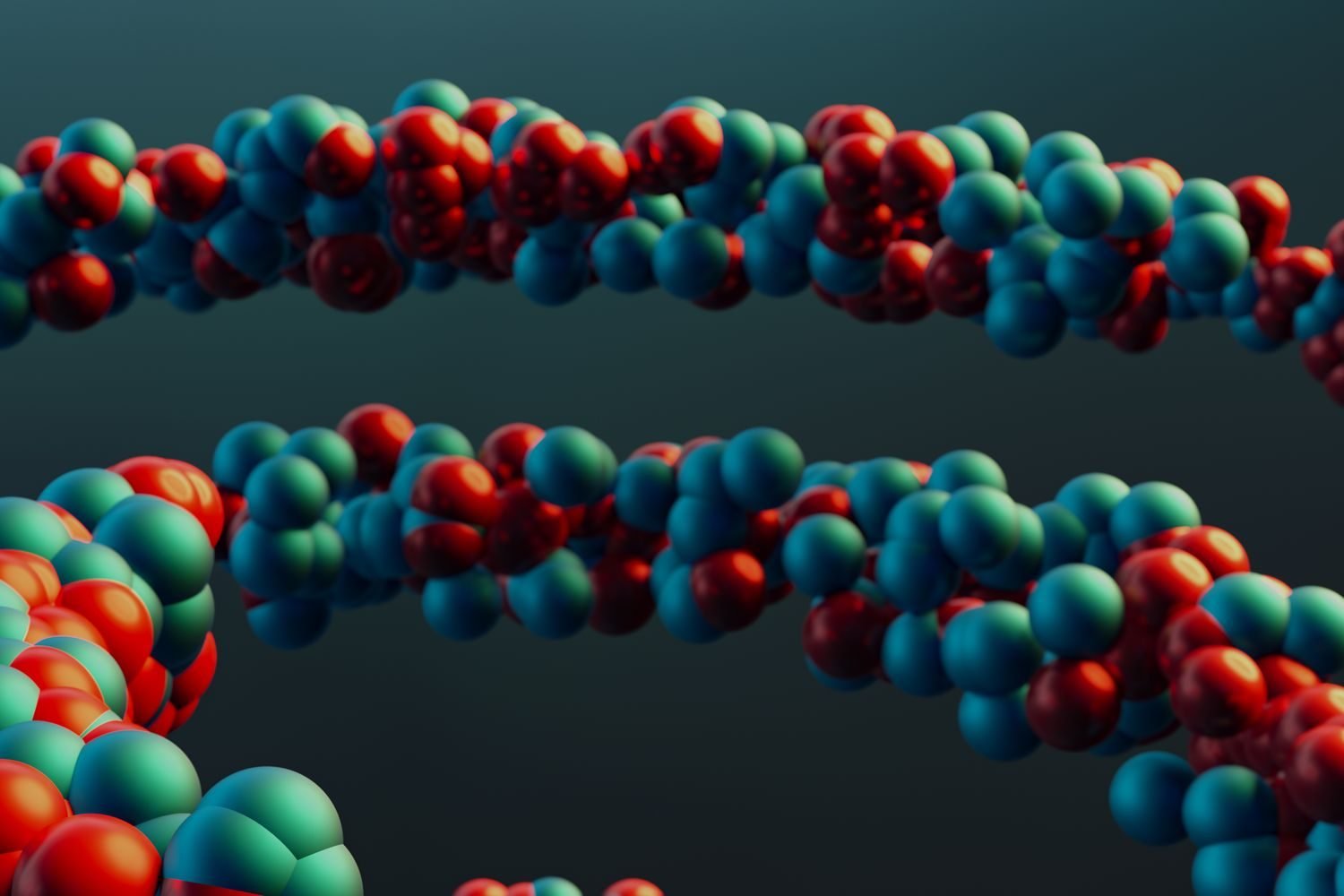
Fibrous proteins have long, strand-like, repetitive structures — usually built from a single type of secondary structure such as an alpha helix or beta sheet — and they’re generally insoluble in water. Their elongated shape makes them mechanically strong, which is exactly what’s needed for support and protection. Collagen (in skin, tendons, and cartilage) and keratin (in hair, nails, and skin) are the textbook examples.
Globular proteins
Globular proteins fold into compact, roughly spherical shapes built from multiple types of secondary structure, and they’re typically water-soluble. That solubility and folded complexity let them do dynamic biochemical work — binding to other molecules, changing shape, and participating in reactions. Hemoglobin, the oxygen-carrying protein in red blood cells, is a classic globular protein, as are most enzymes and antibodies.
You don’t need to memorize protein structures to eat well, but the concept explains something useful: dietary protein isn’t one interchangeable nutrient. The amino acids you eat get reassembled into different molecules depending on what your body needs — a strand of collagen for skin repair one day, an enzyme for digestion the next. This is part of why protein quality, not just quantity, matters, a topic our companion piece on the nutritional value of protein explores through food-by-food comparisons.
How is protein classified by function in the body?
The final classification system sorts proteins by the job they do, regardless of whether they’re fibrous or globular in shape. Biochemistry generally groups protein function into these categories.
Structural proteins
Structural proteins provide physical support and shape to cells and tissues. Collagen, elastin, and keratin fall here, forming the scaffolding of skin, bone, cartilage, hair, and nails.
Enzymatic proteins
Enzymes act as biological catalysts, speeding up chemical reactions — including digesting the food you eat — without being used up in the process. Digestive enzymes like pepsin and amylase are everyday examples of this category at work every time you eat.
Transport proteins
Transport proteins carry essential materials through the bloodstream and across cell membranes. Hemoglobin carrying oxygen and lipoproteins carrying cholesterol through the blood are two familiar examples.
Hormonal proteins
Hormonal proteins coordinate activity between different organs and tissues. Insulin, which signals cells to take up glucose from the blood and regulates blood sugar, is the most cited example of a hormonal protein.
Storage and defense proteins
Two more categories round out the list. Storage proteins, like ferritin (which stores iron) and casein (in milk), hold nutrients in reserve until the body needs them. Defense proteins — antibodies — travel through the bloodstream to identify and neutralize bacteria, viruses, and other invaders as part of immune function.
Every one of these proteins is built and repaired using amino acids from your diet. Structural proteins don’t just appear — they’re constructed from the essential amino acids you supplied at breakfast or dinner. This is the real link between the structural classification and the food classification above: eat a variety of complete and complementary protein sources, and your body has the raw material to build enzymes, hormones, transport carriers, and structural tissue as needed.
How much protein do you actually need, and does classification affect the amount?
The U.S. Dietary Reference Intake sets the baseline recommendation at 0.8 grams of protein per kilogram of body weight per day for the average adult, a figure set by the Institute of Medicine (now the National Academy of Medicine). This baseline doesn’t change based on whether your protein is complete or incomplete, animal or plant; what changes is how much you need to think about variety. If most of your protein comes from complete sources (meat, dairy, eggs, soy), amino acid coverage is close to automatic. If you rely mainly on grains, legumes, nuts, and seeds, aim for variety across the week rather than perfection at every meal.
How do you apply protein classification to your actual meals?
Understanding the categories only matters if it changes what ends up on your plate. Here’s how these systems translate into practical choices:
- Anchor most meals around a complete protein when possible — eggs, fish, poultry, dairy, or soy foods like tofu and tempeh simplify amino acid coverage without extra planning.
- If eating plant-forward, diversify weekly — rotate legumes, whole grains, nuts, seeds, and soy so limiting amino acids in one food are offset by another over the week.
- Don’t overthink single-meal pairing — the old advice to combine rice and beans at every meal isn’t necessary; a varied diet across the day or week covers the same ground.
- Remember protein does more than build muscle — enzymatic, hormonal, and transport proteins depend on the same amino acid pool, one more reason consistent, varied intake matters.
- Pair classification knowledge with quality awareness — knowing a food is “complete” doesn’t tell you its digestibility or amino acid score; for that comparison, see our piece on the nutritional value of protein.
FAQ: Nutritional classification of protein
Is soy the only complete plant protein?
No. Soy is the best-known complete plant protein, but quinoa and buckwheat also supply all nine essential amino acids in adequate amounts. Most other plant proteins — legumes, grains, nuts, and seeds — are incomplete individually but combine well across a varied diet.
Do I need to eat complementary proteins in the same meal?
Not for most people. Research on protein complementation shows the body maintains a pool of amino acids over the course of a day, so pairing rice with beans at the same sitting isn’t required — a varied diet across the day or week achieves the same effect for the vast majority of eaters.
What’s the difference between fibrous and globular protein?
Fibrous proteins (like collagen and keratin) are long, strand-shaped, water-insoluble, and built for structural support. Globular proteins (like hemoglobin and most enzymes) are compact, folded, water-soluble, and built for dynamic biochemical activity such as transport and catalysis.
Which amino acid is usually missing in plant proteins?
It depends on the food. Grains are typically limited in lysine, while legumes are typically limited in methionine. This is exactly why grain-legume combinations like rice and lentils are a nutritionally logical, if not strictly necessary, pairing.
Does protein classification affect how much protein I need daily?
No — the baseline recommendation (0.8 g/kg body weight for most adults) doesn’t change based on protein type. What changes is how much attention you need to pay to variety: complete-protein-heavy diets require less planning than plant-forward diets to hit the same amino acid targets.
Are hormonal proteins like insulin related to dietary protein?
Indirectly, yes. Hormonal proteins such as insulin are built from amino acids the body sources from dietary protein. Adequate, varied protein intake supports the raw material supply for hormone production, though hormone regulation itself involves many other factors beyond diet.
Classification systems aren’t just vocabulary — they’re a lens for building a diet that actually covers your body’s needs, from muscle repair to enzyme production to immune defense. If you want a personalized breakdown of how much protein you need and which sources fit your goals, an online nutritionist consultation can turn this framework into a concrete meal plan.