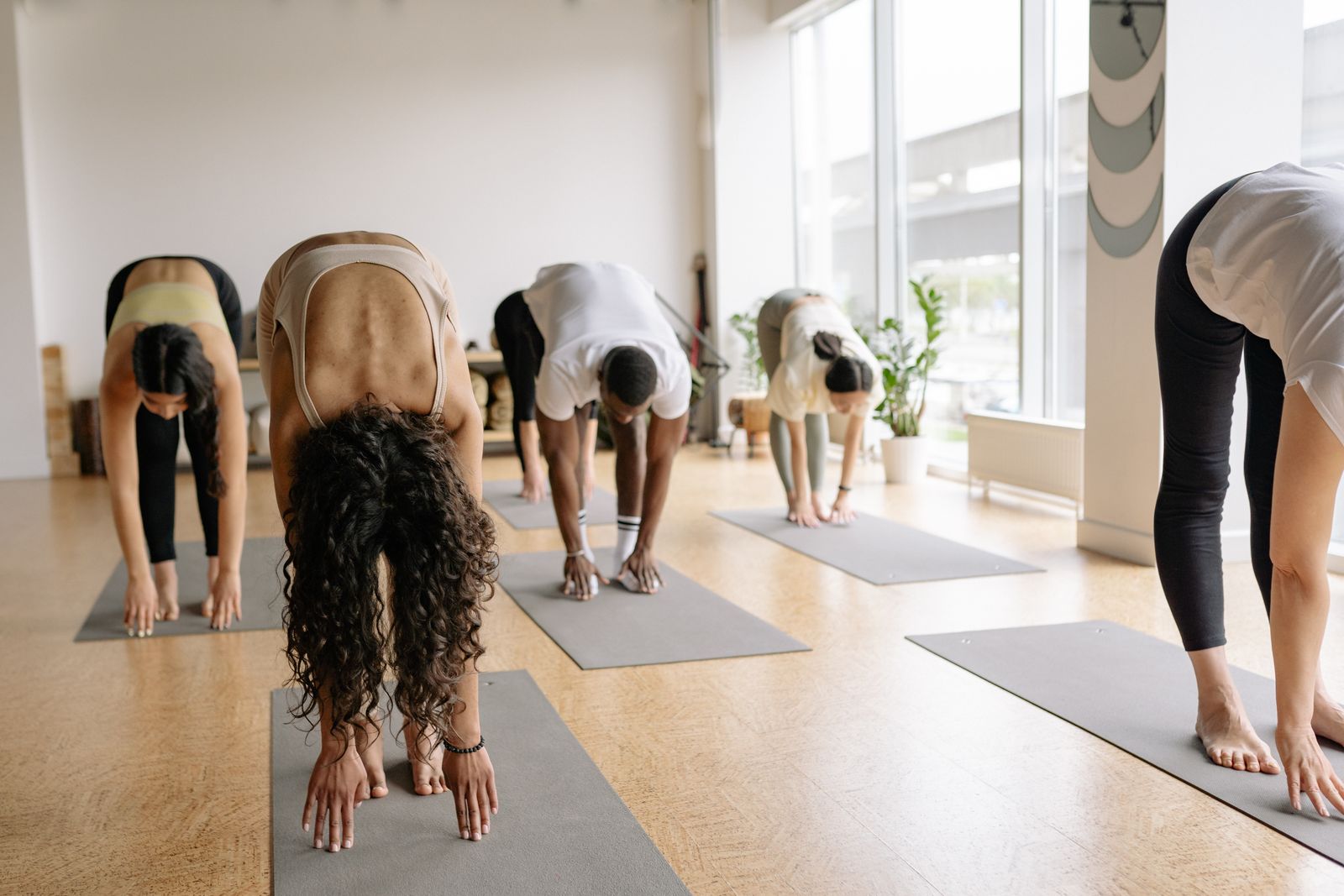
Hastapadasana, or Hand-to-Foot Pose, is a standing forward bend in which you fold from the hips, bring your palms flat to the floor beside your feet, and let your head hang toward your shins. The name comes from three Sanskrit words: hasta (hand), pada (foot), and asana (pose). It stretches the hamstrings, calves, and spine while calming the nervous system, and it’s the pose that immediately follows Talasana in the classic Surya Namaskar (Sun Salutation) sequence. Most practitioners can approximate the full shape within a few weeks of consistent practice, even if the palms don’t reach the floor at first.
What Is Hastapadasana?
Hastapadasana is a standing forward fold classified in hatha yoga as both a spinal-flexion pose and a calming, introspective posture. Unlike backbends, which are energizing and expansive, forward bends like hastapadasana turn attention inward. The torso folds over the legs, the crown of the head moves toward the ground, and the breath naturally slows. In most sequencing systems it appears as the third position in Surya Namaskar, right after Talasana (Palm Tree Pose), creating a rhythmic contrast between upward extension and downward release.
The pose is sometimes confused with Uttanasana, a related standing forward bend used heavily in vinyasa and ashtanga traditions. The two are closely related in shape, but hastapadasana as taught in the traditional Sun Salutation typically keeps the knees straight and emphasizes hands flat beside the feet, while Uttanasana variations sometimes allow a more generous knee bend for beginners.
How Do You Perform Hastapadasana Correctly?
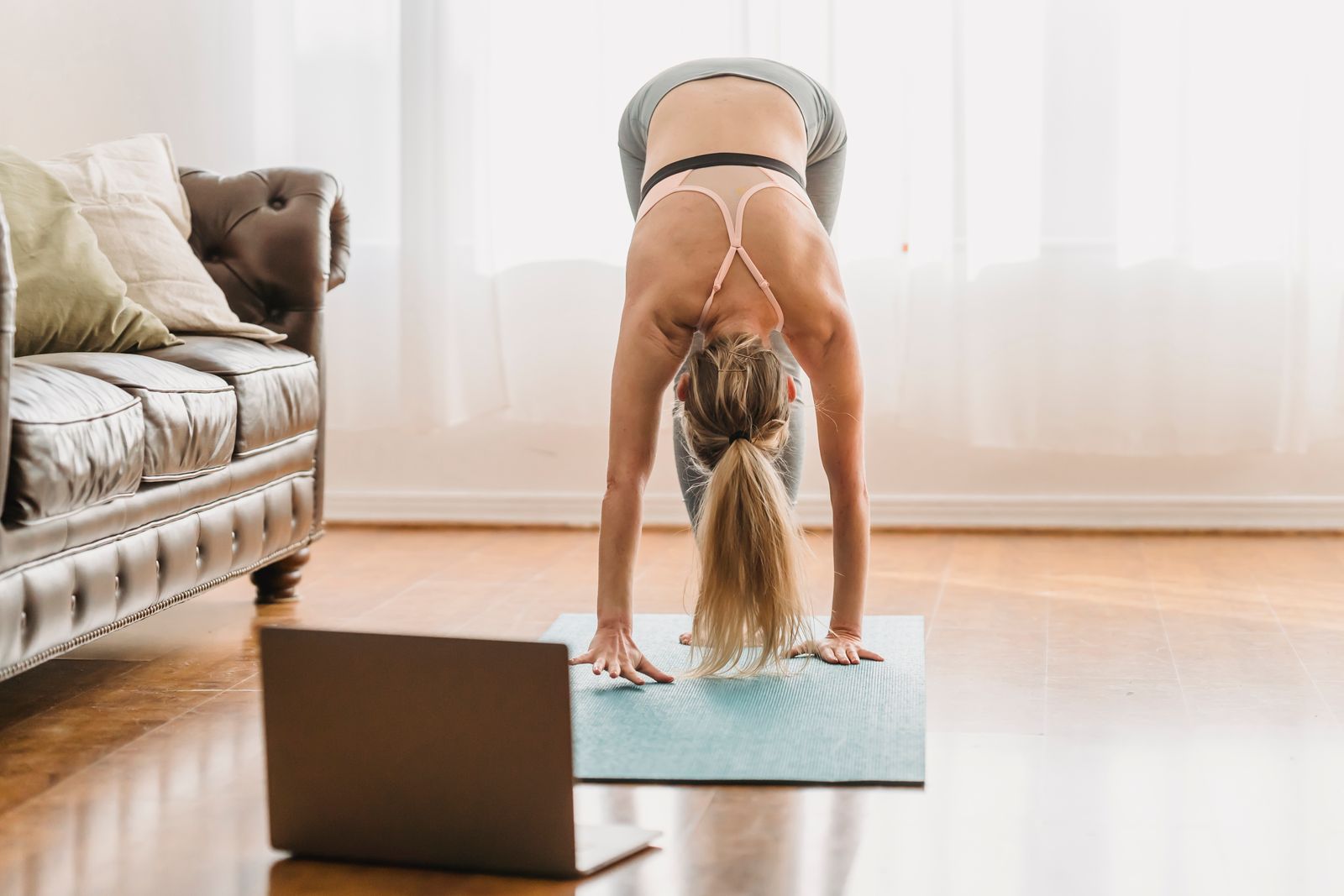
Start standing tall in Tadasana (Mountain Pose) with feet hip-width apart and weight distributed evenly across both feet. Inhale and raise both arms overhead, lengthening the spine, much as you would in Talasana. On the exhale, hinge forward from the hip joints, not the waist, keeping the spine as long as possible for the first half of the movement. Let your hands travel down along an imaginary line in front of your shins until they reach the floor beside your feet, or rest on your shins or blocks if the floor is out of reach.
Once folded, allow your head to release toward your knees and let your neck stay soft. Hold for five to eight natural breaths, keeping a very slight bend in the knees if the hamstrings feel tight rather than locking them out. To exit, bring your hands to your hips, engage your core, and rise to standing with a flat back on an inhale.
What Are the Key Alignment Points to Check?
Good alignment in hastapadasana prevents strain and helps you feel the intended stretch in the right places. Check these five points every time you practice:
- Hip hinge, not spinal rounding: The first two-thirds of the fold should come from the hip joints, with the lower back staying long rather than curling.
- Even weight in the feet: Weight should sit evenly between the heel and the ball of the foot, not shifted onto the toes.
- Soft knees: A micro-bend in the knees protects the hamstring attachments and lower back, especially for beginners.
- Relaxed neck: The head should hang heavy rather than being pulled toward the shins by force.
- Shoulders away from ears: Even in the fold, the shoulders should stay broad rather than hunching up toward the neck.
What Muscles Does Hastapadasana Stretch and Strengthen?
Hastapadasana primarily lengthens the posterior chain: the hamstrings, calves, and the muscles along the spine. The hip flexors on the front of the thigh also get a passive stretch as the pelvis tips forward. At the same time, the pose builds isometric strength in the quadriceps, which have to engage to support a straight-leg fold, and it challenges core stability during the transition in and out of the pose. Because the position increases blood flow to the head and upper body while gently compressing the abdominal organs, it’s often grouped with poses like Samakonasana and other standing forward-facing postures that combine strength and stretch in a single shape.
What Are the Benefits of Hastapadasana?
Practicing hastapadasana regularly offers benefits across flexibility, circulation, and mental state:
- Hamstring and calf flexibility: Consistent practice gradually increases the range of motion in the back of the legs, which can also support better form in other yoga poses that require a forward hinge.
- Spinal decompression: The gentle traction created by hanging forward can relieve compression between the vertebrae, which many students find relieves tension built up from sitting.
- Calming effect on the nervous system: Forward bends are traditionally associated with a soothing, inward-turning quality, and slower breathing during the hold reinforces that effect. This is one reason forward folds are commonly recommended as part of routines for yoga for stress relief.
- Improved circulation to the brain: Bringing the head below the heart increases blood flow to the scalp and brain temporarily, which some practitioners associate with mental clarity after practice.
- Digestive stimulation: The mild compression of the abdomen against the thighs can aid digestion and is sometimes included in sequences aimed at yoga for digestion.
How Does Hastapadasana Fit Into Surya Namaskar?
In the traditional twelve-step Surya Namaskar sequence, hastapadasana is the third pose, following Pranamasana (Prayer Pose) and Talasana. The sequence moves from an upward stretch into this forward fold, then continues into a lunge, plank, and a series of poses that eventually mirror back to standing. This rhythmic alternation between backward and forward movement is part of what makes Surya Namaskar such an efficient full-body warm-up: it mobilizes the spine in both directions within a single round. Because hastapadasana appears early in the sequence, it also serves as a natural checkpoint for hamstring tightness before the body moves into more demanding positions later in the round.
What Modifications Help Beginners?
Very few beginners can place their palms flat on the floor with straight legs on their first attempt, and that’s expected rather than a sign of doing the pose wrong. A generous bend in the knees is the simplest modification and immediately reduces strain on the hamstrings. Yoga blocks placed under each hand bring the floor closer, letting you maintain length in the spine without forcing the fold. Alternatively, resting the hands on the shins or thighs achieves a similar shape with far less intensity. Students recovering from lower back sensitivity often benefit from practicing a supported version against a wall first, or substituting a seated variation until mobility improves. These same modification principles apply to other forward-bending shapes, including Samakonasana, where hamstring flexibility is often the limiting factor rather than strength.
Who Should Avoid or Modify Hastapadasana?
Hastapadasana is generally considered safe for healthy adults, but a few conditions call for caution or modification. People with acute lower back injuries, slipped or herniated discs, or recent spinal surgery should skip the full fold and consult a qualified teacher or physiotherapist before attempting even a modified version. Those with uncontrolled high blood pressure or glaucoma are often advised to avoid deep forward bends where the head drops well below the heart, since the position can transiently increase pressure in the head and eyes. Pregnant practitioners, particularly in the second and third trimesters, typically modify the pose with a wider stance and a shallower fold to avoid compressing the abdomen. As with any posture, if you feel sharp or shooting pain rather than a stretch sensation, ease out of the pose immediately.
What Are Common Mistakes in Hastapadasana?
The most frequent error is rounding through the lower back to force the hands to the floor, which shifts the stretch away from the hamstrings and onto the lumbar spine instead. Locking the knees completely is another common mistake; a small bend protects the hamstring tendons at the sit bones and actually allows for a deeper, safer stretch over time. Some practitioners also rush the fold, dropping quickly from standing instead of hinging with control, which can strain the lower back on the way down. Finally, holding the breath during the pose is common but counterproductive: steady, even breathing helps the muscles release rather than tighten defensively.
How Does Hastapadasana Compare to Uttanasana and Padahastasana?
Several standing forward bends look similar but have distinct traditional emphases. Uttanasana, widely used in vinyasa and ashtanga classes, is essentially the same shape but is often practiced with more flexibility in knee bend and hand placement, sometimes with hands framing the feet rather than flat beside them. Padahastasana is a closely related variation where the hands are tucked under the feet, soles facing up, which intensifies the hamstring stretch and adds a grounding quality through the connection between hands and feet. Hastapadasana, as taught within Surya Namaskar, is generally the most classical and structured of the three, with a clear emphasis on the hip hinge and a flat palm placement. Understanding these small distinctions helps when moving between different styles of practice, including hatha yoga, vinyasa yoga, and ashtanga yoga.
How Does Breath Work in Hastapadasana?
Breath is not an afterthought in hastapadasana; it’s the mechanism that makes the pose both safe and effective. The fold itself happens on an exhale, which naturally softens the abdominal muscles and allows the hip hinge to deepen without force. Once in the hold, slow diaphragmatic breathing keeps the nervous system in a parasympathetic, rest-and-digest state, reinforcing the calming quality the pose is known for. Some traditions incorporate a specific pranayama pattern here, syncing a longer exhale with the deepest point of the fold. If you’re building a broader breath-focused practice, this same principle of exhale-to-release appears throughout pranayama techniques and pairs well with grounding practices like Yoni Mudra during seated meditation after a standing sequence.
How Often Should You Practice Hastapadasana?
Because it’s a foundational pose within Surya Namaskar, many practitioners perform hastapadasana daily without thinking of it as a separate practice at all. As a standalone stretch, holding the pose for 30 to 60 seconds, once or twice through, is generally enough to work on hamstring flexibility without overstretching connective tissue. Flexibility gains in forward bends tend to build gradually: noticeable improvement in how close your palms come to the floor commonly takes several weeks of consistent practice, three to five times a week, rather than a single dramatic session. Pairing it with complementary poses in a well-rounded beginner yoga sequence tends to produce steadier long-term progress than practicing it in isolation.
Questions People Ask About Hastapadasana
What does hastapadasana mean in Sanskrit?
Hastapadasana combines three Sanskrit words: “hasta” meaning hand, “pada” meaning foot, and “asana” meaning pose or seat. Together, the name translates to “Hand-to-Foot Pose,” describing the physical action of bringing the palms down toward the feet during the standing forward bend.
Is hastapadasana the same as Uttanasana?
They are closely related standing forward bends with the same general shape, but they’re not identical in every tradition. Hastapadasana, as practiced within Surya Namaskar, typically emphasizes straighter legs and palms flat beside the feet, while Uttanasana as taught in vinyasa classes often allows more knee bend and varied hand placement.
Can beginners do hastapadasana if their hamstrings are tight?
Yes. Beginners with tight hamstrings should bend the knees generously and rest their hands on blocks, shins, or thighs instead of forcing the palms to the floor. The pose is safe and effective at any depth, and flexibility to reach further typically develops over weeks of consistent, gentle practice.
What is the difference between hastapadasana and padahastasana?
The main difference is hand placement. In hastapadasana, the palms rest flat on the floor beside the feet. In padahastasana, the hands are tucked underneath the soles of the feet with palms facing up, which deepens the hamstring stretch and adds a different grounding sensation through the connected hands and feet.
How long should you hold hastapadasana?
A typical hold is five to eight breaths, or roughly 20 to 40 seconds, when practiced as a standalone stretch. Within Surya Namaskar, the pose is usually held for just one or two breaths before transitioning to the next posture in the sequence.
Is hastapadasana safe during pregnancy?
Hastapadasana generally needs modification during pregnancy, especially in the second and third trimesters, since a deep fold can compress the abdomen. A wider stance and a shallower hinge are common adjustments, and pregnant practitioners should check with a qualified prenatal yoga teacher before continuing forward bends in later trimesters.
Try This for Yourself
Reading about alignment only goes so far. If you want real-time feedback on your hip hinge, breath timing, and modifications suited to your body, practicing with a qualified instructor makes the difference between guessing and progressing. Explore FitStrot’s online yoga classes to build hastapadasana and the rest of your forward-bend practice with guided, personalized instruction from home.
Related reading: Yoga Poses | Talasana (Palm Tree Pose) | Samakonasana | Surya Namaskar | Online Yoga Classes