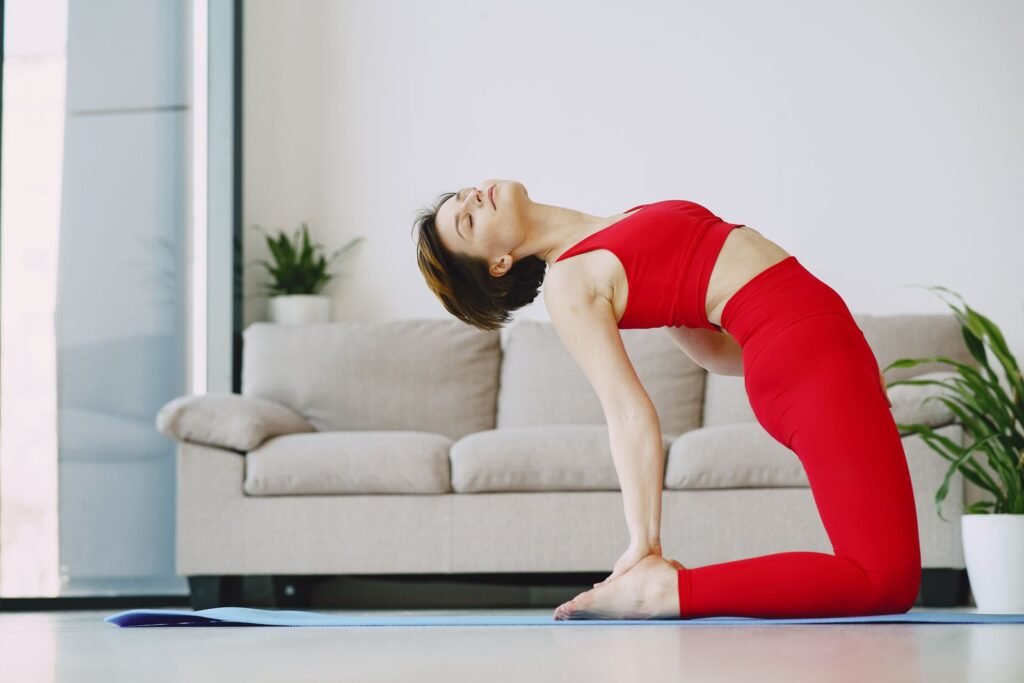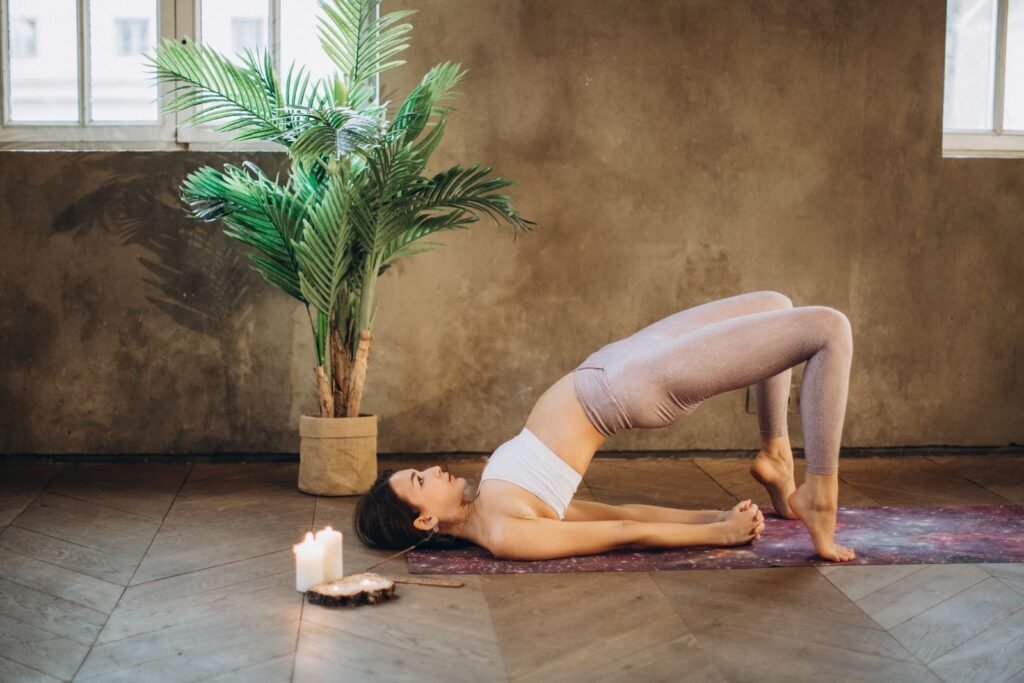
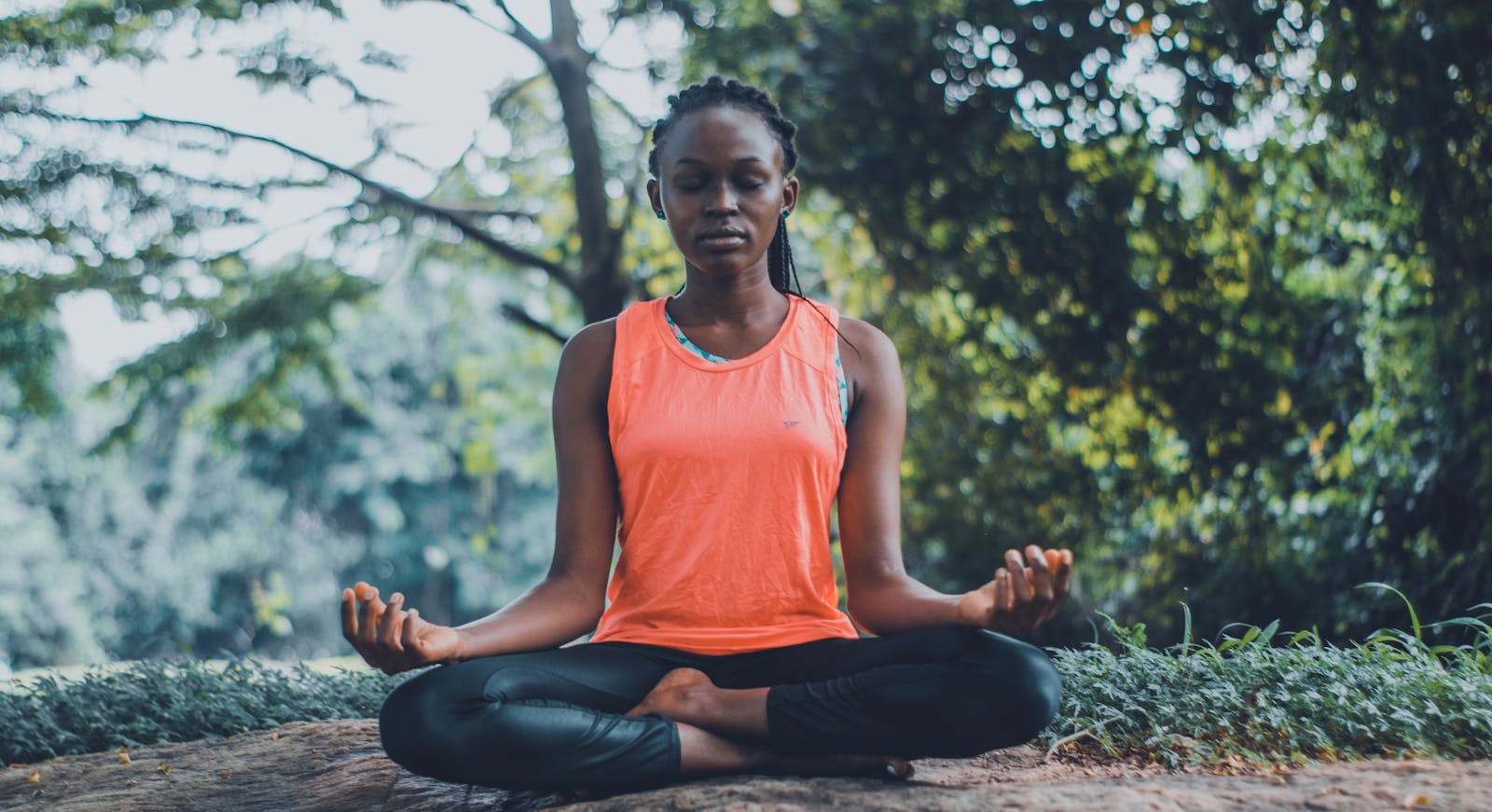
Yoga improves memory and learning by calming the nervous system, increasing blood flow to the brain, and training sustained attention through breath-linked movement. Poses like Padmasana, Vajrasana, Sarvangasana, and Bhramari Pranayama are commonly recommended because they combine stillness, gentle inversion, or controlled breathing, three factors linked with reduced stress hormones and better focus. Twenty to thirty minutes of daily practice, paired with steady breathing and a distraction-free space, is a realistic starting point for students, professionals, and anyone whose memory feels foggy from chronic stress or poor sleep.
Why Does Yoga Help With Memory and Learning?
Memory and learning depend on a calm, well-regulated nervous system. When you’re chronically stressed, your body produces more cortisol, and sustained high cortisol is widely associated with impaired short-term memory and difficulty concentrating. Yoga interrupts that cycle in two ways: physically, through poses that improve circulation and regulate breathing, and mentally, through the focused attention that every posture demands. A 2013 study from researchers at UCLA compared yoga practice against a standard memory-training program in older women showing early signs of memory decline and found the yoga group showed comparable or better improvements in verbal memory, along with reduced anxiety. That single finding doesn’t mean yoga replaces memory training, but it does support what many practitioners and yoga teachers observe: consistent practice changes how the brain handles stress-related forgetfulness.
What Are the Best Yoga Poses for Memory and Concentration?
No single pose is a magic switch for memory, but certain postures are repeatedly recommended across yoga traditions for their calming and blood-flow effects. The most commonly cited poses include:
- Padmasana (Lotus Pose) – a seated posture that stabilizes the spine and is traditionally used as a base for meditation and pranayama.
- Vajrasana (Thunderbolt Pose) – one of the few poses considered safe to practice right after eating, thought to aid digestion and settle a restless mind.
- Sarvangasana (Shoulder Stand) – a gentle inversion believed to increase blood flow toward the head and neck region; beginners with neck issues or high blood pressure should only attempt it with guidance.
- Halasana (Plow Pose) – often paired with shoulder stand, it stretches the spine and is said to relieve mental fatigue.
- Uttanasana (Standing Forward Bend) – a gentle inversion that calms the nervous system without the intensity of a full shoulder stand.
- Balasana (Child’s Pose) – a resting posture that lowers heart rate and is often used between more demanding poses to reset focus.
For a full breakdown of sequencing these safely, see our guide on yoga for concentration in students.
How Does Bhramari Pranayama Improve Focus?
Bhramari, or “humming bee breath,” is one of the most frequently recommended breathing exercises for mental clarity. The practice involves closing the ears with the thumbs, resting fingers lightly over the eyes and forehead, and exhaling with a steady humming sound. The vibration is commonly described as having a soothing effect on the mind, and many practitioners report it helps quiet racing thoughts before study sessions or exams. Because it directly slows the exhale, Bhramari is often grouped with other pranayama breathing techniques used specifically to downshift the nervous system before tasks that demand sustained attention, like reading, revising, or writing.
How to Improve Memory Power by Yoga: A Simple Daily Routine
Consistency matters more than intensity when the goal is memory support. A realistic daily routine looks like this:
- 5 minutes: Seated breath awareness in Padmasana or Sukhasana (Easy Pose) to settle the mind before practice.
- 10 minutes: A short flow of grounding postures such as Balasana, Uttanasana, and Vajrasana.
- 5 minutes: Bhramari Pranayama, done in three to five rounds.
- 5–10 minutes: A brief seated meditation or trataka (candle-gazing concentration practice) to close the session.
This structure works well as a morning routine before school or work, but it’s equally effective in the evening to unwind before study or revision. If you’re new to structuring a routine, our beginner’s guide to yoga walks through pacing and common mistakes to avoid.
Can Yoga Really Increase Concentration and Memory Power Long-Term?
The honest answer is that yoga is a supportive practice, not a guaranteed fix, but the mechanisms behind it are reasonably well understood even where large-scale data is still limited. Regular practice is associated with lower baseline stress, more stable sleep patterns, and improved body awareness, all of which indirectly support memory consolidation, the process by which the brain files short-term information into longer-term storage. Sleep plays an outsized role here: poor sleep is one of the most common, and most fixable, causes of poor memory, and the calming effect of an evening yoga practice is one of the more practical ways people address it. For a deeper look at how physical practice affects rest, read our article on yoga for better sleep.
What Is the Role of Meditation in Learning?
Meditation and yoga are often taught together, and for memory-focused practice, they reinforce each other directly. Where physical postures prepare the body by releasing tension, seated meditation trains the mind to notice when it has wandered and gently bring it back, which is essentially the same skill used when studying a dense chapter or sitting through a long lecture. Simple techniques like anchoring attention to the breath, counting breaths, or silently repeating a single word (mantra meditation) are accessible starting points, and each pairs naturally with the broader practice of mindfulness meditation. If concentration during study is your main goal, our dedicated piece on meditation for focus expands on specific techniques you can layer onto a yoga practice.
Which Yoga Styles Are Best Suited for Cognitive Benefits?
Not all yoga styles are built the same way, and the right style depends on your existing fitness level and learning goals. Hatha yoga is a common starting point because its slower pace makes it easier to focus on breath and alignment rather than rushing through transitions. Restorative yoga is especially useful for people whose memory issues stem from chronic stress or burnout, since it emphasizes long, supported holds that calm the nervous system. For those who want a more active practice that still builds mental discipline, vinyasa yoga links breath to movement in a way that trains sustained attention over a longer sequence. Whichever style you choose, our overview of yoga styles can help you match the practice to your specific goal rather than picking at random.
How Do Mudras Like Gyan Mudra Support Memory?
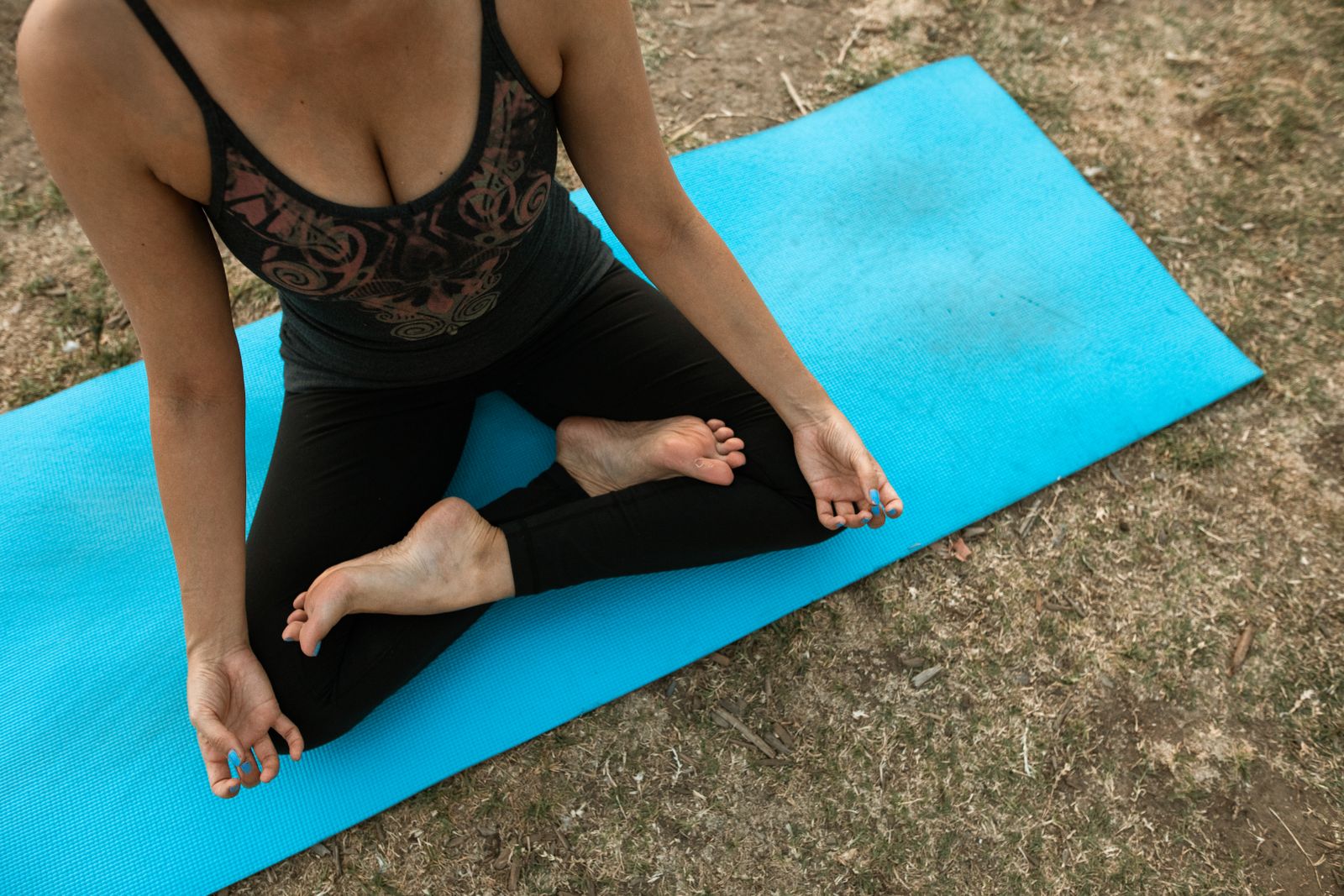
Mudras are specific hand gestures used in yoga and meditation, and Gyan Mudra, joining the thumb and index finger while the other three fingers extend, is the one most associated with focus and memory in traditional practice. It’s typically held during seated meditation or pranayama, and while direct clinical evidence on mudras specifically is limited, the gesture serves a practical purpose: it gives the mind a small physical anchor, similar to how holding a pen steadies handwriting. Practitioners often combine Gyan Mudra with Bhramari Pranayama or simple breath-counting for a five- to ten-minute focus ritual before study sessions. It costs nothing, requires no equipment, and can be done at a desk between classes or meetings.
Yoga for Memory Power in Tamil Nadu and Traditional Practice
Interest in memory power increase yoga in Tamil reflects a much longer regional tradition of pairing yogasanas with Ayurvedic lifestyle habits, including sleep timing, diet, and daily routine (dinacharya). Traditional teaching in Tamil Nadu and across South India has long paired asana practice with pranayama and meditation as a combined system rather than isolated exercises, which lines up with what modern practice increasingly supports: breathing, movement, and stillness tend to work better together than any one element alone. If you’re searching in Tamil for this topic, the same core poses covered in this article, Padmasana, Vajrasana, Sarvangasana, and Bhramari Pranayama, apply directly and are taught in most traditional and modern yoga schools regardless of the language of instruction.
How Does Yoga Compare to Other Memory-Boosting Habits?
Yoga works best as one part of a broader routine rather than a replacement for other memory-supporting habits. Physical activity in general is linked with better cognitive function, and yoga’s advantage is that it combines light physical exertion with breath regulation and mental focus in a single session. Compare this to other everyday habits:
- Diet: Stable blood sugar supports steady concentration; large sugar spikes and crashes work against it.
- Sleep: Seven to nine hours is the commonly cited range needed for proper memory consolidation.
- Movement breaks: Short breaks during long study sessions reduce mental fatigue and can improve retention of material studied just before the break.
Yoga touches on all three indirectly: it can improve sleep quality, reduce stress eating, and serve as an active break from a desk. If weight management is also a goal alongside sharper focus, our guide to yoga for weight loss shows how the same consistent practice supports both outcomes together, and our piece on yoga for stress relief covers the stress-reduction side in more depth.
Is Yoga Safe for Students Preparing for Exams?
Yes, for the vast majority of students, gentle to moderate yoga is safe and is often recommended specifically during exam season because it addresses exam-related anxiety without adding physical strain. Inversions like Sarvangasana and Halasana should be approached carefully by anyone with neck injuries, high blood pressure, or vertigo, and are best learned under a qualified instructor at first. Students with any existing medical condition should check with a doctor before starting inversions specifically, though seated postures and breathing exercises are broadly safe for almost everyone. Practicing consistently, even for ten minutes daily, tends to produce better results than occasional long sessions squeezed in only right before exams. Pairing this with better study habits, like the ones covered in our guide to yoga for students, tends to compound the benefit further.
What Mistakes Should Beginners Avoid?
The most common mistake is treating yoga as a one-time fix rather than a cumulative practice. A single session before an exam might calm nerves temporarily, but the memory and concentration benefits described throughout this article build up over weeks of regular practice. Other frequent mistakes include rushing into advanced inversions without proper alignment, holding the breath instead of breathing steadily through poses, and practicing in a noisy or brightly lit space that works against the calming effect the poses are meant to create. Beginners also often skip the seated stillness and breathing components entirely and focus only on the physical postures, missing the mental-focus half of the practice that matters most for memory specifically. Our common yoga mistakes guide covers several more pitfalls worth avoiding early on.
How Long Before You Notice a Difference in Focus?
Most practitioners report noticing calmer, more settled attention within two to four weeks of consistent daily practice, though this varies by individual and depends heavily on sleep, stress levels, and how regularly the practice is kept up. Memory-specific improvements, especially the kind linked to reduced anxiety and better sleep, tend to build more gradually over one to three months. Treating the twenty-to-thirty-minute daily routine outlined earlier in this article as a habit, similar to brushing your teeth, rather than a task to complete only when motivation is high, is the most reliable way to see the cumulative effect show up in daily concentration and recall. Journaling progress alongside a practice, an approach covered in our article on yoga journaling, can help make these gradual shifts more visible.
Questions People Ask About Yoga for Memory and Learning
Which yoga pose is best for memory power?
There isn’t one single “best” pose, but Padmasana combined with Bhramari Pranayama is the most frequently recommended pairing, since it combines physical stillness with a calming breathing technique. Sarvangasana is also commonly cited for its effect on blood flow to the brain, though it requires more experience and should be learned with guidance before practicing independently.
Can yoga increase concentration and memory power quickly?
Some people notice calmer focus within a single session, particularly after breathing exercises like Bhramari, but lasting memory and concentration improvements typically take two to four weeks of daily practice to become noticeable. Treating yoga as a short-term fix before an exam is far less effective than building it into a regular routine.
Is 10 minutes of yoga enough to help with memory?
Ten minutes daily, done consistently, is genuinely useful and better than an occasional 45-minute session. A short routine combining two or three seated poses with five minutes of Bhramari Pranayama can meaningfully lower stress levels, which is one of the main pathways through which yoga supports memory and focus.
Does yoga help with memory loss related to aging?
Some research, including a notable UCLA study comparing yoga to memory training in older adults, suggests yoga can support verbal memory and reduce anxiety in older populations showing early cognitive decline. It should be viewed as a supportive practice alongside medical guidance, not a replacement for clinical care if memory loss is significant or progressive.
What breathing exercise is best for concentration before studying?
Bhramari Pranayama (humming bee breath) is the most commonly recommended technique for pre-study focus because its extended exhale and gentle humming vibration have a settling effect on a restless mind. Alternate nostril breathing (Nadi Shodhana) is another widely taught option for balancing focus before a demanding mental task.
Can children practice yoga for better concentration in school?
Yes, simple seated postures, gentle stretches, and short breathing exercises are generally safe and beneficial for school-age children when taught by a qualified instructor and adapted to their age. Many schools now include short yoga or mindfulness breaks specifically to help children reset focus between lessons.
Try This for Yourself
Reading about poses and breathing techniques only goes so far, the real shift in focus and memory comes from consistent, guided practice. If you’d like a structured routine built around concentration and mental clarity, explore FitStrot’s online yoga classes and work with an instructor who can adapt these poses and breathing techniques to your schedule and experience level.
Related reading: Yoga for Concentration in Students, Yoga for Weight Loss, Yoga for Better Sleep, Beginner’s Guide to Yoga, and Online Yoga Classes.