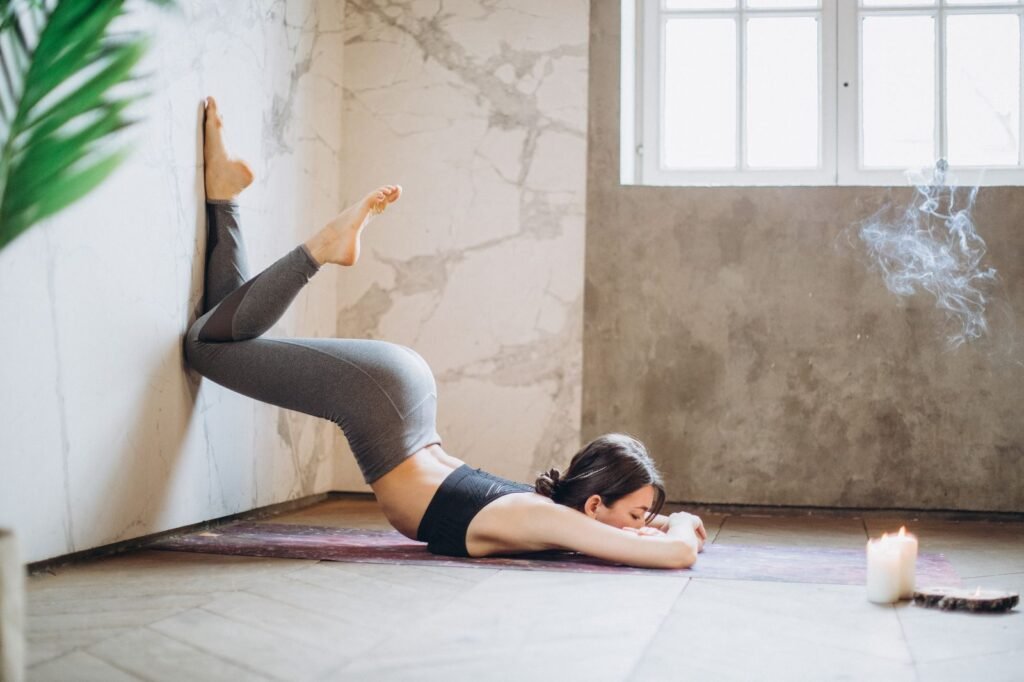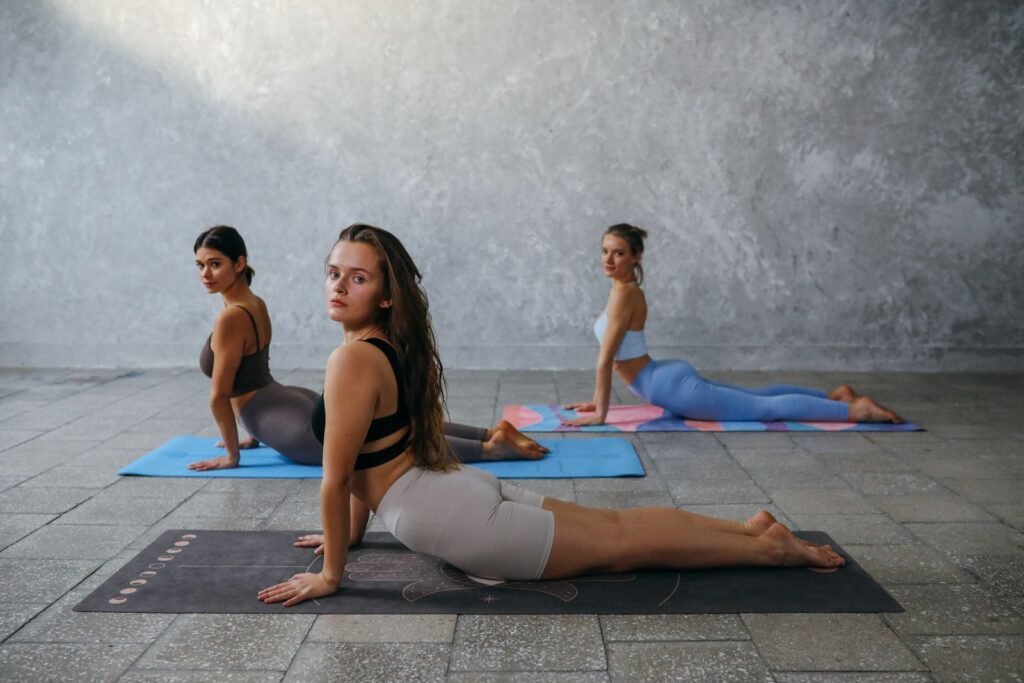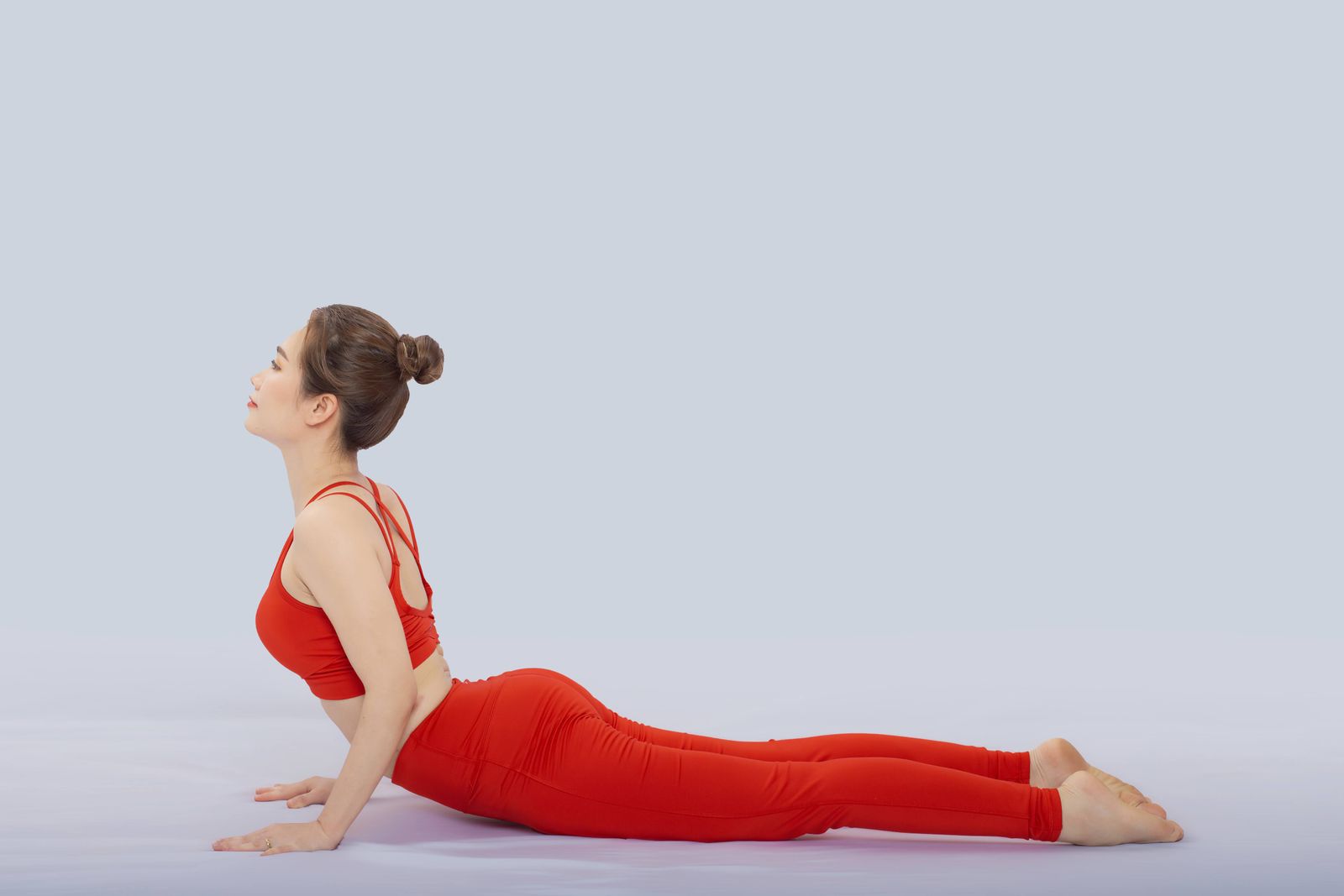
Bhujangasana, or Cobra Pose, is a beginner-friendly backbend done lying face down, where you press through the hands to lift the chest off the mat while keeping the lower ribs and pelvis grounded. It strengthens the spinal extensor muscles, opens the chest and shoulders, and gently stretches the abdominal muscles, making it one of the most commonly taught poses for improving posture and spinal mobility. It’s also one of the twelve postures in the classic Surya Namaskar sequence, so most people practicing yoga regularly encounter bhujangasana long before they learn its name. Practiced correctly, with the elbows soft and the lift coming from the back muscles rather than the arms, it’s considered safe for most healthy beginners and is often used as a milestone pose before progressing to deeper backbends.
What Is Bhujangasana in Yoga?
The name comes from the Sanskrit words “bhujanga,” meaning serpent or cobra, and “asana,” meaning pose or seat. The shape of the pose is meant to resemble a cobra with its hood raised, chest lifted and head held high while the lower body stays low to the ground. Bhujangasana belongs to the backbend family of yoga poses, alongside postures like Locust Pose and Upward-Facing Dog, and it’s typically one of the first backbends taught to new students because the entry and exit are simple and the intensity is easy to control.
Unlike deeper backbends that require significant shoulder and spinal flexibility, bhujangasana can be practiced at several intensities. A gentle version lifts the chest only a few inches off the floor using back strength alone, while a fuller expression straightens the arms more and increases the backbend. Both variations count as legitimate practice, and most teachers encourage beginners to stay in the gentler range until the muscles supporting the spine are stronger.
How Do You Do Bhujangasana? Step-By-Step Instructions
Cobra Pose can be practiced in under a minute, but the setup determines whether it strengthens the back safely or strains it. Follow these steps:
- Lie face down on the mat with legs extended straight behind you, tops of the feet pressing into the floor, and legs hip-width apart or together.
- Place the hands flat on the mat under the shoulders, fingers spread wide, elbows bent and hugging in close to the ribs rather than flaring outward.
- Press the tops of the feet, thighs, and pelvis firmly into the mat. This grounding is what protects the lower back during the lift.
- Inhale and begin lifting the chest by engaging the back muscles first, using the hands only for light support rather than pushing the body up like a plank.
- Keep the elbows slightly bent and close to the body, drawing the shoulder blades down away from the ears.
- Lift only as high as feels comfortable without pain in the lower back. The lower ribs and pelvis should stay in contact with the mat.
- Keep the neck long and gaze forward or slightly upward, avoiding the tendency to crank the head back.
- Hold for 15 to 30 seconds, breathing steadily, then exhale and lower back down slowly with control.
Repeat two to three times, resting briefly between rounds. This pose is also commonly practiced within a vinyasa yoga flow, where it appears as a transition between plank and downward dog.
What Are the Benefits of Bhujangasana?
Bhujangasana offers a combination of physical and postural benefits that make it a staple in most yoga sequences, from beginner classes to advanced flows.
- Strengthens the spinal extensors. The muscles running along the spine work to lift the upper body, building the kind of back strength that supports everyday posture.
- Stretches the chest, shoulders, and abdomen. The backbend opens the front body, which can counter the forward-hunched posture common with desk work and screen use.
- Improves spinal flexibility. Regular practice of gentle backbends like this one is commonly cited as supporting a healthier range of motion through the thoracic and lumbar spine.
- Encourages fuller breathing. Opening the chest can make it easier to expand the rib cage during inhalation, which some practitioners find helpful for breath awareness.
- Builds body awareness. Because the pose requires coordinating the legs, pelvis, back, and arms simultaneously, it trains the kind of full-body attention that carries over into more advanced postures.
- Supports posture over time. Strengthening the back extensors while stretching the chest is a common recommendation for people who spend long hours sitting.
These benefits build gradually with consistent practice rather than appearing after a single session, which is true of most strength- and mobility-based yoga poses.
What Muscles Does Bhujangasana Work?
Bhujangasana is primarily a back-strengthening pose, but it engages several muscle groups at once. The erector spinae muscles running along the length of the spine do the main work of lifting the chest. The gluteal muscles and the backs of the legs engage to keep the pelvis and legs anchored to the floor, which protects the lower back from overextending. The muscles of the shoulders and upper back, including the rhomboids and trapezius, draw the shoulder blades down and back to support the lift without letting the shoulders creep toward the ears. Meanwhile, the chest and abdominal muscles lengthen under a gentle stretch as the front body opens. This combination of active back muscles and stretched front-body muscles is what makes bhujangasana useful for correcting the muscular imbalances that come from prolonged sitting or slouched posture.
What Is the Difference Between Bhujangasana and Urdhva Mukha Svanasana?
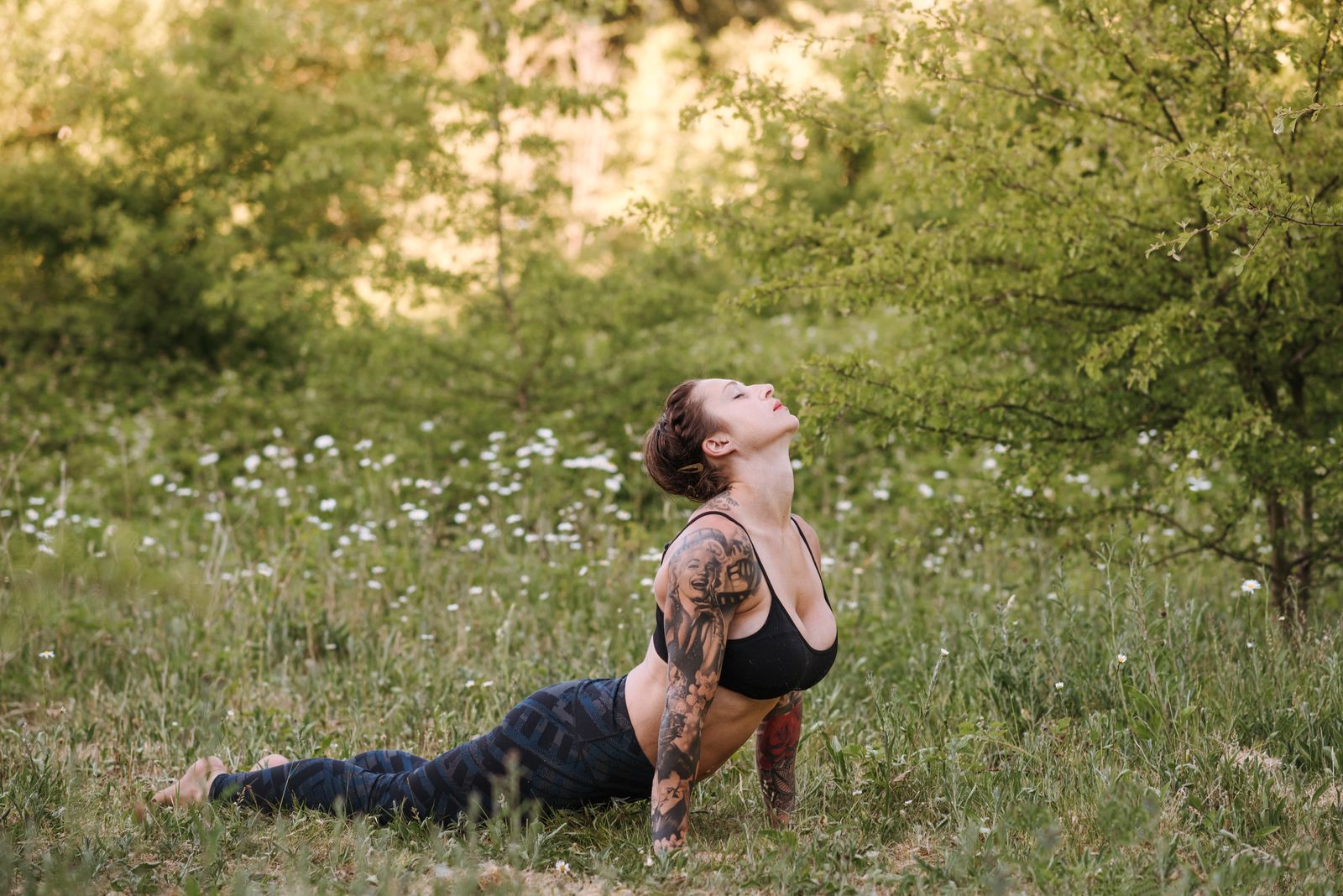
Bhujangasana (Cobra Pose) and Urdhva Mukha Svanasana (Upward-Facing Dog) look similar at first glance, but they differ in a few important ways. In bhujangasana, the pelvis, thighs, and tops of the feet stay in contact with the mat throughout, and the elbows typically remain bent. In Upward-Facing Dog, the thighs and pelvis lift off the floor entirely, the arms straighten fully, and only the hands and tops of the feet touch the ground. This makes Upward-Facing Dog a more intense backbend that requires more shoulder strength and spinal extension. Many teachers recommend mastering bhujangasana first, since it builds the same back-strengthening pattern with less strain, before progressing to the fuller expression found in vinyasa-style sun salutation variations.
What Are Common Bhujangasana Variations?
Bhujangasana adapts well to different strength levels and goals, which is part of why it appears across so many styles of practice.
- Baby Cobra (low cobra): The chest lifts just a few inches off the floor using back strength alone, with minimal or no weight in the hands. This is the safest entry point for beginners and for anyone with lower back sensitivity.
- Full Cobra (high cobra): The arms straighten more, deepening the backbend. This variation demands more shoulder flexibility and should only be attempted once the low variation feels comfortable and pain-free.
- Sphinx Pose: A gentler alternative where the forearms rest on the mat instead of the palms, reducing the intensity of the backbend while still opening the chest.
- One-legged Cobra: One leg lifts slightly off the floor during the pose, adding a balance and core-engagement challenge for more experienced practitioners.
Choosing the right variation depends on current back strength, any history of injury, and how the pose feels on a given day. It’s common to move between variations within the same practice.
What Mistakes Do People Make in Bhujangasana?
Several habits reduce the benefit of bhujangasana or increase the risk of strain.
- Pushing up with the arms instead of the back. Relying on arm strength to shove the chest up, rather than engaging the back muscles first, shifts the work away from the spinal extensors and can compress the lower back.
- Letting the elbows flare outward. Elbows pointing out to the sides rather than staying close to the ribs put unnecessary strain on the shoulders and wrists.
- Lifting the pelvis off the mat. If the hips rise up along with the chest, the pose has shifted into a different shape and the lower back loses its protective grounding.
- Cranking the neck back. Throwing the head back to look at the ceiling compresses the cervical spine instead of lengthening it; the gaze should stay soft and forward.
- Going too high, too soon. Chasing a deeper backbend before the back muscles are strong enough often leads to compensating through the lower back rather than distributing the bend evenly along the spine.
Who Should Avoid or Modify Bhujangasana?
Bhujangasana is generally considered safe for healthy adults, but certain conditions call for caution or modification. People with a recent or acute back injury, herniated discs, or ongoing lower back pain should approach this pose cautiously and ideally under the guidance of a qualified teacher or their doctor, since deep backbends can aggravate some spinal conditions. Pregnant practitioners are typically advised to avoid lying face down in later trimesters and to explore alternative poses instead. People with carpal tunnel syndrome or wrist injuries may find the weight-bearing on the hands uncomfortable and can try Sphinx Pose, which shifts the weight to the forearms instead. Anyone recovering from abdominal surgery should also skip deep backbends until fully healed. As with any new pose, starting with the gentle Baby Cobra variation and paying attention to how the lower back feels is the safest approach, especially for those just starting a yoga for beginners routine.
How Does Bhujangasana Fit Into a Broader Yoga Practice?
Bhujangasana rarely appears as a standalone pose in a full practice. It’s one of the twelve positions in the traditional Surya Namaskar (Sun Salutation) sequence, where it’s used as a backbend that counters the forward folds earlier in the flow. In vinyasa yoga classes, it often shows up as an alternative to Upward-Facing Dog within a chaturanga-to-downdog transition, giving practitioners a gentler backbend option. In hatha yoga, where poses are held longer and taught with more attention to alignment, bhujangasana is frequently used as a standalone strengthening posture rather than a quick transition. Because it strengthens the back extensors while opening the chest, it’s also commonly included in sequences designed for yoga for back pain and posture correction, alongside grounding poses like Tadasana.
How Long Should You Hold Bhujangasana?
A typical hold for bhujangasana is 15 to 30 seconds per repetition, performed for two to three rounds with a short rest in between. Beginners often start with shorter holds of 10 to 15 seconds while building back strength and body awareness, then gradually extend the duration as the muscles adapt. In slower-paced practices such as hatha or restorative yoga, some teachers guide longer holds of up to a minute, always with the instruction to come out immediately if there’s any sharp or shooting pain in the lower back. Breath should stay smooth and unrestricted throughout; if holding the pose causes the breath to become shallow or strained, that’s usually a sign to ease the height of the backbend.
What Is the Correct Bhujangasana Yoga Steps Sequence for Beginners?
Beginners tend to have the best experience by building up to the full pose gradually rather than attempting a deep backbend on the first try. A sensible progression looks like this: start with Sphinx Pose to get comfortable with the forearm-supported backbend shape and build initial back strength. Once that feels stable, move to Baby Cobra, lifting only a few inches off the mat using the back muscles rather than the arms. After several sessions of consistent, pain-free practice, gradually introduce more extension by pressing slightly more into the hands, always keeping the pelvis grounded. This step-by-step approach mirrors how most easy yoga poses are taught: build the foundational strength and awareness before adding intensity.
Questions People Ask About Bhujangasana
What is bhujangasana called in English?
Bhujangasana is called Cobra Pose in English. The name reflects the shape of the posture, which resembles a cobra with its hood raised and chest lifted while the lower body stays grounded on the floor.
What is bhujangasana in Hindi?
Bhujangasana is the Sanskrit and Hindi name itself, derived from “bhujanga” (सर्प/भुजंग), meaning serpent or cobra, and “asana” (आसन), meaning pose or seat. It’s commonly referred to as “Bhujangasana” or “Sarp Asana” in Hindi-language yoga instruction, both pointing to the same serpent-inspired shape.
Is bhujangasana good for the stomach and digestion?
Many practitioners find that the gentle compression and stretch through the abdomen during bhujangasana feels soothing, and it’s commonly included in sequences aimed at supporting digestion. However, there’s limited rigorous research confirming a direct digestive effect, so this benefit is best considered anecdotal rather than clinically proven.
Can bhujangasana help reduce belly fat?
Bhujangasana strengthens the back and stretches the abdominal muscles, but no single yoga pose selectively burns fat from one area of the body. It can be a useful part of a broader fitness and yoga routine that supports overall calorie balance, but it shouldn’t be relied on alone for targeted fat loss.
How is bhujangasana different from Sphinx Pose?
Sphinx Pose rests on the forearms rather than the palms, creating a gentler, lower backbend that’s easier on the wrists and lower back. Bhujangasana presses through the hands with the arms more engaged, allowing for a deeper lift of the chest. Sphinx Pose is often recommended as a warm-up or modification before attempting full bhujangasana.
How many times should I practice bhujangasana in a day?
There’s no strict rule, but two to three rounds of 15 to 30 second holds, once a day, is a common and sustainable starting point. Some practitioners include it both at the start and end of a session, particularly when practicing it as part of a full Surya Namaskar sequence rather than in isolation.
Try This for Yourself
Reading the steps is a good start, but bhujangasana is easiest to learn safely with real-time feedback on your alignment. Explore FitStrot’s online yoga classes and practice this backbend with an instructor who can guide your form, adjust your pace, and help you build the back strength this pose is known for.
Related reading: Yoga Poses | Surya Namaskar | Tadasana | Vrksasana | Online Yoga Classes