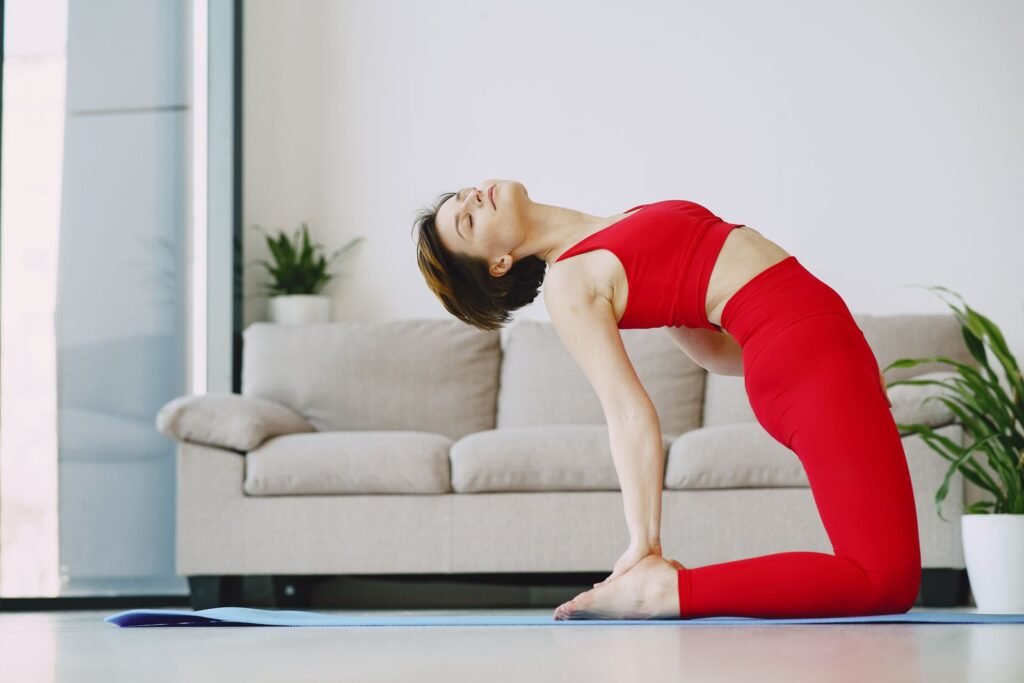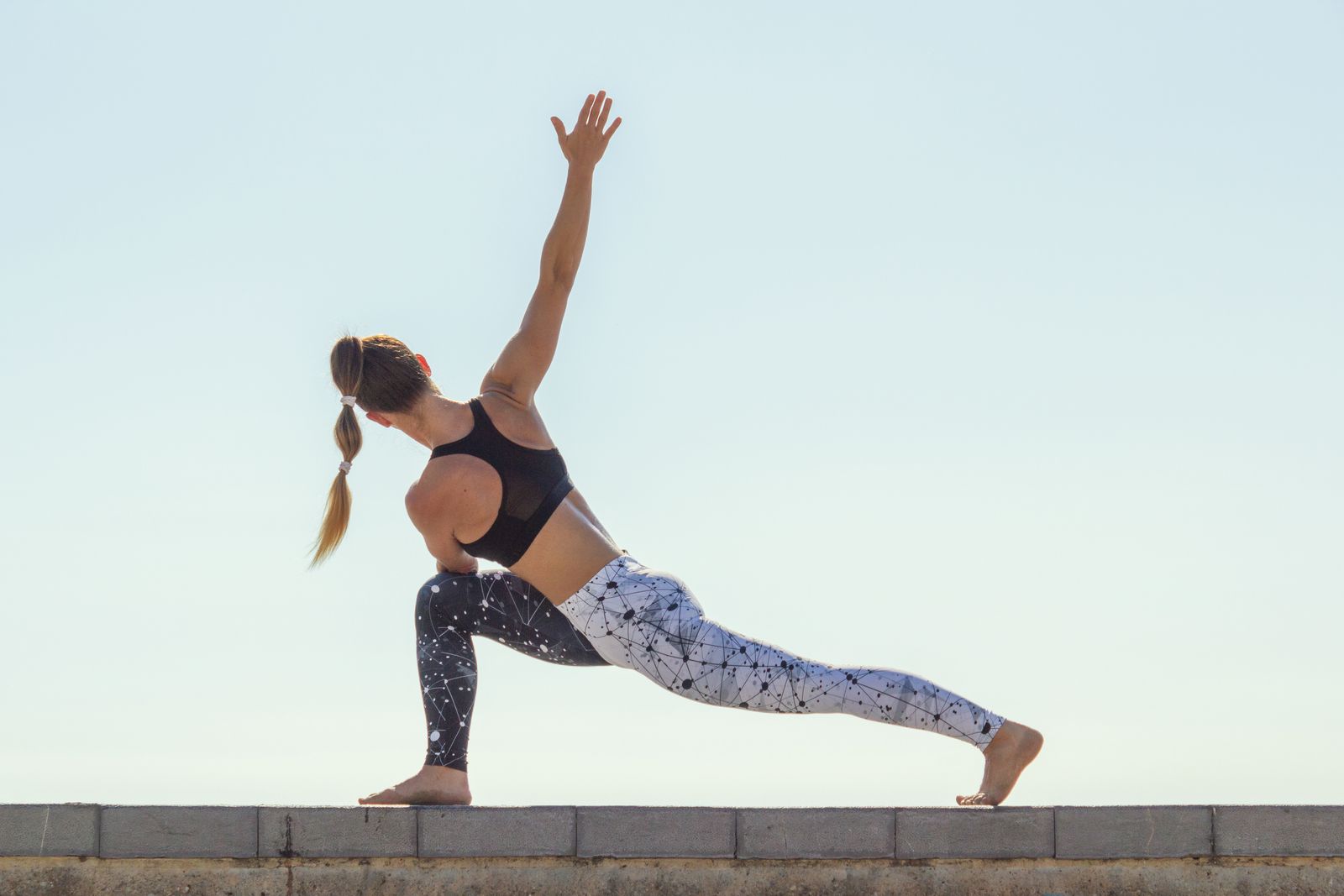
Yoga supports immunity by lowering the stress hormones that suppress immune function, improving lymphatic circulation through movement and inversion, deepening breath to increase oxygen exchange, and improving sleep quality, all of which give your immune system the conditions it needs to work properly. It will not replace vaccines, medication, or a doctor’s care, and no single pose “boosts” immunity in isolation, but a consistent practice of 20-30 minutes, 3-5 times a week, combining gentle asana, pranayama, and relaxation, is one of the most evidence-supported lifestyle habits for supporting the body’s natural defenses over time.
Does Yoga Actually Boost Immunity?
The honest answer is nuanced. Yoga does not directly manufacture more white blood cells or antibodies the way a vaccine does. What a growing body of research does show is that yoga influences several of the biological pathways that immune function depends on: the stress-hormone axis, inflammation levels, sleep quality, and vagal (parasympathetic nervous system) tone. Systematic reviews of yoga and immune biomarkers, including one published in the journal Cureus, have found that regular practice is associated with favorable shifts in inflammatory markers and stress-related immune signaling in many study populations. Researchers are careful to note that study quality and sample sizes vary widely, so the fair, defensible claim is that yoga supports the conditions immunity depends on, rather than that it directly “boosts” immune cell counts on its own.
How Does Yoga Affect the Immune System?
Yoga’s influence on immunity runs through several connected systems rather than one single mechanism. Understanding these pathways helps explain why a well-rounded practice, not just isolated poses, tends to matter most.
The Stress-Cortisol Connection
Chronic stress keeps cortisol elevated, and sustained high cortisol is one of the most well-documented suppressors of immune function, since it dampens lymphocyte activity and disrupts the balance of inflammatory signaling. Yoga’s combination of slow movement, breath control, and relaxation techniques activates the parasympathetic nervous system, the body’s “rest and digest” mode, which helps bring cortisol back toward baseline. This is one reason practices like yoga for stress relief and restorative styles are frequently recommended alongside more active sequences.
Inflammation and the Vagus Nerve
Low-grade chronic inflammation, sometimes called “inflammaging,” is linked to a wide range of health issues and can leave the immune system in a constant, low-level state of activation that reduces its ability to respond efficiently to new threats. Slow diaphragmatic breathing and certain yoga postures stimulate the vagus nerve, which runs from the brainstem through the neck and torso and helps regulate the inflammatory response. Improving vagal tone through consistent practice is one of the more consistently cited mechanisms in yoga-immunity research.
Lymphatic Movement
Unlike blood, lymph fluid has no central pump; it relies on muscle contraction, deep breathing, and gravity-assisted movement to circulate and carry out immune cells and cellular waste. Twists, gentle inversions, and forward folds are commonly cited as ways to encourage lymphatic flow through the compression and release of tissue around lymph nodes in the neck, armpits, and groin.
Which Yoga Poses Are Best for Immunity?
No pose is a magic bullet, but certain postures are widely used in immune-supportive sequences because they combine gentle inversion, chest-opening, twisting, or restorative qualities.
Legs-Up-The-Wall (Viparita Karani)
This gentle inversion reverses the usual pull of gravity on the legs and lower body, encouraging venous and lymphatic return toward the heart. It is deeply restorative, requires no strength, and is often the first pose recommended for anyone recovering from illness or a stressful period.
Seated Spinal Twist (Ardha Matsyendrasana)
Twists gently compress and then release the abdominal organs and the lymphatic tissue around the torso, which practitioners describe as a “wringing out and flushing” action. This pose is also commonly used in sequences designed for digestive health, which shares overlapping benefits with immune support since a large portion of immune tissue lives in the gut lining.
Bridge Pose (Setu Bandhasana)
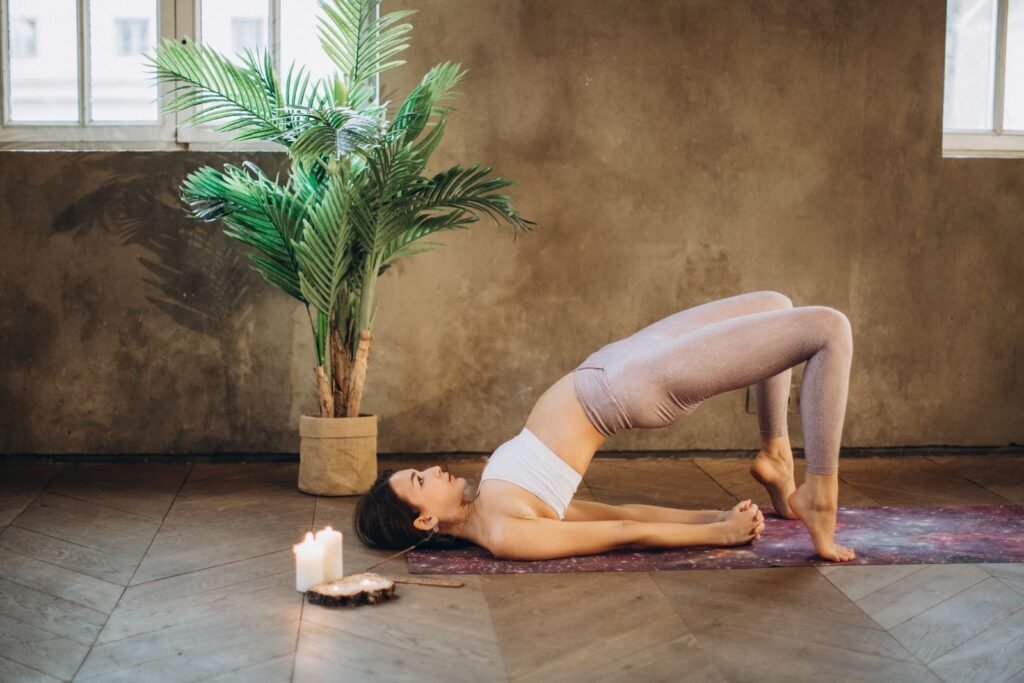
A gentle backbend that opens the chest and throat, Bridge Pose is often included in immunity sequences because it stimulates the thyroid and thymus area, glands involved in hormone regulation and, in the case of the thymus, T-cell development in childhood and early adulthood.
Cat-Cow (Marjaryasana-Bitilasana)
This simple spinal flow warms up the body, encourages diaphragmatic breathing, and gently massages the digestive organs. It is frequently used as a warm-up in beginner sequences and pairs well with yoga for back pain routines since both rely on spinal mobility.
Child’s Pose (Balasana)
A grounding, low-effort resting pose that calms the nervous system between more active postures. It is often used as a “reset” point in a sequence, allowing heart rate and breath to settle before moving on.
Can Pranayama (Breathing Practices) Strengthen Immunity?
Breathwork is arguably the most direct lever yoga offers for immune-relevant physiology, because breath rate and depth have an almost immediate effect on the autonomic nervous system. Slow, extended exhalations activate the vagus nerve and shift the body out of a sympathetic “fight or flight” state, which is the same state that, when chronic, suppresses immune efficiency. Alternate nostril breathing (Nadi Shodhana) and simple diaphragmatic breathing are the two most commonly recommended techniques for beginners, since both are easy to learn and can be practiced for just five to ten minutes a day. Slower, more advanced techniques like Bhramari (humming bee breath) are also frequently discussed in the context of nasal nitric oxide, a compound with some antimicrobial properties in the nasal passages, though research in this specific area is still developing and should be treated as an emerging area of interest rather than settled science.
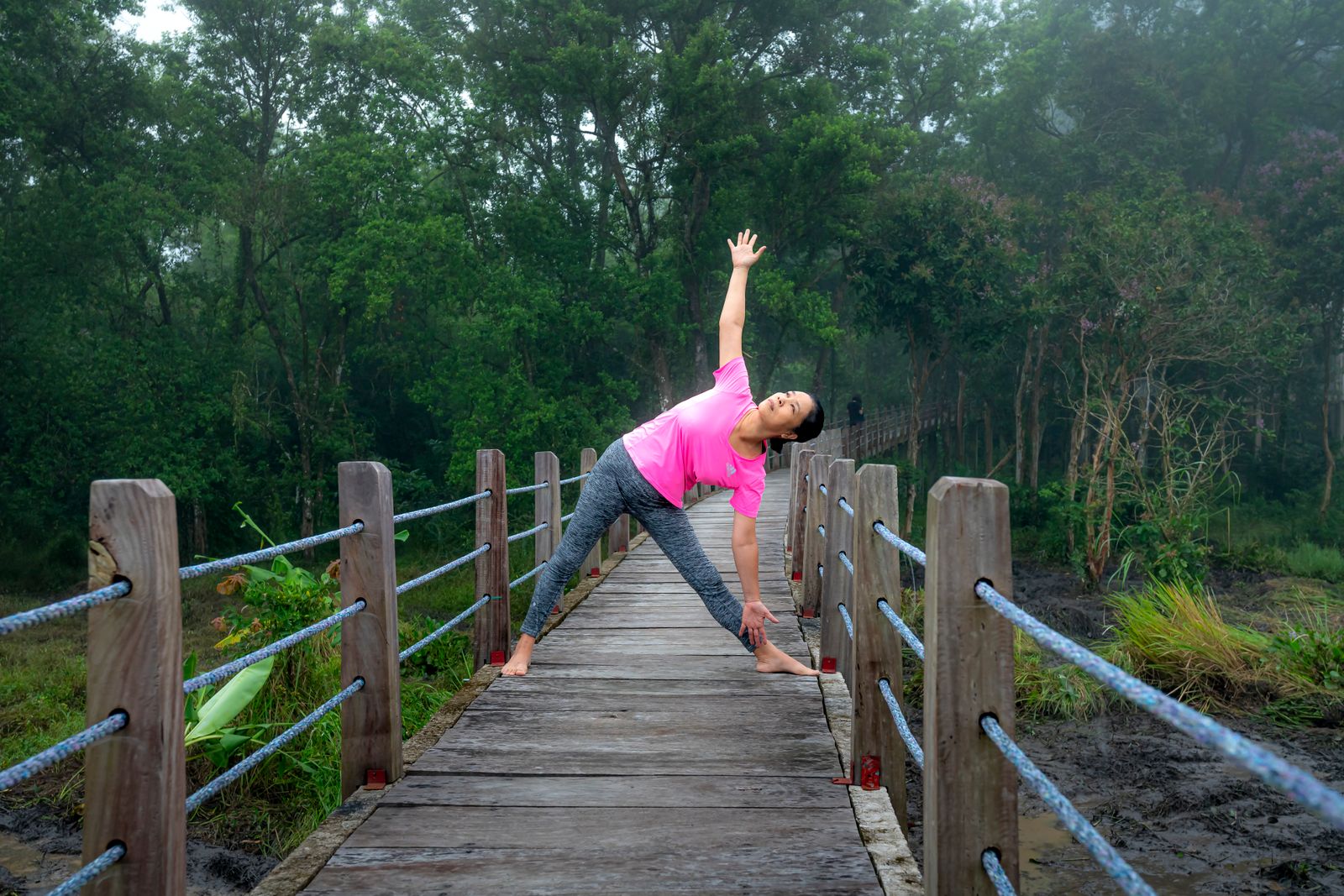
Does Yoga Improve Sleep, and Does That Matter for Immunity?
Sleep is one of the most tightly studied links between lifestyle and immune function; the body produces and releases certain infection-fighting proteins primarily during deep sleep, and chronically short or poor-quality sleep is consistently associated with a higher susceptibility to common illness. Yoga’s relaxation-oriented styles, particularly restorative yoga, yin yoga, and evening flows built around slow breathing, are widely used as sleep aids because they lower physiological arousal before bed. If poor sleep is a recurring issue, pairing a short wind-down practice with the guidance in yoga for better sleep is a practical starting point.
How Often Should You Practice Yoga for Immune Benefits?
Consistency matters more than intensity when the goal is immune support. Most of the research in this space looks at programs of 20 to 60 minutes, practiced three to five times a week, over periods ranging from eight weeks to several months, rather than single sessions. Beginners often see the best early results from shorter, more frequent sessions, five to fifteen minutes daily, since this builds the habit and keeps cortisol and stress responses in a more stable range than sporadic, longer sessions spaced weeks apart. A realistic weekly structure might include two or three active or Vinyasa-style sessions for circulation and strength, one or two restorative or yin sessions for nervous system recovery, and daily short breathwork, even just five minutes, on the days without a full practice.
Does Stress Reduction Alone Explain Yoga’s Immune Effects?
Stress reduction is a major piece of the picture, but not the whole story. Movement itself matters independently: gentle, weight-bearing postures support circulation and musculoskeletal health in ways that pure relaxation techniques like meditation alone do not fully replicate. Yoga’s combination of physical movement, controlled breathing, and mental focus appears to work through multiple, overlapping channels rather than a single mechanism, which is part of why researchers studying “mind-body” interventions increasingly look at yoga, tai chi, and qigong together as a category rather than isolating yoga’s effects from movement in general.
Can Yoga Help During Cold and Flu Season Specifically?
During cold and flu season, the practical value of yoga is less about a single defensive pose and more about supporting the baseline conditions, sleep, stress, circulation, that make it easier for your existing immune system to do its job. Gentle, restorative practice is generally more appropriate than vigorous, high-intensity flows when you are already feeling run down, since intense exercise performed while fighting an active infection can temporarily increase physiological stress rather than reduce it. A light 15 to 20 minute sequence of Legs-Up-The-Wall, Cat-Cow, gentle twists, and slow breathing is a reasonable, low-risk way to support recovery alongside rest, hydration, and any care recommended by a healthcare provider.
Is Yoga Safe for Immunocompromised People?
Gentle and restorative yoga is generally considered low-risk and is used in some clinical and oncology support programs, but anyone who is immunocompromised, recovering from surgery, undergoing treatment such as chemotherapy, or managing a chronic condition should check with their healthcare provider before starting or changing a practice. Modifications are often necessary: avoiding deep inversions if blood pressure is affected, skipping hot yoga rooms if temperature regulation is compromised, and prioritizing supported, prop-assisted versions of poses. This is also where working with a knowledgeable instructor, rather than following generic online sequences, becomes genuinely valuable.
How Does Yoga for Immunity Connect to Other Health Goals?
Immunity rarely operates in isolation from the rest of the body’s systems, which is part of why yoga’s benefits tend to overlap across seemingly different health goals. Excess body fat is linked to a state of chronic low-grade inflammation, so practices explored in yoga for weight loss can indirectly support a less inflamed baseline. Thyroid function influences metabolic and immune regulation together, which is why yoga for thyroid health shares some of the same postures used in immune-focused sequences. Hormonal conditions like PCOS are also associated with systemic inflammation, making yoga for PCOS a related area of overlap, and circulatory health, relevant to conditions covered in yoga for erectile dysfunction, depends on many of the same vascular and stress-reduction mechanisms discussed here.
What Does a Sample Weekly Yoga-for-Immunity Routine Look Like?
A simple, sustainable weekly structure removes the guesswork for beginners:
- Monday: 20-minute gentle Hatha flow covering Cat-Cow, gentle twists, and Bridge Pose, followed by five minutes of diaphragmatic breathing.
- Wednesday: 30-minute Vinyasa yoga session for circulation and strength.
- Friday: 20-minute restorative session built around Legs-Up-The-Wall and supported Child’s Pose.
- Sunday: 15-minute yin yoga session focused on hip and chest openers, paired with alternate nostril breathing.
- Remaining days: five to ten minutes of seated breathwork alone is enough to maintain the nervous-system benefits without requiring a full mat session.
What Role Does Diet and Lifestyle Play Alongside Yoga?
Yoga works best as one part of a broader set of habits rather than a standalone fix. The same immune pathways that yoga influences through stress and inflammation are also shaped by everyday habits:
- Adequate protein and a wide variety of plant foods for fiber and micronutrients
- Sufficient hydration and limiting excess alcohol
- Sunlight exposure and healthy vitamin D status
- Quality sleep
- Social connection
None of these individually will “boost immunity” on their own either; the honest picture is that immune resilience is built from the cumulative effect of many small, consistent habits, of which yoga is one useful and accessible piece.
How Does Yoga Compare to Other Immune-Supportive Exercise?
Moderate-intensity aerobic exercise, walking, cycling, swimming, is also well studied for its immune benefits, and the two approaches are complementary rather than competing. Aerobic exercise tends to improve cardiovascular circulation and metabolic health more directly, while yoga’s advantage lies in its combined effect on the nervous system, breath, and flexibility, along with being accessible to people who cannot tolerate high-impact training due to injury, age, or chronic illness. Many well-rounded fitness plans, including corporate wellness programs, combine both: a few sessions of moderate cardio each week alongside two or three yoga sessions for recovery, mobility, and stress management. If you are new to structured movement altogether, understanding the broader benefits of yoga and the different types of yoga available can help you choose a starting point that fits your current fitness level.
Questions People Ask About Yoga for Immunity
Can 10 minutes of yoga a day boost immunity?
Ten minutes of daily yoga, especially combined with slow breathing, is enough to meaningfully lower stress hormones and improve nervous system regulation over time, both of which support immune function indirectly. It will not replace a full practice or vigorous exercise, but for beginners, a short daily habit is more valuable for consistency than an occasional 60-minute class.
What is the best time of day to do yoga for immunity?
There is no single best time backed by strong evidence; what matters more is consistency. Morning practice can help regulate cortisol’s natural daily rhythm, while evening restorative practice supports sleep quality, which is itself closely tied to immune function. Choose whichever time you can realistically sustain several times a week.
Can yoga help prevent getting sick?
Yoga cannot prevent infection directly and is not a substitute for vaccination, hygiene, or medical care. What it can do is support the underlying conditions, lower stress, better sleep, improved circulation, that make the immune system more capable of responding efficiently when it does encounter a pathogen.
Is hot yoga better for immunity than regular yoga?
There is no strong evidence that heated rooms provide additional immune benefit over standard-temperature yoga, and for some people, particularly those who are immunocompromised or prone to dehydration, hot yoga can add unnecessary physiological stress. Gentle or moderate-temperature practice is generally the safer, better-supported choice for immune-focused goals.
Can children or older adults do yoga for immunity?
Yes, with appropriate modification. Gentle yoga and breathing exercises are widely used across age groups and are generally considered low-risk when poses are adapted to ability level. Older adults and children should avoid deep, unsupported inversions and prioritize supported, slower-paced sequences, ideally guided by an instructor familiar with adapting practice for different age groups.
Try This for Yourself
Reading about yoga’s effect on immunity is useful, but the actual benefits, calmer stress response, better sleep, improved circulation, only show up with consistent practice. If you want structured, guided sessions that build toward these benefits without having to design your own sequence, explore FitStrot’s online yoga classes and start with a beginner-friendly immune-supportive routine this week.
Related reading: yoga for weight loss, yoga for thyroid, yoga for PCOS, yoga for stress relief, and FitStrot’s online yoga classes.