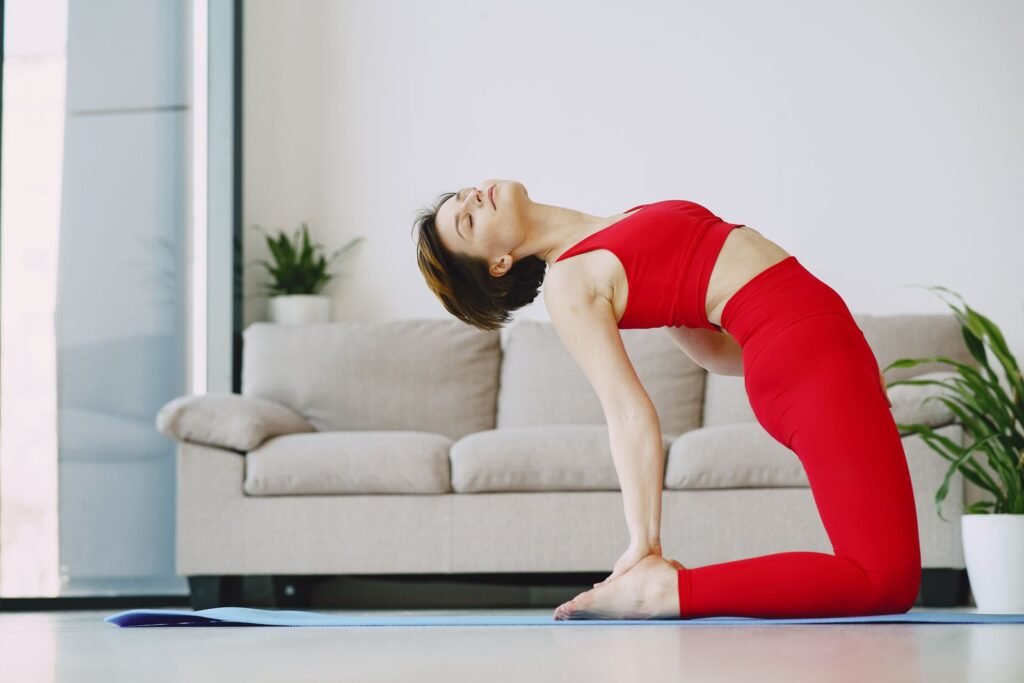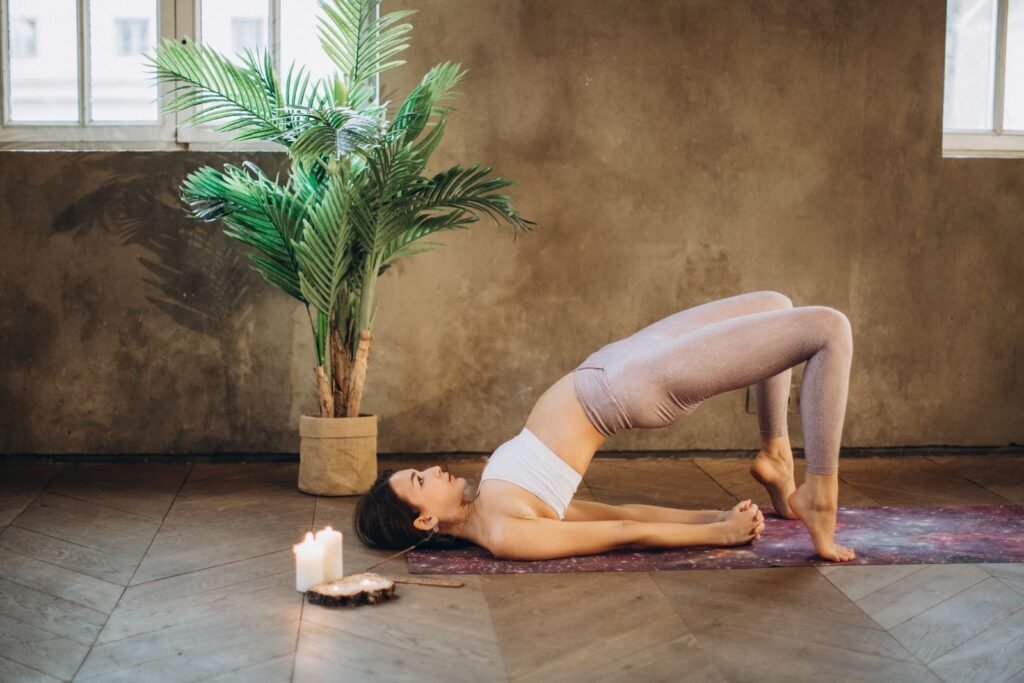
Yoga for concentration works by combining slow, controlled breathing with postures that demand steady balance and stillness, both of which train the nervous system to settle and the mind to stay anchored on one point instead of drifting. Poses like Vrikshasana (Tree Pose), Padmasana (Lotus Pose), and Garudasana (Eagle Pose) force the brain to coordinate breath, balance, and body awareness at once, which is precisely the kind of single-pointed attention that concentration requires. Add a short pranayama practice and a few minutes of trataka (candle-gazing meditation), and most practitioners notice sharper focus within a few weeks of consistent practice. This guide covers the specific asanas, breathing techniques, and daily routines that build concentration, along with how yoga supports memory and mental clarity for students and professionals alike.
Why Does Yoga Improve Concentration?
Concentration is the ability to hold attention on a single task while filtering out distractions, and it depends heavily on how calm and regulated the nervous system is. When you’re stressed, the body stays in a low-grade fight-or-flight state, and the mind darts between thoughts instead of settling. Yoga interrupts that pattern in two ways. First, balancing postures require the brain to process constant micro-feedback from muscles and inner ear, which sharpens present-moment awareness. Second, slow diaphragmatic breathing activates the parasympathetic nervous system, lowering heart rate and reducing the mental noise that makes focus difficult. Practiced together, asana and breathwork give the mind fewer places to wander. This is also why yoga is frequently recommended alongside broader practices for yoga for mental health and yoga for stress, since concentration and emotional regulation share the same underlying nervous-system pathways.
Which Yoga Asanas Are Best for Concentration?
Certain poses are especially effective for building focus because they demand sustained balance, a fixed gaze point (drishti), or supported stillness. The following are considered foundational yoga asanas for concentration in most hatha and raja yoga traditions.
Vrikshasana (Tree Pose)
Standing on one leg with the other foot pressed into the inner thigh or calf, hands at heart center or extended overhead, Tree Pose is often the first balance pose taught to beginners specifically because it teaches the mind to fix on a single point. Choosing a drishti, a soft, unmoving gaze on a spot ahead, is what actually stabilizes the pose; wobbling almost always follows a wandering gaze before it follows a wobbling foot.
Garudasana (Eagle Pose)
Wrapping one leg and one arm around the other while balancing on a single foot creates a compressed, complex shape that requires full mental presence. Because the body has so many points of potential collapse, the mind has no spare bandwidth for distraction, which makes this one of the more demanding concentration poses once Tree Pose feels stable.
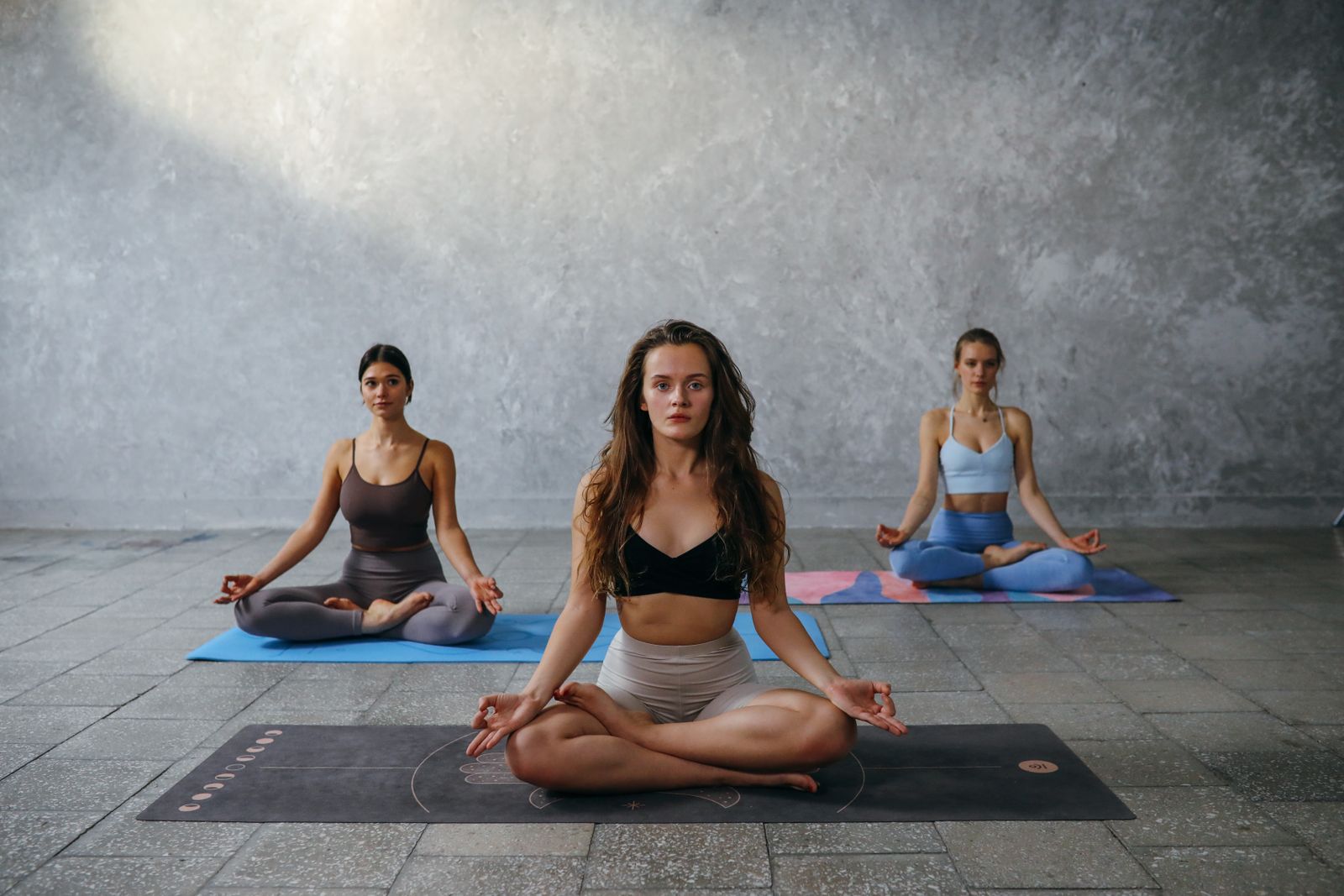
Padmasana (Lotus Pose)
A seated cross-legged posture with each foot resting on the opposite thigh, Padmasana is the classical seat for meditation across most yoga lineages. It isn’t about the intensity of the shape but the stillness it enables: once the legs are locked in place, the practitioner can direct all attention inward without the fidgeting that looser seated positions invite.
Trikonasana (Triangle Pose)
This standing pose lengthens the spine and opens the chest while requiring the practitioner to coordinate breath with a held stretch. The sustained hold, combined with even breathing, trains the mind to stay with a single sensation rather than reacting to mild discomfort, an underrated concentration skill.
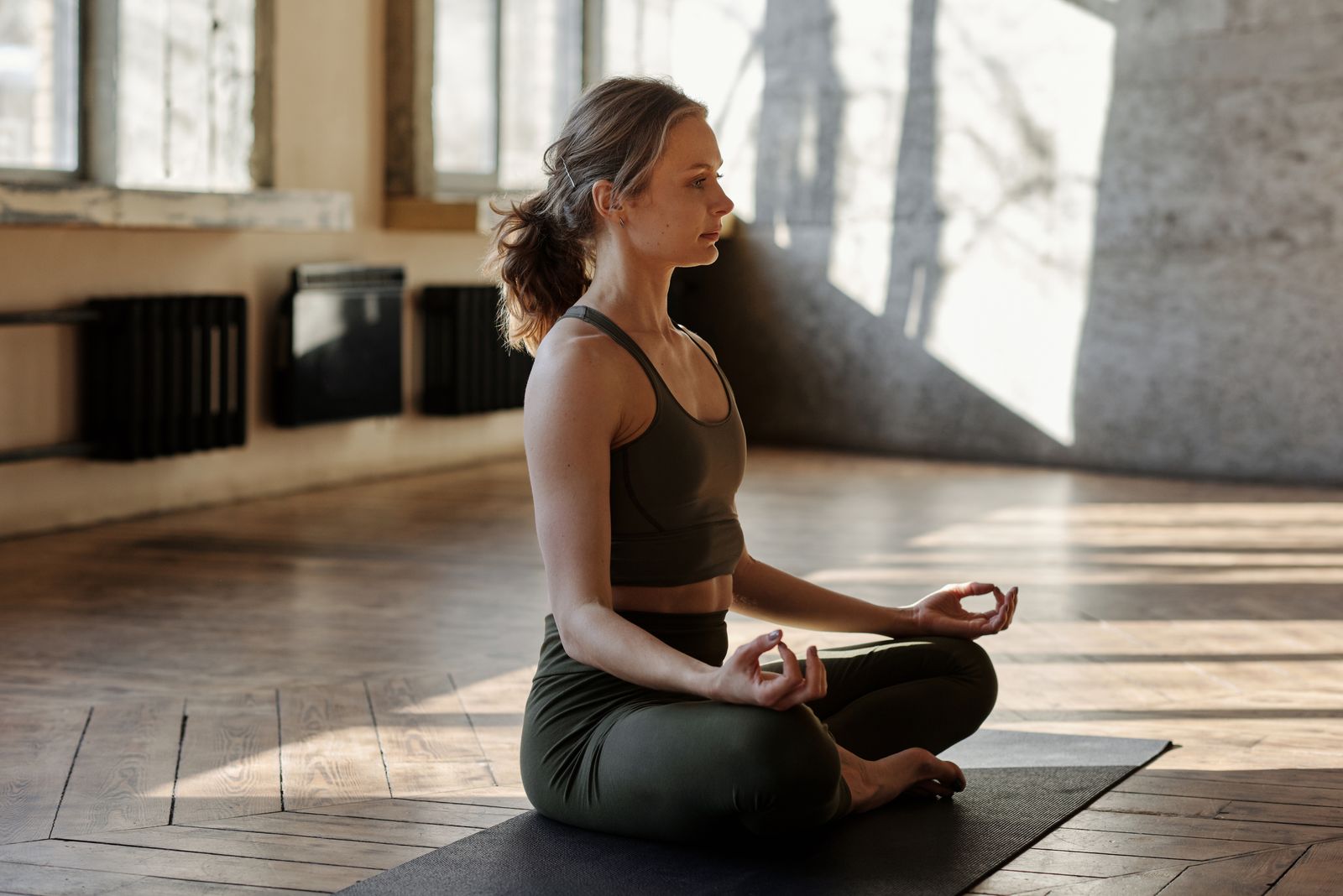
Sukhasana with Chin Mudra
A simple cross-legged seat with the thumb and index finger touching (Chin Mudra) is used at the start of most meditation and pranayama sessions. The hand position is a physical cue that signals the brain to shift into a receptive, focused state, which is why it appears so often at the start of concentration-focused sequences.
What Are the Best Yoga Poses for Concentration and Memory Together?
Memory and concentration overlap because both depend on the brain’s ability to encode information without interference from stress or fatigue. Beyond the balance poses above, gentle inversions and forward-folding postures are commonly cited for supporting memory because they increase blood flow toward the head.
- Adho Mukha Svanasana (Downward-Facing Dog): A mild inversion that increases circulation while stretching the spine and hamstrings, often used as a transitional pose that resets focus mid-sequence.
- Paschimottanasana (Seated Forward Bend): A calming forward fold that is commonly recommended for reducing mental fatigue and supporting steadier attention during study or work.
- Halasana (Plow Pose): An inversion that is traditionally associated with calming the nervous system, though it should be avoided by beginners, and by anyone with neck issues or high blood pressure, without qualified guidance.
- Shishuasana (Child’s Pose): A resting pose used between more demanding postures to let the mind settle, often placed right before seated meditation to smooth the transition into stillness.
If memory retention for exams or professional certifications is the main goal, pairing these poses with a short daily meditation habit tends to compound the benefit more than doing postures alone. Our guide to yoga for sleep is also worth reading alongside this one, since poor sleep is one of the biggest silent drains on memory consolidation.
How Does Pranayama (Breathwork) Sharpen Focus?
Pranayama, the yogic practice of controlled breathing, is arguably more directly tied to concentration than the postures themselves. A few techniques come up most often in this context, and they pair naturally with the broader pranayama breathing techniques used across yoga practice generally.
Nadi Shodhana (Alternate Nostril Breathing)
This technique involves closing one nostril at a time while breathing in a slow, even rhythm through the other. It’s widely taught as a way to balance the two hemispheres of the brain and settle a racing mind before study, meditation, or any task requiring sustained attention. Five minutes before a work session is a common recommendation among yoga teachers.
Bhramari (Bee Breath)
Bhramari involves a humming exhale with the ears lightly covered by the palms. The vibration and the extended, controlled exhale are commonly described as quickly quieting mental chatter, making it a popular quick-reset technique for students between study blocks or professionals between meetings.
Kapalabhati (Skull-Shining Breath)
A more energizing technique involving short, forceful exhales and passive inhales, Kapalabhati is generally used to increase alertness rather than calm the mind, making it a useful morning practice for people who feel foggy rather than anxious. It should be practiced on an empty stomach and avoided during pregnancy or with certain respiratory or cardiac conditions.
Does Yoga for Students Improve Concentration for Exams?
Yoga for students and concentration is one of the most searched combinations in this space, largely because exam periods combine long study hours with high anxiety, a mix that actively works against focus. A short daily sequence, even 10 to 15 minutes, tends to help in three specific ways: it reduces the physical tension that builds up from sitting and studying for hours, it lowers pre-exam anxiety through breathwork, and it creates a consistent mental reset point between study sessions. Many school and college wellness programs now include a brief yoga and breathing block before major exam periods for exactly this reason. Students juggling packed schedules often do better with short, frequent sessions (10 minutes, three times a day) than one long session, since concentration training benefits more from repetition than duration. If exam stress specifically is the bigger obstacle, our guide to yoga for anxiety pairs well with the routine outlined here.
How Long Does It Take to See Concentration Benefits from Yoga?
Most practitioners report a noticeable difference in day-to-day focus within two to four weeks of consistent practice, defined as at least 15 to 20 minutes, four to five days a week. The order of benefits tends to follow a pattern: reduced physical restlessness comes first, usually within the first week or two, followed by an easier time settling into meditation, and then a longer attention span during unrelated daily tasks like reading or working. Consistency matters more than intensity here; a gentle 15-minute daily practice generally builds concentration faster than an intense hour-long session done sporadically once a week. This mirrors what’s generally true across yoga more broadly, covered in our overview of the benefits of yoga as a cumulative rather than one-off practice.
What Is a Simple Daily Yoga Routine for Concentration?
A basic sequence for building focus doesn’t need to be long or complex. Here is a structure commonly used in beginner-friendly, focus-oriented classes:
- 2 minutes: Sukhasana with Chin Mudra, eyes closed, settling the breath.
- 3 minutes: Nadi Shodhana (alternate nostril breathing).
- 2 minutes each side: Vrikshasana (Tree Pose) with a fixed drishti.
- 1 minute each side: Garudasana (Eagle Pose).
- 3 minutes: Paschimottanasana (Seated Forward Bend), breathing slowly.
- 5 minutes: Padmasana or Sukhasana seated meditation, focusing on the breath or a single point.
This takes roughly 20 minutes and works well first thing in the morning or right before a study or focus block. Pairing it with a consistent morning yoga routine tends to make the habit stick better than treating it as an occasional add-on. If you’re newer to yoga generally, it may help to start with our overview of the types of yoga so you understand which style, hatha, vinyasa, or restorative, suits your temperament before building a concentration-specific routine, or our dedicated guide for yoga for beginners if you’re starting from scratch.
Can Meditation Alone Improve Concentration Without the Poses?
Yes, seated meditation on its own does build concentration, and it’s the component most directly responsible for the mental-focus benefits people associate with yoga overall. The postures largely serve as preparation: they release physical tension and restlessness so that sitting still for meditation becomes possible in the first place. Trataka, a technique involving steady, unblinking gazing at a fixed point such as a candle flame, is a classical concentration practice used independently of any asana work. Beginners often find five minutes challenging at first; the discomfort of stillness is normal and tends to ease within the first few sessions rather than being a sign the technique isn’t working.
How Does Yoga for Concentration Compare to Other Focus-Building Activities?
Compared to caffeine or short-term stimulants, yoga’s effect on focus is slower to build but tends to be steadier and doesn’t come with a crash afterward. Compared to meditation apps used without any movement, yoga adds a physical outlet for restlessness that many beginners find easier to sustain, since sitting still cold is genuinely difficult for people with high physical energy or anxiety. Compared to intense cardio, which can also sharpen focus afterward through endorphin release, yoga’s advantage is that it trains attention directly during the activity itself, not just as a downstream effect. For a broader look at how movement styles differ in their effects on the body and mind, our comparison of yoga vs pilates covers some of this ground from a fitness angle rather than a purely mental one, while vinyasa yoga shows how a faster-paced style can build a different kind of moving focus.
What Mistakes Reduce the Concentration Benefits of Yoga?
A few common habits quietly undercut the mental-focus benefits people are practicing yoga for in the first place.
- Rushing through poses: Concentration poses work because of sustained holds. Moving through Tree Pose or Eagle Pose in a few seconds each removes the mental-training component entirely.
- Skipping the breath: Holding a pose while breathing shallowly or holding the breath defeats the nervous-system calming that makes concentration training effective.
- Practicing with a phone nearby: Notifications during a focus-building session directly contradict the goal; even a silenced phone in view has been linked in general attention research to pulling on working memory.
- Inconsistent practice: A single 90-minute session once a month will not build lasting concentration the way 15 to 20 minutes daily does. This is a cumulative skill, not a one-time fix.
- Ignoring sleep and diet: Yoga can’t fully offset chronic sleep deprivation. Pairing your practice with consistent sleep habits, covered in our guide to yoga for sleep, makes the concentration gains far more durable.
How Does Yoga for Concentration Connect to Overall Fitness Goals?
Concentration doesn’t exist in isolation from the rest of your physical wellbeing. Poor sleep, chronic stress, and low energy all erode attention span regardless of how disciplined your yoga practice is. This is why a comprehensive approach tends to work better than treating concentration as a standalone skill to train. If low energy or brain fog is tied to carrying excess weight or poor cardiovascular fitness, it’s worth also looking at yoga for weight loss, since improved fitness generally supports better circulation and energy availability. Similarly, chronic background stress is one of the most common hidden causes of poor concentration, which is why our guide to yoga for stress pairs naturally with the practices described here. And because mental sharpness and emotional wellbeing are so closely linked, yoga for mental health is worth reading as a companion piece rather than a separate topic entirely. For anyone dealing with tension headaches that come from long hours of screen-based focus, yoga for back pain and posture-focused practice can remove a surprisingly common physical distraction.
Questions People Ask About Yoga for Concentration
Which yoga pose is best for concentration and memory?
Vrikshasana (Tree Pose) is generally considered the best starting point because its single-leg balance forces the mind to fix on one point of focus. For memory specifically, gentle inversions like Downward-Facing Dog and forward folds such as Paschimottanasana are commonly recommended alongside it, since increased circulation is thought to support mental clarity.
How many minutes of yoga per day improve concentration?
Most teachers recommend 15 to 20 minutes daily as a realistic starting point, combining a few balance poses, a breathing exercise, and a short seated meditation. Consistency across four to five days a week tends to produce noticeable focus improvements within two to four weeks, more reliably than occasional long sessions.
Can beginners do yoga for concentration and memory improvement?
Yes. Beginners should start with simpler poses like Sukhasana (easy seated pose) and Tadasana (Mountain Pose) before progressing to balance poses like Tree Pose or Eagle Pose. Pairing basic postures with alternate nostril breathing is an accessible entry point that doesn’t require flexibility or prior experience.
Is yoga for concentration effective for students preparing for exams?
Yes, many students find that short daily sessions reduce pre-exam anxiety and physical tension from long study hours, both of which otherwise compete with focus. A 10 to 15 minute routine done consistently in the weeks before exams tends to be more useful than a single long session the night before.
Can yoga replace medical treatment for attention or memory disorders?
No. Yoga can be a valuable supportive practice for everyday focus and stress management, but it is not a substitute for medical evaluation or treatment of diagnosed attention disorders, memory conditions, or neurological issues. Anyone with a diagnosed condition should consult a qualified healthcare provider before relying on yoga as a primary intervention.
Does yoga for concentration also help with mind wandering during meditation itself?
Yes. The same drishti and breath-focus skills built during asana practice carry directly into seated meditation, where mind wandering is most noticeable. Practitioners who build the habit through poses like Tree Pose often find it easier to notice and gently redirect a wandering mind once they sit down to meditate.
Try This for Yourself
Reading about concentration poses and breathing techniques only goes so far; the real shift happens once you’re actually on the mat, guided through the pacing, breath cues, and corrections that make these poses work. If you want structured, live instruction that builds focus session by session, explore FitStrot’s online yoga classes and find a schedule that fits your routine.
Related reading: Yoga for Mental Health, Yoga for Stress, Yoga for Sleep, Yoga for Weight Loss, and FitStrot’s Online Yoga Classes.