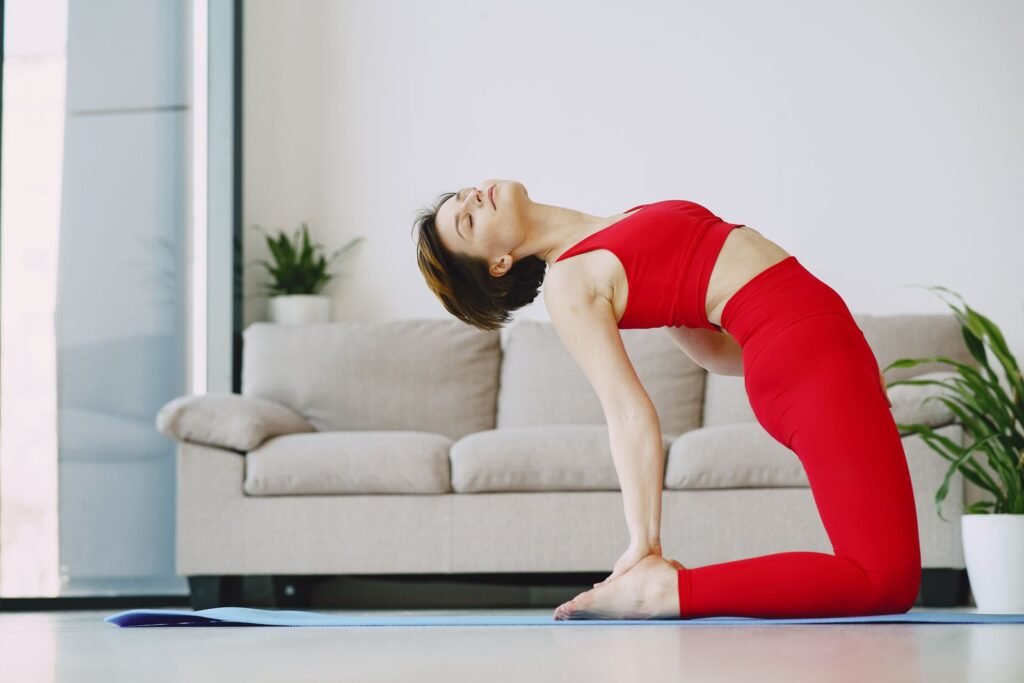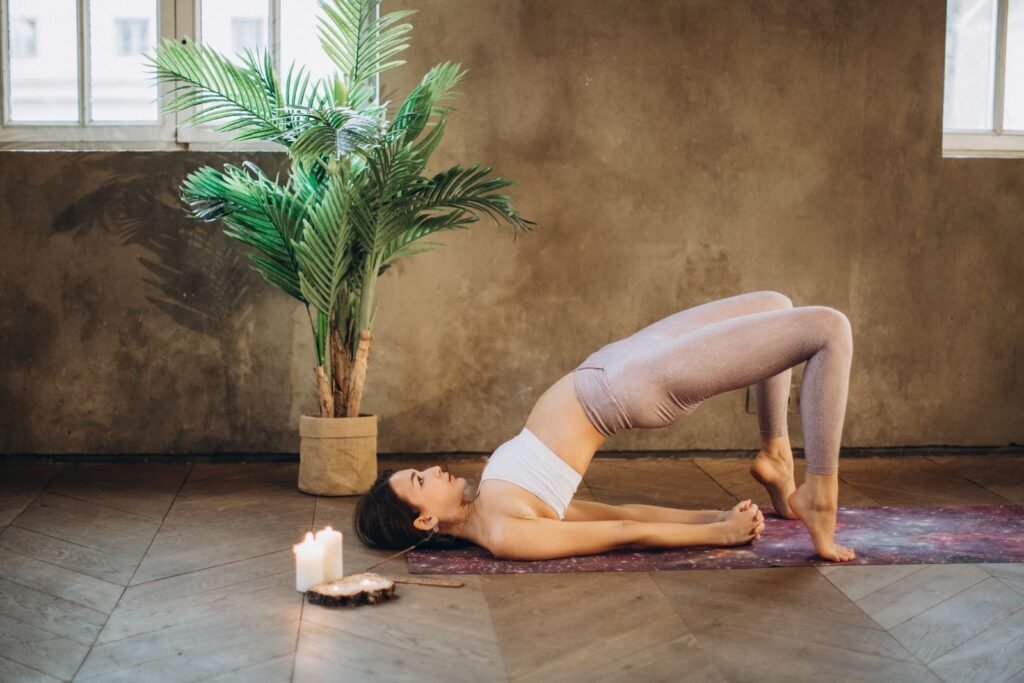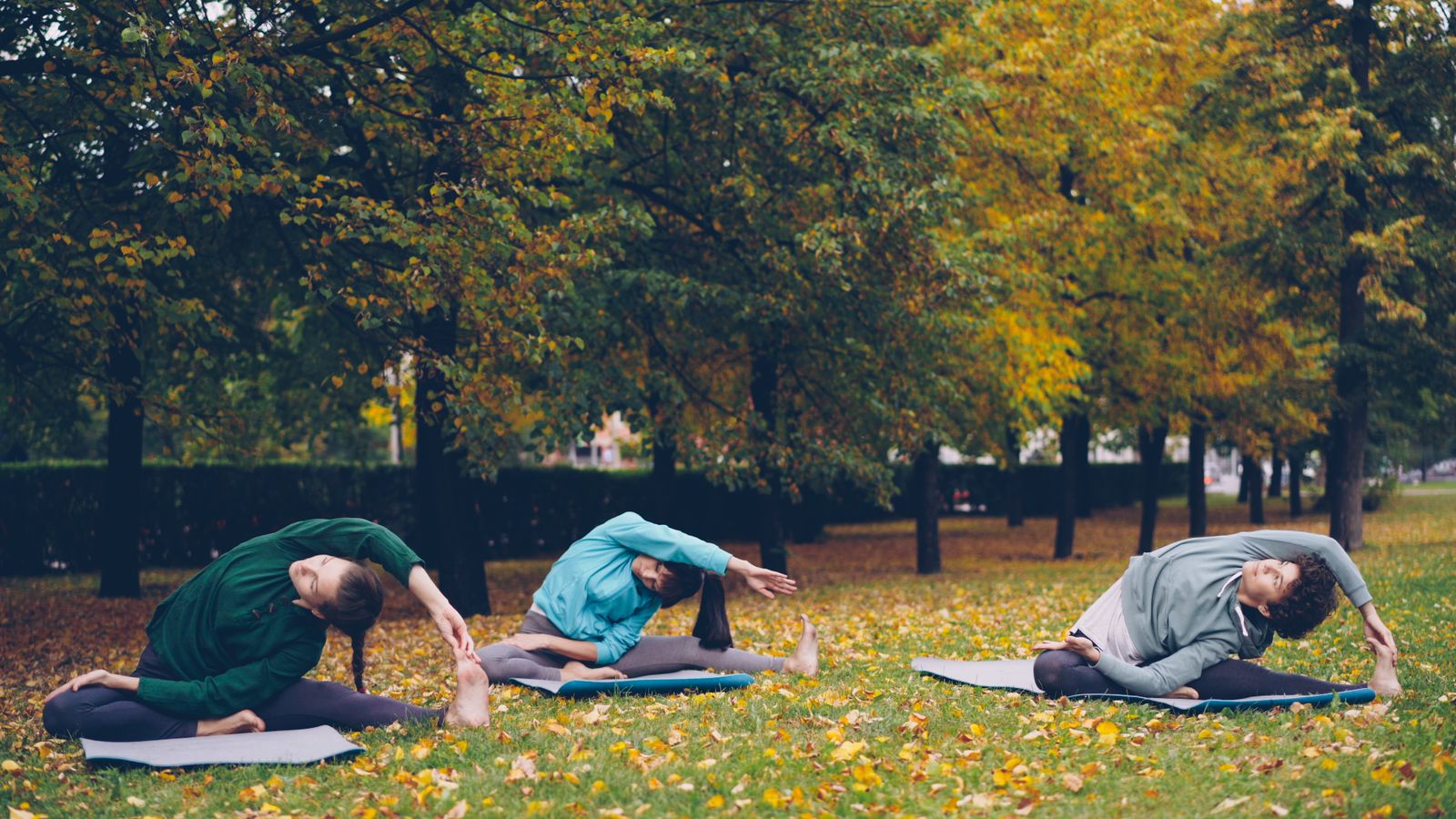
Yoga for cholesterol works primarily by lowering the stress hormones and sedentary patterns that drive up LDL (“bad” cholesterol) and triglycerides, while gentle, consistent movement supports healthier HDL (“good” cholesterol) levels. It is not a replacement for prescribed medication or a doctor-supervised diet plan, but research suggests that a regular practice combining asanas (poses), pranayama (breathwork), and meditation can meaningfully support your lipid profile when paired with medical care. This guide walks through exactly which poses to use, how often to practice, what the research says, and how to build cholesterol-friendly yoga into a real routine — whether you are managing high cholesterol on your own or alongside a thyroid or PCOS condition that often travels alongside it.
What Is Cholesterol and Why Does It Rise?
Cholesterol is a waxy, fat-like substance your liver produces and your body also absorbs from food. You need some cholesterol to build cell membranes and hormones, but an excess of LDL cholesterol can stick to artery walls, narrowing them over time and raising your risk of heart disease and stroke. Triglycerides, a related fat measured in the same blood panel, rise when you consume more calories than you burn — especially from refined carbohydrates, sugar, and alcohol. Chronic stress, poor sleep, a sedentary lifestyle, smoking, and conditions like an underactive thyroid or insulin resistance can all push cholesterol and triglyceride numbers higher, which is part of why yoga for weight loss and cholesterol management so often overlap in practice.
Can Yoga Really Lower Cholesterol?
Yoga cannot pull cholesterol out of your bloodstream directly the way a statin does, but it influences several of the upstream drivers. Several small clinical studies — including trials involving people with type 2 diabetes and separate trials with women practicing yoga several times a week over multiple months — have reported reductions in total cholesterol and LDL after a sustained yoga practice, with more modest or mixed effects on HDL. A broader review of yoga and cardiovascular risk factors similarly found yoga compares favorably to no exercise at all for improving cholesterol and blood pressure markers. The honest, evidence-based takeaway: yoga is a legitimate complementary tool, not a stand-alone cure, and it works best stacked on top of diet changes, physical activity, and any medication your doctor has prescribed.
How Does Yoga Affect Your Lipid Profile?
Yoga influences cholesterol through several overlapping mechanisms rather than one single pathway.
Stress Hormone Regulation
Chronically elevated cortisol encourages the liver to produce more glucose and fat, which can raise triglycerides and LDL over time. Yoga’s combination of slow movement, breath control, and meditation lowers sympathetic nervous system activity, which is one reason stress-reduction techniques are so often recommended alongside diet for lipid management.
Improved Circulation and Digestion
Twisting and forward-folding postures gently compress and release the abdominal organs, which practitioners and some smaller studies associate with improved digestive efficiency and bile flow — bile is partly made from cholesterol, so healthy bile turnover is one small piece of the cholesterol puzzle.
Better Sleep and Weight Management
Poor sleep is independently linked to higher LDL and triglycerides. A consistent yoga practice, particularly in the evening, is associated with improved sleep quality, and combined with the calorie-supporting effects of an active practice, can support the gradual weight loss that improves lipid panels.
Best Yoga Poses for Cholesterol Control
The following asanas are commonly recommended in yoga-for-cholesterol routines because they combine gentle cardiovascular stimulation, abdominal compression, and stress relief.
Trikonasana (Triangle Pose)
This standing pose stretches the sides of the torso and stimulates digestion while improving circulation to the abdominal organs. Practice 3-5 breaths per side, keeping the chest open and the back leg firmly grounded.
Ardha Matsyendrasana (Seated Spinal Twist)
Spinal twists are a cornerstone of yoga for cholesterol control routines because the twisting action massages the liver and intestines, which some practitioners believe supports healthy bile and fat metabolism. This pose pairs well with other yoga for back pain sequences, since twists also mobilize the spine. Hold for 5-8 breaths on each side.
Dhanurasana (Bow Pose)
This backbend opens the chest and stimulates the abdominal region, and is frequently listed among the most effective postures in traditional yoga for cholesterol baba ramdev–style routines popularized in Indian wellness media. Beginners should ease into it gradually, treat it as one of several backbend yoga poses to build up to slowly, and avoid it if they have back injuries.
Sarvangasana (Shoulder Stand)
Considered by many yoga traditions to stimulate the thyroid gland, which plays a role in metabolizing cholesterol, shoulder stand is a staple pose for cholesterol and hormonal balance alike — which is also why it shows up frequently in yoga for thyroid sequences. It should be avoided by people with neck injuries, high blood pressure, or during pregnancy.
Halasana (Plow Pose)
Often practiced immediately after shoulder stand, plow pose continues the gentle compression of the abdomen and throat area and is believed to support metabolic regulation. Like other yoga inversions, it should be approached gradually and skipped if you have neck issues.
Paschimottanasana (Seated Forward Bend)
A calming forward fold that compresses the abdomen, stretches the hamstrings and spine, and activates the parasympathetic nervous system to reduce the stress response linked to elevated cholesterol. It’s a staple in yoga for stress relief sequences for exactly this reason.
Bhujangasana (Cobra Pose)
This gentle backbend strengthens the spine and opens the chest, improving lung capacity and circulation, both of which support overall cardiovascular health. It’s often grouped with other yoga for heart health postures for this reason.
Viparita Karani (Legs-Up-the-Wall Pose)
An easy, restorative inversion that improves venous return and is widely used to lower stress and calm the nervous system, making it an accessible pose even for beginners, those recovering from illness, or anyone exploring restorative yoga for the first time.

Which Pranayama (Breathing) Techniques Help Lower Cholesterol?
Breathwork is often the most underrated part of a cholesterol-focused yoga routine. Three techniques do most of the work:
- Kapalabhati (skull-shining breath): a rapid, forceful exhalation technique believed to stimulate digestion and metabolism; practice it on an empty stomach and avoid it if you have high blood pressure or a heart condition without guidance.
- Anulom Vilom (alternate nostril breathing): a slower, calming practice that reduces stress hormones and is considered safe for nearly everyone, making it a good entry point if you’re new to pranayama.
- Bhastrika (bellows breath): combines forceful inhalation and exhalation to increase oxygen circulation, and is often paired with Kapalabhati in traditional cholesterol-lowering routines.
Beginners should learn these under the guidance of a qualified teacher rather than from video alone, since incorrect technique or overpracticing rapid breathing exercises can cause dizziness.
How Often Should You Practice Yoga to Reduce Cholesterol and Triglycerides?
Consistency matters more than intensity. Most of the small clinical studies that reported cholesterol improvements involved practice sessions of 45-60 minutes, three to five times per week, sustained for at least 12 weeks before meaningful changes in lipid panels appeared. If you’re just starting out, aim for at least 20-30 minutes, four times a week, and build up gradually. Pairing your asana practice with 10-15 minutes of daily pranayama and a short meditation can compound the stress-reduction benefits that indirectly support your triglyceride and LDL numbers.
What Does a Sample Weekly Yoga Routine for Cholesterol Look Like?
A balanced week might look like this: two to three days combining standing poses (Trikonasana, Warrior variations) with twists and forward folds; two days emphasizing inversions like Sarvangasana and Halasana along with restorative poses like Viparita Karani; and daily pranayama practice regardless of which asana sequence you’re doing that day. Beginners exploring general types of yoga may want to start with a gentle Hatha class before progressing into more dynamic sequences, while those already comfortable with movement might prefer folding cholesterol-focused poses into a Vinyasa yoga flow for added cardiovascular benefit.
Diet and Lifestyle Changes That Amplify Yoga’s Effect on Cholesterol
Yoga works best as part of a broader lifestyle shift rather than in isolation. These changes compound the benefits of a regular practice:
- Reducing saturated fat and trans fat intake
- Increasing soluble fiber (oats, beans, fruits)
- Limiting refined sugar and alcohol
- Quitting smoking
- Prioritizing 7-8 hours of sleep
Many people managing high cholesterol are also managing related conditions — insulin resistance, obesity, or thyroid imbalances — which is why cholesterol-focused yoga plans so often overlap with yoga for weight loss, yoga for thyroid, and even yoga for PCOS, since insulin resistance is a common thread across all of these conditions. Adding a short daily yoga for diabetes style routine can also help if your cholesterol issues are tied to blood sugar swings.
Is Yoga for Cholesterol Baba Ramdev’s Approach Different From Standard Yoga Therapy?
Baba Ramdev’s yoga-for-cholesterol routines, popularized widely across Indian television and YouTube, generally combine rapid pranayama techniques like Kapalabhati and Bhastrika with classic asanas such as Bhujangasana, Dhanurasana, and Sarvangasana. The core poses and breathing techniques largely overlap with what’s taught in mainstream yoga therapy; the main difference is the pacing and intensity, since these routines are often taught briskly to large groups. If you’re following this style, it’s especially important to move at your own pace, modify poses for any existing injuries, and treat rapid breathing techniques with caution if you have high blood pressure or a heart condition.
Who Should Be Cautious With Yoga for High Cholesterol?
People with uncontrolled high blood pressure, recent cardiac events, glaucoma, or spinal injuries should get clearance from a doctor before attempting inversions like shoulder stand or plow pose. Pregnant women should avoid deep twists and inversions and instead favor gentle, prenatal-adapted sequences like those taught in prenatal yoga classes. Anyone new to yoga or managing a chronic condition should ideally start with guided classes rather than following poses off a video, since posture and pacing genuinely affect both safety and results. If your cholesterol is significantly elevated or you are already on medication, yoga should be discussed with your doctor as a complementary practice rather than a replacement.
How Long Does It Take to See Results?
Based on the pattern seen across small clinical studies, most people who practice yoga consistently three to five times a week begin to see measurable changes in a lipid panel after about 8-12 weeks, though individual results vary widely depending on diet, baseline cholesterol levels, genetics, and adherence. Cholesterol management is a marathon, not a sprint — yoga’s real advantage is that it’s sustainable long-term and addresses stress and lifestyle factors that pills alone don’t touch, much like the patience required for yoga for anxiety or long-term hormonal conditions to respond to practice.
Questions People Ask About Yoga for Cholesterol
Can yoga alone bring down high cholesterol without medication?
Yoga can support healthier cholesterol levels, especially when combined with diet and exercise, but it should not replace prescribed medication without your doctor’s guidance. For significantly elevated cholesterol, yoga works best as a complementary practice alongside medical treatment, not a substitute for it.
Which yoga pose is best for cholesterol control?
There isn’t one single “best” pose — Sarvangasana (shoulder stand), Dhanurasana (bow pose), and Ardha Matsyendrasana (spinal twist) are among the most commonly recommended because they combine abdominal stimulation, circulation improvement, and stress reduction, the three factors most linked to healthier lipid profiles.
How many days a week should I do yoga for cholesterol?
Most research-informed routines recommend three to five sessions per week of 30-60 minutes, sustained for at least 8-12 weeks before expecting measurable changes in a cholesterol panel. Daily short pranayama sessions can be added even on rest days.
Is Kapalabhati safe for high cholesterol and high blood pressure together?
Kapalabhati’s rapid, forceful breathing can raise blood pressure temporarily, so people with hypertension or heart conditions should practice it only under a qualified teacher’s supervision, or substitute the gentler Anulom Vilom (alternate nostril breathing) instead.
Does yoga help triglycerides as much as cholesterol?
Studies examining yoga to reduce cholesterol and triglycerides together generally report improvements in both markers, though the size of the effect on triglycerides can vary more than LDL, since triglycerides are especially sensitive to diet, alcohol intake, and body weight.
Try This for Yourself
Reading about poses is a good start, but cholesterol-friendly yoga works best with proper alignment, pacing, and breath cues from a real instructor who can adapt the sequence to your body and health history. Join a live online yoga class with FitStrot and build a guided, consistent practice designed around your goals — including heart and metabolic health.
Related reading: yoga for weight loss, yoga for thyroid, yoga for PCOS, yoga for erectile dysfunction, and FitStrot’s online yoga classes.