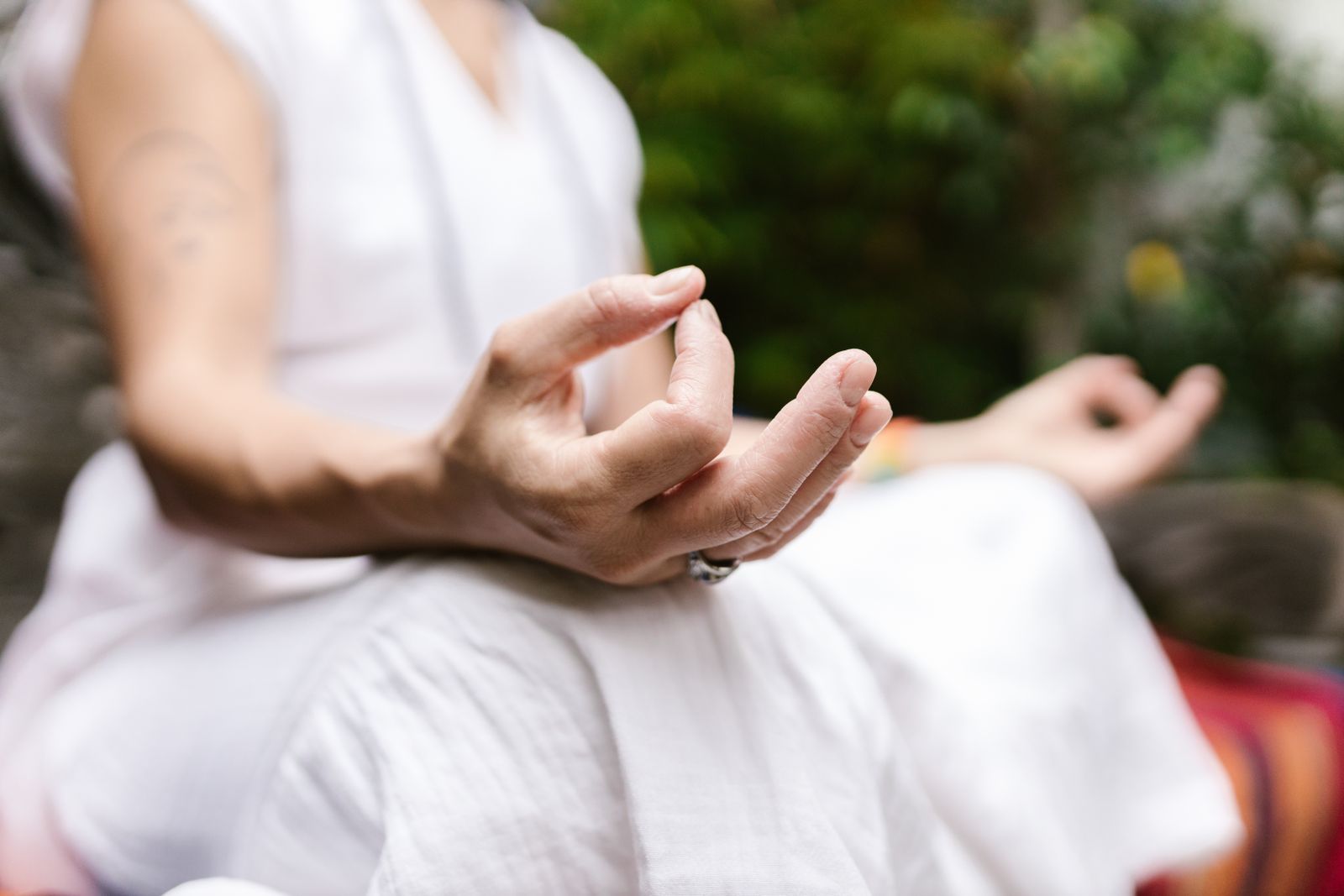
Surya mudra is a simple hand gesture where the ring finger is folded down to press against the base of the thumb while the other three fingers stay extended, and the thumb rests gently over the folded ring finger. In yogic tradition, this posture is believed to reduce the earth element (associated with the ring finger) and stimulate the fire element inside the body, which is why it is named after Surya, the Sun. Practitioners use it to support metabolism, manage weight, ease cold-related discomfort, and bring a sense of internal warmth and alertness during meditation or pranayama sessions.
What Exactly Is Surya Mudra?
Surya mudra belongs to the hasta mudra family, the hand gestures used across yoga, pranayama, and meditation to direct subtle energy through the body. In Sanskrit, “surya” means sun and “mudra” means seal or gesture, so the name translates loosely to “sun seal” or “gesture of the sun.” According to classical mudra theory, each finger corresponds to one of the five elements: thumb to fire, index to air, middle to space, ring to earth, and little finger to water. Folding the ring finger down is thought to suppress the earth element and amplify agni, the internal fire, which is why this gesture is closely linked with digestion, metabolism, and body heat. It pairs naturally with topics like yoga mudra practice as a whole and sits alongside its opposite number, chandra mudra, the cooling “moon gesture.”
How Do You Perform Surya Mudra Correctly?
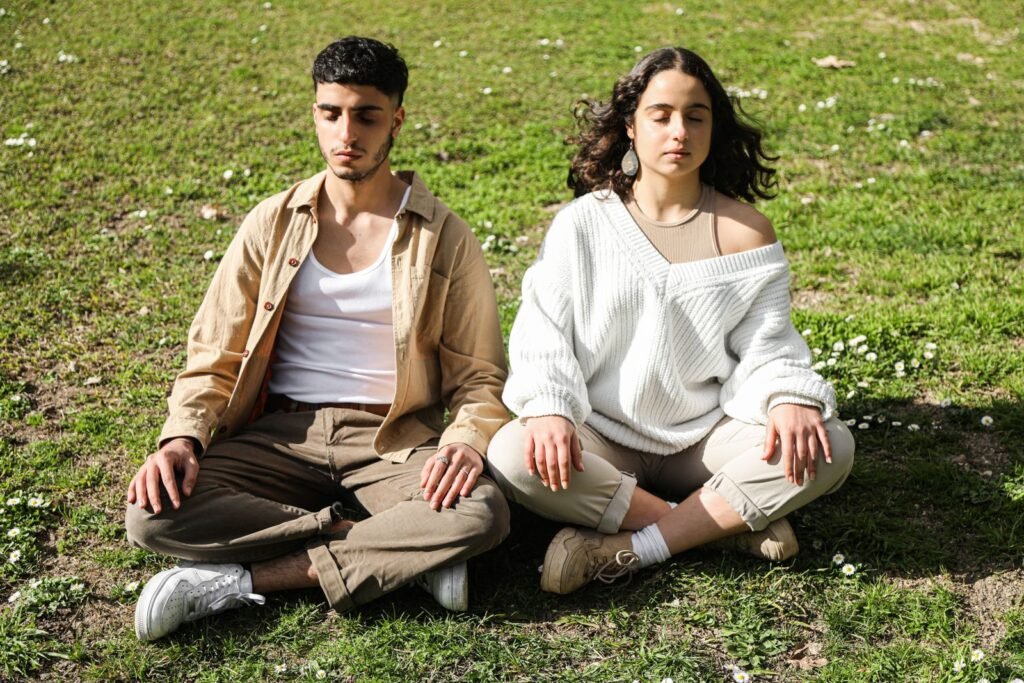
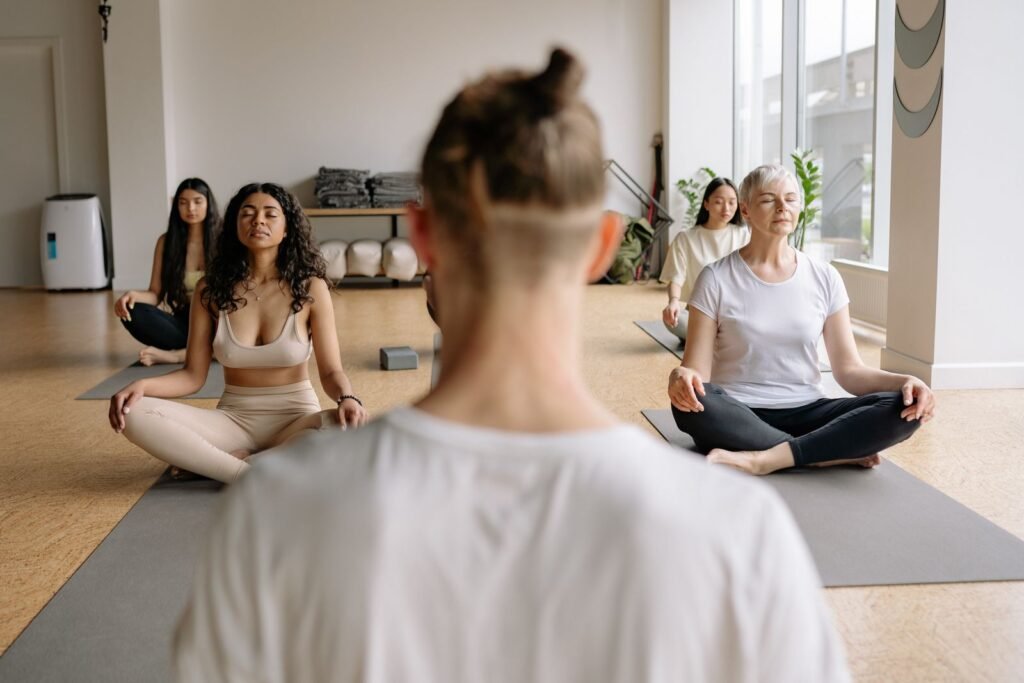
Sit in a comfortable cross-legged position such as sukhasana or on a chair with the spine upright. Rest your hands on your knees, palms facing upward. Bend the ring finger of each hand until its tip touches the base of the thumb. Gently bring the thumb down to press on the folded ring finger, letting the index, middle, and little fingers stay relaxed and extended. Close your eyes, breathe slowly through the nose, and hold the position while keeping the rest of the body still. This is typically practiced during seated meditation or as part of a broader pranayama for beginners routine, since the stillness of the hands supports a steadier breath.
How Long Should You Hold Surya Mudra?
Traditional guidance suggests practicing surya mudra for around 30 to 45 minutes a day, which can be split into two or three shorter sessions of 10 to 15 minutes rather than one long sitting, especially for beginners. Consistency across weeks matters more than the length of any single session. Many teachers recommend practicing in the morning, ideally combined with a few minutes of anulom vilom pranayama or simple seated breathing, so the nervous system settles before the mind is asked to focus on a subtle hand position for an extended period.
What Are the Claimed Benefits of Surya Mudra?
Because surya mudra is described as increasing the body’s internal fire element, it is commonly associated with the following effects in yogic and Ayurvedic texts, though these claims come from traditional practice rather than controlled clinical research:
- Metabolic support: The gesture is said to stimulate agni, the digestive fire, which practitioners connect to better appetite regulation and digestion.
- Weight management: Because of its link to metabolism, surya mudra is widely cited in Ayurvedic and mudra literature as a complementary practice for people working on weight goals alongside diet and movement.
- Thyroid support: Some traditional sources describe surya mudra as balancing for an underactive thyroid, again framed as a complementary practice rather than a treatment.
- Warmth and circulation: Practitioners report a subjective feeling of warmth, which is why the gesture is generally avoided in hot weather or by people who run warm.
- Mental alertness: The gesture is often used before study or focused work because it is associated with heightened attention, similar to how gyan mudra is used for calm concentration.
None of these benefits have strong modern clinical trial backing, so they are best understood as traditional, experience-based claims rather than medically verified outcomes. If you have a diagnosed thyroid or metabolic condition, treat surya mudra as a complementary wellness habit, not a substitute for medical care.
Why Is the Ring Finger Suppressed in This Gesture?
In the five-element model used across mudra and Ayurvedic theory, the ring finger governs the prithvi or earth element, which is associated with stability, groundedness, and, when in excess, sluggishness or heaviness in the body. By folding the ring finger and pressing it with the thumb, which governs the agni or fire element, practitioners aim to reduce excess earth quality and increase fire quality. This is the same logic that underlies vayu mudra, where the index finger, representing air, is suppressed instead to calm excess movement in the body such as bloating or tremors. Understanding this finger-to-element mapping makes it much easier to remember why different mudras and benefits pair certain fingers with certain outcomes.

When Is the Best Time of Day to Practice Surya Mudra?
Most teachers recommend practicing surya mudra in the early morning, ideally at sunrise, since this is considered the most auspicious time to work with solar energy in yogic tradition. Morning practice on an empty stomach, or at least two hours after a meal, is generally advised so digestion is not competing with the meditative focus of the session. Because the gesture is warming, it is best avoided late at night, right before sleep, or during the hottest part of the day in summer, when it can leave you feeling overheated or restless. Pairing it with a short morning yoga routine is a simple way to build the habit without adding a separate block of time to your day.
Who Should Avoid or Limit Surya Mudra?
Surya mudra is generally considered safe for healthy adults, but a few groups should be cautious. People who are already underweight or have lost significant weight recently are often advised to limit sessions to around 15 minutes, since the gesture’s traditional association with increased metabolism could accelerate further weight loss. Anyone with a fever, acidity, ulcers, or a condition that already produces excess body heat is typically advised to skip the practice until symptoms resolve. Pregnant women and people with hyperthyroidism should check with a qualified practitioner or physician before adding it to a routine, given the gesture’s traditional link to increased metabolic activity. As with any complementary practice, if you have an existing medical condition, discuss it with your doctor before relying on surya mudra for symptom management.
How Does Surya Mudra Compare to Other Common Mudras?
Surya mudra is one of several hasta mudras built around the same finger-and-element logic, and understanding how they relate helps you choose the right one for a given goal:
- Surya mudra vs. chandra mudra: Surya increases fire and heat; chandra mudra, formed by folding the thumb into the palm, is used for cooling and calming when someone feels overheated, anxious, or overstimulated.
- Surya mudra vs. gyan mudra: Gyan mudra, joining the thumb and index finger, is associated with concentration and calm awareness rather than metabolic stimulation.
- Surya mudra vs. vayu mudra: Vayu mudra folds the index finger to reduce excess air element, commonly used for bloating, gas, or nervous tremors, while surya mudra targets earth and fire.
- Surya mudra vs. prithvi mudra: Prithvi mudra, joining the ring finger and thumb without folding, is used to increase the earth element for grounding, essentially the opposite intent of surya mudra.
Seeing these side by side makes it clear that mudra practice is less about memorizing individual poses and more about understanding the underlying element system, which is covered in more depth in a general yoga mudra overview.
Can Surya Mudra Be Combined With Breathing Exercises?
Yes, and most traditional guidance actually recommends it. Holding surya mudra while practicing slow diaphragmatic breathing, anulom vilom pranayama, or even a short bhramari pranayama session is a common way to deepen the practice. The hand gesture gives the mind a subtle physical anchor, similar to how a mantra or breath count works, while the pranayama technique itself does the heavier lifting for nervous system regulation. If you are new to breathwork, it is worth learning the fundamentals of pranayama for beginners before layering mudras on top, so you are not trying to master two new skills at once.
Does Surya Mudra Have a Role in Yoga Asana Practice?
Surya mudra is primarily a seated, meditative gesture rather than something held during dynamic movement, but it does share thematic ground with sun-oriented practices like surya namaskar, or sun salutations, which are also built around invoking solar energy and warming the body. A practical way to sequence a home session is to complete a round or two of surya namaskar to build heat through movement, then transition into a seated posture to hold surya mudra during a cool-down and breathing segment. This combination reflects a broader principle in types of yoga practice, where dynamic and stillness-based techniques are used together rather than treated as separate disciplines.
What Does Ayurveda Say About Surya Mudra?
Ayurveda and mudra science share the same five-element framework, so surya mudra is often discussed in Ayurvedic wellness contexts as a tool to balance a sluggish or “kapha-dominant” constitution, kapha being the earth-and-water dosha associated with heaviness and slow metabolism. Traditional texts suggest that increasing agni, the digestive fire, supports better nutrient absorption and elimination, which is why surya mudra frequently appears in discussions of digestive health alongside dietary recommendations. This is a good example of how mudra practice is rarely presented in isolation in classical texts; it usually sits inside a wider lifestyle approach that includes diet, sleep, and movement, much like how yoga for weight loss is most effective as one part of a broader routine rather than a standalone fix.
How Is Surya Mudra Used for Eye Health?
Alongside its metabolic associations, surya mudra is sometimes recommended in traditional practice for supporting eye strain and mild vision-related discomfort, based on the idea that improved fire element and circulation benefit the eyes. It is often mentioned in the same breath as simple eye exercises or palming techniques used in broader yoga for eyes routines. As with the metabolic claims, this should be treated as a traditional, complementary idea rather than a proven treatment for any diagnosed eye condition, and anyone with a vision problem should see an eye care professional first.
How Does Surya Mudra Fit Into a Daily Wellness Routine?
Because it requires no equipment, space, or special clothing, surya mudra is one of the easiest wellness habits to build into an already busy day. Many people hold it while commuting, waiting, or sitting through a meeting, since the ring finger fold is subtle enough not to draw attention. For a more structured approach, pair it with a consistent time and place, such as five minutes right after your morning shower or as the closing gesture in a short meditation for beginners session. Building it around an existing habit, a technique sometimes called habit stacking, tends to produce far better long-term consistency than trying to remember a brand-new standalone practice.
Questions People Ask About Surya Mudra
What is surya mudra used for?
Surya mudra is traditionally used to increase the body’s fire element and reduce the earth element, which practitioners associate with better metabolism, digestion, weight management, and relief from cold-related sluggishness. It is typically practiced during seated meditation or breathing exercises rather than during movement-based yoga.
How do you do surya mudra with your hands?
Fold the ring finger down so its tip touches the base of the thumb, then gently press the thumb over the folded finger while keeping the index, middle, and little fingers extended and relaxed. Do this with both hands while seated comfortably, then breathe slowly through the nose.
Can surya mudra help with weight loss?
Traditional yogic and Ayurvedic sources describe surya mudra as supportive of metabolism and, by extension, weight management, but this is based on experiential and traditional claims rather than controlled clinical studies. It is best used as a complementary habit alongside diet, movement, and sleep rather than a standalone weight-loss method.
How many minutes should I practice surya mudra?
A common recommendation is 30 to 45 minutes total per day, which can be broken into two or three sessions of 10 to 15 minutes for easier practice. Beginners often start with just 10 minutes and build up gradually as holding the gesture becomes more comfortable.
Is surya mudra safe for everyone?
It is generally safe for healthy adults, but people who are underweight, feverish, prone to acidity, or diagnosed with hyperthyroidism are usually advised to limit or avoid it. Pregnant women and anyone with an existing medical condition should check with a healthcare provider before adding it to a routine.
What is the difference between surya mudra and chandra mudra?
Surya mudra folds the ring finger to increase fire energy and warmth, while chandra mudra folds the thumb into the palm to increase cooling, calming lunar energy. They are often taught as a complementary pair, with surya used for energy and metabolism and chandra used for relaxation and reducing excess heat.
Try This for Yourself
Reading about surya mudra is a useful start, but the real benefits show up with consistent, guided practice alongside proper breathing and posture. If you would like structured support building this into a full wellness routine, explore FitStrot’s online yoga classes, where certified instructors can guide you through mudras, pranayama, and asana practice tailored to your goals.
Related reading: yoga mudra, mudras and benefits, vayu mudra, chandra mudra, and online yoga classes.