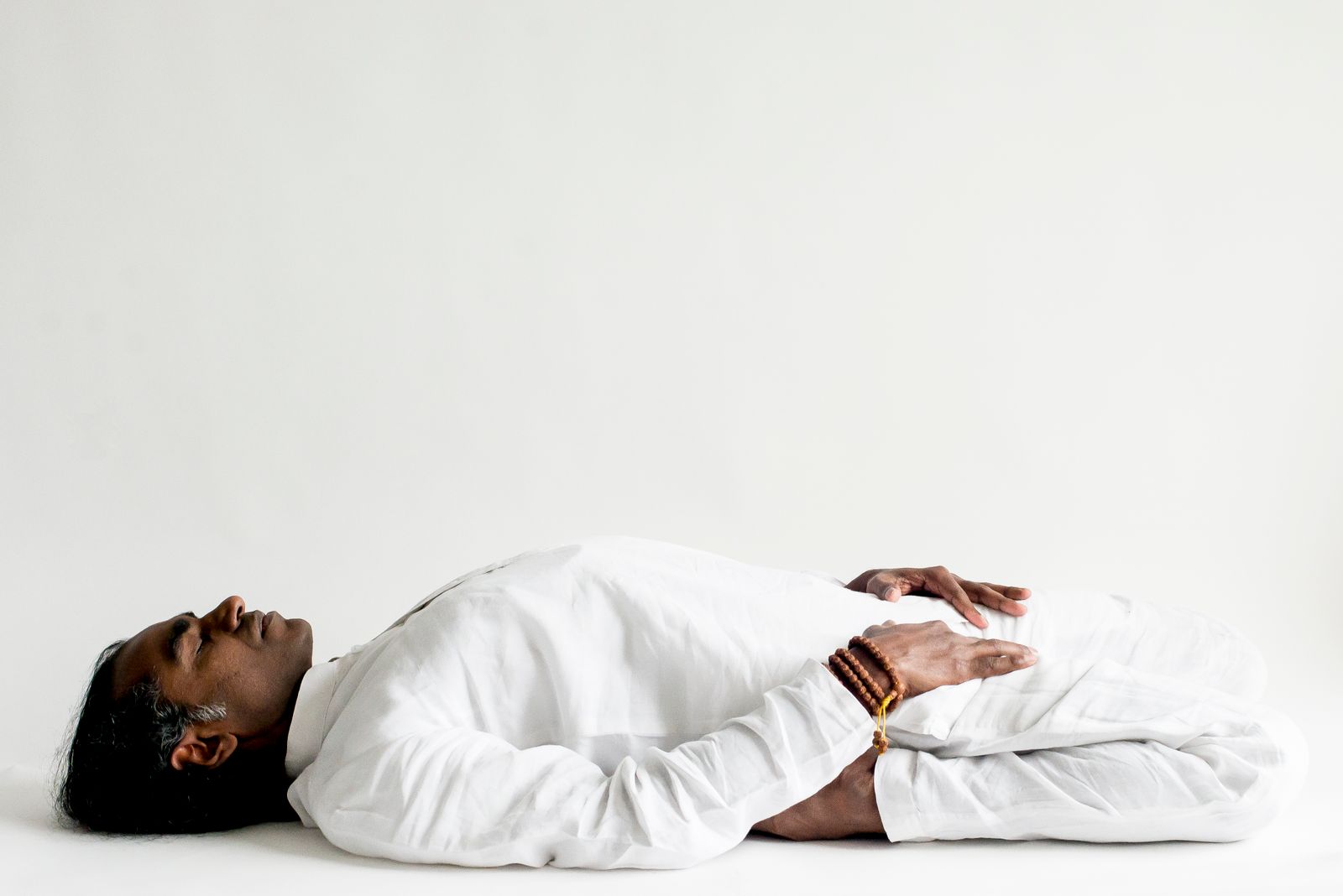
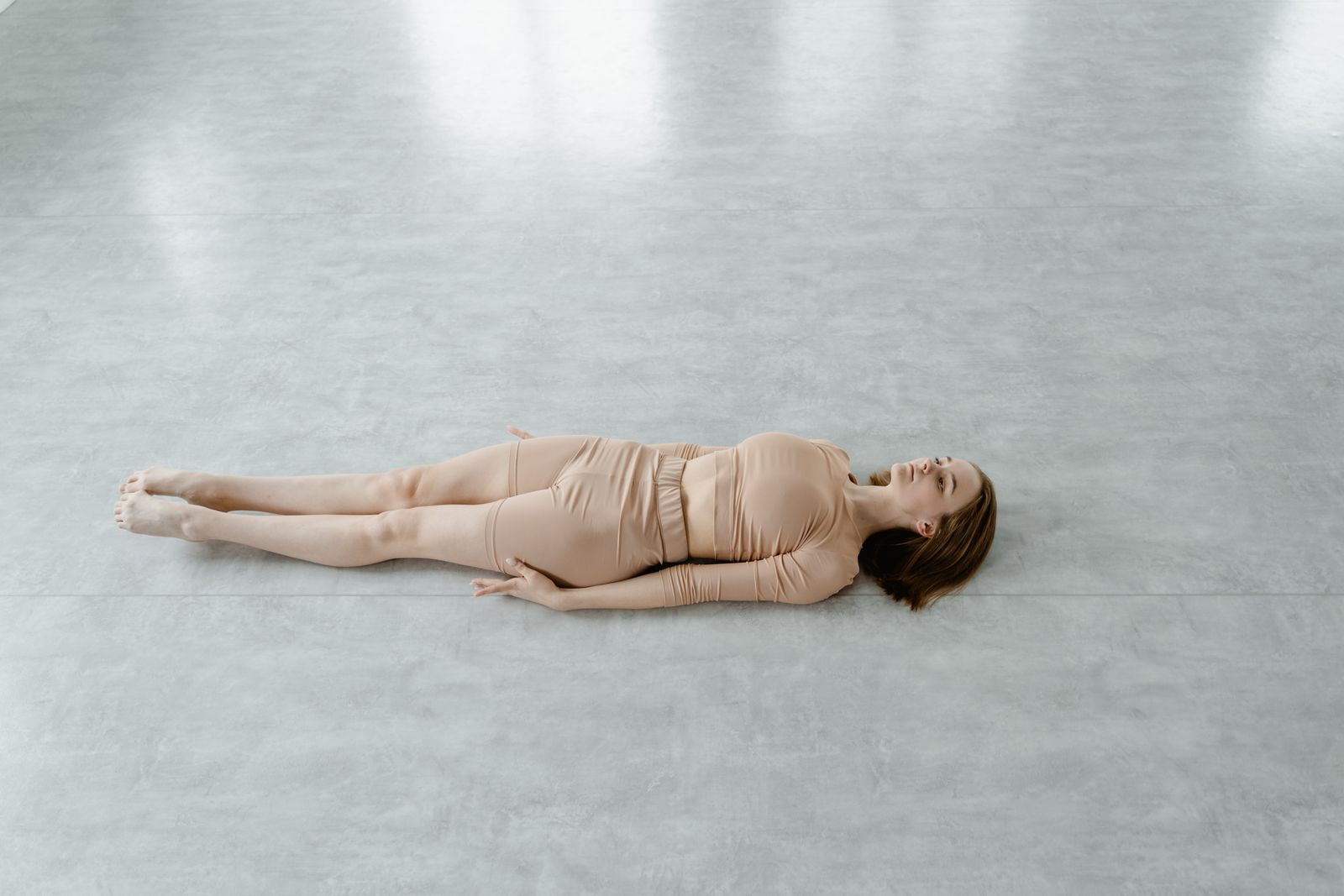
Shavasana, also spelled savasana and known in English as corpse pose, is the final resting posture in most yoga classes: you lie flat on your back, arms relaxed by your sides with palms facing up, legs slightly apart, and eyes closed, staying completely still for 5 to 15 minutes while your breath slows and your nervous system shifts out of effort mode. Despite looking like doing nothing, it is considered by many teachers to be the most difficult pose to master because it asks the mind to stay alert while the body lets go entirely. It is typically practiced at the end of a sequence, after poses like surya namaskar or tadasana, so the body can absorb the physical work that came before it.
What Does the Word Shavasana Actually Mean?
Shavasana comes from two Sanskrit words: “shava,” meaning corpse, and “asana,” meaning pose or seat. Put together, it translates literally to “corpse pose.” The name is intentionally stark. Lying as still and as surrendered as a body with no life left in it is meant to strip away every trace of effort, performance, or tension that might have crept in during the rest of a yoga class. Some teachers also use the spelling savasana, which reflects a slightly different but equally accepted transliteration of the same Devanagari word. Both spellings refer to the identical pose, and you’ll see them used interchangeably across yoga studios, apps, and teacher trainings.
How Do You Practice Shavasana Correctly?
Setting the pose up correctly makes it far easier for the body to actually let go. Follow these steps:
- Lie flat on your back on a yoga mat or a firm, comfortable surface.
- Let your legs fall open naturally, feet rolling slightly outward.
- Rest your arms a few inches from your torso, palms facing the ceiling.
- Close your eyes and let your jaw, tongue, and the muscles around your eyes soften.
- Scan the body from the toes upward, consciously releasing tension in each area rather than simply lying down and waiting.
- Leave the breath alone rather than controlling it: observe its natural rhythm instead of deepening or slowing it deliberately, a subtle but important distinction from breathing exercises like pranayama.
How Long Should You Hold Shavasana?
Most yoga classes hold shavasana for 5 to 10 minutes at the close of a practice, though restorative and yin-style classes sometimes extend it to 15 or 20 minutes as the centerpiece of the session rather than an afterthought. A useful guideline is one minute of shavasana for every ten minutes of active practice, so a 60-minute vinyasa class might end with roughly 5 to 6 minutes of rest. There is no strict rule, and shorter is still valuable: even 3 minutes of genuine stillness gives the nervous system a meaningfully different experience than skipping the pose altogether, which is why teachers rarely let students leave the room without it.
What Are the Benefits of Shavasana?
Shavasana benefits are primarily related to nervous system regulation rather than muscular strength or flexibility, which sets it apart from almost every other posture in a yoga sequence. Lying motionless with slow, unforced breathing is associated with a shift from sympathetic (“fight or flight”) to parasympathetic (“rest and digest”) nervous system activity, the same shift targeted by clinical relaxation training. Practitioners commonly report lower perceived stress, reduced muscle tension, and an easier time falling asleep on nights they practice it. Because the pose asks for no physical exertion, it is also one of the few postures accessible to almost everyone, including people recovering from injury, pregnant practitioners, and complete beginners who have never set foot on a mat.
Does Shavasana Help With Sleep and Anxiety?
Many people use shavasana or a shortened version of it as a bedtime wind-down routine, and the structure of the pose overlaps closely with techniques used in sleep hygiene coaching: a still body, a dark quiet space, and unforced breathing. While shavasana itself is not a substitute for treatment of a diagnosed anxiety disorder, the body scan and conscious muscle release built into the pose are similar in principle to progressive muscle relaxation, a technique commonly recommended by therapists for reducing physical anxiety symptoms. If racing thoughts make stillness difficult at first, that is a normal part of learning the pose rather than a sign you are doing it wrong, and it tends to ease with repeated practice over several weeks.
What Are Common Shavasana Mistakes?
The most common mistake is treating shavasana as a time to plan the rest of the day rather than a time to actually rest, which defeats the physiological purpose of the pose. Other frequent errors include:
- Holding tension in the shoulders or forehead without realizing it
- Falling into a light sleep and missing the transition back to alertness
- Rushing out of the pose the moment the teacher says the class is ending
A gentler approach is to come out slowly: wiggle the fingers and toes, take a few deeper breaths, roll to one side in a gentle fetal position, and pause there before pressing up to sit. Skipping this transition can leave you feeling groggy or disoriented rather than refreshed, especially after a longer hold.
What Are the Shavasana Variations for Different Needs?
Several variations exist for bodies that find the classic flat position uncomfortable. Placing a bolster or rolled blanket under the knees relieves pressure on the lower back, which is especially helpful for people with lumbar discomfort. A folded blanket under the head supports the neck if lying completely flat feels strained. Pregnant practitioners, particularly in the second and third trimesters, are often guided into a side-lying variation with a pillow between the knees, since lying flat on the back for extended periods is generally discouraged later in pregnancy. Weighted blankets and eye pillows are popular props in restorative classes, adding gentle sensory pressure that many people find deepens the sense of settling into the floor.
Is Shavasana the Same as Meditation?
Shavasana and seated meditation share a goal of quieting the mind, but they are not identical practices. Meditation is most often practiced sitting upright with the spine active and alert, which trains sustained, focused attention. Shavasana, by contrast, removes even the effort of holding a seated position, making it more accessible for people who find sitting still physically uncomfortable. Some teachers describe shavasana as a bridge between active yoga postures and formal meditation, since it trains the same skill of observing the mind without controlling it, just with the body fully supported by the floor rather than by the practitioner’s own muscular effort.
Who Should Be Cautious With Shavasana?
Shavasana is considered one of the safest yoga poses for most populations, but a few situations call for adjustments. People with lower back pain may find lying completely flat aggravates discomfort, in which case bending the knees with feet flat on the floor, or placing a bolster under the knees, usually helps. Those with acid reflux or late-stage pregnancy are often advised to avoid lying flat on the back for long periods and to use a side-lying version instead. People prone to panic or significant anxiety around stillness sometimes find the pose activating rather than calming at first, and may benefit from starting with shorter holds of a minute or two before working up to a full-length practice. As with any new posture, checking with a healthcare provider is sensible if you have a specific medical condition.
How Does Shavasana Fit Into a Full Yoga Practice?
In a traditional class structure, shavasana always comes last, after standing poses, seated postures, and any backbends or twists have been completed. The logic is physiological: the preceding poses stimulate the body, and shavasana gives the nervous system time to integrate that stimulation before you return to daily activity. Skipping straight from an active sequence like vinyasa yoga to standing up and leaving the room bypasses this integration phase entirely. Teachers of styles ranging from hatha yoga to restorative yoga treat the closing rest as a non-negotiable part of the sequence rather than an optional add-on, and many students report that classes which cut it short feel noticeably less complete.
Can Beginners Do Shavasana on Day One?
Yes, and it is often one of the first postures new students are taught, precisely because it requires no strength, flexibility, or prior experience with yoga poses. Beginners sometimes find the stillness harder than expected, since modern life offers few structured opportunities to lie quietly with no phone, no task, and no distraction. It is common to feel restless or even slightly bored during an early attempt, and this is a normal adjustment period rather than evidence that the pose isn’t working. Starting with just 3 to 5 minutes and gradually extending the hold as the practice becomes more familiar is a reasonable way to build comfort with sustained stillness.
What Props Make Shavasana More Comfortable?
A folded blanket for warmth is one of the simplest additions, since body temperature drops slightly during extended stillness. A bolster or rolled towel under the knees reduces the pull on the lower back, and a small cushion under the head keeps the neck in a neutral position for people with tighter shoulders or a forward head posture. An eye pillow, often lightly weighted and scented with lavender, is popular in restorative and yin classes for blocking light and adding gentle pressure that some practitioners find calming. None of these props are required to practice shavasana correctly; they simply remove small physical distractions so attention can settle more easily.
How Does Shavasana Compare to Other Grounding Poses?
Shavasana is sometimes grouped with other grounding postures such as balasana (child’s pose) and reclined twists, since all three encourage the body to release effort and settle toward the floor. The key difference is that shavasana asks for total stillness with no active stretch, while child’s pose and reclined twists still involve a mild physical shape being held. Compared with balance-oriented postures like vrksasana (tree pose), which demand focused muscular engagement, shavasana sits at the opposite end of the effort spectrum. Practicing both types across a single session, active balance work and passive rest, is part of why a well-sequenced yoga class can leave students feeling both energized and calm.
Questions People Ask About Shavasana
Is it normal to fall asleep during shavasana?
Yes, falling asleep occasionally is common, especially for people who are sleep-deprived or new to the practice, since the pose triggers genuine physical relaxation. Teachers generally view it as a sign the body needed the rest rather than a failure of technique. That said, staying in a light, aware state rather than full sleep allows you to experience the mental benefits of conscious stillness, so gently working toward wakeful relaxation over time is a reasonable long-term goal.
Can I do shavasana without doing a full yoga class first?
Yes, shavasana can be practiced entirely on its own as a standalone relaxation technique, and many people use it specifically for this purpose during stressful periods or before bed. You won’t get the same physical benefits of the preceding postures, but the nervous-system settling effect of the pose itself is still available whether or not you’ve done any other yoga beforehand.
Why is shavasana considered the hardest yoga pose?
Many experienced practitioners and teachers describe shavasana as the hardest pose specifically because it requires no physical effort at all, which paradoxically makes it harder for a busy mind to settle into than an active posture that gives the brain something to focus on. Staying mentally present without a physical task to anchor attention is a skill that develops with repeated practice, not something most people arrive with naturally.
What is the difference between shavasana and savasana?
There is no difference between shavasana and savasana; they are two accepted English spellings of the same Sanskrit word and refer to the identical corpse pose. The variation comes from how the original Devanagari script is transliterated into the Roman alphabet, and you will see both spellings used across different yoga schools, apps, and teacher trainings without any change in meaning.
Should shavasana be done at the beginning or end of a yoga class?
Shavasana is traditionally practiced at the very end of a yoga class, after all active postures are complete, so the body has time to integrate the physical work that came before it. Some teachers also offer a brief version at the start of class to help students transition from daily life into practice, but the primary and longer hold almost always comes at the close of the session.
Try This for Yourself
Reading about shavasana is useful, but the pose only delivers its calming effect through direct practice, guided by cues on breath, posture, and timing that are easier to absorb in a live class than from a page. If you want structured guidance on shavasana and the full sequence of poses that lead into it, FitStrot’s online yoga classes pair certified instructors with a schedule that fits around your day, whether you are brand new to yoga or refining an existing practice.
Related reading: surya namaskar, tadasana, vrksasana, benefits of yoga, and FitStrot’s online yoga classes.