Nutritional anemia rarely has a single cause, which is why fixing it with diet alone doesn’t always work. It develops through four pathways: not eating enough of the right nutrients, needing more than usual (pregnancy, rapid growth), not absorbing what you eat because of a gut condition, or losing nutrients faster than you can replace them through bleeding. Knowing which pathway applies to you changes how you treat it — a supplement won’t fix a bleeding ulcer, and a bigger steak won’t fix celiac disease.
This article walks through each of the four causes so you can start narrowing down which one might explain your situation. For a broader overview of nutritional anemia and how it’s diagnosed, see our guide on nutritional anemia, and if diet turns out to be your main lever, food-based strategies can address a large part of the picture.
What actually causes nutritional anemia?
Nutritional anemia happens when your body lacks the raw materials — mainly iron, vitamin B12, or folate — to make healthy red blood cells. Those materials can run short for four reasons, and many real-world cases involve more than one at once:
- Inadequate dietary intake — not eating enough iron, B12, or folate-rich foods
- Increased physiological needs — pregnancy, infancy, adolescence, or heavy training raise requirements above what a normal diet provides
- Malabsorption — a digestive condition blocks nutrient absorption even when intake is adequate
- Chronic blood loss — iron is lost faster than diet can replace it, most often through the gut or menstruation
According to the National Heart, Lung, and Blood Institute (NHLBI), iron-deficiency anemia — the most common nutritional anemia worldwide — can result from any combination of not eating enough iron, not absorbing enough of it, or losing it through bleeding. The rest of this article breaks down each pathway.
Can you get nutritional anemia just from not eating enough?
Yes, and globally this is the leading cause. If your diet is consistently low in iron, vitamin B12, or folate, your body eventually depletes its stores and red blood cell production falls behind. This shows up most often in a few groups:
- People eating primarily plant-based diets — plant (non-heme) iron absorbs less efficiently than the heme iron in meat, fish, and poultry, and B12 occurs naturally only in animal foods, so vegans and strict vegetarians need to plan intake carefully
- People with limited food access or highly restrictive eating patterns — very low-calorie diets, disordered eating, or diets built around heavily processed foods
- Older adults — reduced appetite, dental problems, or living alone can quietly shrink intake over time
- Infants and toddlers — after 6 months, breast milk alone no longer supplies enough iron, so delayed introduction of iron-rich solids is a recognized risk factor
The fix here is usually the most straightforward of the four: eating more of the right foods, sometimes with a supplement to rebuild stores faster. Our guide to vitamin nutrition is a useful starting point for which foods deliver the most iron, B12, and folate. But it’s worth ruling out the other three causes first — pure dietary anemia in someone eating a varied diet is less common than assumed, and an unexplained deficiency deserves a doctor’s input before you settle on “I just need more iron.”
Why do pregnancy and growth spikes cause anemia even with a decent diet?
Sometimes intake isn’t the problem — requirements simply outpace what a normal diet was designed to provide. This is the “increased needs” pathway, and it explains why even people eating well can become anemic at certain life stages.
Pregnancy
During pregnancy, blood volume expands by roughly 30-50%, and the growing fetus and placenta both draw on the mother’s iron stores. Iron requirements roughly double compared to before conception, which is why prenatal care routinely includes anemia screening and, often, iron supplementation regardless of diet quality.
Infancy and adolescence
Rapid growth phases — infancy, the toddler years, and the adolescent growth spurt — all increase demand for iron to support expanding blood volume and tissue growth. Menstruating teenage girls face a double burden of growth-related demand plus monthly blood loss, which is part of why teens and young women have some of the highest iron-deficiency rates of any group.
Breastfeeding and intensive exercise
Breastfeeding increases nutrient turnover, and intense endurance training can modestly raise iron losses through sweat, gut microbleeding, and a normal process called footstrike hemolysis. Neither is dramatic alone, but layered onto marginal intake, either can tip someone into deficiency.
For these life stages, generic intake targets often aren’t enough — personalized targets from a clinician matter more than general advice. Our article on women’s nutrition goes deeper into iron needs across a woman’s reproductive life.
How does malabsorption cause anemia even when you eat well?
This pathway trips people up most, because the symptoms and bloodwork can look identical to dietary deficiency — but eating more of the nutrient won’t help if your gut can’t absorb it. Several conditions interfere with absorption:
Celiac disease
Celiac disease damages the villi lining the small intestine, the structures responsible for absorbing iron and other nutrients. NCBI-published research notes iron-deficiency anemia is the most frequent extra-intestinal sign of celiac disease, showing up in an estimated 12-82% of patients at diagnosis. For some people, unexplained anemia is the first clue that leads to a celiac diagnosis.
Gastric surgery and reduced stomach acid
Stomach acid converts dietary iron into an absorbable form, and the stomach also produces intrinsic factor, a protein essential for B12 absorption. Bariatric surgery, partial or full gastrectomy, and long-term acid-reducing medications can all reduce absorption of both nutrients, even in people eating iron- and B12-rich diets.
H. pylori infection
Helicobacter pylori, a common stomach bacterium, causes chronic gastritis that can impair iron absorption. Research summarized on NCBI links it to otherwise unexplained iron-deficiency anemia — sometimes through low-grade bleeding, sometimes through disrupted acid production alone.
Pernicious anemia
Pernicious anemia is an autoimmune condition where the immune system attacks the stomach cells that make intrinsic factor, or attacks intrinsic factor itself. Without it, B12 cannot be absorbed no matter how much is eaten. NCBI-published research notes it accounts for a substantial share of B12 deficiency cases and is more common past age 60, though it can occur at any age.
If malabsorption is the issue, diet and standard oral supplements often aren’t enough — treatment may need to address the underlying condition or use higher-dose or injectable supplementation. Our article on nutrition and digestion explains more about how gut health affects nutrient uptake.
Can blood loss cause anemia even if your diet is fine?
Yes — and this pathway is arguably the most likely to be missed, because it’s easy to assume anemia is a “diet problem” and never look for a bleeding source. When you lose blood, you lose the iron inside red blood cells with it, and if the loss is slow and chronic, your body often can’t keep pace even with a good diet.
Heavy menstrual bleeding
A typical menstrual cycle causes a modest, easily replaced iron loss, but heavy menstrual bleeding (menorrhagia) can push losses several times higher. In premenopausal women, menstrual blood loss combined with pregnancy-related demands is the most frequently cited explanation for the higher rates of iron-deficiency anemia in this group compared with men.
Gastrointestinal bleeding
In men and postmenopausal women, GI blood loss becomes a proportionally more common explanation, per clinical sources including StatPearls (NCBI). Common sources include peptic ulcers, long-term NSAID use (ibuprofen, aspirin), colon polyps or colorectal cancer, inflammatory bowel disease, and hemorrhoids.
GI bleeding is often slow enough to be invisible, which is why unexplained iron-deficiency anemia in a man or postmenopausal woman is treated as a warning sign that warrants investigation, not just a supplement. Treating the anemia without finding the bleeding source can mean missing something that needs its own treatment.
Frequent blood donation
Regular blood donors, particularly those who donate several times a year, can develop iron deficiency over time simply because donation removes iron faster than typical diets replace it.
How do you figure out which cause applies to you?
You can’t reliably self-diagnose which pathway is behind your anemia — that’s a job for bloodwork and a clinician. A few patterns can guide what to raise with a doctor:
- Genuinely limited diet (vegan, very restrictive, low overall intake): inadequate intake is a reasonable starting hypothesis
- Pregnant, breastfeeding, or a rapidly growing teenager: increased needs are likely part of the picture
- Digestive symptoms, a celiac diagnosis, gastric surgery history, or long-term acid-reducing medication: malabsorption deserves consideration
- Heavy periods, or unexplained anemia in a man or postmenopausal woman: blood loss, including GI sources, needs to be ruled out
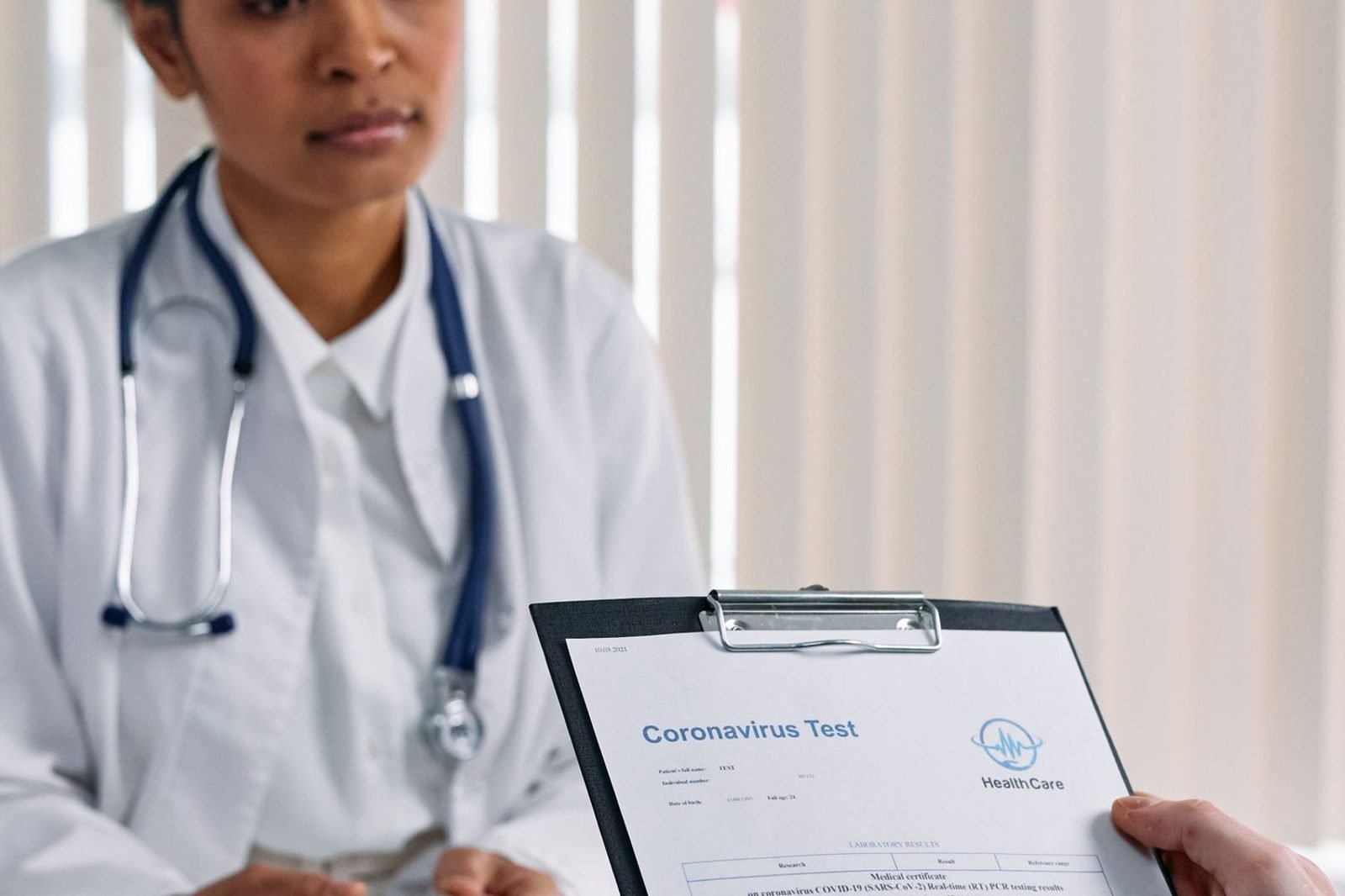
A standard workup typically includes a complete blood count, ferritin (iron stores), and sometimes B12 and folate levels, with further testing if the cause isn’t obvious. Because the right fix depends on the right cause, self-treating with over-the-counter iron pills isn’t a substitute for finding out why it’s happening. Once bloodwork points to your specific cause, our guide to nutritional management of anemia covers food-based strategies for the dietary piece of treatment.
FAQ: Common questions about the causes of nutritional anemia
Can you have nutritional anemia even if you eat a healthy, balanced diet?
Yes. Increased needs (pregnancy, growth spurts), malabsorption conditions like celiac disease or low stomach acid, and chronic blood loss from heavy periods or GI bleeding can all cause anemia regardless of diet quality. That’s why unexplained anemia warrants medical evaluation, not just dietary changes.
Is iron-deficiency anemia always caused by not eating enough iron?
No. While inadequate intake is the leading global cause, iron-deficiency anemia in individuals — especially men and postmenopausal women — is frequently caused by chronic blood loss or absorption problems rather than diet alone, per clinical sources including NCBI’s StatPearls.
Why would B12 deficiency happen if I eat meat and dairy regularly?
B12 deficiency in people who eat animal products is often caused by absorption problems, not intake. Pernicious anemia, reduced stomach acid, gastric surgery, and certain medications can all block B12 absorption regardless of how much you consume.
Should I just start taking iron supplements if I feel tired and think I’m anemic?
It’s best to get bloodwork first. Fatigue has many causes, self-dosing iron without a confirmed deficiency can mask a bleeding source, and excess iron carries its own risks. A doctor can confirm anemia and help identify its cause.
Can heavy periods alone cause iron-deficiency anemia?
Yes. Heavy menstrual bleeding (menorrhagia) can cause iron losses several times higher than a typical cycle, and it’s one of the most common causes of iron-deficiency anemia in premenopausal women. Persistent heavy bleeding is worth discussing with a doctor.
Does having one cause of nutritional anemia rule out the others?
No — causes frequently overlap. Someone with heavy periods and a low-iron diet may face both inadequate intake and blood loss at once, which is part of why proper diagnosis matters more than assuming a single explanation.
Understanding which pathway applies to you is the first real step toward fixing nutritional anemia, not just treating its symptoms. If you’re dealing with persistent fatigue, confirmed low iron or B12, or a diagnosis that doesn’t seem to match your diet, an online nutritionist consultation can help you build a plan around your specific cause — alongside, not instead of, any medical care you need.