Managing anemia through food comes down to three moving parts: eating enough iron, B12, and folate; timing what you eat and drink so your body actually absorbs those nutrients; and tracking your bloodwork over months, not days, to see if the plan is working. If you’ve already been told you have anemia — or your labs are borderline and your doctor wants you to try diet first — this is the practical playbook: what to eat together, what to keep apart, and how to know it’s working.
This is a management guide, not a diagnosis tool. Anemia has several underlying causes, and the right approach depends on which type you have and why. If you haven’t been formally diagnosed yet, our overview of nutritional anemia and our piece on what causes nutritional anemia are better starting points. This article assumes you already know (or strongly suspect) you’re dealing with it and want to know what to actually do about it, day to day, at the table.
What does “managing” anemia through diet actually involve?
Day-to-day management has four parts working together: hitting your target intake of iron, vitamin B12, and folate; structuring meals so absorption-boosting and absorption-blocking foods aren’t sitting in your stomach at the same time; spacing out any supplements your doctor has prescribed from your coffee, tea, or calcium-rich foods; and rechecking labs periodically so you and your doctor can see whether the plan is moving your numbers in the right direction.
None of this replaces medical treatment when it’s needed — some forms of anemia require supplementation, injections, or treatment of an underlying condition, and food alone won’t fix those. But for iron-deficiency, B12-deficiency, and folate-deficiency anemia, which together account for most nutritional anemia cases, diet is often the backbone of the plan your doctor builds around you.
How much iron, B12, and folate do you actually need each day?
The National Institutes of Health Office of Dietary Supplements sets the recommended dietary allowance (RDA) for iron at 18 mg per day for women aged 19–50, just 8 mg for men in the same age range, and 27 mg per day during pregnancy — more than triple the male requirement. If you eat little or no meat, poultry, or fish, NIH notes you likely need close to double the standard amount, because your body absorbs iron from plants far less efficiently than iron from animal sources.
For vitamin B12, adults need 2.4 micrograms (mcg) daily, rising to 2.6 mcg in pregnancy and 2.8 mcg while breastfeeding. Folate targets are typically expressed in micrograms of dietary folate equivalents, with pregnant women needing notably more to support fetal development — a topic we cover in depth in our guide to nutrition for pregnant women. These are baseline targets for healthy maintenance; if you’re actively correcting a deficiency, your doctor may recommend higher intakes or supplements for a defined period, then taper you back to maintenance levels once your labs normalize.
Which foods should anchor your meals?
Iron comes in two forms, and they behave very differently in your gut. Heme iron — found only in meat, poultry, and fish — is absorbed at roughly 15% to 35%. Non-heme iron, the kind in beans, lentils, spinach, and fortified cereals, is absorbed at a much lower rate, generally in the 2% to 20% range depending on what else is on your plate. That gap is exactly why pairing and timing matter so much for anyone managing anemia on a plant-heavy diet.
- Iron: lean red meat, poultry, and fish for heme iron; lentils, chickpeas, kidney beans, tofu, spinach, and iron-fortified cereals for non-heme iron
- Vitamin B12: clams, beef liver, fish, eggs, dairy, and fortified nutritional yeast — B12 occurs naturally only in animal foods, so vegans typically need fortified foods or a supplement
- Folate: beef liver, boiled spinach, black-eyed peas, asparagus, and fortified grains — beef liver alone can provide over 200 mcg per 3-ounce serving
- Protein: needed alongside these nutrients to support red blood cell production; see our breakdown of protein and nutrition for how much you actually need
A useful habit is to build each main meal around one iron-rich anchor food, then think about what you’re pairing it with and what you’re drinking alongside it — which is where absorption science comes in.
What actually boosts iron absorption at the table?
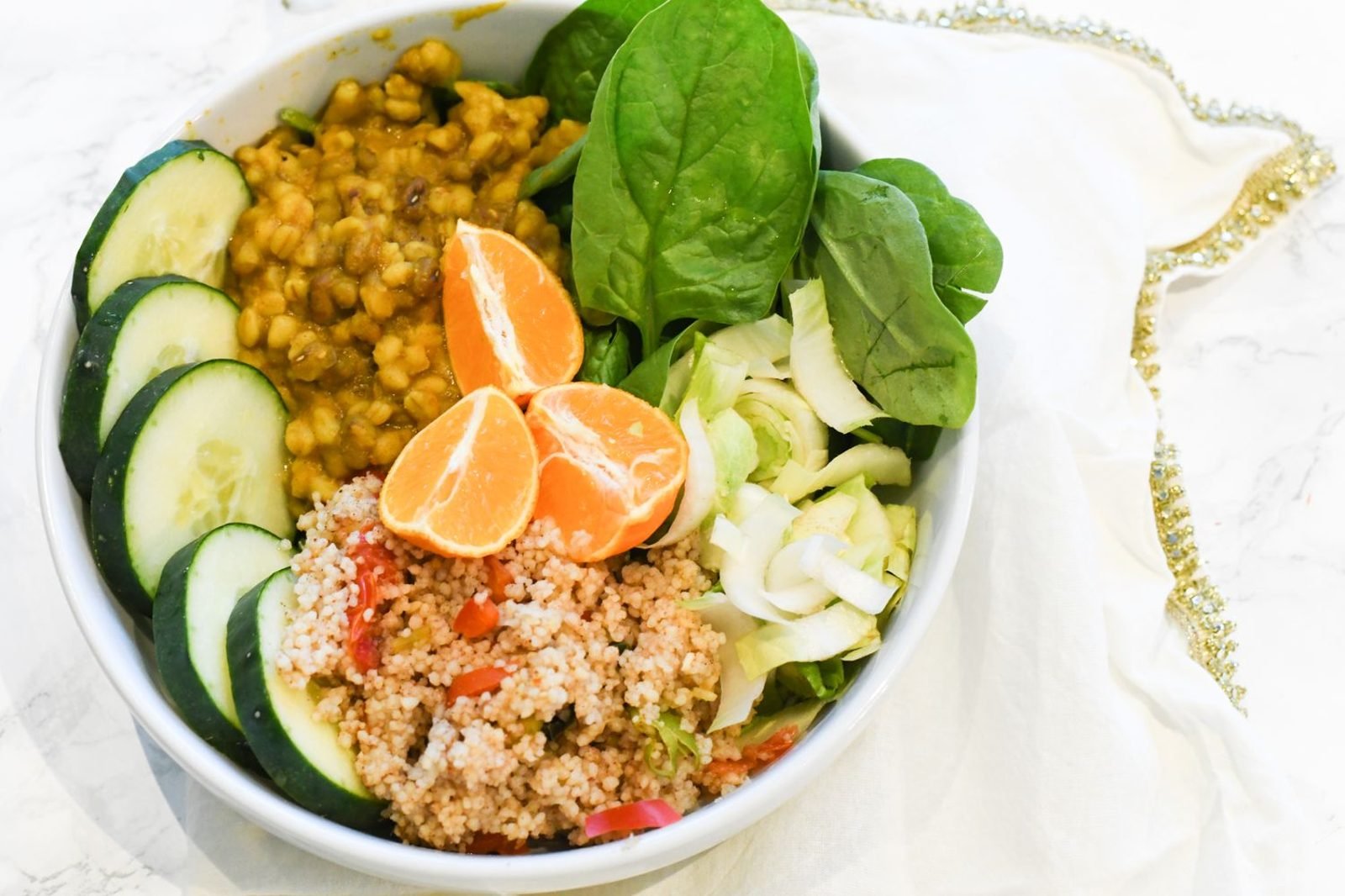
Vitamin C is the single most reliable enhancer of non-heme iron absorption. It works by converting iron into a more soluble, easier-to-absorb form, and it also helps counteract some of the natural inhibitors present in plant foods, like phytates in grains and legumes. Practically, that means squeezing lemon over lentils, adding bell peppers to a bean stir-fry, or finishing a spinach salad with orange segments.
- Citrus fruits (oranges, grapefruit, lemon juice)
- Bell peppers, broccoli, and Brussels sprouts
- Tomatoes and tomato-based sauces
- Strawberries, kiwi, and other vitamin C–rich fruit
There’s a second enhancer worth knowing: eating heme iron (meat, poultry, fish) alongside non-heme iron sources improves absorption of the plant-based iron too. So a chili with both kidney beans and ground turkey, or a stir-fry with tofu and chicken, does double duty compared to either ingredient eaten alone. For more on how different micronutrients interact, our guide to vitamin nutrition covers the broader picture beyond iron.
What blocks iron absorption, and when should you avoid it?
Tea and coffee are the two biggest everyday culprits. Their tannins and polyphenols bind to non-heme iron in your gut, and research summarized by nutrition researchers indicates tea alone can reduce iron absorption by a wide range — some studies put it as high as 60–90% when consumed with a meal, while coffee’s effect tends to be somewhat smaller but still meaningful. Calcium is another inhibitor: studies show calcium-rich foods or supplements taken with a meal can cut iron absorption by roughly 18–27%, according to Cleveland Clinic and NIH-referenced research.
The fix isn’t cutting these out entirely — it’s timing. A practical rule many dietitians recommend:
- Leave at least 1–2 hours between an iron-rich meal (or iron supplement) and your cup of tea or coffee
- Take calcium supplements or a glass of milk separately from iron-rich meals or iron supplements, ideally at a different time of day
- Watch for high-phytate foods (whole grains, bran) eaten alone with your main iron source — pairing them with vitamin C still helps offset the effect
- If you take an iron supplement, ask your doctor or pharmacist about the best time to take it relative to meals, coffee, and any calcium or antacid medications
This single scheduling habit — vitamin C at meals, tea and coffee away from meals — is arguably the highest-leverage change most people can make without altering what they eat at all.
What does a full day of anemia-conscious eating look like?
Structure matters more than any single “superfood.” Here’s one way to lay out a day so that iron, B12, and folate are distributed across meals, with vitamin C paired in at the right moments:
- Breakfast: Iron-fortified cereal or oats with strawberries, plus a glass of orange juice; coffee pushed to mid-morning instead of alongside the meal
- Lunch: Lentil salad with bell peppers, tomatoes, and a lemon vinaigrette, alongside a portion of grilled chicken or fish
- Afternoon snack: Hummus with kiwi or citrus segments on the side; tea, if you drink it, an hour or two later
- Dinner: Spinach and chickpea curry with a side of broccoli, or a bean chili with lean ground meat, finished with a squeeze of lime
- Anytime: A small handful of nuts and dried fruit as a snack, kept separate from milk or calcium-fortified drinks
Pregnant women and women with heavy menstrual periods have meaningfully higher iron needs, so portions and frequency may need to shift for those groups — our guide on women’s nutrition goes into more specifics on those adjustments.
How do you know if the plan is actually working?
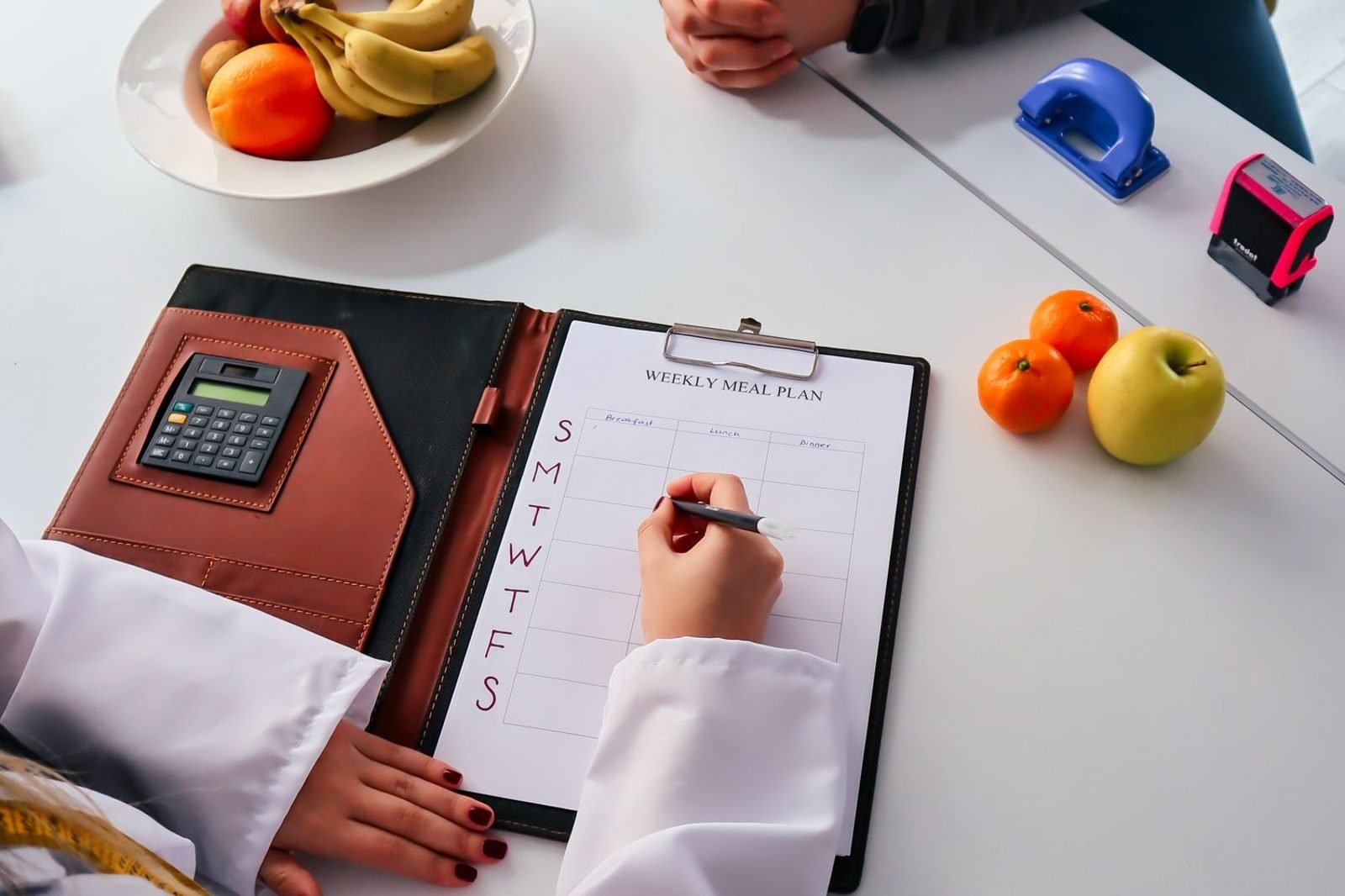
Dietary changes affect blood values slowly — hemoglobin and ferritin don’t shift meaningfully in days, and most doctors recommend rechecking labs somewhere between 6 and 12 weeks after starting a management plan, not sooner. Retesting too early is a common source of frustration; it often just means the body hasn’t had time to rebuild iron stores yet, not that the plan has failed.
What you can track in the meantime is symptomatic: energy levels, exercise tolerance, concentration, and whether you’re still getting short of breath on stairs or during light activity. Keeping a simple food log for a couple of weeks can also help you and your doctor spot gaps — for instance, realizing that most of your iron-rich meals happen to coincide with your afternoon coffee. Bring both the symptom trend and the food log to follow-up appointments; they give your doctor more to work with than lab numbers alone.
If fatigue, dizziness, or shortness of breath aren’t improving after a couple of months of consistent effort, or if they’re getting worse, that’s a signal to go back to your doctor sooner rather than waiting for the next scheduled check. Some causes of anemia — chronic blood loss, absorption disorders, chronic disease — need medical treatment that diet alone cannot provide.
Frequently asked questions
Can I take my iron supplement with orange juice?
Yes, and it’s actually recommended. Vitamin C from orange juice or another citrus source can improve absorption of the iron in your supplement. Just keep the supplement away from milk, calcium tablets, tea, and coffee, which can each reduce how much iron your body takes up.
How long does it take to correct anemia through diet alone?
It varies by cause and severity, but many doctors recheck labs at 6 to 12 weeks after starting dietary changes. Mild cases may improve faster; more significant deficiencies, or cases needing supplements alongside diet, can take longer. Your doctor is the best judge of your specific timeline.
Is it safe to drink tea or coffee if I have anemia?
Generally yes, in moderation — you likely don’t need to eliminate either. The key is separating them from your iron-rich meals and any iron supplements by roughly 1–2 hours, since their tannins and polyphenols can meaningfully reduce iron absorption when consumed together.
Do I need a supplement, or can food alone manage my anemia?
It depends on the type and severity of your anemia. Mild cases are sometimes managed with diet alone, but many people need a supplement for a period of time to rebuild stores faster than food can. This decision should be made with your doctor based on your bloodwork, not guessed at.
Are plant-based diets more likely to cause anemia?
Vegetarians and vegans need to be more deliberate, since non-heme iron and B12 require more planning to get in adequate amounts from plant sources. With attention to fortified foods, vitamin C pairing, and possibly a B12 supplement, plant-based eating can absolutely support healthy iron and B12 status.
Diet-based management works best as part of an ongoing conversation with a professional who can see your labs, your history, and your specific needs. If you want a structured, personalized eating plan built around your bloodwork and lifestyle, an online nutritionist consultation is a practical next step.