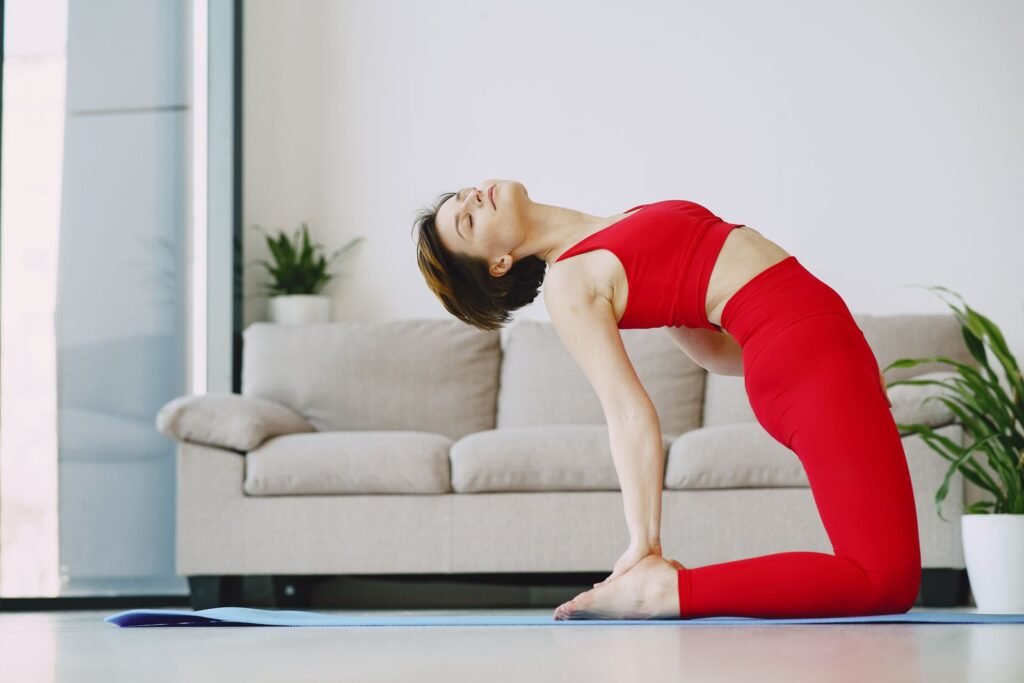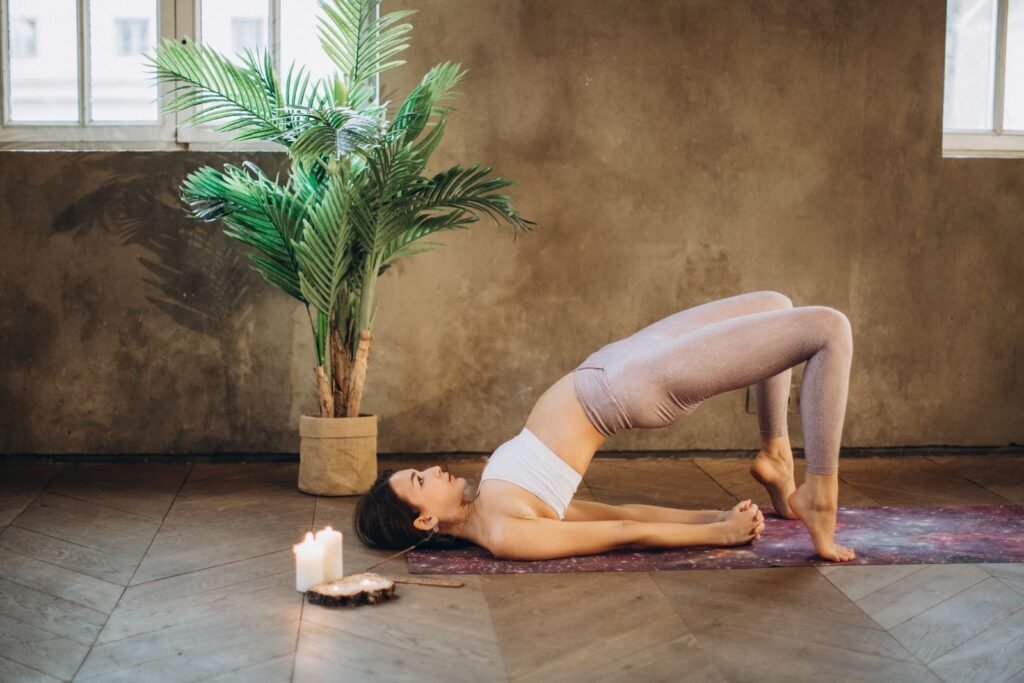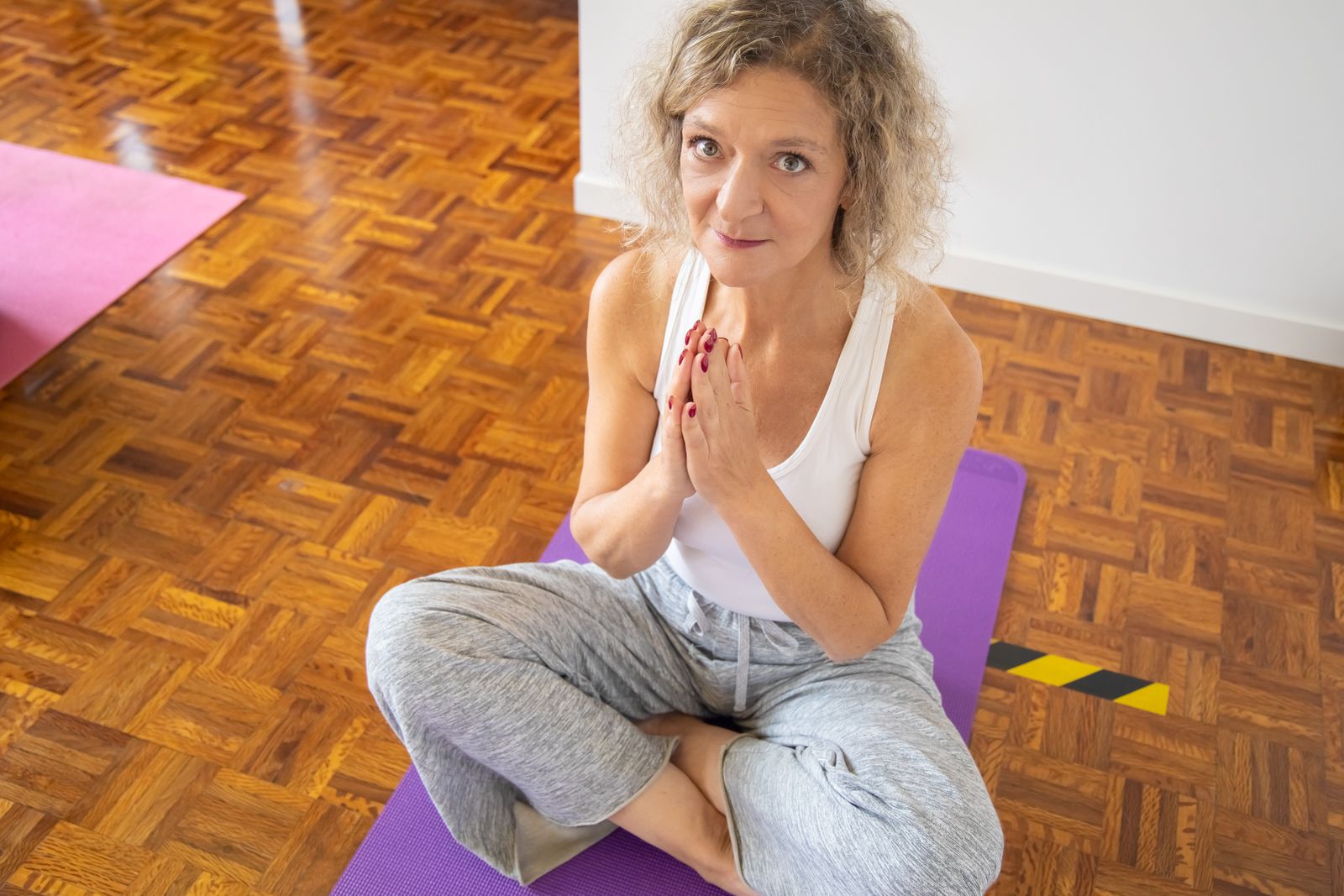
Yoga for breast cancer is a gentle, adaptable movement and breathing practice used alongside medical treatment to ease fatigue, anxiety, sleep disruption, and the physical stiffness that comes from surgery, chemotherapy, or radiation. Research on breast cancer patients and survivors consistently links supervised, modified yoga practice to improvements in quality of life, cancer-related fatigue, and psychological distress, though it is never a substitute for oncology care. The safest approach is a slow, restorative style with modifications for lymphedema risk, surgical sites, and low energy, ideally learned first from an instructor experienced in oncology yoga before practicing independently at home.
What Is Yoga for Breast Cancer, Exactly?
Yoga for breast cancer refers to an adapted practice, typically restorative, gentle Hatha, or chair-based yoga, designed for people currently in treatment or recovering afterward. It is not a single fixed sequence but a framework: slow movement, supported poses, and breathwork chosen to avoid strain on the chest, shoulders, and underarm area affected by surgery or radiation. Unlike a general vinyasa or power class, oncology-adapted yoga prioritizes rest over intensity. Many cancer centers now offer these classes directly, taught by instructors with oncology yoga certification, because standard studio classes can include poses unsuitable for someone recovering from a mastectomy or reconstructive surgery. If you’re new to yoga generally, it helps to first understand the different types of yoga so you know which styles are naturally gentler starting points.
Does Yoga Actually Help With Breast Cancer Recovery?
Research suggests yoga can meaningfully support recovery, though it works by improving quality of life and treatment-related symptoms rather than treating the cancer itself. Multiple systematic reviews and meta-analyses of yoga interventions in breast cancer patients report improvements in cancer-related fatigue, sleep quality, anxiety, depression, and overall quality of life compared to usual care, particularly when practice continues through chemotherapy or radiation. Some studies also point to modest reductions in inflammatory markers and cortisol levels after several weeks of regular practice. What the evidence does not support is yoga as a cancer treatment or cure; research consistently frames it as a complementary, supportive therapy used alongside surgery, chemotherapy, radiation, or hormone therapy, never in place of them. Anyone considering yoga during active treatment should loop in their oncology team first, especially regarding port placement or radiation-site sensitivity.
What Are the Specific Benefits of Yoga During Breast Cancer Treatment?
The benefits reported most consistently across research fall into a few clear categories. Fatigue reduction is one of the best-documented effects, often described by patients as more disruptive than pain itself. Sleep quality also improves in several trials, likely tied to the parasympathetic “rest and digest” nervous system state that slow breathing and restorative poses encourage. Psychological benefits include reduced anxiety and depressive symptoms, both common given the uncertainty and physical changes involved in treatment. Physically, gentle range-of-motion work in the shoulders and chest can help counteract the tightness that often follows mastectomy or axillary lymph node surgery. Many people also report an improved sense of body image after surgery. For anyone managing lingering joint stiffness alongside these changes, it’s worth also reading about yoga for joint pain.
Is Yoga Safe for Breast Cancer Patients Currently in Treatment?
Yoga is generally considered safe for people in active breast cancer treatment when properly modified, but “generally safe” does not mean “one-size-fits-all.” Chemotherapy can cause fatigue, low blood counts, neuropathy in the hands and feet, and nausea, all of which mean a session needs to flex around how someone feels that day, sometimes meaning a much shorter practice or seated-only poses. Radiation therapy can leave skin in the treatment area sensitive or fragile, so poses that put pressure or friction on that skin, such as certain arm-bearing poses or tight straps, need to be avoided or adapted. People with a port-a-cath should avoid any pose that puts direct pressure on the chest near the device, and anyone with lowered platelet counts should avoid deep twists, inversions, or anything with fall risk. The safest starting point is always a conversation with the oncology team about individual restrictions, followed by working with an instructor trained specifically in oncology-adapted yoga rather than a general studio class.
Which Yoga Poses Are Recommended for Breast Cancer Patients and Survivors?
Gentle, supported poses that avoid strain on the chest and underarm area tend to be the safest starting point:
- Reclined Bound Angle Pose (Supta Baddha Konasana) – done with a bolster under the spine, opens the chest gently without weight-bearing on the arms.
- Seated Cat-Cow – done in a chair or cross-legged, mobilizes the spine and shoulders slowly.
- Legs-Up-the-Wall Pose (Viparita Karani) – widely recommended for fatigue and swelling because it supports gentle lymphatic drainage without upper-body strain.
- Gentle seated twists – ease stiffness in the torso.
- Child’s Pose (Balasana) – modified with a bolster under the chest if needed, a common resting pose between movements.
- Supported Savasana – propped with pillows under the knees and arms, closes most sessions.
These poses overlap closely with what’s typically recommended for yoga for seniors and other populations needing a slower, joint-friendly approach.

Which Poses Should Be Avoided or Modified After Breast Cancer Surgery?
Certain poses need caution or modification depending on the type and timing of surgery. Deep backbends and poses requiring significant weight-bearing through the arms, such as full Chaturanga or unmodified plank, put pressure through the chest and shoulder region and are usually avoided in the weeks to months after mastectomy or reconstruction. Poses requiring the arms fully overhead, like a deep Upward-Facing Dog, may need a smaller range of motion until shoulder mobility is cleared by a surgeon. For anyone at risk of lymphedema after lymph node removal, poses involving tight gripping or prolonged weight-bearing on the affected arm should be avoided, since restricted circulation can aggravate swelling. Inversions are typically avoided both for fall risk and pressure effects on the chest and neck. The rule taught in most oncology yoga trainings is simple: if a pose causes pulling or tightness at the surgical site, back out of it and try a gentler variation.
How Does Yoga Help With Lymphedema Risk After Breast Cancer?
Lymphedema, the swelling that can develop in the arm or chest after lymph node removal or radiation, is one of the most closely monitored risks in post-surgical breast cancer yoga practice. Gentle, rhythmic movement combined with deep diaphragmatic breathing is commonly recommended because it may support lymphatic flow without the intensity that risks aggravating swelling. Some yoga-based lymphedema protocols use slow, sequenced arm movements paired with breath to encourage gentle drainage, though this should ideally be learned under a certified lymphedema therapist rather than a general routine. Compression garments, if prescribed, should typically still be worn during practice unless a care team says otherwise. Warning signs to stop and seek medical advice include new or worsening swelling or skin changes in the arm or chest following a session. Anyone managing chronic swelling-related conditions more broadly might also find it useful to read about yoga for thyroid, since thyroid dysfunction can independently affect fluid balance.
How Can Breathing Practices (Pranayama) Support Emotional Recovery?
Breathwork is often the most accessible part of a breast cancer yoga practice, usable even on days when physical movement feels like too much. Slow diaphragmatic breathing, sometimes called belly breathing, activates the parasympathetic nervous system and can lower heart rate and perceived stress within a few minutes. Alternate nostril breathing (Nadi Shodhana), practiced gently and without breath retention, is commonly used in cancer support programs as a calming technique before appointments or infusions, when anxiety tends to spike. A simple technique of a slightly longer exhale than inhale, inhaling for a count of four and exhaling for six, is often taught as a standalone tool requiring no mat and no physical exertion. To go deeper into structured practices, see this guide to yoga breathing techniques.
What Does a Typical Oncology-Adapted Yoga Class Look Like?
A typical class runs 30 to 60 minutes and moves at a noticeably slower pace than a general studio session, with far more rest built in between poses. Classes usually open with a check-in, since energy and mobility can vary significantly from one session to the next, and the sequence adjusts accordingly. Most of the session is spent in seated or reclined poses using props like bolsters and blocks, with standing poses, if included, done near a wall or chair for balance. Breathwork bookends the practice, settling the nervous system at the start and closing with a longer relaxation period, often 5 to 10 minutes of supported Savasana. This is a markedly different pace from a general vinyasa yoga or power yoga class, which is why matching the class type to your treatment stage matters.
How Should You Practice Yoga at Home After Breast Cancer Treatment?
A home practice can work well once you have guidance on safe modifications, but a few precautions matter more here than for a general beginner. Start with shorter sessions, 10 to 20 minutes, and build up gradually rather than assuming your pre-diagnosis fitness level still applies; fatigue from treatment can persist for months after it ends. Keep a chair and wall nearby for balance support, particularly if you’re managing neuropathy or dizziness from medication. Track how your body responds day to day rather than following a rigid weekly plan, since energy can fluctuate significantly during chemotherapy cycles. If you had lymph nodes removed, avoid any pose that puts sustained pressure on the affected arm, and stop immediately if you notice new swelling. It’s worth reviewing beginner yoga poses as a foundation, since most oncology-adapted sequences draw from the same gentle, accessible pose library.
Can Yoga Help With Body Image and Emotional Wellbeing After a Mastectomy?
Many survivors describe yoga as one of the few movement practices that helped them reconnect with their body after surgery, rather than experiencing it purely as something that was operated on. The non-competitive framing common in yoga classes, where props and modifications are normalized rather than seen as “less than,” can make it easier to move a changed body without added self-criticism. Group classes specifically for cancer survivors also provide a shared understanding that a general fitness class often can’t offer, and qualitative research on cancer support programs specifically flags improved body image and self-compassion as reported outcomes. As strength and confidence rebuild, some survivors gradually transition toward more general practice, paced to how the individual feels rather than a calendar.
How Does Yoga Compare to Other Complementary Therapies for Breast Cancer?
Yoga sits alongside other complementary approaches like meditation, tai chi, and massage therapy in most integrative oncology programs, and it’s rarely positioned as a replacement for these but as one option among several. Compared to seated meditation alone, yoga adds a physical movement component that some people find easier to stay present with. Compared to more vigorous exercise, yoga’s slower pace and built-in rest make it more accessible during weeks of low energy, though walking and light resistance training still have well-documented roles in recovery. Many integrative oncology programs simply build a menu of options and let patients choose what feels sustainable that week, since adherence tends to matter more than which specific modality is chosen.
What Should You Look for in a Yoga Instructor for Breast Cancer Support?
Not every yoga teacher is trained to work safely with cancer patients, so credentials matter more here than in a general fitness context. Look for instructors with oncology yoga certification rather than a standard yoga teacher training alone, since oncology-specific training covers surgical precautions, lymphedema awareness, and how to modify for chemotherapy-related fatigue. Ask whether the instructor has experience with your specific surgery type and treatment stage, and whether they’re comfortable offering seated or reclined modifications for every pose. Many cancer centers maintain lists of vetted instructors or offer classes on-site. If none is available locally, a well-structured online class with an instructor experienced in adaptive yoga can be a practical alternative, letting you pause, modify, or stop at any point without the social pressure of an in-person group.
Common Mistakes People Make When Starting Yoga During Breast Cancer Recovery
A few recurring mistakes show up when people start yoga during breast cancer recovery:
- Pushing through fatigue or discomfort because a pose “should” be easy, rather than honoring where the body actually is that day; treatment-related fatigue doesn’t respond to willpower.
- Joining a general studio class before checking with an instructor about modifications, risking poses that strain a healing surgical site or an arm at risk for lymphedema.
- Skipping the warm-up or rushing into demanding poses without a gentle build-up, particularly for people who were very active before diagnosis.
- Abandoning yoga after one uncomfortable class, when often a different instructor or a smaller modification would have solved the issue; restorative and chair yoga are worth trying before giving up entirely.
Building patience into the process, the same way it’s needed when learning yoga for back pain or any condition-specific practice, tends to produce better long-term adherence.
Questions People Ask About Yoga for Breast Cancer
Can yoga be done during chemotherapy?
Yes, gentle yoga is commonly practiced during chemotherapy, though sessions are usually shorter and slower, adjusted to fatigue, low blood counts, and nausea on any given day. Seated or reclined poses are often prioritized, and standing or balance-dependent poses may be skipped entirely during weeks when energy or coordination is low. Always confirm specific precautions with your oncology team first.
Is yoga safe after a mastectomy?
Yoga is generally safe after a mastectomy once cleared for movement by a surgeon, with modifications avoiding weight-bearing through the arms and chest, deep backbends, and full overhead arm positions until shoulder mobility is restored. Gentle range-of-motion work and supported reclined poses are typically the safest starting point in the early recovery weeks.
Can yoga help with lymphedema after breast cancer surgery?
Gentle, rhythmic yoga movement paired with deep breathing may support lymphatic flow and is used in some oncology yoga and lymphedema management programs. It should be learned from an instructor trained in lymphedema precautions, and any new or worsening arm swelling during or after practice should be reported to a care team promptly.
How soon after surgery can you start yoga?
There’s no single fixed timeline; it depends on the type of surgery, individual healing, and surgeon clearance. Many people begin with gentle breathing and very light seated movement within the first weeks, while more active poses involving the arms and chest are typically delayed until a surgeon confirms it’s safe, often several weeks to a few months out.
Does yoga help with cancer-related fatigue?
Research on breast cancer patients links regular, gentle yoga practice to measurable reductions in cancer-related fatigue, one of the most consistently reported benefits across studies. The effect appears to build over several weeks of practice rather than after a single session, and combining yoga with adequate rest and light walking tends to produce the best results.
What type of yoga is best for cancer survivors?
Restorative yoga, gentle Hatha, and chair yoga are generally considered the safest and most appropriate styles for cancer survivors, particularly during and shortly after treatment. As strength, mobility, and energy return over months, some survivors gradually progress toward more general styles, guided by how their body responds rather than a fixed schedule.
Try This for Yourself
Reading about yoga for breast cancer is a useful starting point, but the real benefit comes from a guided, appropriately paced practice built around how your body feels on any given day. If you want structured, gentle sessions with an instructor who can adapt in real time to your energy, mobility, and comfort, explore FitStrot’s online yoga classes and start building a practice that supports your recovery at your own pace.
Related reading: Yoga for Weight Loss, Yoga for Thyroid, Yoga for PCOS, Yoga for Erectile Dysfunction, and FitStrot’s online yoga classes.