The nine nutritionally essential amino acids are histidine, isoleucine, leucine, lysine, methionine, phenylalanine, threonine, tryptophan, and valine — and your body cannot make any of them on its own. Every gram has to come from food. Get the mix wrong day after day and your body cannot build muscle, repair tissue, or make enough of the enzymes and hormones it needs, no matter how much total protein you eat. That single fact is why the nutritional classification of protein into “complete” and “incomplete” sources matters so much for anyone planning meals around fitness or general health, and it’s especially relevant if you eat vegetarian or vegan.
What are the 9 essential amino acids?
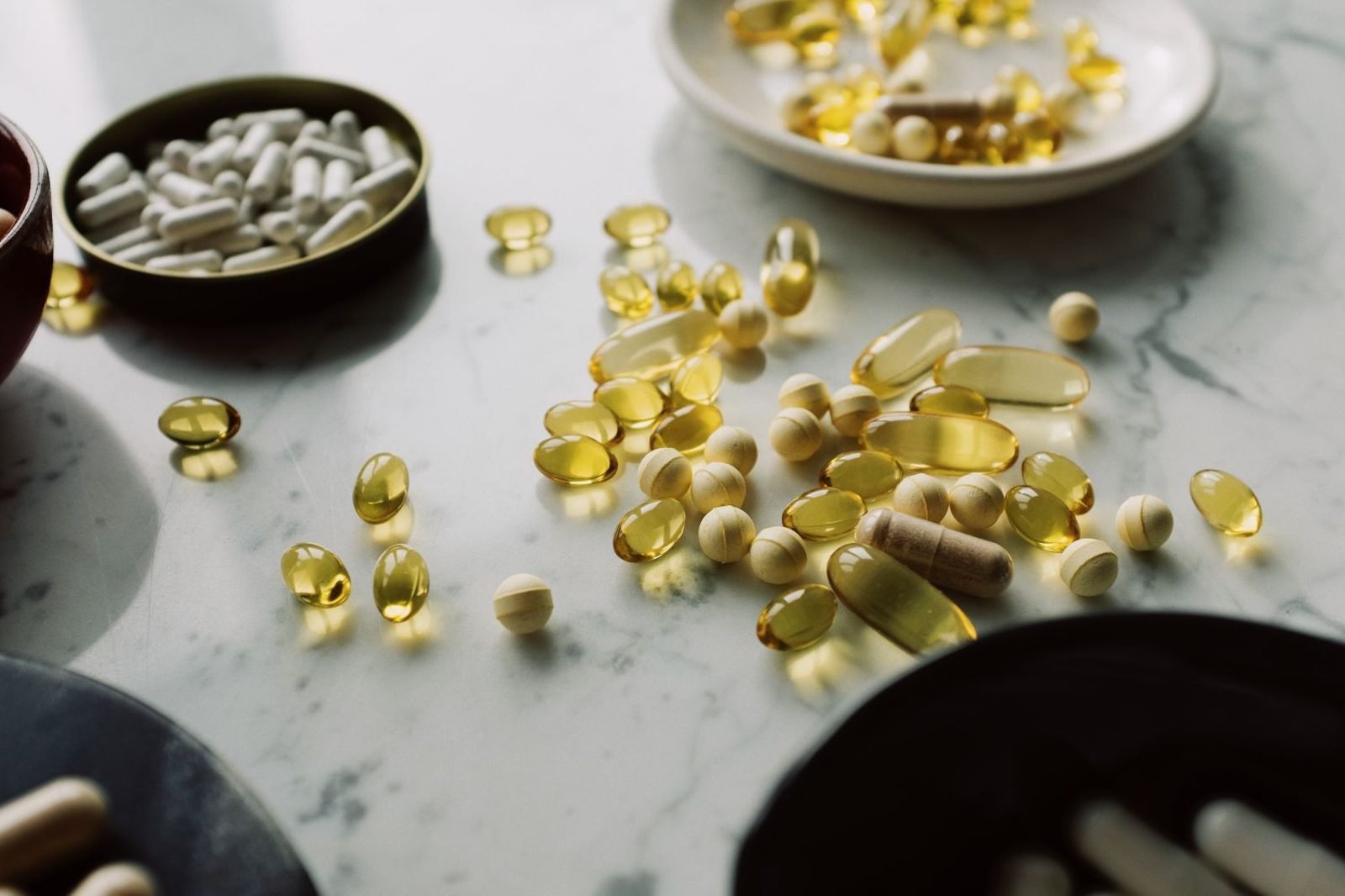
Amino acids are the building blocks of protein, and the human body uses 20 of them to build muscle, skin, enzymes, hormones, and neurotransmitters. Of those 20, the body can manufacture 11 on its own. The remaining nine — histidine, isoleucine, leucine, lysine, methionine, phenylalanine, threonine, tryptophan, and valine — cannot be synthesized in sufficient quantities and must be obtained through diet, according to the National Institutes of Health’s StatPearls biochemistry reference.
Each of these nine plays a distinct role:
- Leucine, isoleucine, and valine (the branched-chain amino acids, or BCAAs) are heavily involved in muscle protein synthesis and are a major reason athletes pay close attention to protein quality.
- Lysine supports collagen formation, calcium absorption, and immune function.
- Methionine is involved in metabolism and detoxification processes.
- Threonine contributes to skin, tooth enamel, and connective tissue.
- Phenylalanine is a precursor to neurotransmitters like dopamine and norepinephrine.
- Tryptophan is the precursor to serotonin and melatonin, which is why it’s linked to mood and sleep.
- Histidine helps produce histamine and supports tissue repair.
This breakdown is the backbone of the nutritional classification of amino acids — essential versus non-essential — and it’s worth understanding before you even think about macros, because a diet can be “high protein” on paper and still fall short if it’s missing one or two of these nine consistently.
What does “complete protein” actually mean?
A complete protein is a food that supplies all nine essential amino acids in meaningful amounts. An incomplete protein supplies some of them but is low or missing in at least one, called the “limiting amino acid” because it caps how much of that protein your body can actually use for building tissue.
According to Cleveland Clinic, most animal-based foods — eggs, poultry, fish, red meat, and dairy — are naturally complete proteins. So are a handful of plant foods: soy (tofu, edamame, tempeh, and soy milk) and quinoa are the most commonly cited complete plant proteins, along with buckwheat.
Most other plant proteins — lentils, beans, chickpeas, peas, rice, wheat, nuts, and seeds — are incomplete on their own. This doesn’t make them poor protein sources; it just means they lean short on one or two specific essential amino acids. Grains like rice and wheat tend to run low in lysine but have adequate methionine, while legumes like lentils and beans (dal, rajma, chana) tend to be rich in lysine but low in methionine. See where this is going? Put the two together and the gaps disappear.
This is also where the nutritional value of protein gets confused with protein quantity. A 100g serving of lentils and a 100g serving of chicken can both list similar total protein grams, but the amino acid profile — not just the number on the label — determines how usable that protein is for muscle repair and growth.
How do you combine plant proteins to get all essential amino acids?
The technique is called protein combining or protein complementation, and it’s been part of traditional diets worldwide for centuries — long before anyone had a name for “limiting amino acids.” The idea is simple: pair a grain with a legume, and each fills in what the other lacks.
Some combinations that already exist in everyday meals:
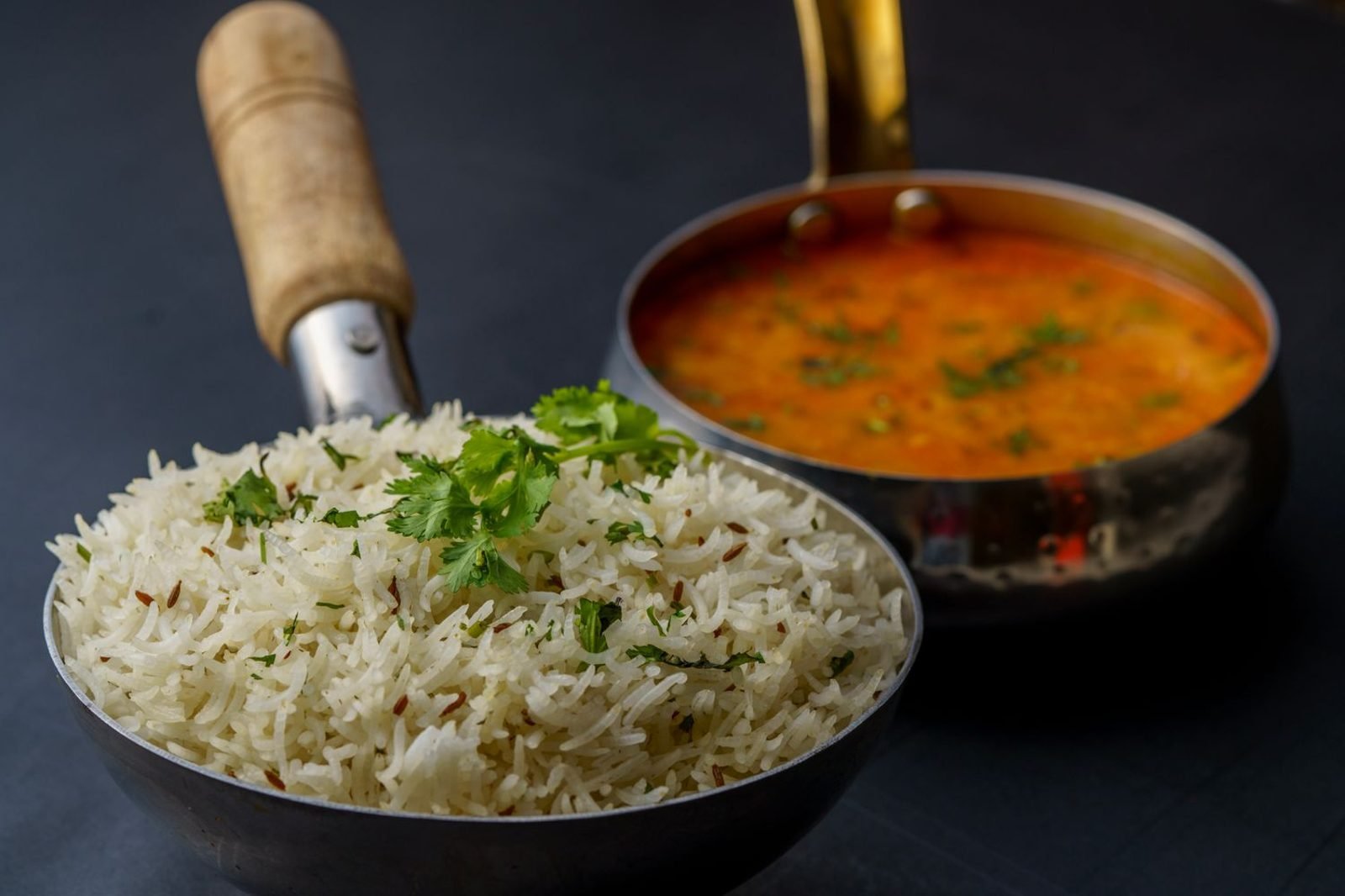
- Dal and rice — the lysine in dal (lentils) complements the methionine in rice, producing a complete amino acid profile in a single bowl.
- Rajma and chawal (kidney beans and rice) — same principle, different legume.
- Chana and roti (chickpeas and wheat) — beans provide lysine, wheat provides methionine and tryptophan.
- Hummus and pita — chickpeas plus wheat bread, a Middle Eastern version of the same combination.
- Rice and beans — a Latin American staple built on identical logic.
- Peanut butter on whole-grain bread — legume plus grain again.
A useful detail that often gets overstated in fitness content: you don’t need to eat the grain and the legume in the same meal. Research on plant protein complementation indicates that as long as your overall diet across the day is varied and you’re meeting your total calorie and protein needs, your body can pool amino acids from different meals to build complete proteins. Eating dal at lunch and rice at dinner still works, though the traditional thali (dal, rice or roti, and curd together) remains an easy way to cover your bases in one sitting without having to think about it.
For anyone building a nutrition diet plan for muscle building on a vegetarian or vegan foundation, the practical takeaway is to stop treating “protein” as a single number and start thinking in pairs — grain plus legume, at least a few times a day, alongside a complete source like soy or dairy where possible.
Why does this matter practically, not just biochemically?
It’s easy to treat amino acid classification as a textbook detail, but it shows up in real, felt outcomes. If your diet consistently under-delivers even one essential amino acid, your body cannot fully use the rest of the protein you’re eating for muscle repair — this is why some people eat what looks like “enough protein” on paper but still see slow recovery, flat strength gains, or persistent fatigue.
This is particularly relevant if you train regularly. Cleveland Clinic notes that while the baseline RDA for protein is 0.8 grams per kilogram of body weight, active individuals and those focused on muscle building typically need closer to 1.2–1.6 grams per kilogram — and that protein has to be amino-acid-complete to do its job efficiently. This is a core piece of bodybuilding nutrition: total grams of protein is only half the equation, and amino acid completeness is the other half.
It also matters beyond the gym. Leucine specifically triggers a cellular pathway involved in muscle protein synthesis, tryptophan feeds into serotonin and melatonin production (affecting mood and sleep), and lysine plays a role in immune function and calcium absorption. A diet that’s short on any of these for extended periods isn’t just a performance issue — it’s a broader nutrition gap. That’s the bigger picture behind protein and nutrition as a whole: it was never just about hitting a gram target.
For vegetarians and vegans specifically, this is less about anxiety and more about awareness. You don’t need to fear “incomplete” proteins or overhaul your diet. You need variety across the day — grains, legumes, soy, dairy if you eat it, nuts, and seeds — and a rough mental habit of pairing grains with legumes the way most traditional cuisines already do.
What foods give you the most essential amino acids?
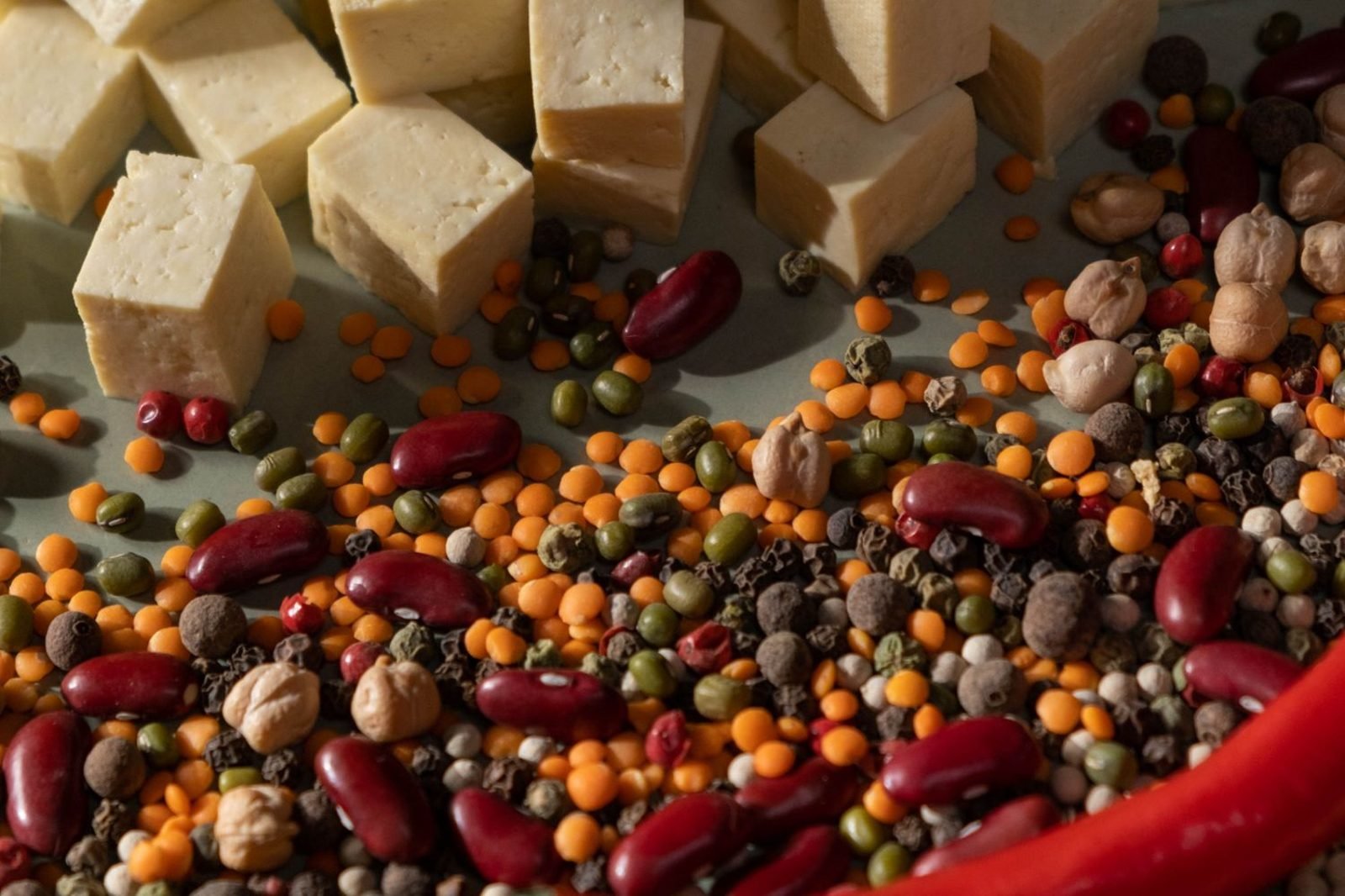
If you’re optimizing for amino acid completeness, a short mental list helps more than a long spreadsheet. Complete sources you can lean on without any combining: eggs, chicken, fish, dairy (milk, curd, paneer, cheese), soy in any form (tofu, tempeh, edamame, soy milk), and quinoa. Strong incomplete sources worth pairing: lentils, chickpeas, kidney beans, black beans, rice, wheat, oats, peanuts, and other nuts and seeds.
A practical day for a vegetarian focused on sports nutrition might look like: eggs or curd at breakfast, dal-rice or chana-roti at lunch, a handful of nuts or peanut butter toast as a snack, and tofu or paneer with a grain at dinner. None of this requires precise calculation — it requires rough, repeated variety, which is far easier to sustain than a rigid combining chart.
Frequently asked questions
Can you get all 9 essential amino acids from a vegetarian diet?
Yes. Soy products, quinoa, and dairy are complete proteins on their own, and pairing grains with legumes (dal-rice, chana-roti) fills in the rest. The key is variety across the day rather than relying on a single protein source repeatedly.
Do I need to eat complementary proteins in the same meal?
No. Your body maintains an amino acid pool and can combine essential amino acids from different meals eaten across the same day, as long as your overall diet is varied and you’re meeting your daily calorie and protein needs consistently.
Is quinoa really a complete protein?
Yes, quinoa is one of the few plant foods that naturally contains all nine essential amino acids in meaningful amounts, alongside soy and buckwheat. It’s a useful base for vegetarian and vegan meals that don’t require deliberate protein combining.
Which essential amino acid is usually missing in a vegetarian diet?
Grains (rice, wheat, oats) tend to run low in lysine, while legumes (lentils, beans, chickpeas) tend to run low in methionine. Combining the two — as in dal and rice — offsets both gaps and is why this pairing appears across so many traditional cuisines.
Does eating more total protein make up for an incomplete amino acid profile?
Not fully. If one essential amino acid is consistently low, it limits how much of the total protein your body can use for tissue repair, regardless of the overall gram count. Amino acid variety matters as much as total quantity.
If you want a meal plan that actually accounts for your amino acid needs — not just a generic gram target — an online nutritionist consultation can map this out against your training, goals, and dietary preferences.