The highest-protein vegetarian foods, gram for gram, are soy chunks (52g per 100g dry), paneer (22-25g per 100g), moong and masoor dal (24-25g per 100g uncooked), peanuts (26g per 100g), and Greek yogurt (9-11g per 100g) — but the number on a nutrition label only tells half the story. What actually fills your daily protein target is a mix of foods eaten in the right portions, at the right times, and in combinations that cover the amino acids any single plant food usually lacks. This list breaks down real protein figures by category so you can build meals instead of just staring at a label.
If you already have a structured eating plan in mind, our high-protein Indian diet plan lays out a full 7-day chart. This article is the reference list behind it — the actual foods, their protein content, and how to combine them.
Which vegetarian foods have the most protein per 100g?
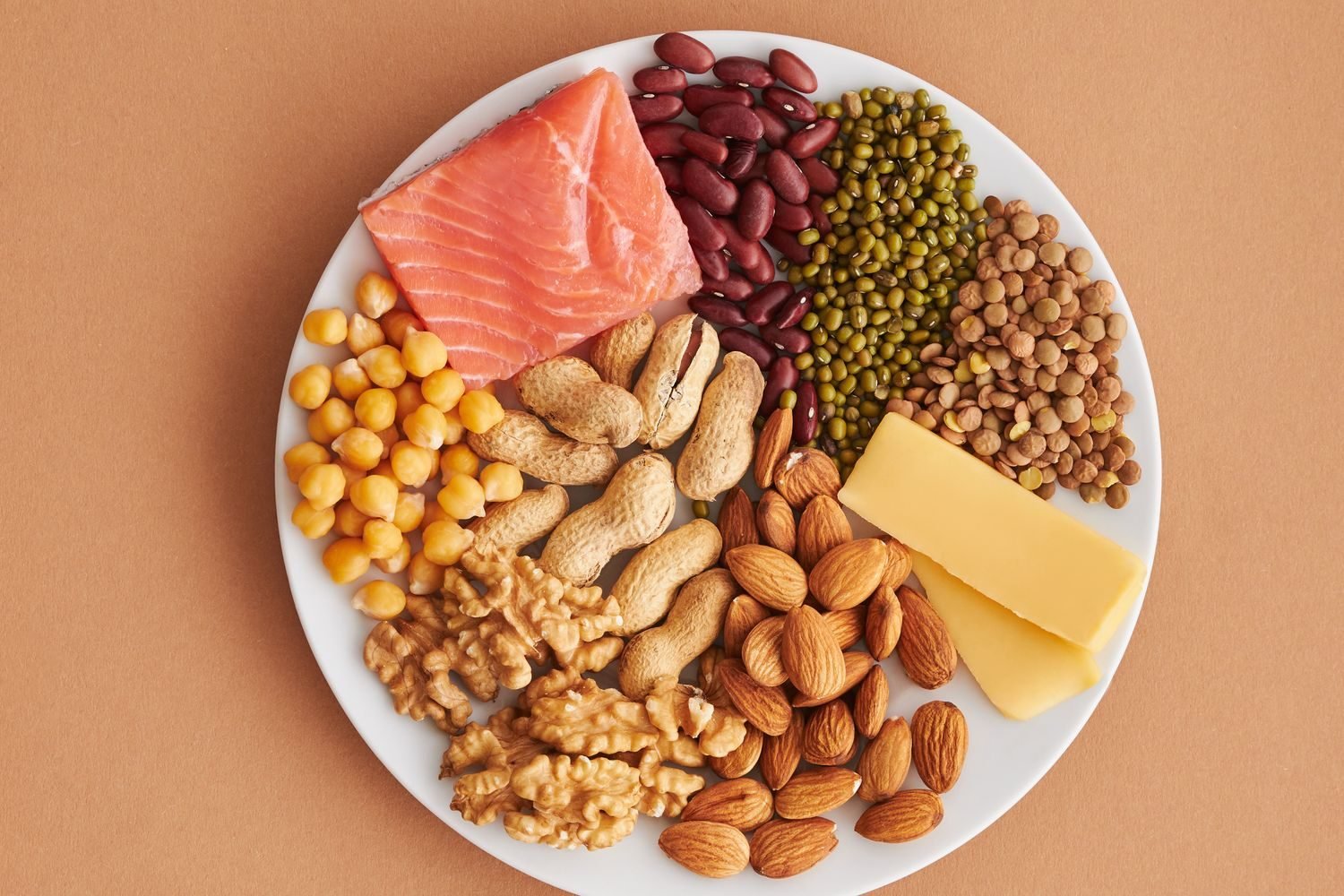
Dry legumes, soy products, paneer, and nuts top the list, mostly because they’re calorie-dense and low in water content compared to cooked grains or vegetables. Here’s a comparison table using standard values reported by nutrition databases and hospital dietary guides in India (figures are approximate and vary slightly by brand and preparation method).
| Food | Protein per 100g | Typical serving | Protein per serving |
|---|---|---|---|
| Soy chunks / nutrela (dry) | ~50-52g | 30g dry (1 cup soaked) | ~15g |
| Peanuts (roasted) | ~26g | 30g (small handful) | ~8g |
| Paneer | ~22-25g | 100g (roughly 1 cup cubed) | ~22-25g |
| Moong dal (dry, uncooked) | ~24g | 30g dry → ~90g cooked | ~7g cooked |
| Masoor dal (dry, uncooked) | ~25g | 30g dry → ~90g cooked | ~7-8g cooked |
| Rajma / kidney beans (dry) | ~24g | 30g dry → ~100g cooked | ~8g cooked |
| Chickpeas / chana (dry) | ~19g | 30g dry → ~100g cooked | ~8-9g cooked |
| Almonds | ~21g | 25g (about 20 almonds) | ~5g |
| Chia seeds | ~17g | 15g (1 tbsp) | ~2.5g |
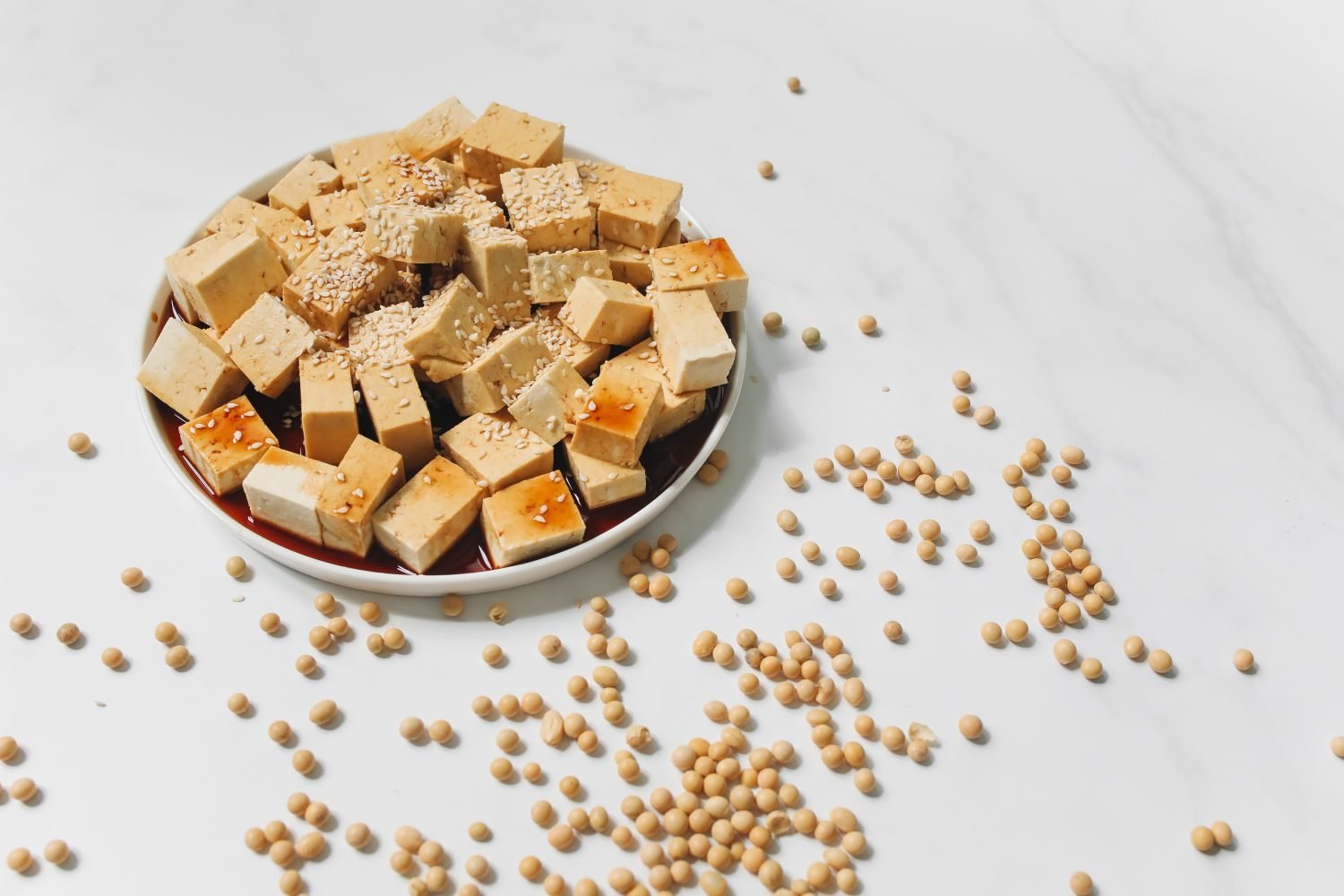
| Tofu (firm) | ~8-13g | 100g | ~8-13g |
| Greek yogurt / hung curd | ~9-11g | 150g cup | ~14-16g |
| Regular dahi/curd | ~3.5-4g | 150g cup | ~5-6g |
| Quinoa (cooked) | ~4.4g | 150g cooked cup | ~6-7g |
| Milk (toned) | ~3.2g | 250ml glass | ~8g |
Notice the gap between “protein per 100g dry” and “protein per serving cooked.” A dal that looks impressive at 24g per 100g dry actually delivers closer to 7-8g once it’s soaked, boiled, and served on your plate — the grain absorbs water and roughly triples in weight. This is the single most common misreading of protein charts, so keep the cooked-serving column in mind rather than the dry-weight number when you’re planning meals. For a deeper explanation of how protein is measured and why cooked vs. raw numbers differ, see our guide on the nutritional value of protein.
How much protein do paneer and dairy actually provide?
Paneer is the standout here: 100g (about a cup of cubes) gives you roughly 22-25g of protein, putting it close to chicken breast in density, minus the cholesterol concerns. That’s because paneer is essentially concentrated milk solids — the whey is drained off, leaving casein protein behind in a dense block.
Dairy protein content by product:
- Paneer: ~22-25g per 100g — best used in sabzis, grilled skewers, or crumbled into salads
- Greek yogurt / hung curd: ~9-11g per 100g — roughly double regular curd because the whey is strained out
- Regular dahi/curd: ~3.5-4g per 100g — still useful, but you’d need a much larger bowl to hit the same protein total
- Milk: ~3.2g per 100ml — a 250ml glass gives about 8g
- Cottage cheese/skyr (where available): comparable to Greek yogurt, sometimes higher
The practical takeaway: if you’re choosing between a bowl of regular curd and a smaller bowl of hung curd or Greek yogurt, the strained version wins on protein density every time. Swapping your morning curd for a thick, strained variety is one of the easiest wins in a vegetarian diet — a change worth making before breakfast even starts, which is why it’s a repeat feature in our high-protein breakfast ideas.
Which dals and legumes give the most protein per serving?
Dry legumes almost all sit in the same 20-25g-per-100g range before cooking, but they don’t behave identically once they hit your plate — some absorb more water, some pair better with rice, some digest more easily in large portions.
- Moong dal: ~24g per 100g dry; easiest to digest of the major dals, good for daily use
- Masoor dal (red lentils): ~25g per 100g dry; cooks fastest, mild flavor
- Toor/arhar dal: ~22g per 100g dry; the base of most South Indian sambar
- Rajma (kidney beans): ~24g per 100g dry; needs soaking, but delivers a satisfying, filling meal
- Chickpeas/chana (dry): ~19g per 100g dry, ~8.9g per 100g once boiled
- Black chana/kala chana: similar range to chickpeas, slightly higher fiber
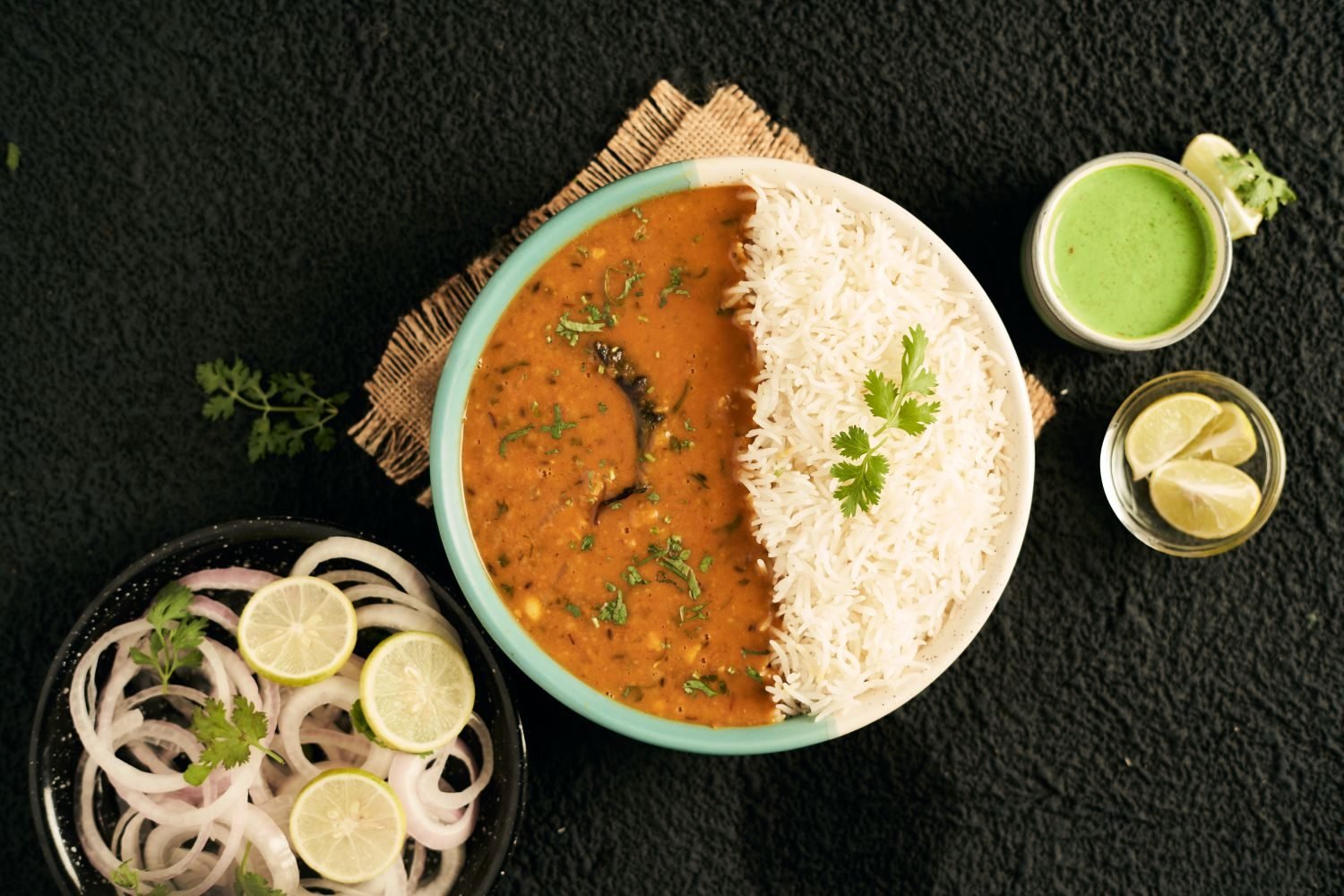
Here’s the catch that most protein lists skip: legumes are missing methionine, an essential amino acid, which means dal alone doesn’t give you a “complete” protein profile. Pairing it with rice or wheat — which are low in lysine but adequate in methionine — fills the gap. That’s why dal-chawal (dal-rice) and rajma-chawal aren’t just comfort food, they’re nutritionally sound combinations that vegetarian diets have relied on for generations. For the full breakdown of which amino acids matter and why combining foods works, read our piece on nutritionally essential amino acids.
Is soy the highest-protein vegetarian food available?
Among commonly eaten Indian vegetarian foods, yes — soy chunks (also sold as nutrela or meal maker) top the chart at roughly 50-52g protein per 100g dry weight, nearly double the density of paneer or dal. That number looks extreme until you remember soy chunks are dehydrated; once rehydrated in water, the weight roughly doubles and the effective protein per 100g served drops to around 25g, still exceptional.
Soy-based options worth knowing:
- Soy chunks (dry): ~50-52g per 100g — rehydrate before cooking, absorbs curry flavors well
- Tofu (firm): ~8-13g per 100g — lower density than soy chunks because of water content, but very versatile
- Soy milk: ~3-3.5g per 100ml — a reasonable dairy-free swap, roughly matching cow’s milk
- Tempeh: ~19-20g per 100g — fermented, firmer texture, less common in Indian kitchens but easy to cook with
Soy is also one of the few plant proteins considered “complete,” meaning it contains all nine essential amino acids in reasonable amounts — a rare trait among vegetarian protein sources, most of which need pairing with grains or dairy to balance out. If you’re building a fully plant-based routine rather than a lacto-vegetarian one, soy products become even more central, and it’s worth reading our broader guide to vegan nutrition for how to structure a diet without dairy at all.
Do nuts, seeds, and quinoa add meaningful protein — or just calories?
They add both, and the ratio matters. Nuts and seeds are calorie-dense, so they’re best used as toppings and snacks rather than a primary protein source, while quinoa is genuinely useful as a grain swap because it’s a complete protein, unlike rice or wheat.
- Peanuts: ~26g per 100g — the cheapest, most accessible high-protein snack in most Indian kitchens
- Almonds: ~21g per 100g — roughly 5g in a 25g handful (about 20 almonds)
- Chia seeds: ~17g per 100g — about 2.5g per tablespoon, plus omega-3s and fiber
- Pumpkin seeds: ~19g per 100g — good sprinkled over salads or yogurt
- Quinoa (cooked): ~4.4g per 100g — lower than it gets credit for by weight, but it’s a complete protein and a solid rice substitute
A common mistake is treating a spoonful of peanuts or almonds as a meaningful protein “serving” the way you would a bowl of dal or a paneer sabzi. A 25g handful of almonds gives about 5g of protein alongside roughly 145 calories — useful as an add-on, not a main course. Think of nuts and seeds as protein boosters you sprinkle into meals (on top of dal, yogurt, or salads) rather than standalone sources.
What food combinations give a complete amino acid profile?
Most plant proteins are missing at least one essential amino acid, but pairing two complementary sources in the same meal solves this — a concept called protein complementation. You don’t need to eat both at the exact same bite, just within the same day, though same-meal pairing is the simplest habit to build.
Reliable combinations used across Indian vegetarian cooking:
- Dal + rice: legumes provide lysine, rice provides methionine — together they approximate a complete protein
- Rajma + chawal: same principle as above, with kidney beans instead of dal
- Chana + roti: chickpeas plus wheat covers a similar gap
- Hummus + whole wheat pita: the same chickpea-and-grain logic in a different format
- Peanut butter + whole wheat bread: legume protein plus grain protein in a quick snack
- Curd/yogurt + any dal or legume dish: dairy protein is already complete, so it rounds out a legume-heavy plate
This is really the core idea behind most traditional vegetarian thalis — dal, rice or roti, and a side of curd aren’t served together by accident. If you want to see this principle applied across a full week rather than a single meal, our high-protein Indian diet plan walks through exactly how to structure each day around these combinations.
How many high-protein vegetarian foods do you actually need in a day?
Most adults need somewhere in the range of 0.8-1.2g of protein per kilogram of body weight daily for general health, rising to 1.2-1.6g/kg if you’re strength training regularly — figures widely cited by sports nutrition bodies. For a 60kg adult, that’s roughly 48-96g of protein a day depending on activity level. Hitting that on a vegetarian diet is entirely realistic once you stop relying on one “hero” food and instead layer several moderate sources across the day.
A realistic day might look like: a glass of milk and a handful of nuts at breakfast (roughly 13g), a dal-rice combination at lunch (roughly 15-18g), a paneer or tofu-based dinner (roughly 20-25g), and a Greek yogurt or peanut snack in between (roughly 8-14g) — which adds up to 55-70g without needing a single protein shake. The exact split depends on your body weight, goals, and how much you’re training, which is a conversation worth having with a professional rather than reverse-engineering from a blog post.
FAQ
Is paneer or tofu better for protein content?
Paneer typically has more protein per 100g (22-25g) than firm tofu (8-13g), largely because paneer is denser and less watery. Tofu is lower in saturated fat and cholesterol-free, though, so the “better” choice depends on whether your priority is protein density or overall fat profile.
Do sprouted moong and chickpeas have more protein than unsprouted?
Sprouting doesn’t significantly increase total protein content — it mainly improves digestibility and slightly boosts certain vitamins. The protein-per-100g figure stays roughly similar to the unsprouted dry legume; the main benefit is easier absorption, not a higher number.
Can I get enough protein from vegetarian food without supplements?
Yes, for most people. Combining dals, paneer, curd, soy products, and nuts across three to four meals a day can comfortably meet 60-90g of daily protein for an average adult. Supplements become more relevant for very high training volumes or specific medical/dietary constraints.
Why does cooked dal show less protein than dry dal on food labels?
Cooking adds water weight. A 100g serving of dry dal might list 24g protein, but once boiled it absorbs roughly two to three times its weight in water, so the same 100g of cooked dal contains only about 7-9g of protein. The total protein amount doesn’t disappear — it’s just diluted across more weight.
Which single vegetarian food has the highest protein-to-calorie ratio?
Soy chunks and paneer both perform well here, offering high protein relative to their calorie count compared to nuts, which are protein-rich but also calorie-dense due to fat content. For pure protein efficiency, legumes paired with dairy edge out nuts and seeds.
Numbers on a list are a starting point, not a diagnosis of what your body actually needs. If you want a protein target and food plan built around your weight, activity level, and any medical history, an online nutritionist consultation is the fastest way to turn this list into a plan that fits your life.