The fastest way to stop your 11 a.m. energy crash is to put at least 20-25 grams of protein on your breakfast plate instead of relying on toast, poha, or cereal alone. A high-protein breakfast blunts the blood sugar spike that carb-heavy mornings cause, keeps hunger hormones quiet for longer, and gives you steadier focus until lunch. Below are practical, mostly Indian breakfast ideas that hit that protein number without turning your morning into a cooking project, plus the science of why this one meal swap matters more than people think.
Why does protein at breakfast matter so much?
Most Indian breakfasts — poha, upma, idli, plain paratha, cereal — are carbohydrate-heavy and protein-light. That combination digests fast, spikes blood glucose, and leaves you hungry again within two hours. Protein works differently. It slows gastric emptying, triggers the release of satiety hormones like PYY, and suppresses ghrelin, the hormone that makes you feel hungry. A randomized controlled crossover study published in the Journal of Dairy Science found that a dairy-based, protein-rich breakfast significantly increased fullness and satisfaction in the hours after eating compared to a low-protein, high-carb breakfast, and also improved concentration before lunch (PubMed, 2023).
Interestingly, that same body of research shows the satiety boost is strongest in the first two to three hours after breakfast — meaning it does not always change what you eat at lunch, but it reliably prevents the mid-morning crash and unplanned snacking that hits between 10 and 11 a.m. If you want the full picture of how much protein your body actually needs across the day, our guide to the nutritional value of protein breaks down daily targets by body weight and activity level.
Does a high-protein breakfast actually help blood sugar?
Yes, and the effect shows up beyond just the breakfast meal itself. A 2022 study using continuous glucose monitoring, published in Nutrients, found that a high-protein breakfast suppressed post-meal glucose levels for three hours after breakfast, and the benefit carried over to reduce the glucose spike after lunch as well (MDPI, 2023). Separate research from the University of Missouri, covered by ScienceDaily, found that women who ate high-protein breakfasts maintained better glucose and insulin control through the day compared to those eating low-protein or no breakfast at all (ScienceDaily, 2014).
This matters even if you are not managing diabetes. Fewer glucose spikes mean fewer crashes, and fewer crashes mean less reaching for biscuits or a second cup of sugary chai at 11 a.m. If you are specifically trying to manage blood sugar through food choices, it is worth reading our companion piece on heart-healthy breakfast ideas, which looks at fats and fiber alongside protein.
How much protein should a breakfast actually have?
Most nutrition researchers working on satiety use 25-35 grams of protein per breakfast as the range where the fullness and blood-sugar benefits become noticeable — a big jump from the 5-8 grams a typical besan-less poha or two idlis with sambar provides. You do not need to hit 35 grams every single day, but treating 20 grams as your floor is a reasonable, achievable target for a home-cooked Indian breakfast. Two eggs alone give you about 12-13 grams; add a cup of Greek yogurt or a paneer-based item and you clear 25 grams without much effort.
If you are building this into a broader eating pattern rather than just breakfast, our high-protein Indian diet plan maps out how a full day of meals can add up to your daily protein target, and our high-protein vegetarian foods list is a useful reference if you are stocking your kitchen and want to know which dals, paneer quantities, and legumes pack the most protein per serving.
What are the best high-protein Indian breakfast ideas?
These are practical, familiar options rather than a diet-plan chart — pick two or three that fit your routine and rotate them.
- Besan chilla (2 medium, made with ½ cup besan): Roughly 12-14 grams of protein. Whisk besan with water, chopped onion, tomato, and green chili, and cook like a thin pancake. Pair with a side of curd for an extra 3-4 grams.
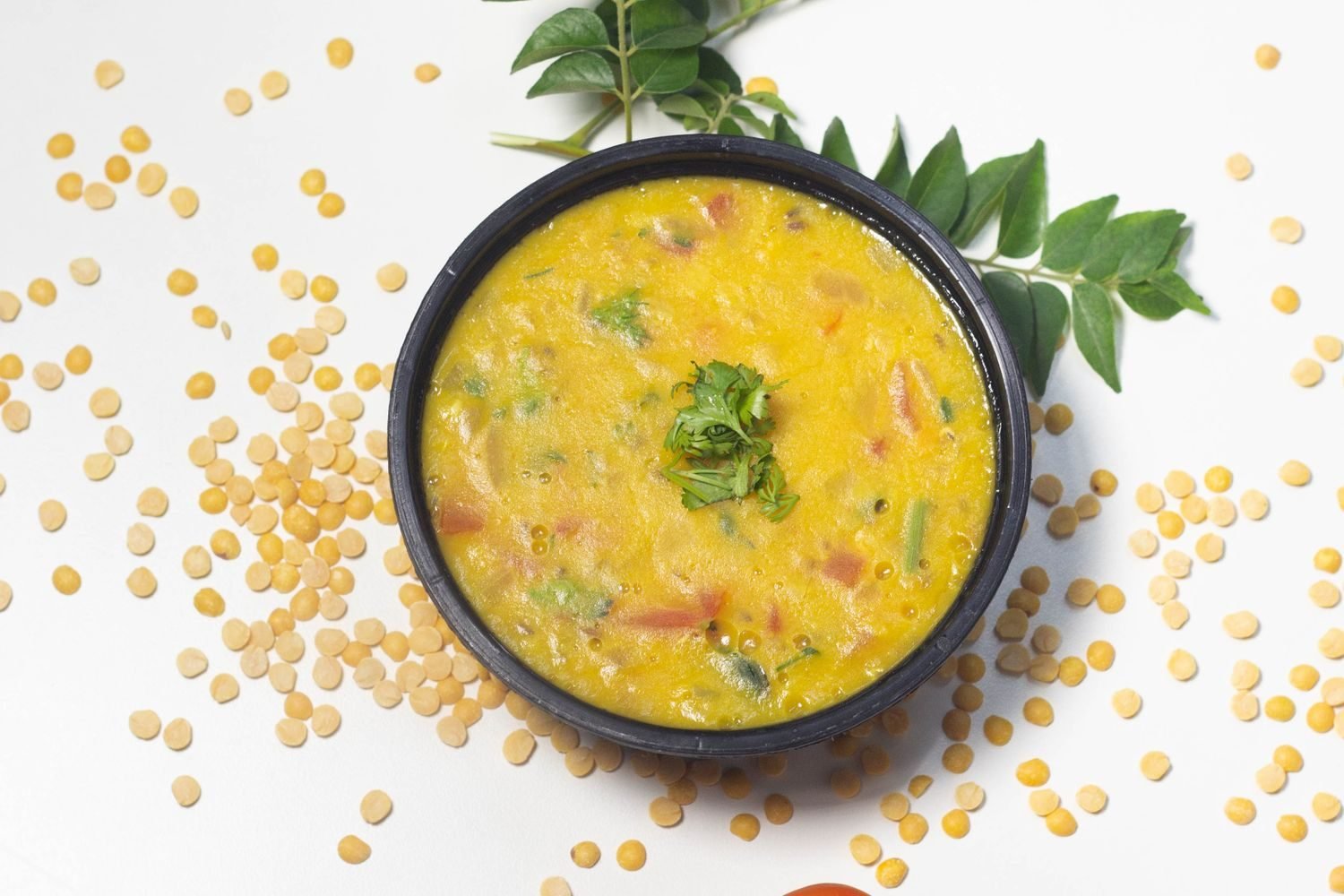
- Moong dal chilla (2 medium): Around 14-16 grams of protein, and lower in carbs than besan chilla since it is made from soaked, ground moong dal rather than flour. Works well stuffed with grated paneer for even more protein.
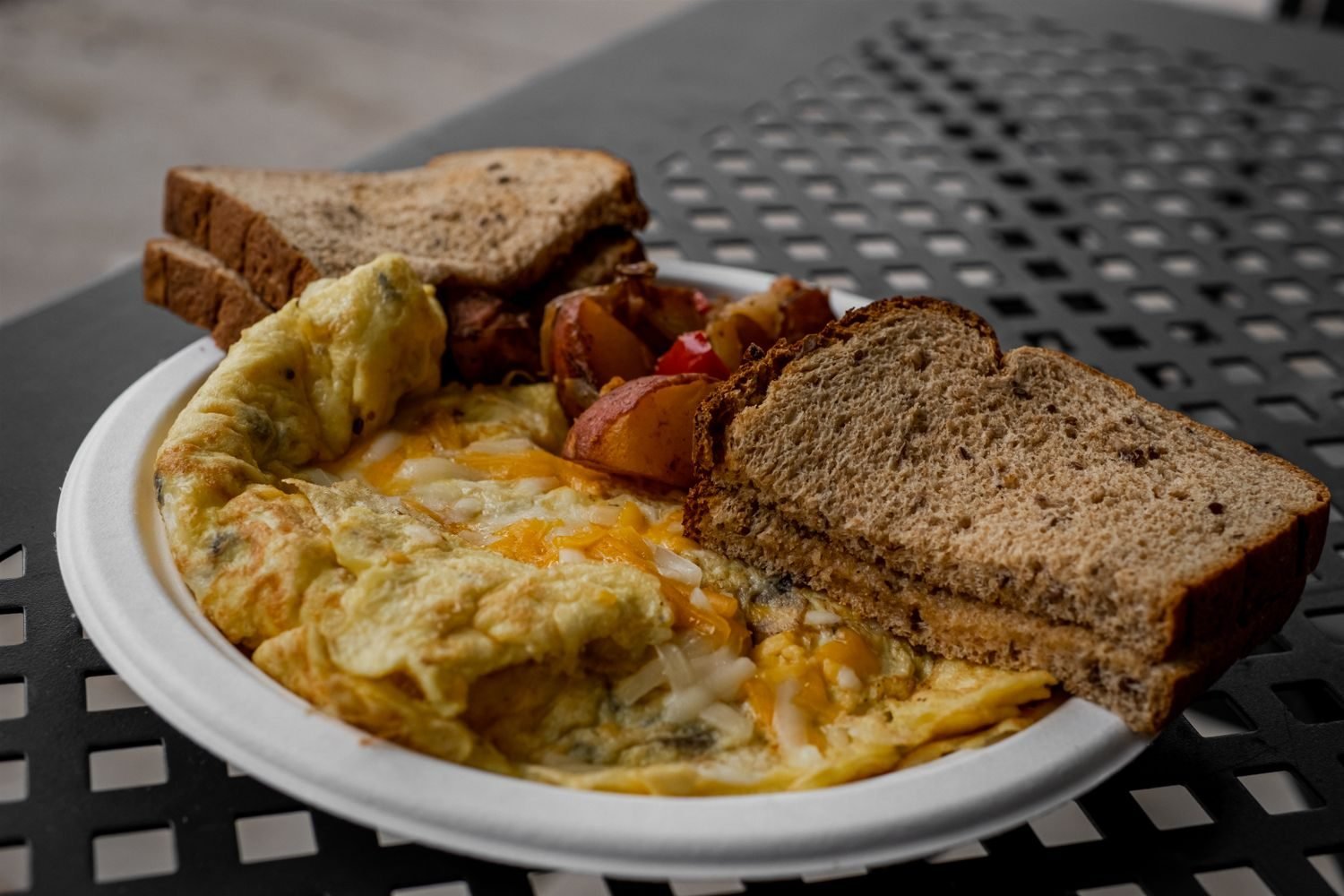
- Egg bhurji (2 whole eggs) with a slice of multigrain toast: About 13-14 grams of protein from the eggs alone, closer to 18 grams with the toast. Scramble with onion, tomato, and turmeric — five minutes, one pan.
- Paneer paratha (1 medium, stuffed with 50g paneer) with curd: Roughly 14-16 grams of protein between the paneer filling and a small bowl of curd on the side. Go easy on the ghee if you are watching saturated fat.
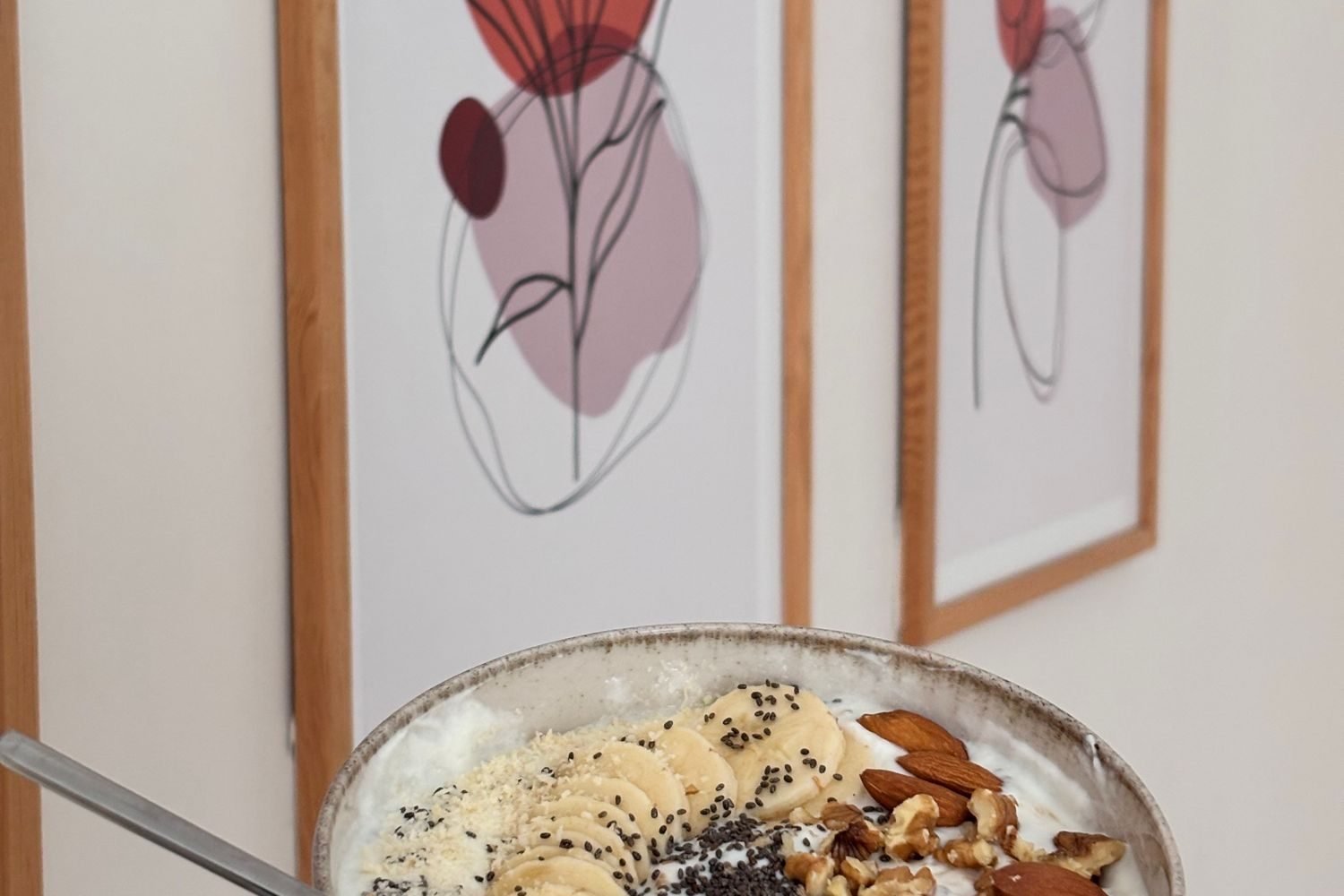
- Greek yogurt (1 cup) with a handful of almonds and walnuts: About 17-20 grams of protein, zero cooking required. This is the fastest option on this list and travels well if you eat breakfast at your desk.
- Sprouts chaat (1 cup mixed moong and chana sprouts): Around 10-12 grams of protein, plus fiber that further slows digestion. Toss with lemon, chopped onion, and chaat masala the night before.
- Masala oats with milk and a boiled egg on the side: Oats alone are moderate in protein, but adding milk and one egg brings the plate to around 15-16 grams.
How do you build a high-protein breakfast when mornings are rushed?
The obstacle is rarely knowing what to eat — it is having ten minutes before you have to leave. A few habits make this workable on weekday mornings.
Prep protein bases the night before
Soak moong dal or chana for sprouts the night before so they are ready by morning. Pre-boil 4-5 eggs on a Sunday and keep them in the fridge — a boiled egg plus a glass of milk is a 13-14 gram breakfast that takes zero cooking time on a weekday.
Keep a stocked base at all times
Besan, moong dal flour, paneer, and Greek yogurt all keep well and need no advance planning. If your fridge always has one of these, you are never more than ten minutes from a protein-adequate breakfast even on a chaotic morning.
Batch-cook chilla batter
Besan and moong dal chilla batter keeps in the fridge for 2-3 days. Make a large batch on a low-effort evening and you have grab-and-cook breakfasts ready for the rest of the week — pour, cook, done in under five minutes.
Use dairy as a protein top-up
If a dish falls short of 20 grams on its own, a side of curd, a glass of milk, or a small paneer cube tops it up without extra prep. This is the easiest lever to pull when you are short on time but not willing to skip the protein target.
What mistakes reduce the benefit of a high-protein breakfast?
A few common habits quietly undercut the effort of eating protein-rich in the morning.
- Relying on protein powder alone: A protein shake with no fiber or fat digests fast and does not deliver the same sustained fullness as a whole-food breakfast with protein, fiber, and some healthy fat together.
- Pairing protein with a large refined-carb portion: Two eggs alongside three parathas or a stack of white bread still spikes blood sugar — the carb load can outweigh the protein’s blunting effect.
- Skipping breakfast on “busy” days: This is usually when a high-protein option matters most, since it is also when you are most likely to reach for whatever is fastest and least nutritious by mid-morning.
- Underestimating portion size: One small idli-sized chilla will not get you to 20 grams of protein. Check that your portion is realistic for your body size and activity level, not just what looks like “enough” on the plate.
Frequently Asked Questions
Is 20 grams of protein enough for breakfast, or should I aim higher?
Twenty grams is a solid working minimum for most adults and is enough to noticeably reduce mid-morning hunger. If you are physically active, strength training, or trying to build muscle, aiming for 25-30 grams gives you a stronger satiety and blood-sugar benefit, based on the ranges used in most satiety research.
Can a vegetarian breakfast really hit 20-25 grams of protein?
Yes. Combining paneer, moong dal, besan, curd, or sprouts easily gets you there — a moong dal chilla with a side of curd, for example, comfortably crosses 18-20 grams. Our high-protein vegetarian foods list has protein counts for more combinations.
Will eating more protein at breakfast help me lose weight?
It can help indirectly by reducing hunger and unplanned snacking between meals, though research shows it does not always reduce how much you eat at lunch itself. The bigger win is fewer energy crashes and less mindless eating during the mid-morning window.
Is it fine to eat the same high-protein breakfast every day?
Yes, as long as it is nutritionally balanced and you are not relying on a single food source for all your micronutrients. Rotating between two or three options — say, eggs, chilla, and Greek yogurt — is an easy way to add variety without extra planning.
Should I eat protein at breakfast if I am not trying to lose weight?
Yes. The satiety and blood-sugar benefits apply regardless of your weight goals — they are about steadier energy and concentration through the morning, not just calorie control. See our overview on protein and nutrition for how protein fits into overall diet quality.
If you are unsure how much protein your body actually needs or which of these breakfast options fits your goals and any existing health conditions, an online nutritionist consultation can help you build a breakfast routine that works for your schedule, not just a generic list.