If you need a quick answer: the highest-protein snacks per typical serving are boiled eggs (about 6g per egg), Greek yogurt or hung curd (17-20g per cup), roasted chana (7-8g per quarter cup), edamame (17g per cup), cottage cheese/paneer (14-18g per 100g), and peanut butter with fruit (7-8g per two tablespoons). The trick isn’t finding one “best” snack — it’s keeping two or three of these on hand so you’re never stuck grabbing chips because nothing else was ready.
This is a working list, not a lecture. If you want the broader science of why protein matters for snacking and weight management, that’s covered in our guide to healthy snacks for weight loss. Here, we’re sticking to the food itself — what to buy, how much protein it actually delivers, and how to build a snack around it without overthinking things.
Why Look for Protein Specifically in a Snack?
Most traditional snacks — biscuits, chips, namkeen, sweets — are carbohydrate and fat heavy with very little protein, which is exactly why they don’t keep you full. Protein slows digestion and blunts the blood sugar spike that leaves you hungry again within the hour. A snack with at least 8-10g of protein tends to bridge the gap between meals far better than one built purely on carbs — a big part of why protein-forward choices show up so often in advice on healthy snacks for weight loss.
This matters most at the times people snack out of habit rather than hunger — the 4 pm dip at a desk, or the restless hour after dinner. For India-specific timing and food ideas around that evening window, see our piece on healthy evening snacks Indian options cover in more depth. If you want to understand protein’s role in the body beyond snacking — muscle repair, satiety hormones, daily requirements — that’s laid out in our guide to the nutritional value of protein.
What’s the Actual Protein-Per-Serving List?
Below is a practical reference table. Figures are approximate averages per common serving size — brands and homemade portions will vary slightly, so treat these as a working guide rather than a lab certificate.
| Snack | Typical Serving | Approx. Protein |
|---|---|---|
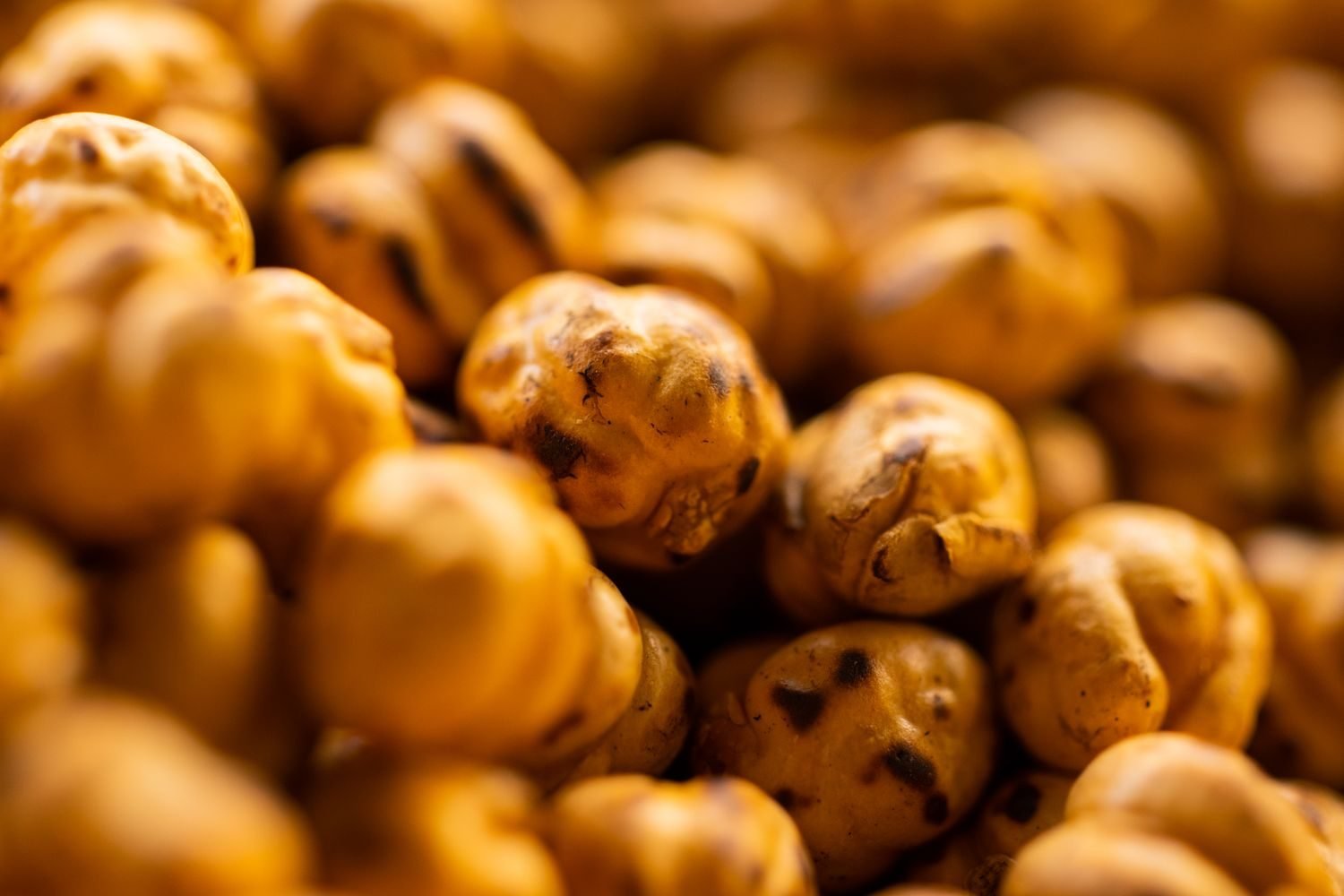
| Roasted chana (chickpeas) | 1/4 cup (~30g) | 7-8g |
| Sprouts chaat (moong/chana mix) | 1 cup (~100g) | 7-9g |
| Boiled eggs | 2 eggs | 12-13g |
| Greek yogurt (plain) | 1 cup (200g) | 17-20g |
| Hung curd (strained dahi) | 1 small bowl (150g) | 10-12g |
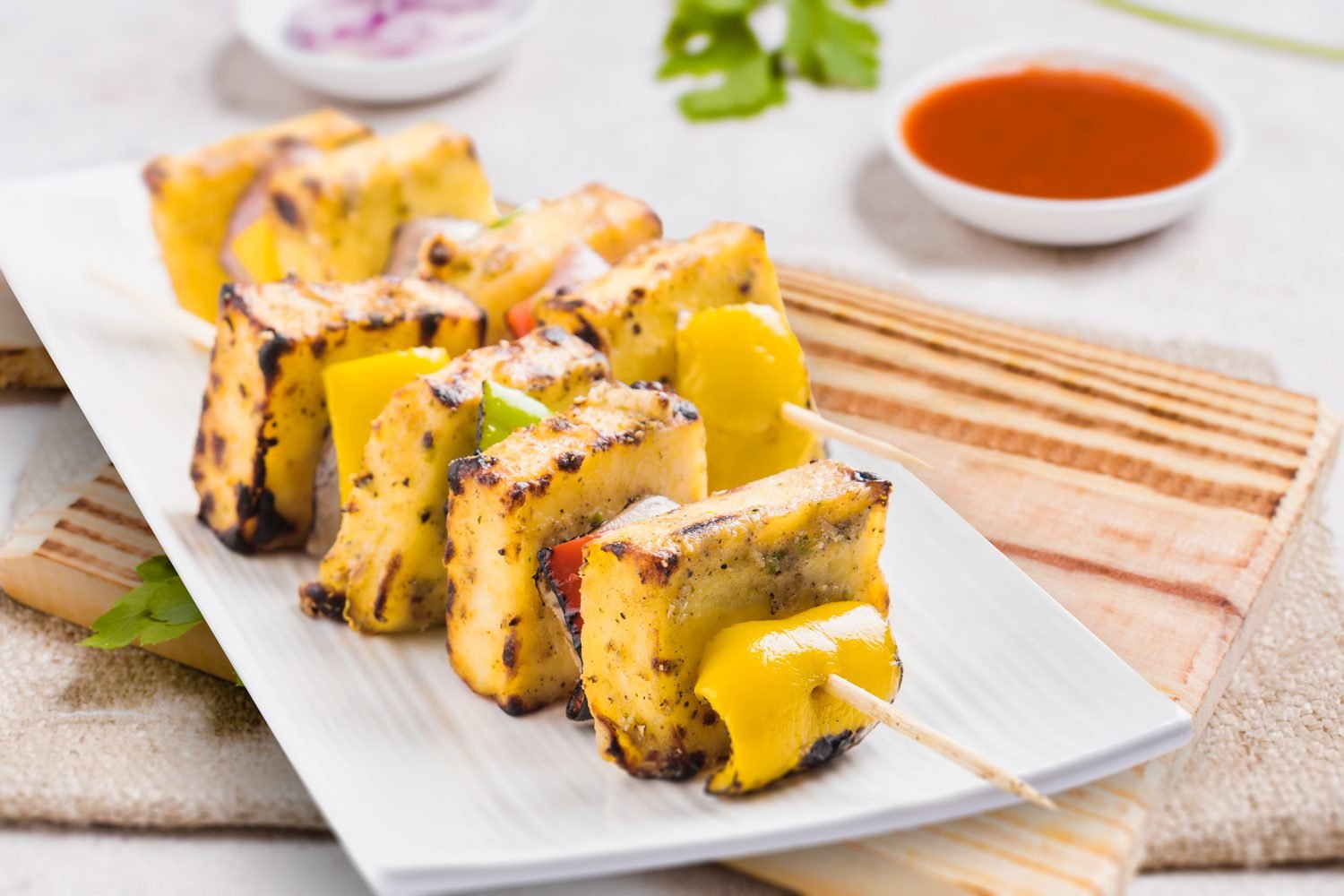
| Paneer tikka bites | 100g paneer | 18g |
| Cottage cheese | 1/2 cup (110g) | 12-14g |
| Peanut butter with apple/banana | 2 tbsp butter + 1 fruit | 7-8g |
| Edamame (steamed, in pod) | 1 cup shelled (155g) | 17g |
| Protein bar | 1 bar (check label) | 10-20g (varies widely) |
| Roasted almonds/peanuts | Small handful (30g) | 6-7g |
| Soaked/boiled peanuts chaat | 1/2 cup | 9-10g |
A few of these — paneer, cottage cheese, sprouts, roasted chana — also show up in our broader roundup of high-protein vegetarian foods, which is worth a look if you’re eating vegetarian and want protein sources beyond snack-sized portions.
Which Snacks Give the Most Protein for the Least Effort?
If convenience matters more than variety, three snacks consistently top the list:
- Boiled eggs — batch-cook a dozen on Sunday, peel and refrigerate, and you have a 6g-protein snack ready in seconds. Two eggs with a pinch of salt and pepper cover roughly a quarter of an average adult’s snack-time protein needs.
- Greek yogurt or hung curd — no prep beyond opening a tub. A cup of plain Greek yogurt carries close to 20g of protein, more than most people get from an entire meal of dal-rice.
- Roasted chana — shelf-stable, needs zero refrigeration, and travels well in a bag or box. A small handful gives about 7-8g of protein along with fibre, which is a combination chips simply don’t offer.
For days when you’re not near a kitchen at all, our guide to healthy snacks on the go covers portable options and how to pack them so they survive a commute or a desk drawer.
How Do You Make an Indian-Style High-Protein Snack at Home?
Three simple builds cover most cravings:
Sprouts Chaat
Steam or lightly boil a cup of mixed moong and chana sprouts for 5 minutes. Toss with chopped onion, tomato, a squeeze of lemon, chaat masala, and a few coriander leaves. This gives roughly 7-9g of protein along with fibre that keeps digestion slow and steady — closer to a light meal than a snack.
Paneer Tikka Bites
Cube 100g of paneer, marinate in curd, ginger-garlic paste, and tikka masala for 20 minutes, then pan-sear or air-fry until lightly charred. This delivers about 18g of protein and works well as an evening snack or a pre-workout bite.
Roasted Chana with Onion and Chili
Mix roasted chana with finely chopped onion, green chili, a dash of lemon, and chaat masala. It’s the closest thing to a savoury, protein-forward alternative to bhujia or namkeen, at a fraction of the fat and sodium.
Are Protein Bars Actually a Reliable Source?
Sometimes — but not automatically. This is the one category on this list that deserves a genuine caveat: many products marketed as “protein bars” are closer to a chocolate bar with a protein claim printed on the wrapper. Added sugar, syrups, and coatings can push a bar past 20g of sugar while offering only 8-10g of protein, which defeats the purpose of reaching for one in the first place.
Before trusting a bar as a real snack, flip it over and check three things:
- Protein should lead, not trail. Look for at least 10g of protein per 30-40g bar, ideally without more sugar (in grams) than protein.
- Check the ingredient list, not just the front label. If sugar, glucose syrup, or chocolate coating appear in the first three ingredients, it’s a candy bar wearing gym clothes.
- Watch serving size tricks. Some labels quote protein per half-bar to make the number look better — always check per full bar you’ll actually eat.
Used well, a genuinely high-protein bar (whey or plant-based, minimal added sugar) is a fine backup for travel days. Used carelessly, it’s just dessert with better marketing.
How Much Protein Should One Snack Actually Have?
There’s no single official number, but a useful working target is 10-15g of protein per snack if it’s replacing a meal-adjacent craving (like a 4 pm slump), or 5-8g if it’s a small bite between otherwise well-balanced meals. Spreading protein across the day — rather than loading it all at dinner — is also associated with better satiety and muscle protein synthesis, according to research summarized by the National Institutes of Health. Practically, that means a mid-morning boiled egg or a post-lunch cup of yogurt isn’t just about curbing hunger — it’s doing real nutritional work.
How Do You Build a Weekly High-Protein Snack Stock?
Rather than deciding fresh every day, it helps to stock a mix of shelf-stable and fridge items so there’s always something ready:
- Shelf-stable: roasted chana, roasted peanuts/almonds, a couple of trustworthy protein bars.
- Fridge, ready in seconds: boiled eggs (batch-cooked), Greek yogurt cups, paneer block.
- Fridge, 5-minute prep: sprouts (pre-soaked), cottage cheese with cut vegetables, edamame (frozen, microwave 3 minutes).
Having one option from each category means you’re never choosing between a high-protein snack and “whatever’s in the pantry” — the good option is just as fast as the bad one, whether you’re at home or packing for the day using ideas from our healthy snacks on the go guide.
Frequently Asked Questions
Is roasted chana really as high in protein as it’s made out to be?
Yes, reasonably. A quarter-cup serving of roasted chana carries about 7-8g of protein along with fibre, which is genuinely useful for a snack. It’s not as concentrated as eggs or paneer gram-for-gram, but it’s shelf-stable, cheap, and far better than fried namkeen for the same craving.
Can Greek yogurt and regular dahi be used interchangeably for protein?
Not quite. Regular dahi has roughly half the protein of Greek yogurt or hung curd per serving because the straining process that makes yogurt “Greek” concentrates the protein and removes whey. If protein is the goal, hung curd or a labelled Greek yogurt is the better pick.
Are protein bars a good replacement for whole-food snacks?
Occasionally, for convenience, but not as a daily habit. Many bars carry more added sugar than genuine nutritional benefit. Reserve them for travel or emergencies, and check that protein exceeds sugar per bar — whole foods like eggs, yogurt, or chana should still be the default.
How many high-protein snacks should I eat in a day?
One to two is usually enough for most people eating three balanced meals. If meals are lighter or spaced far apart, two to three smaller high-protein snacks can help maintain energy and reduce overeating at the next meal.
Is paneer or cottage cheese the better snack option?
Both work well — paneer has a slight edge in protein density (about 18g per 100g versus 12-14g for cottage cheese), but cottage cheese is lower in fat and easier to eat cold, straight from the container. Choose based on whether you want a quick bite or something to cook briefly.
Do I need to eat protein snacks even if I eat enough protein at meals?
Not strictly, but it helps. Spreading protein intake across the day rather than concentrating it in one or two meals tends to support better satiety and muscle maintenance, so a protein-forward snack is rarely wasted effort even on a well-planned eating day.
Building a protein-forward snack drawer isn’t about perfection — it’s about having one good option ready before hunger makes the decision for you. If you’d like a plan tailored to your goals, routine, and food preferences, an online nutritionist consultation can help turn this list into a stock that actually fits your week.