A well-planned vegan diet can meet nutritional needs at every life stage, according to the Academy of Nutrition and Dietetics — but the word “planned” is doing a lot of work in that sentence. Going vegan means cutting out not just meat and fish but also dairy, eggs, and honey, which removes several nutrients that are far easier to get from animal foods than from plants. Vitamin B12 is the clearest example: it occurs reliably only in animal-derived foods, so every vegan needs a supplement or fortified source, no exceptions. Iron, zinc, omega-3s, and calcium also need more deliberate attention because plant forms are less efficiently absorbed or less concentrated. None of this makes a vegan diet unsafe — it makes it a diet that rewards a bit of planning, especially in the Indian context where dairy has traditionally covered these gaps.
This guide walks through the five nutrients that genuinely need active management on a vegan diet, with practical Indian food sources for each. If you’re exploring a broader plant-forward pattern that still includes occasional dairy or eggs, our plant-based nutrition guide covers that more flexible approach — this article is specifically for people eating zero animal products.
Why does a vegan diet need more planning than a vegetarian one?
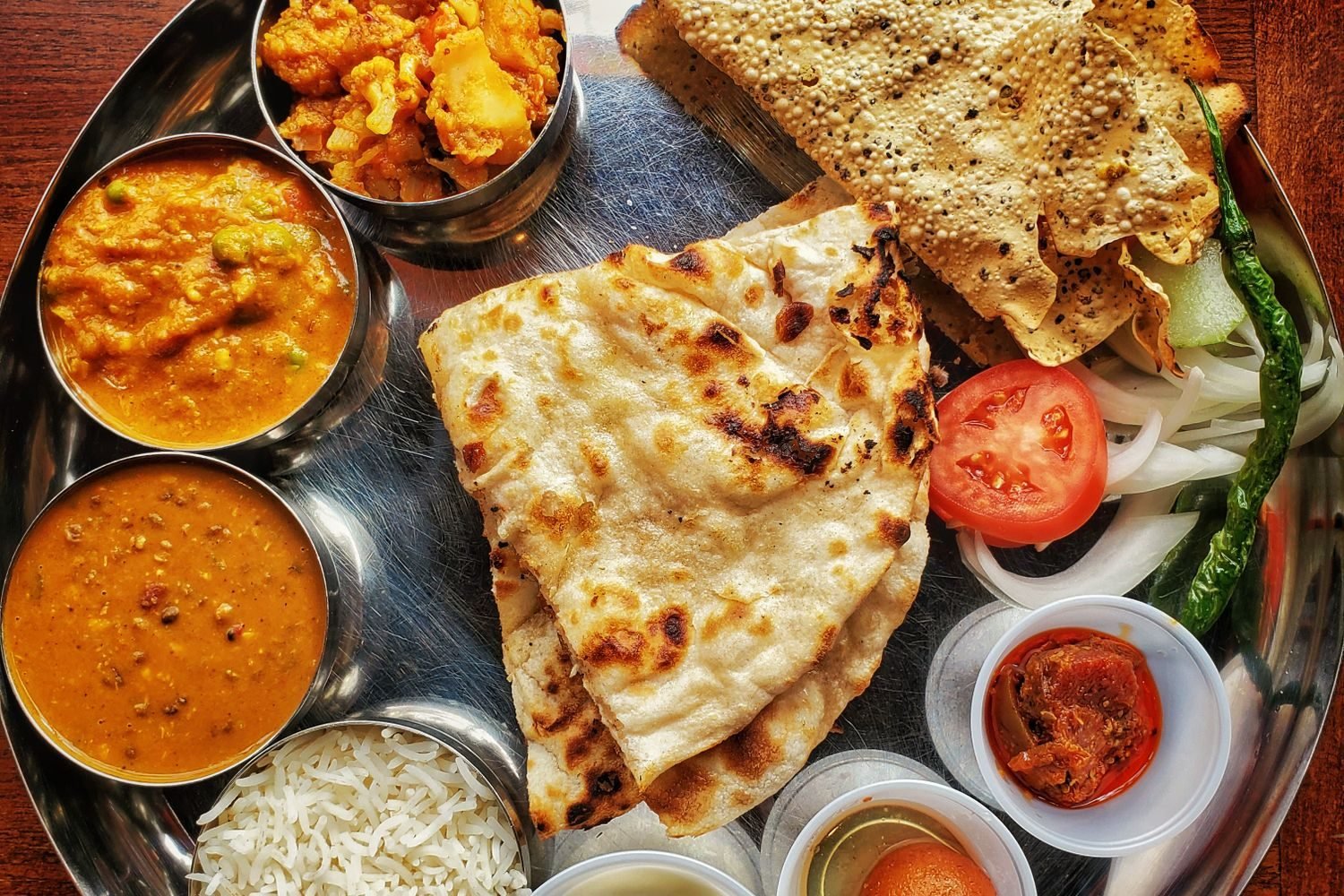
Vegetarian diets in India typically still include dairy — milk, curd, paneer, ghee — which supplies vitamin B12, calcium, and complete protein without much thought. Remove dairy and eggs, as a vegan diet does, and those nutrients no longer arrive as a side effect of normal eating; you have to source them deliberately. The Academy of Nutrition and Dietetics’ position paper on vegetarian diets states that appropriately planned vegan diets are nutritionally adequate. The operative word is “planned” — for most people that means learning five nutrient categories well enough to build habits around them, and in one case, B12, taking a supplement without exception.
Why is vitamin B12 the one nutrient every vegan must supplement?
Vitamin B12 is produced by bacteria, not plants or animals directly — animals accumulate it in their tissues through diet and gut flora, which is why meat, eggs, and dairy are reliable sources and plant foods are not. According to the NIH Office of Dietary Supplements, people who follow vegan diets might not get enough vitamin B12 because no plant food naturally and reliably contains it, and the agency explicitly recommends fortified foods or supplements for anyone eating a vegan diet. This isn’t a “try to eat more greens” nutrient — it requires a deliberate supplement or fortified-food habit, full stop.
- Recommended intake: the NIH sets 2.4 mcg/day for adults, rising to 2.6 mcg during pregnancy and 2.8 mcg during lactation.
- Practical sources in India: B12-fortified nutritional yeast, fortified plant milks (check the label — not all brands fortify), and fortified breakfast cereals.
- Supplement form: a standalone B12 tablet (cyanocobalamin or methylcobalamin), taken a few times weekly or daily at lower doses, is the standard approach.
- Deficiency signs: the NIH notes fatigue, weakness, tingling in hands and feet, balance problems, and memory issues — symptoms that can take years to appear since the body stores B12, which is part of why deficiency often goes unnoticed until advanced.
If you’re unsure which supplement dose or form suits your situation, an online nutritionist consultation can help you get a baseline blood test read correctly and pick a regimen you’ll actually stick to. For a broader look at fat- and water-soluble vitamins beyond B12, see our vitamin nutrition guide.
How do you get enough iron and zinc from plant foods alone?
Iron and zinc from plants (non-heme forms) are absorbed less efficiently than from meat, largely because of phytates — compounds in legumes, grains, nuts, and seeds that bind these minerals in the gut. Research on plant-based diets shows this can reduce zinc bioavailability to roughly 30–35% absorption in typical meals, and some researchers estimate vegetarian zinc needs may run up to 50% higher than the standard RDA as a result. The encouraging part: studies comparing long-term vegans to omnivores have found higher non-heme iron absorption efficiency in vegans, suggesting the gut adapts over time. Still, a few kitchen habits meaningfully help.
Iron and zinc: sources and absorption tips
- Iron sources: chickpeas, rajma, moong dal, leafy greens, jaggery, pumpkin seeds, and fortified cereals.
- Zinc sources: sesame seeds, cashews, chickpeas, lentils, pumpkin seeds, and whole grains.
- Boost iron absorption: pair iron-rich foods with vitamin C — a squeeze of lemon on dal, or amla, tomatoes, or citrus alongside a meal.
- Limit interference: tea and coffee contain tannins that block iron absorption; have them between meals instead.
- Reduce phytate load for both: soaking dals and rice, sprouting legumes (moong, matki), and fermenting batter (as with dosa or idli) all lower phytic acid and improve mineral availability. Cast-iron kadhais also add usable iron to acidic dishes like sambar.
For a deeper dive into absorption strategies and daily targets, see our dedicated zinc nutrition guide.
Can ALA from flaxseed actually replace fish-based omega-3s?
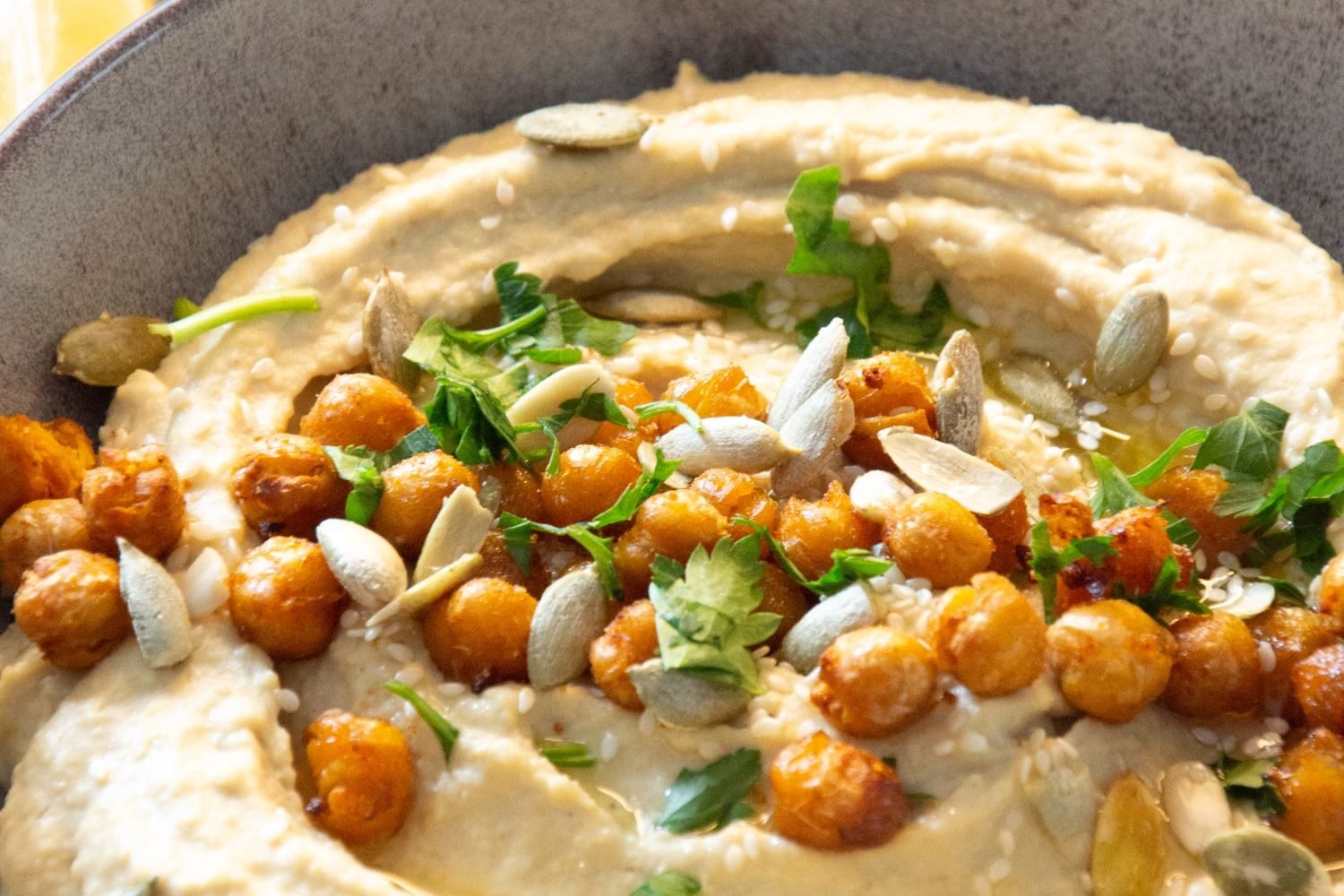
Not efficiently, and this is one of the more misunderstood gaps in vegan diets. Fish provide omega-3s directly as EPA and DHA, the forms your brain and cardiovascular system actually use. Plant sources like flaxseed, chia, and walnuts provide only ALA (alpha-linolenic acid), which the body must convert — and that conversion is inefficient. Research on conversion rates indicates roughly 5–10% of ALA converts to EPA, and often less than 1% converts to DHA, with one controlled study putting the figures at approximately 6% for EPA and 3.8% for DHA under favorable conditions. Conversion drops further with a diet high in omega-6 fats (common with heavy refined vegetable oil use) and improves somewhat with adequate zinc, iron, and B6 status.
- ALA sources: flaxseeds (ground, not whole), chia seeds, walnuts, and to a lesser extent soybean and canola oil — roughly 1–2 tablespoons of ground flax or chia daily is a common working target.
- The more reliable fix: algae-based DHA/EPA supplements exist because algae, not fish, is the original source of marine omega-3s — fish get it by eating algae. This makes algal oil the only direct, non-converted DHA/EPA source available on a vegan diet, and worth considering if cardiovascular or cognitive omega-3 status matters to you.
Read more in our omega-3 nutrition breakdown.
Where does calcium come from without dairy?
Dairy is the default calcium source in most Indian diets, so removing milk, curd, and paneer takes out a major pillar. Research on plant-based calcium intake has found that vegan diets often fall short of the roughly 700 mg/day threshold used in some population studies — this needs conscious substitution, not just “eating healthy” in general. The reassuring part is that plant sources exist in genuine abundance, and fortified plant milks are formulated to match dairy fairly closely: their calcium content and absorbability is comparable to cow’s milk.
- Sources: sesame seeds and til, ragi (finger millet, a South Indian staple), tofu set with calcium sulfate, calcium-fortified plant milks, dried figs (anjeer), and greens like methi and drumstick leaves.
- A practical note: spinach is often cited as a calcium source, but its oxalates bind much of that calcium, making it less absorbable than ragi or sesame.
- RDA: adults generally need around 1,000 mg/day, rising after age 50.
For a full nutrient-by-nutrient calcium plan, see our calcium nutrition guide.
How do you get complete protein without meat, eggs, or dairy?
Complete protein means all nine essential amino acids in adequate amounts — the ones your body cannot synthesize and must get from food. Most single plant proteins run low in one or more of these (lentils in methionine, rice in lysine), which historically led to concern that vegans needed to carefully “combine” proteins at every meal. Current guidance from the Academy of Nutrition and Dietetics is more relaxed: eating a variety of plant protein sources across the day is sufficient for healthy adults — meal-by-meal combining isn’t necessary. Indian vegan eating patterns already do this naturally:
- Dal + rice or roti, rajma/chole + rice: classic combinations that pair legume and grain amino acid profiles well.
- Tofu, soy chunks (nutrela), and tempeh: soy is unusual among plant proteins in already being complete on its own.
- Quinoa: also a complete protein by itself, useful as a rice substitute for variety.
- Mixed dals (sambar, dal makhani with multiple lentils) naturally broaden the amino acid spread in a single dish.
For more on why amino acid variety matters and how much protein active adults actually need, see our guide to essential amino acids.
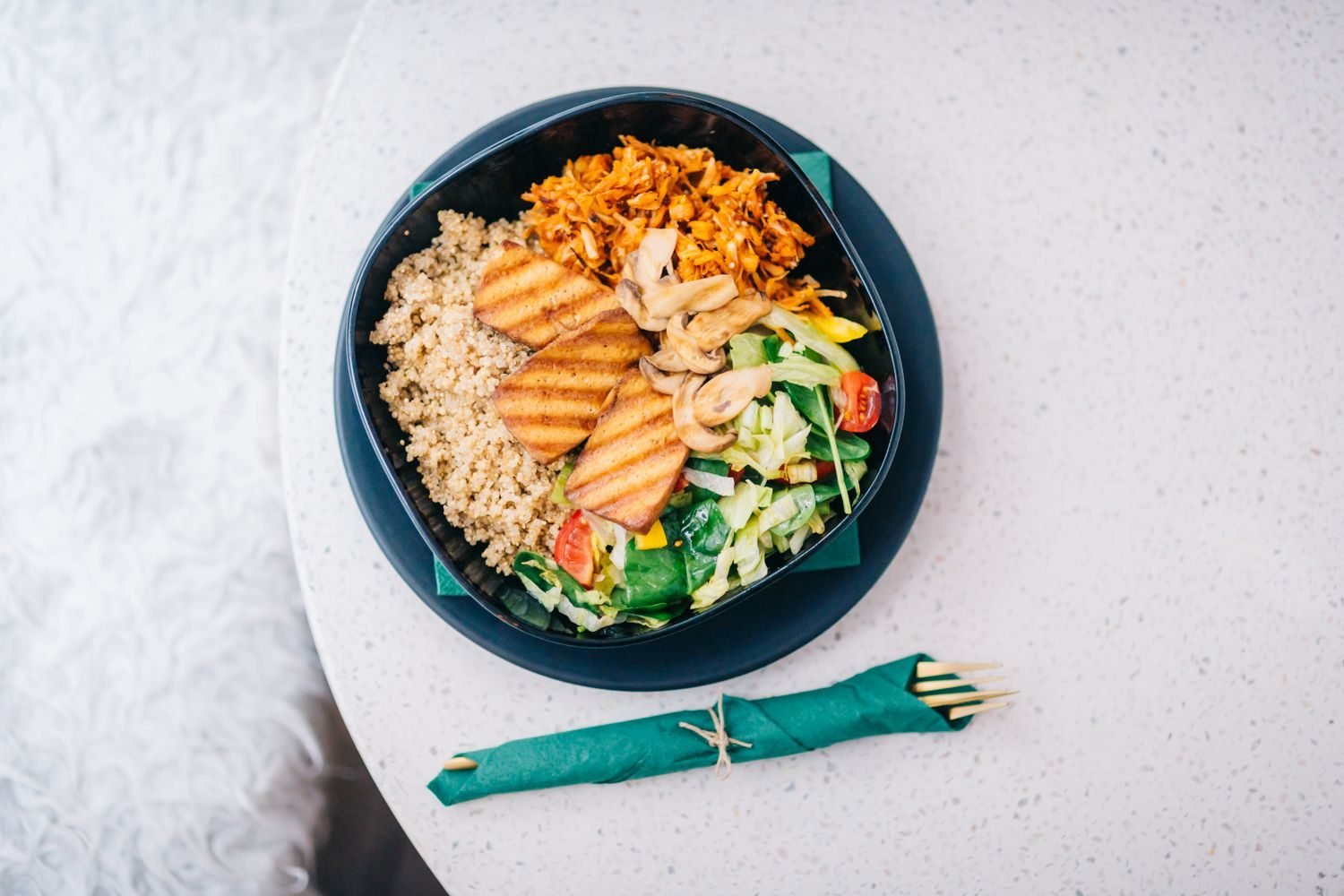
What does a practical day of vegan eating look like with these nutrients covered?
Theory is easier to apply with a concrete example. Here’s a sample day built around Indian staples that touches every nutrient above:
- Breakfast: ragi dosa with sambar — calcium from ragi, iron and protein from lentils, vitamin C from tomato aiding iron absorption.
- Mid-morning: soaked almonds and a fortified plant milk with added B12 and calcium.
- Lunch: rajma, brown rice, sautéed methi — complete protein pairing, calcium, iron.
- Snack: roasted chana with sesame-jaggery chikki — zinc, iron, calcium.
- Dinner: tofu bhurji with vegetables, one roti, flaxseed chutney — complete protein from tofu, ALA from flaxseed.
- Daily non-negotiable: a B12 supplement, taken consistently regardless of how the rest of the day shakes out.
Frequently Asked Questions
Do vegans really need a B12 supplement, or can fortified food be enough?
Fortified foods can work if you consistently eat enough of them, but few people track this reliably over years. A standalone supplement is simpler, cheaper, and removes the guesswork. The NIH Office of Dietary Supplements recommends fortified foods or supplements for all vegans — it doesn’t treat this as optional, given how serious untreated long-term deficiency can become.
Is a vegan diet automatically low in protein?
No — legumes, tofu, soy chunks, quinoa, and whole grains can meet protein needs when eaten in adequate variety and quantity across the day. The concern isn’t protein quantity for most people; it’s making sure amino acid variety is present, which typical Indian dal-plus-grain meals already achieve.
Can I get enough calcium from spinach and greens alone?
Not reliably — spinach contains oxalates that bind much of its calcium, reducing how much your body actually absorbs. Ragi, sesame seeds, calcium-set tofu, and fortified plant milk are more dependable sources, and combining a few of these daily is more effective than relying on one leafy green.
Should every vegan take an algae-oil omega-3 supplement?
It depends on your ALA intake and health goals. If you regularly eat flaxseed, chia, or walnuts, you’re getting some ALA, but conversion to DHA is naturally low — often under 1%. People focused on cardiovascular or cognitive health markers often choose an algal DHA/EPA supplement as the more direct option.
How long does it take to notice a nutrient deficiency after going vegan?
It varies widely by nutrient. B12 stores in the liver can last one to several years before symptoms appear, which is why deficiency often goes unnoticed for a long time. Iron and zinc status can shift within months depending on prior stores and dietary intake. Periodic blood work is the only reliable way to know where you stand.
Getting these five nutrients right isn’t about perfection at every meal — it’s a handful of consistent habits: a daily B12 supplement, pairing iron with vitamin C, soaking or sprouting legumes, choosing calcium-dense foods regularly, and eating varied plant proteins across the week. If you want a nutrient plan built around your specific labs and food preferences, an online nutritionist consultation can help you turn this into a plan that fits your kitchen.