There is no diet that “balances your hormones” the way a detox tea ad might suggest — hormone balance isn’t a single lab-measurable state you can eat your way into. But nutrition genuinely influences hormone function through real biochemistry: your body builds steroid hormones directly out of cholesterol and fatty acids, your liver needs fiber to properly clear used estrogen, your thyroid depends on specific trace minerals to activate its own hormones, and blood sugar stability affects insulin, cortisol, and the hormones downstream of both. None of this “cures” a diagnosed condition like PCOS, hypothyroidism, or perimenopause — those need medical evaluation and often medication. But eating in a way that leaves out protein, fat, fiber, or key minerals works against your endocrine system’s basic raw materials, and that’s worth fixing regardless of what your labs say.
What does “hormone balancing diet” actually mean, scientifically?
Honestly, less than the marketing implies. “Hormone balance” isn’t a diagnosis or a measurable lab value — you can’t order a blood panel that tells you if your hormones are “balanced.” Hormones fluctuate by design: cortisol rises in the morning and falls at night, insulin spikes after meals and drops between them, estrogen and progesterone shift across the menstrual cycle. That movement is normal physiology, not dysfunction.
What nutrition science actually supports is narrower: specific nutrients are required inputs for hormone synthesis, transport, and clearance. Cut those inputs and hormone production can genuinely suffer. Add them back and you’re supporting normal function, not “balancing” anything in a mystical sense. If you suspect an actual imbalance (irregular cycles, unexplained weight change, fatigue, hair loss), read about the signs of hormonal imbalance in women and get bloodwork rather than assuming a food swap will fix it.
Why do protein and fat matter for hormone production?
This one is straightforward biochemistry, not wellness-blog speculation. Steroid hormones — estrogen, progesterone, testosterone, cortisol — are synthesized from cholesterol. The first, rate-limiting step in making any of them is delivering cholesterol to an enzyme called CYP11A1 inside the mitochondria, which converts it into pregnenolone, the precursor molecule the others are built from. Adipose (fat) tissue itself is also an active site of steroid conversion, not just passive storage.
That means chronically very-low-fat diets can blunt hormone production, which is well documented in research on athletes and dieters with low energy availability — insufficient fat and overall calories are linked to menstrual irregularities and suppressed reproductive hormone output. You don’t need to overload on saturated fat; a working amount of dietary fat from olive oil, nuts, seeds, avocado, and fatty fish is enough for your body’s own cholesterol-and-hormone machinery to function.
Protein matters through a different route: peptide hormones like insulin, growth hormone, and thyroid-stimulating hormone are built from amino acid chains, and protein supplies building blocks for the enzymes that convert hormones between active and inactive forms. Consistently under-eating protein is linked to disrupted signaling in these systems. Practically, this argues for a plate that includes a real protein source and a real fat source at most meals, not restriction of either.

Can fiber really help your body process estrogen?
This is one of the more genuinely evidence-backed claims in the “hormone diet” space, though it’s more nuanced than most headlines suggest. Here’s the mechanism: after estrogen does its job, the liver deactivates it and sends it to the intestines for excretion in stool. But certain gut bacteria produce an enzyme called beta-glucuronidase that can “reactivate” that estrogen, letting it be reabsorbed back into circulation instead of leaving the body.
Dietary fiber plays two roles here: it physically binds some circulating estrogen in the gut and helps carry it out in stool, and it shapes the gut microbiome in ways that can reduce beta-glucuronidase activity, favoring excretion over reabsorption. A study in postmenopausal women found meaningfully lower levels of certain estrogen metabolites (roughly 17-22% lower) with higher fiber intake. That said, the picture isn’t unanimous — some studies in premenopausal women found no clear association between fiber or fat intake and urinary estrogen metabolite patterns, and researchers are still working out how much this pathway matters for hormone-related health outcomes like breast cancer risk.
The practical takeaway isn’t “eat fiber to detox your hormones” — that framing overpromises. It’s that fiber (aim for the commonly cited 25-30 grams a day from vegetables, legumes, fruit, and whole grains) supports a digestive and microbial environment more likely to clear used hormones efficiently, on top of fiber’s well-established benefits for blood sugar and cholesterol.
How does blood sugar stability affect insulin and other hormones?
This is where the evidence connects most directly to how you feel day to day. Insulin doesn’t work in isolation — it interacts with cortisol in a two-way loop. Research shows cortisol acts as an insulin antagonist: it raises blood glucose by increasing glucose production in the liver, while sustained high cortisol can reduce insulin secretion over time. Frequent big blood sugar swings put repeated stress on this system.
Over time, chronically elevated insulin (insulin resistance) is a central driver in conditions like PCOS, where high insulin pushes the ovaries to produce more androgens. You can’t reverse a diagnosed insulin resistance condition with diet alone, but avoiding constant blood sugar spikes — pairing carbohydrates with protein, fat, or fiber, and understanding glycemic index and glycemic load — reduces the frequency and severity of these insulin-cortisol swings. This connects to sleep and stress too: poor sleep raises next-day insulin resistance, and chronic stress keeps cortisol elevated — see how sleep affects weight loss and how stress affects your diet and weight.
What does stable blood sugar eating actually look like?
- Include protein or fat with carbohydrate-containing meals and snacks instead of eating carbs alone
- Favor minimally processed, higher-fiber carbohydrate sources (oats, legumes, whole fruit) over refined ones most of the time
- Eat at reasonably regular intervals rather than skipping meals and then eating a very large one
- Limit liquid sugar (soda, juice, sweetened coffee drinks), which spikes blood glucose faster than solid food
Which micronutrients matter most for thyroid function?
Two minerals have real research behind them: zinc and selenium. Both are required components of thyroid hormone synthesis, conversion, and receptor signaling, not just generically “good for you.” Selenium is a cofactor for the deiodinase enzymes that convert inactive T4 into active T3, and zinc is necessary for T3 and T4 to function properly at the cellular level.
The intake research is genuinely encouraging: a 12-week randomized controlled trial in obese women with hypothyroidism found zinc or combined zinc-selenium supplementation significantly improved thyroid hormone measures — free T4 rose by about 12.4% in the combined group, and the free T3-to-T4 ratio improved by nearly 24% in the zinc-only group. Separately, population data has linked low zinc intake to higher hypothyroidism risk, and selenium research in Graves’ orbitopathy (a thyroid autoimmune eye complication) has shown measurable symptom improvement with supplementation.
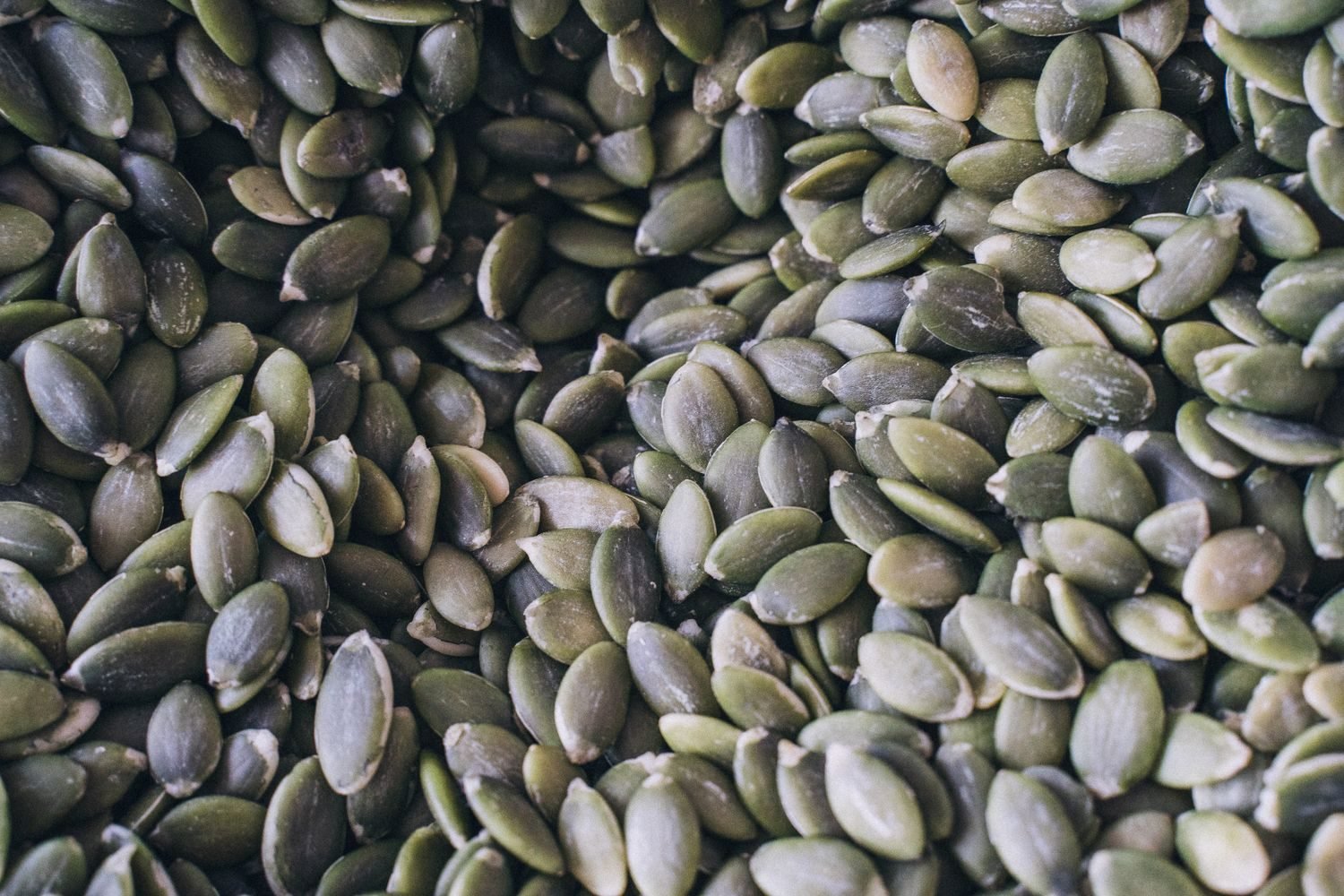
Food sources make this easy to cover without supplements in most cases: oysters, beef, and pumpkin seeds for zinc; Brazil nuts (just 1-2 can exceed your daily selenium need), sardines, and eggs for selenium. Iodine deserves a mention too — it’s the literal building block of thyroid hormone molecules, found in iodized salt, dairy, and seafood, though both too little and too much can disrupt thyroid function.
Can diet actually manage PCOS, thyroid disorders, or menopause symptoms?
Diet can meaningfully support these conditions, but it does not replace medical treatment, and claiming otherwise crosses into the kind of overselling this article is deliberately avoiding.
For PCOS, the International Evidence-based Guideline for the Assessment and Management of Polycystic Ovary Syndrome names lifestyle modification — including dietary change — as first-line management, largely because improving insulin sensitivity can help lower androgen levels and support more regular cycles. A lower glycemic index pattern, adequate protein, and weight management (where relevant) have the most consistent evidence. But PCOS is diagnosed and monitored through bloodwork and ultrasound, and many women need medication like metformin or hormonal birth control alongside diet — food changes alone aren’t a cure.
For thyroid disorders, correcting a genuine zinc, selenium, or iodine deficiency can help thyroid hormone production run properly, but conditions like Hashimoto’s or Graves’ disease are autoimmune and typically require ongoing medical management, often including medication such as levothyroxine. For menopause, no eating pattern stops the ovarian estrogen decline that defines the transition — that’s normal biology, not a deficiency to fix. Diet can support bone density, cardiovascular health, and blood sugar stability through the transition, but it won’t prevent or reverse menopause itself. If you have symptoms suggesting any of these conditions, the right first step is a doctor visit and bloodwork, not a new supplement stack.
What should a realistic, evidence-based eating pattern for hormone health look like?
Pulling this together, a few themes hold up under scrutiny:
- Don’t under-eat fat or protein. Both supply raw materials for hormone synthesis — chronic restriction of either is linked to disrupted hormone production, not improved balance.
- Get consistent fiber. Around 25-30 grams daily supports estrogen clearance pathways and gut health broadly, even though research on downstream outcomes is still developing.
- Stabilize blood sugar. Pairing carbohydrates with protein or fat, and avoiding large swings, reduces the insulin-cortisol stress cycle.
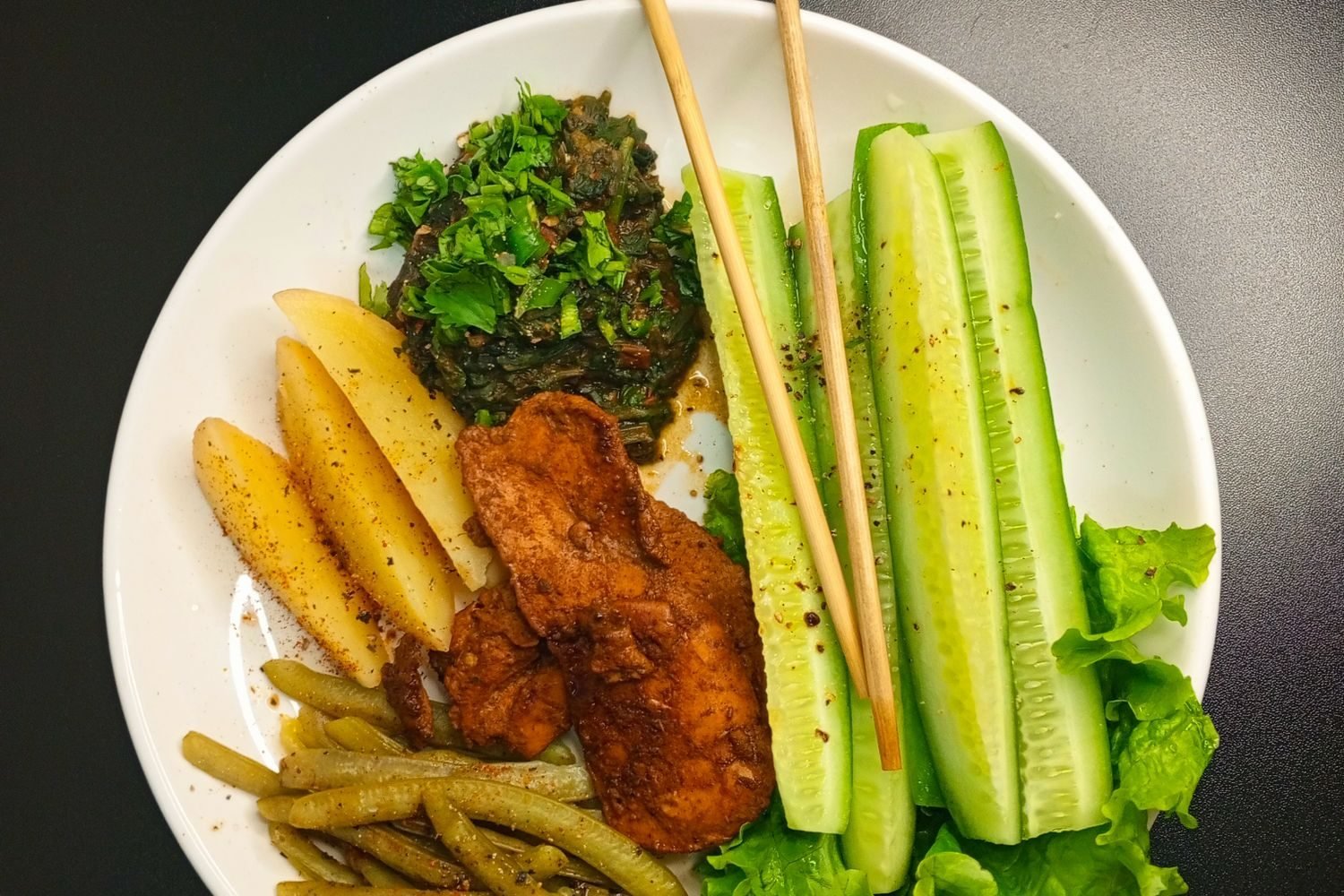
- Cover zinc, selenium, and iodine. A varied diet with seafood, nuts, seeds, eggs, and iodized salt generally meets these needs without supplementation.
- Treat this as general support, not a targeted fix. These habits overlap heavily with general nutrition for weight loss and metabolic health — there’s no separate secret “hormone diet” beyond eating well consistently.
What doesn’t hold up: cutting out entire food groups to “detox” hormones, extreme low-carb or low-fat approaches marketed as hormone fixes, and any product claiming to “balance” your hormones without a clinician ever looking at your bloodwork.
FAQ
Is there a specific “hormone balancing diet” I should follow?
Not a single named diet — that framing oversimplifies real physiology. What’s evidence-based is a pattern: adequate protein and fat, consistent fiber, stable blood sugar, and enough zinc, selenium, and iodine. This overlaps almost entirely with general healthy eating rather than a distinct protocol.
Can cutting carbs completely improve my hormones?
No — very low-carb diets can stress the system, especially for women, sometimes disrupting menstrual cycles and thyroid hormone conversion. The goal is stable blood sugar through balanced meals, not carb elimination. Extremely restrictive approaches often backfire on hormone-related energy availability.
Do I need supplements for zinc and selenium, or can food cover it?
Most people can meet these needs through food — oysters, beef, pumpkin seeds for zinc; Brazil nuts, sardines, eggs for selenium. Selenium is easy to over-supplement, since a couple of Brazil nuts a day can meet your requirement. Talk to a doctor before supplementing, especially with existing thyroid disease.
Will this kind of diet fix my irregular periods?
It might help if blood sugar swings or under-eating are contributing factors, but irregular periods have many causes — PCOS, thyroid disorders, stress, low energy availability, perimenopause. Diet changes are worth trying alongside, not instead of, a doctor’s evaluation if irregularity persists.
How long before dietary changes affect hormone-related symptoms?
It varies by what’s driving the symptoms. Blood sugar stability can improve within days to weeks. Micronutrient repletion, like correcting a zinc or selenium deficiency, often takes 8-12 weeks to show up in thyroid markers, based on supplementation trial timelines. Diagnosed conditions may need much longer, combined with medical treatment.
None of this replaces individualized care. If you want help building an eating pattern that actually fits your body, routine, and any diagnosed conditions, an online nutritionist consultation can help you sort evidence from marketing — and if you have a diagnosed hormonal condition like PCOS, a thyroid disorder, or you’re navigating menopause, pair that nutrition support with your doctor’s guidance rather than treating diet as a substitute for medical care.