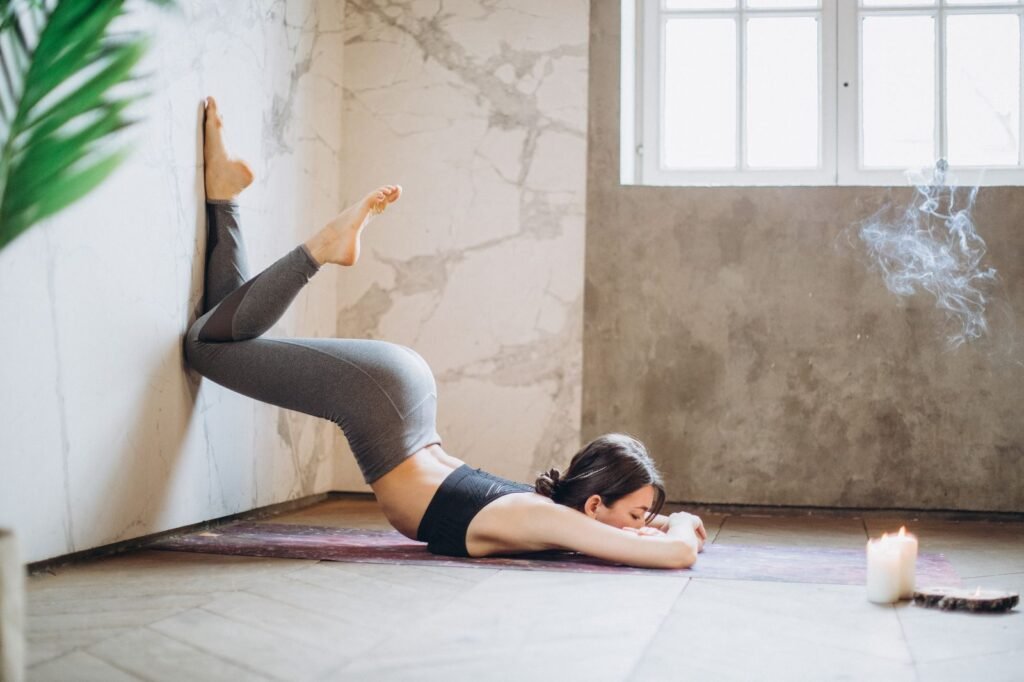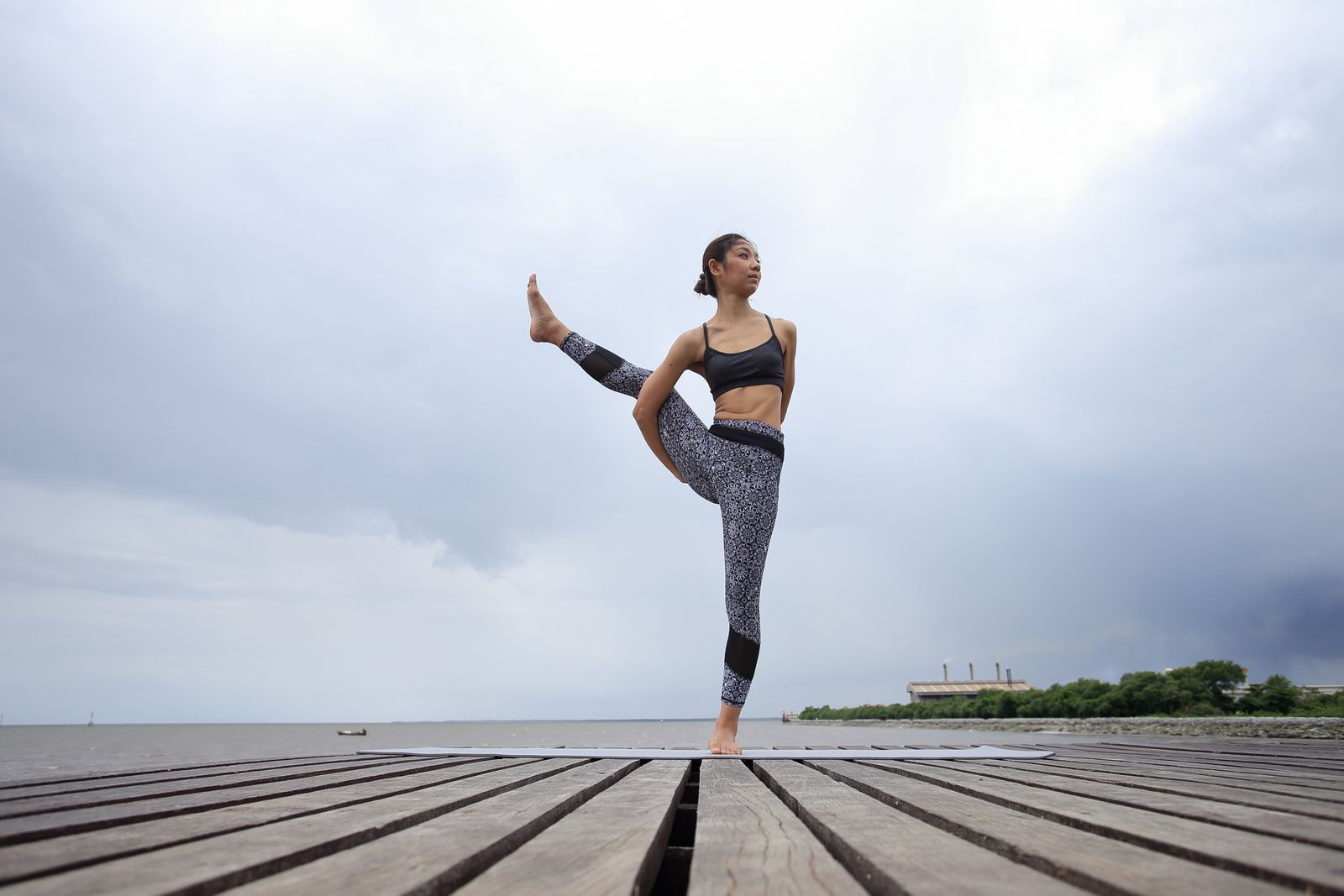
Eka pada is a Sanskrit term meaning “one leg” or “one foot,” used as a prefix across dozens of yoga poses that isolate a single leg while the other extends, lifts, or folds away from the body. You will see it attached to standing balances like Eka Pada Rajakapotasana (One-Legged King Pigeon Pose), arm balances like Eka Pada Koundinyasana, and even backbends like Eka Pada Setu Bandhasana. The word itself is not one pose but a naming convention: “eka” (one) plus “pada” (leg/foot) tells you that the asana asks one leg to do something different from the other. Practicing eka pada variations builds single-leg strength, hip mobility, and the kind of focused balance that carries over into everyday movement.
What Does “Eka Pada” Actually Mean?
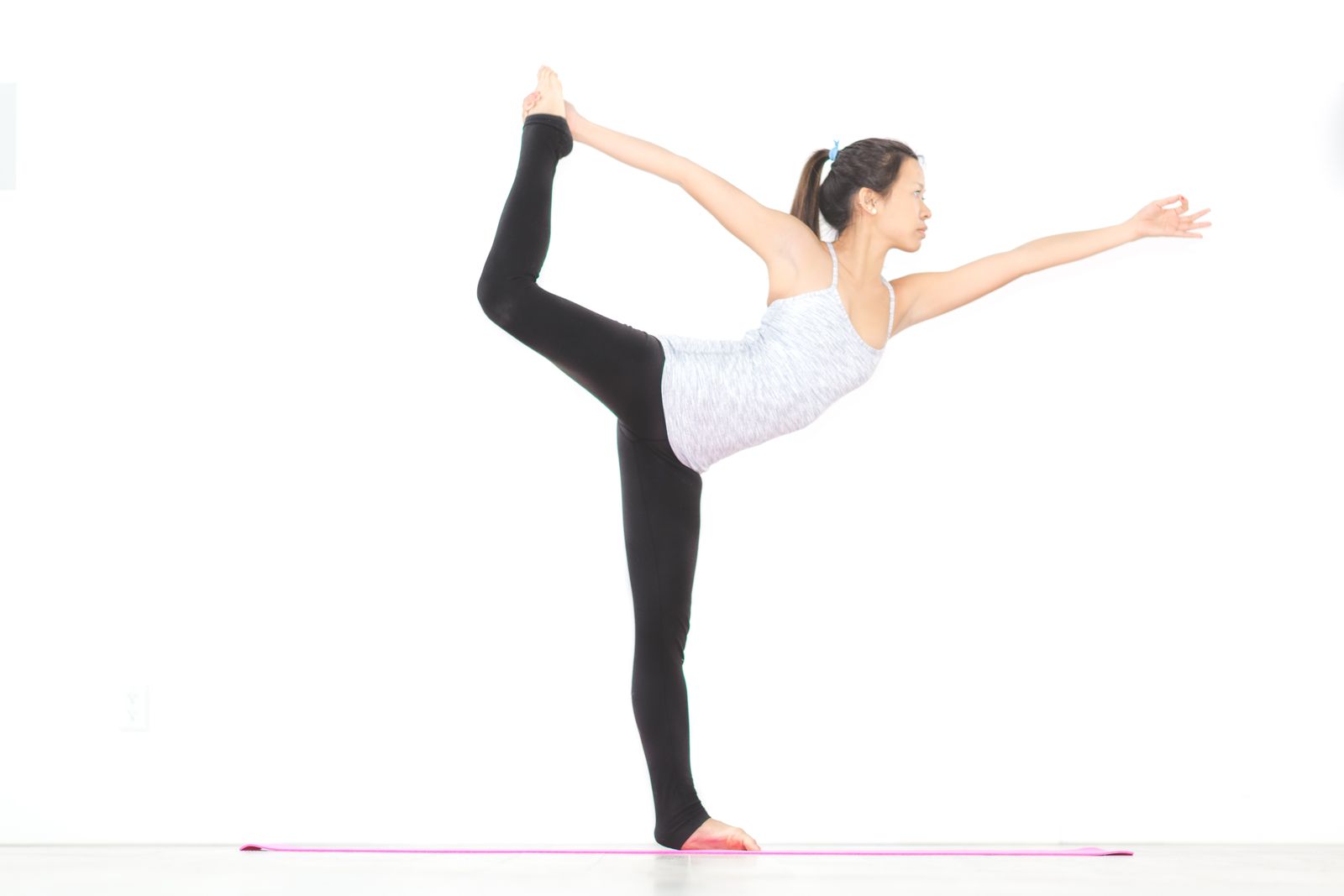
In Sanskrit, “eka” translates directly to the number “one,” and “pada” refers to the foot or leg (it can also mean “quarter” or “step” in other yogic and grammatical contexts). Together, eka pada functions as a modifier rather than a standalone pose name. When you see it in a Sanskrit asana title, it signals that the posture is a one-legged variation of a base shape. For example, Dhanurasana is Bow Pose using both legs, while Eka Pada Dhanurasana uses only one leg lifted, with the other leg and arm doing separate work. This naming logic is consistent throughout the Hatha yoga tradition, so recognizing “eka pada” helps you understand the structure of a pose before you even see a demonstration.
Which Poses Use the Eka Pada Prefix?
Because eka pada is a modifier, it appears across nearly every category of asana. Some of the most commonly practiced eka pada poses include:
- Eka Pada Rajakapotasana (One-Legged King Pigeon Pose) – a deep hip-opening backbend
- Eka Pada Koundinyasana I and II – arm balances with one leg extended forward or to the side
- Eka Pada Sirsasana – a headstand variation with one leg lowered toward the floor
- Eka Pada Galavasana (Flying Pigeon Pose) – an arm balance combining a hip opener with core strength
- Eka Pada Adho Mukha Svanasana – One-Legged Downward Dog, a common transition in surya namaskar flows
- Eka Pada Setu Bandha Sarvangasana – One-Legged Bridge Pose, adding a balance challenge to a supported backbend
Each variation borrows its base shape from a two-legged pose, then removes the support of one leg to demand more from balance, core stability, and hip flexibility.
How Do You Practice Eka Padasana, the Standing One-Leg Pose?
Eka Padasana, sometimes simply called the “one-legged pose” or referred to as a standing splits or standing balance pose depending on the school of yoga, is a foundational way to explore the eka pada principle before moving into more advanced variations. Here is a basic step-by-step approach:
- Start standing tall in tadasana with your feet hip-width apart and weight distributed evenly.
- Shift your weight fully onto your right foot, pressing all four corners of that foot into the mat.
- Bend forward from the hips while keeping your spine long, extending your arms forward or interlacing your fingers overhead.
- Lift your left leg straight back, aiming to bring your torso, arms, and lifted leg into one long horizontal line.
- Hold for 20 to 30 seconds, breathing steadily, then lower the leg with control and return to standing.
- Repeat on the other side for an equal number of breaths.
Beginners often keep the lifted leg lower than horizontal and use a wall or chair for support until the standing leg and core develop enough strength to hold the shape unassisted.
What Muscles Does Eka Pada Work?
One-legged poses recruit a distinct set of muscles compared to two-legged standing postures. The standing leg’s ankle stabilizers, quadriceps, and gluteus medius work continuously to prevent wobbling, while the core (particularly the obliques and transverse abdominis) contracts to keep the pelvis level. In poses like Eka Pada Rajakapotasana, the hip flexors of the extended leg lengthen while the glutes of the bent leg deepen into external rotation. Arm-balance variations such as Eka Pada Koundinyasana add shoulder stabilizers and wrist extensors into the mix. Because the muscular demand shifts between poses, practicing several eka pada variations across a week trains balance, hip mobility, and strength in a way that mirrored, symmetrical poses cannot replicate alone.
What Are the Benefits of Practicing Eka Pada Poses?
Single-leg postures offer benefits that go beyond a stronger-looking standing balance. Regular practice of eka pada variations is commonly associated with:
- Improved proprioception – the body’s sense of where it is in space, which tends to decline with age and inactivity
- Stronger stabilizer muscles around the ankle, knee, and hip that support everyday movements like walking on uneven ground
- Greater hip mobility, particularly in poses that combine a lifted leg with external or internal rotation
- Sharper mental focus, since holding a one-legged pose requires sustained attention to breath and alignment
- Better postural symmetry, as practicing each side individually reveals and helps correct strength imbalances between your left and right leg
These effects build gradually with consistent practice rather than appearing after a single session, so eka pada poses are best treated as a long-term addition to a balanced yoga poses routine rather than a quick fix.
How Is Eka Pada Different From Standard Balancing Poses?
Most beginner balance poses, such as vrksasana (Tree Pose), keep the lifted leg folded in close to the standing leg, which reduces the lever arm and makes balance more manageable. Eka pada poses typically extend the free leg away from the body, either straight back, forward, or to the side, which increases the torque acting on the standing leg and core. This is why eka pada variations are usually introduced after a student has built confidence in simpler one-legged shapes. The extended lever also means small errors in alignment are amplified, so eka pada poses double as excellent alignment feedback tools even for experienced practitioners.
How Do You Modify Eka Pada Poses for Beginners?
Because balance takes time to develop, modifying eka pada poses is normal and expected, not a sign of failure. This is especially true if you’re new to yoga overall, so reviewing the basics of types of yoga and how styles differ in pacing and intensity can help you choose the right class before adding advanced balance work. Common modifications include:
- Practicing near a wall so the extended leg or a hand can make light contact for stability
- Using a yoga chair or block under the standing hand in forward-leaning variations
- Keeping the lifted leg bent rather than fully extended until hamstring flexibility improves
- Holding the pose for shorter counts (5 to 10 breaths) and building up gradually over several weeks
- Practicing the pose lying down first, such as a supine one-legged stretch, to build flexibility before adding the balance component
A qualified instructor can also offer hands-on adjustments, which is one reason many practitioners find guided classes more effective than learning solely from videos when tackling new one-legged shapes.
What Common Mistakes Should You Avoid in Eka Pada Poses?
Several recurring errors show up when students first attempt eka pada variations. Watch for these:
- Locking the standing knee – this reduces stability and can strain the joint over time; keep a micro-bend instead
- Rushing the transition – lifting the leg too quickly before the standing leg is grounded often causes wobbling or falling out of the pose
- Rounding the spine to force the lifted leg higher, which compromises the low back instead of building genuine hip flexibility
- Holding the breath – balance poses often trigger breath-holding under concentration, which actually reduces stability by tensing the core unnecessarily
- Comparing the two sides – it is common and normal for one leg to balance more easily than the other; consistent practice narrows this gap over time
Who Should Be Cautious With Eka Pada Poses?
Eka pada variations place concentrated load on the standing ankle, knee, and hip, so a few groups should approach them carefully. If you have a recent ankle sprain, knee instability, or hip impingement, work with a teacher to choose a supported variation or substitute a gentler balance pose. People with uncontrolled high blood pressure or inner-ear balance disorders (such as vertigo) may also want to practice near a wall or avoid holding the pose for long counts. As with any new physical practice, it is sensible to check with a healthcare provider before starting if you have an existing joint condition or a diagnosed balance disorder. For a broader look at safety considerations across styles, see our guide on yoga safety tips.
How Does Eka Pada Fit Into a Broader Yoga Practice?
Eka pada poses rarely stand alone in a well-rounded practice. They frequently appear as transitional shapes within a vinyasa yoga sequence, where One-Legged Downward Dog bridges into a lunge or a standing balance. In a slower hatha yoga class, eka pada poses are often held longer to build strength and study alignment in detail. They also complement seated hip-openers and twists, since the deep hip rotation required by poses like Eka Pada Rajakapotasana pairs naturally with preparatory stretches earlier in a session. Building a sequence that moves from simple standing poses into eka pada variations, and finishing with seated or restorative shapes, creates a balanced arc for the whole practice.
How Often Should You Practice Eka Pada Poses?
Balance is a skill that responds well to short, frequent practice rather than occasional long sessions. Three to four sessions per week, spending just five to ten minutes on one or two eka pada variations per side, tends to produce noticeable improvement in stability within a few weeks. Because these poses are physically demanding on the standing leg, it is reasonable to alternate which variations you practice so the same muscles are not maximally loaded every single day. Pairing eka pada work with general mobility practice, such as surya namaskar (Sun Salutations) as a warm-up, helps prepare the hips and hamstrings before attempting deeper one-legged shapes. Complementary hip-opening poses, like pigeon pose and butterfly pose, can also be woven into your weekly routine to build the flexibility that deeper eka pada variations require.
Questions People Ask About Eka Pada
Is eka pada a single pose or a category of poses?
Eka pada is not one specific pose. It is a Sanskrit modifier meaning “one leg,” attached to the names of many different asanas to indicate that only one leg performs the main action while the other extends, lifts, or folds differently. Examples include Eka Pada Rajakapotasana, Eka Pada Koundinyasana, and Eka Pada Sirsasana.
What is the easiest eka pada pose for beginners?
Eka Padasana, the standing one-legged pose, and One-Legged Downward Dog (a variation practiced within a vinyasa flow) are generally considered accessible starting points. Both allow the free leg to stay relatively low and close to the body, which reduces the balance challenge compared to deeper backbend or arm-balance variations.
Can eka pada poses help with balance problems?
Consistent practice of one-legged poses is commonly associated with improved proprioception and ankle, knee, and hip stability, which can support everyday balance. However, anyone with a diagnosed balance disorder or inner-ear condition should consult a healthcare provider before relying on yoga practice as a treatment approach.
Do you need to be flexible to try eka pada poses?
Not necessarily. Many eka pada variations, like the standing one-legged pose, rely more heavily on balance and core strength than extreme flexibility. Deeper variations, such as Eka Pada Rajakapotasana, do require more hip flexibility, but modifications with props allow practitioners at any flexibility level to work toward the full expression safely.
Why do some eka pada poses feel harder on one side?
It’s normal for the body to have a dominant side with better balance, strength, or flexibility. Eka pada poses make this asymmetry obvious because each leg is tested individually. Practicing both sides regularly, rather than favoring the easier side, gradually narrows the gap between the two.
Try This for Yourself
Reading about eka pada poses only goes so far. The fastest way to build real balance, strength, and confidence in these one-legged shapes is with live guidance that can correct your alignment in real time. Join a FitStrot online yoga class and work through eka pada variations at a pace that matches your current flexibility and balance level, with an instructor watching your form every step of the way.
Related reading: Explore more foundational postures in our yoga poses guide, learn the flowing sequence behind surya namaskar, build a stable foundation with tadasana, and strengthen your single-leg balance with vrksasana. When you’re ready to practice with live instruction, sign up for FitStrot’s online yoga classes.