A moderately active man in his 20s to 50s generally needs somewhere between 2,200 and 3,000 calories a day, about 0.8 to 1.6 grams of protein per kilogram of body weight, 11 mg of zinc, and 400-420 mg of magnesium — with the exact numbers shifting based on age, weight, and how much you train. There’s no single “right” number for every man, but there is a reliable range, and knowing where you fall in it is the difference between guessing and actually eating with a purpose.
Most men either overestimate what they need and get frustrated with slow progress, or underestimate it and end up tired and undertrained. This guide breaks down the daily nutrition requirement for male bodies by age and activity level, with a reference table plus the micronutrients — zinc and magnesium especially — that quietly affect energy, hormones, and recovery.
How many calories does a man actually need per day?
According to the Dietary Guidelines for Americans 2020-2025, jointly published by the USDA and HHS, calorie needs for men range from roughly 2,000 to 3,000+ calories a day depending on age and activity level. A sedentary man in his 20s needs around 2,400 calories, while an active man in the same age group may need up to 3,000. By his 50s, a sedentary man’s needs drop to around 2,200 calories, and by 60+, sedentary needs settle closer to 2,000 calories a day.
The ICMR-National Institute of Nutrition (ICMR-NIN) 2020 guidelines, India’s official reference dietary standard, show a similar pattern with numbers calibrated to Indian body weights. For an adult man weighing around 65 kg, recommended intake is 2,110 kcal/day for sedentary work, 2,710 kcal/day for moderate work, and 3,470 kcal/day for heavy physical work — lower than the previous 2010 ICMR figures, because updated research found Indian populations tend to have a somewhat lower basal metabolic rate than the Western datasets used in earlier global equations.
The takeaway: your calorie need isn’t a fixed number, it’s a moving target set by three things — your age (metabolism slows gradually after your 20s), your body weight, and how physically demanding your day actually is, not just your workouts. For a deeper breakdown of how these needs apply specifically to men across life stages, see this guide on male nutrition.
What is the daily nutrition requirement for a male by age and activity level?
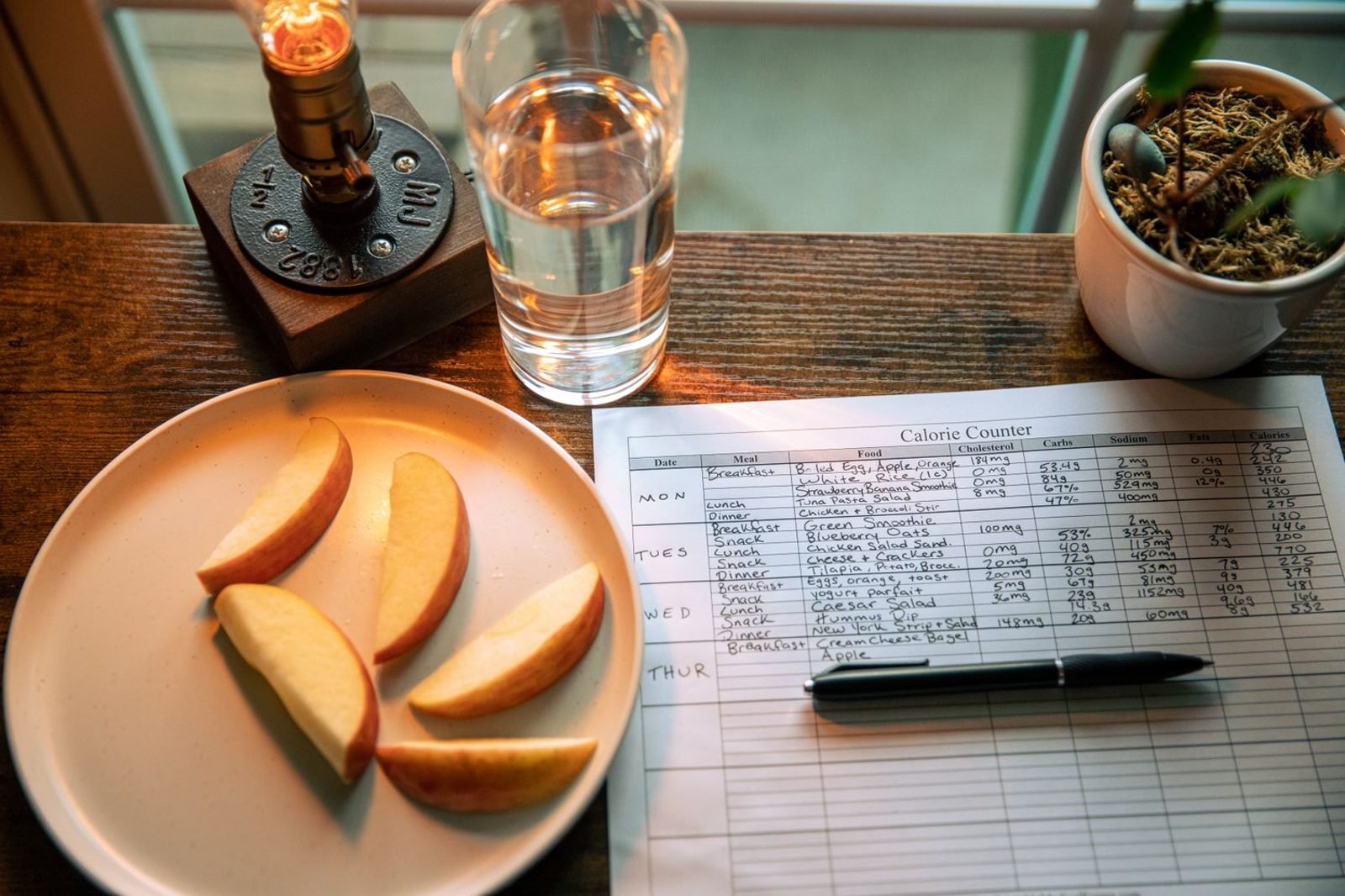
Use this table as a starting reference point, not a rigid prescription. Body weight, muscle mass, and metabolic health all shift the exact number within the range.
| Age group | Activity level | Calories/day (approx.) | Protein (g/day) | Zinc (mg/day) | Magnesium (mg/day) |
|---|---|---|---|---|---|
| 19-30 years | Sedentary | 2,400 | 56-70 | 11 | 400 |
| 19-30 years | Moderately active | 2,600-2,800 | 70-100 | 11 | 400 |
| 19-30 years | Active / training | 2,800-3,000 | 100-140 | 11 | 400 |
| 31-50 years | Sedentary | 2,200 | 56-70 | 11 | 420 |
| 31-50 years | Moderately active | 2,400-2,600 | 70-95 | 11 | 420 |
| 31-50 years | Active / training | 2,800 | 95-135 | 11 | 420 |
| 51+ years | Sedentary | 2,000 | 56-70 | 11 | 420 |
| 51+ years | Moderately active | 2,200-2,400 | 70-95 | 11 | 420 |
| 51+ years | Active / training | 2,400-2,600 | 90-120 | 11 | 420 |
Calorie figures are drawn from the USDA/HHS Dietary Guidelines for Americans 2020-2025. Zinc and magnesium figures reflect the NIH Office of Dietary Supplements RDAs for adult men. Protein ranges span the baseline RDA (0.8 g/kg body weight) up to the higher intakes commonly recommended for strength-trained individuals, discussed below. Note that the ICMR-NIN 2020 guidelines for India set a slightly different baseline — 2,110 kcal (sedentary), 2,710 kcal (moderate), and 3,470 kcal (heavy work) for a reference 65 kg man, with a zinc RDA of 17 mg and magnesium RDA of 440 mg — so if you’re referencing Indian dietary standards specifically, those are the numbers to use instead.
How much protein does a man need per day?
The baseline RDA for protein is 0.8 grams per kilogram of body weight per day for a generally healthy, sedentary adult — about 56 grams for a 70 kg man. But this number was designed to prevent deficiency, not to optimize muscle maintenance or body composition, which is worth knowing before you assume the RDA is the ceiling.
For men who train regularly, protein needs run meaningfully higher. A commonly cited range for resistance training or endurance sport is 1.2 to 2.0 g/kg/day, with some research on muscle-building phases pushing closer to 1.6-2.2 g/kg. In practical terms, a 75 kg man lifting weights three to five times a week is often better served by 120-165 grams of protein a day than by the bare-minimum 60 grams the RDA implies.
The ICMR-NIN 2020 guidelines set India’s RDA at 0.83 g/kg/day for a mixed diet, with a footnote that men eating a predominantly cereal-based diet — common across much of India — may need closer to 1 g/kg/day, since plant proteins from grains alone don’t always deliver the full range of essential amino acids as efficiently as diets combining cereals, legumes, and dairy. This is one reason nutrition guidance increasingly emphasizes protein quality and combination, not just total grams. For a full breakdown of protein sources and timing, see this guide on protein and nutrition, and if you train for performance or sport, this piece on sports nutrition goes deeper on timing around workouts.
What counts toward your daily protein target?
- Animal sources: eggs, chicken, fish, dairy, and lean meat — generally complete proteins with all essential amino acids.
- Plant sources: lentils, chickpeas, tofu, paneer, and soy — effective when combined with grains across the day to cover amino acid gaps.
- Dairy: milk, curd, and paneer are a practical, affordable way to add both protein and calcium to an Indian diet.
- Supplements: whey or plant protein powders are a convenience tool, not a requirement — useful if you’re consistently falling short through food alone.
Why do zinc and magnesium matter specifically for men?
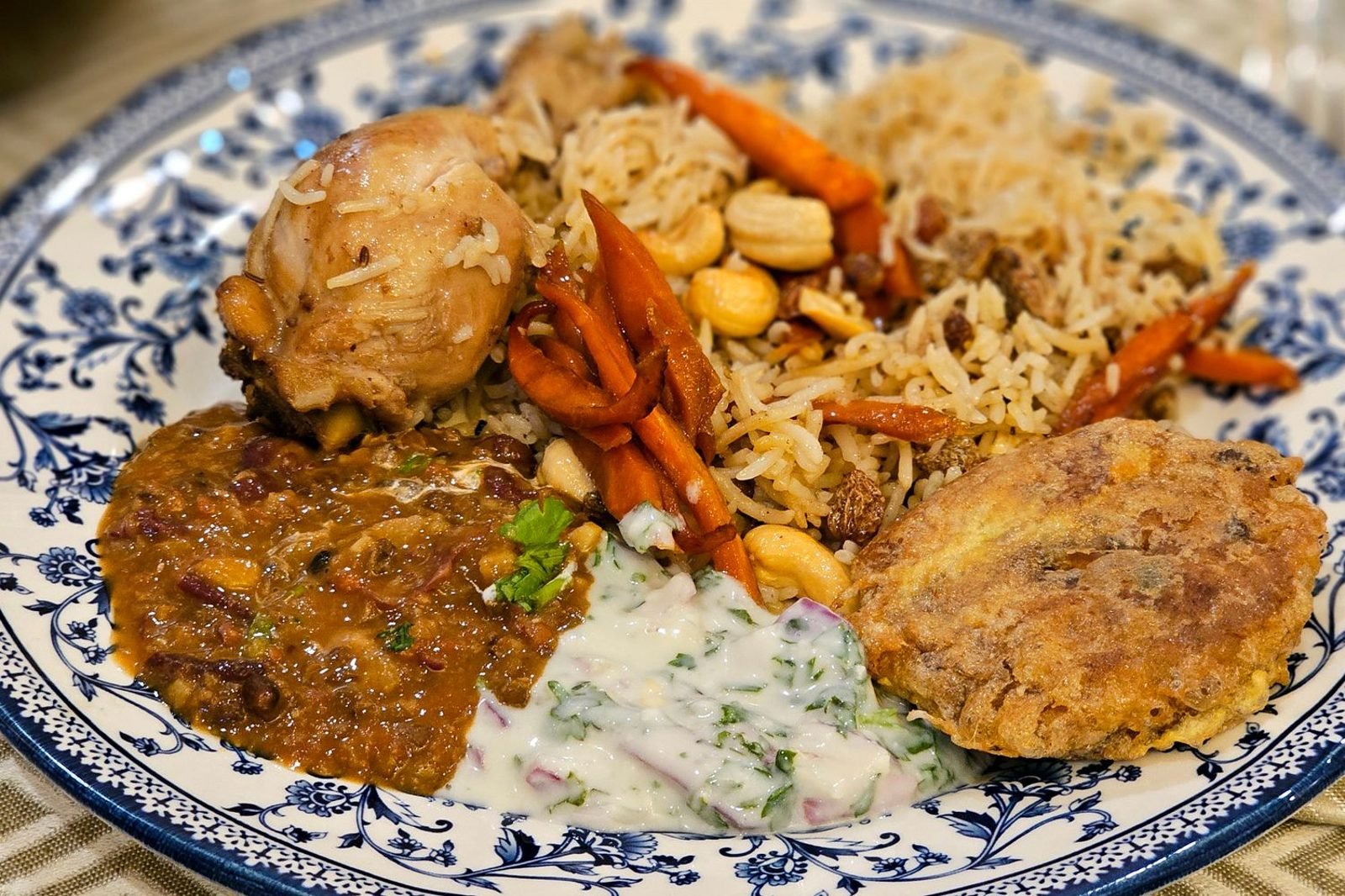
These two minerals don’t get the attention protein and calories do, but they’re disproportionately relevant to men’s health because of their role in testosterone regulation, muscle recovery, and enzyme function.
How much zinc does a man need, and why?
The NIH Office of Dietary Supplements sets the RDA for zinc at 11 mg/day for adult men (versus 8 mg/day for women) — a gap that exists partly because zinc requirements track with body size, and partly because zinc is directly involved in testosterone synthesis, sperm production, and immune function. Low dietary zinc has been associated with lower circulating testosterone levels and, in more severe cases, with hypogonadism. Good sources include red meat, shellfish (particularly oysters), pumpkin seeds, chickpeas, and dairy. Very high supplemental doses — around 142 mg/day, far above the RDA — can interfere with magnesium and copper absorption, a reminder that more isn’t automatically better once you’re supplementing rather than eating. For more on food sources and signs of low intake, see this guide on zinc nutrition.
How much magnesium does a man need, and why?
The NIH RDA for magnesium is 400 mg/day for men aged 19-30 and 420 mg/day for men 31 and older. Magnesium is involved in over 300 enzymatic reactions, including muscle contraction, energy metabolism, blood pressure regulation, and bone health — part of why it matters for anyone training regularly, since magnesium is lost through sweat. Good dietary sources include leafy greens, almonds, cashews, whole grains, and legumes. If you’re sweating consistently through the week, it’s worth checking whether intake is keeping pace — this guide on magnesium nutrition covers food sources and intake strategies in more detail.
How do your nutrition needs change with exercise and training?
Activity level is the single biggest variable that moves your numbers away from the sedentary baseline, and it affects more than just calories.
- Calories: Moving from sedentary to active can raise your daily requirement by 400-800 kcal, depending on training volume and intensity.
- Protein: Regular resistance or endurance training roughly doubles your protein need relative to the bare RDA — moving from ~0.8 g/kg toward 1.2-2.0 g/kg.
- Zinc and magnesium: Both are lost through sweat, and endurance athletes in particular are at higher risk of falling short, even though the official RDA doesn’t formally adjust upward for activity level.
- Hydration and electrolytes: Not captured in the table above, but worth flagging — heavier training sessions increase sodium and fluid needs alongside the core macro and micronutrient targets.
If you’re training for a specific goal — strength, endurance, or general fitness — treat the reference table as a floor, not a ceiling, and adjust upward as training volume increases. This is where general nutrition guidance and sport-specific planning start to diverge, covered in more depth in this piece on nutrition for men.

What are common signs your daily nutrition isn’t meeting your needs?
Persistent fatigue, slow recovery after workouts, unexplained hair thinning, low mood, or difficulty building or maintaining muscle can all be indirect signals that calorie or micronutrient intake isn’t matching your actual needs — though these symptoms can have other causes too, so they’re a reason to look closer, not a diagnosis. Zinc deficiency in particular has been linked to hair and skin changes in some research, worth knowing if you’re troubleshooting hair thinning — see this guide on hair nutrition for men for more on that connection. If several signs overlap and persist for more than a few weeks, it’s a reasonable point to get your intake and bloodwork reviewed rather than guessing.
Frequently asked questions
Is 2,000 calories enough for an adult man?
It can be, but it depends on your age and activity level. Per USDA/HHS guidelines, 2,000 calories sits closer to the sedentary requirement for older men (51+) and is likely too low for an active man in his 20s or 30s, who may need 2,800-3,000 calories to maintain weight and support training.
How much protein should a man eat per day to build muscle?
Research on resistance training generally supports 1.6-2.2 grams of protein per kilogram of body weight per day for muscle building, well above the baseline RDA of 0.8 g/kg. For a 75 kg man, that’s roughly 120-165 grams daily, spread across meals for better utilization.
Do zinc and magnesium actually affect testosterone?
Zinc has a documented link — deficiency is associated with lower circulating testosterone per NIH data. Magnesium’s role is more indirect, largely through its involvement in overall hormonal and metabolic regulation. Neither mineral is a shortcut to higher testosterone if your levels are already adequate.
Should I take a multivitamin to cover zinc and magnesium?
Not necessarily. Whole foods like meat, shellfish, seeds, nuts, and leafy greens can meet both RDAs for most men without supplementation. A multivitamin can help fill genuine gaps, but it shouldn’t replace an assessment of what your actual diet is missing.
Why do ICMR and USDA numbers differ for the same age group?
The two bodies use different reference body weights and population-specific BMR (basal metabolic rate) data. ICMR-NIN 2020 calibrated its figures to Indian body composition and activity studies, which produced lower baseline calorie and higher zinc/magnesium RDAs than the US-based NIH and USDA figures.
Daily nutrition targets are a starting point, not a fixed prescription — your actual needs depend on your body weight, training load, health history, and goals. If you want numbers calibrated to you specifically rather than a general age bracket, an online nutritionist consultation is a practical next step.