If you’re a man watching your hairline move backward, the honest answer is this: nutrition can support healthier hair and stop diet-related shedding, but it cannot reverse male pattern baldness. Androgenetic alopecia — the medical term for the classic receding hairline and thinning crown — is driven primarily by genetics and a hormone called DHT (dihydrotestosterone), not by what’s on your plate. That said, getting the right nutrients matters more than most men realize, because a poor diet can add a second, treatable layer of shedding on top of your genetic pattern. This guide separates what food can actually do for your hair from what it can’t, and tells you when it’s time to stop experimenting and see a dermatologist.
What actually causes male pattern baldness?
Male pattern baldness is caused by an interaction between your genes and androgens, primarily DHT. Hair follicles that are genetically sensitive to DHT gradually shrink, a process called miniaturization, which shortens each hair’s growth cycle until the follicle stops producing visible hair. This isn’t a rare quirk — androgenetic alopecia can affect up to 50% of men by age 50 and up to 80% by age 80, according to Cleveland Clinic. The sensitivity to DHT is inherited through genes from both parents, which is why baldness patterns often run in families on both sides, not just your mother’s father as the old myth claims.
Because the root cause is hormonal and genetic, no amount of clean eating switches off the androgen receptors in your scalp. This is the single most important thing to understand before you spend money on “hair growth” supplements: diet plays a supporting role, not a starring one, in classic pattern baldness. It can, however, meaningfully affect other forms of hair thinning that are frequently confused with androgenetic alopecia.

Can nutrition really cause or worsen hair loss in men?
Yes, but usually through a different mechanism than pattern baldness. When the body is under nutritional stress — from crash dieting, illness, or a genuine deficiency — hair follicles can prematurely shift into a resting phase and shed in large numbers two to three months later. This is called telogen effluvium, and unlike androgenetic alopecia, it’s typically temporary and diffuse (thinning all over, not just at the temples and crown) rather than a receding pattern. Cleveland Clinic notes that healthy people normally shed 50 to 100 hairs a day, while telogen effluvium can push that number to 300–500 hairs daily.
The practical implication: if you’re losing hair in a defined pattern (temples and crown), genetics and DHT are almost certainly the main driver, and diet changes alone won’t reverse it. If you’re shedding diffusely and recently went through a crash diet, major stress, illness, or rapid weight loss, nutrition deficiency is a much more plausible contributor — and one that’s fixable. Getting your baseline diet right is still worthwhile groundwork; see our broader guide to hair nutrition for the full picture of how eating patterns affect hair across the board.
Which nutrients actually matter for hair, and which are hype?
Not all “hair vitamins” are backed by real evidence. Here’s what the data actually supports.
Protein: the non-negotiable building block
Hair is made almost entirely of a protein called keratin, and severe protein restriction or extreme caloric deficits can trigger telogen effluvium within weeks. Cleveland Clinic recommends roughly 40 to 60 grams of protein a day as a general adult guideline, though needs are higher for active men. If you’re doing aggressive low-calorie or low-protein diets to cut weight, your hair may be one of the first places you see the cost. Aim for consistent protein at every meal — eggs, poultry, fish, dairy, legumes — rather than one large serving at dinner. For a full breakdown of how much protein men actually need daily, see our guide on protein and nutrition.
Iron: the most underrated deficiency
Of all the nutrients linked to hair shedding, low iron (specifically low ferritin, the storage form of iron) has some of the strongest evidence behind it — more consistent than biotin, riboflavin, or zinc. Men are less prone to iron deficiency than menstruating women, but it can still occur with poor diet, chronic blood loss, or intense endurance training. If you suspect this, ask your doctor for a ferritin blood test rather than guessing; supplementing iron without a confirmed deficiency isn’t necessary and can cause its own problems.
Zinc: helpful if you’re actually low, unhelpful if you’re not
Zinc deficiency is associated with diffuse shedding and brittle, poorly structured hair, and correcting a genuine deficiency does help. But the evidence connecting normal-range zinc levels to hair loss is mixed, and megadosing zinc supplements can backfire — excess zinc interferes with copper absorption and can itself contribute to hair thinning. Food sources (oysters, beef, pumpkin seeds, chickpeas) are the safer route than high-dose pills. Our dedicated zinc nutrition guide covers safe intake ranges in more detail.
Biotin: the most overhyped hair supplement on the shelf
Biotin is the single most heavily marketed hair-growth nutrient, yet it has the weakest evidence of the group. The highest-quality double-blind, placebo-controlled trial testing biotin for hair loss found no meaningful difference versus placebo. True biotin deficiency is rare in people eating a normal diet, and unless you have a confirmed deficiency, extra biotin is unlikely to do much for a receding hairline — it’s mostly effective at generating supplement sales.
Omega-3 fatty acids: supportive for scalp health
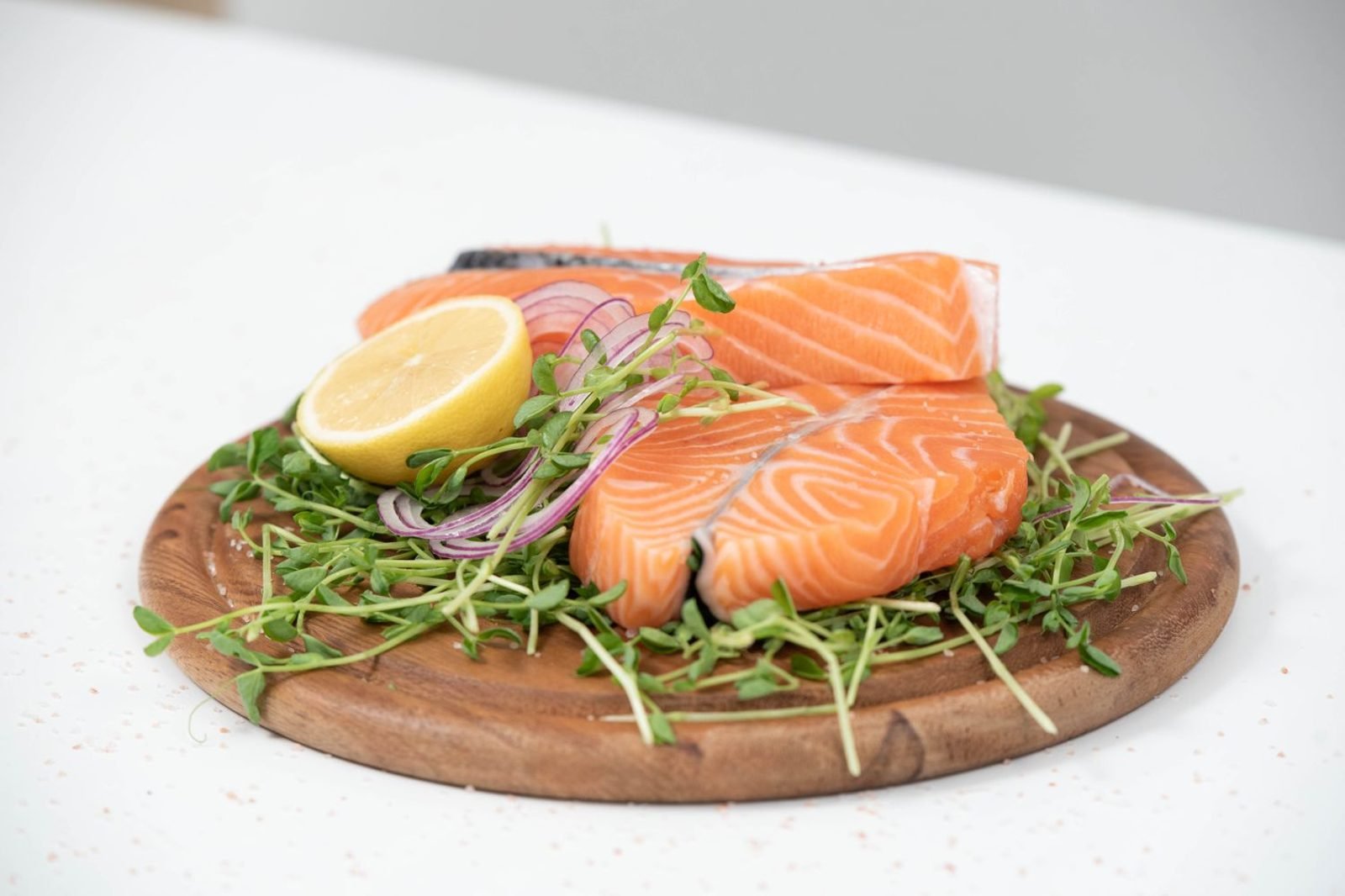
Omega-3s (found in fatty fish, walnuts, flaxseed) support scalp circulation and reduce inflammation, which can create a healthier environment for existing follicles. They’re a reasonable, low-risk addition to a hair-supportive diet, but like every nutrient on this list, they work around the edges of androgenetic alopecia — they don’t block DHT or reverse miniaturization.
What should a hair-supportive diet actually look like?
Rather than chasing individual supplements, build a base diet that covers these bases consistently:
- Protein at every meal — eggs, fish, poultry, Greek yogurt, lentils, tofu
- Iron-rich foods — red meat, spinach, lentils, fortified cereals, paired with vitamin C to boost absorption
- Zinc from whole foods — oysters, beef, pumpkin seeds, chickpeas, cashews
- Omega-3 sources — salmon, sardines, walnuts, chia and flax seeds
- Adequate total calories — chronic under-eating is one of the fastest ways to trigger diffuse shedding, regardless of macro split
This isn’t a specialized “hair diet” — it’s essentially a well-rounded, adequate-calorie diet that happens to also support hair. If you want a broader look at how overall eating patterns and specific foods interact with hair quality, our hair nutrition food guide walks through practical meal ideas. And if your goal is dialing in your full daily nutrition rather than just hair, start with our daily nutrition requirement for male breakdown.
Should you get tested before supplementing?
Yes — this is the step most men skip. Supplementing a nutrient you’re not actually deficient in provides little to no benefit, and in the case of zinc and biotin, can create new problems or mask other conditions in lab work. Before buying a stack of hair supplements, it’s worth asking a doctor for basic bloodwork: ferritin (iron stores), vitamin D, thyroid panel, and zinc if you have symptoms of deficiency like brittle nails or slow wound healing. This is far more useful than guessing based on a supplement bottle’s marketing copy. If you want a structured way to assess your intake against your actual needs, an online nutritionist consultation can help you figure out what’s genuinely missing versus what’s already adequate.
When should you see a dermatologist instead of changing your diet?
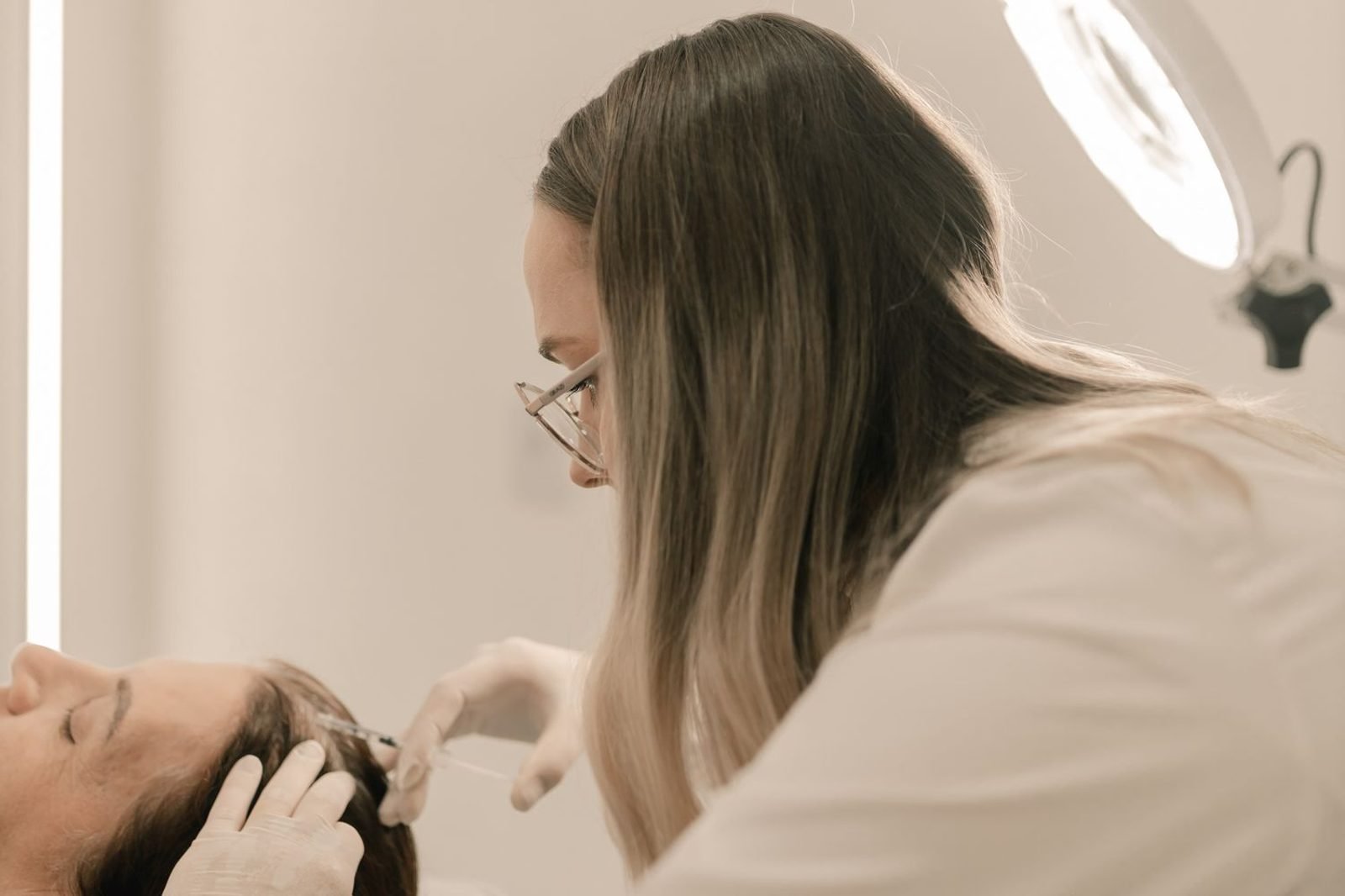
Diet adjustments are reasonable to try, but they shouldn’t be your only move if hair loss is bothering you. The American Academy of Dermatology notes that early intervention with proven treatments generally produces better outcomes than waiting — once a follicle fully miniaturizes and stops producing hair, it’s much harder to bring back. See a dermatologist if:
- You’re losing hair in a clear pattern (receding temples, thinning crown) rather than diffusely all over
- Shedding is sudden, heavy, or lasting more than a few months
- You notice scalp redness, itching, scaling, or scarring alongside the hair loss
- The hair loss is affecting your confidence and you want to know your actual treatment options
For genuine androgenetic alopecia, the AAD points to two first-line treatments with real clinical backing: topical minoxidil (over the counter) and oral finasteride, which blocks the enzyme that converts testosterone into DHT. Finasteride has been shown to slow further hair loss in roughly 80–90% of men who take it, and combining it with minoxidil produces better results than either alone. These are medical interventions that work on the hormonal mechanism directly — something no diet change can replicate. A dermatologist can also confirm whether what looks like pattern baldness is actually something else (like a thyroid issue or scarring alopecia) that responds differently to treatment, including nutritional correction.
What’s a realistic way to think about nutrition and hair loss?
Treat nutrition as the floor, not the ceiling. Eating enough protein, iron, zinc, and omega-3s removes diet as a contributing factor to shedding and gives your hair the raw materials it needs to grow as well as your genetics allow. But if your hairline is receding in the classic pattern, that’s a hormonal and genetic process that responds to hormonal treatments (minoxidil, finasteride) or procedural options (transplant), not to kale. The most effective approach for most men is both: keep your overall diet solid — see our male nutrition and nutrition for men guides for the fundamentals — and talk to a dermatologist early if you’re seeing a real pattern emerge, rather than waiting years while trying supplement after supplement.
Frequently asked questions
Can eating more protein regrow a receding hairline?
No. Adequate protein prevents diet-related shedding (telogen effluvium) and supports the hair you already have, but it cannot reverse androgenetic alopecia, which is driven by DHT sensitivity in genetically predisposed follicles. If your hairline is receding in a clear pattern, protein alone won’t bring it back — that requires treatments like minoxidil or finasteride.
Do biotin supplements work for male pattern baldness?
Evidence doesn’t support this for most men. The best-quality trial testing biotin against placebo found no meaningful difference, and true biotin deficiency is rare on a normal diet. Biotin is heavily marketed but sits at the bottom of the evidence hierarchy compared to iron or overall protein adequacy.
How do I know if my hair loss is nutritional or genetic?
Pattern matters most: genetic hair loss recedes at the temples and thins at the crown, while nutritional shedding is usually diffuse across the whole scalp. Nutritional shedding often follows a stressor (crash diet, illness) by two to three months and tends to improve once the deficiency is corrected. A dermatologist can confirm which type you’re dealing with.
Is it safe to take zinc or iron supplements without testing first?
Not ideal. Supplementing nutrients you’re not actually deficient in offers little benefit and can cause harm — excess zinc blocks copper absorption, and unnecessary iron supplementation can cause its own health issues. Blood testing for ferritin and zinc before supplementing is the safer, more effective approach.
At what age should men start worrying about hair loss?
There’s no universal age — androgenetic alopecia can begin in your 20s or not show up until your 50s or later, depending on genetics. What matters more than age is the pattern and speed of loss. If you notice a receding hairline or crown thinning at any age and it concerns you, earlier evaluation by a dermatologist generally allows more treatment options.
Diet won’t override your genetics, but it can make sure it isn’t working against you either. If you want help figuring out whether your current eating pattern is actually covering your protein, iron, zinc, and omega-3 needs, an online nutritionist consultation can turn that guesswork into a plan based on your actual numbers.