The most reliable diabetes-friendly snack isn’t a special “diabetic” product off a shelf — it’s any 15-30 gram carbohydrate portion paired with protein or fat, like an apple with peanut butter, roasted chana with a boiled egg, or a handful of almonds instead of crackers alone. Pairing slows how fast glucose enters your bloodstream, and portion size still matters even when the food is “healthy.” This guide walks through the science of why pairing works, gives you a real list of options, and flags the snack traps — including some products marketed specifically to people with diabetes — that don’t hold up once you look at the label.
None of this replaces individualized medical care. If you have diabetes or prediabetes, work with your doctor or an endocrinologist to set targets that fit your specific medications, activity level, and lab results.
Why do some snacks spike blood sugar more than others?
It comes down to how fast a food’s carbohydrate breaks down into glucose and enters your bloodstream. Refined, low-fiber carbohydrates — plain crackers, white bread, fruit juice — digest quickly, so glucose floods in all at once and blood sugar rises sharply. Foods with fiber, protein, or fat take longer to move through the digestive tract, spreading glucose absorption over a longer window instead of dumping it in one spike.
This is the same idea behind the glycemic index and glycemic load — a measure of how quickly a food raises blood glucose compared to pure glucose. But glycemic index only tells part of the story, because it measures foods in isolation. In real life, you rarely eat a food by itself, and what you eat alongside it changes the outcome substantially.
Does pairing protein or fat with carbs actually reduce glucose spikes?
Yes, and it’s one of the better-studied mechanisms in blood sugar management, not just popular wisdom. A controlled clinical trial in the American Journal of Clinical Nutrition gave people with type 2 diabetes a 25g-carbohydrate mashed potato meal, then repeated it with 25g of added protein, and again with both 25g protein and 25g fat. Protein alone modestly reduced the glucose response; adding both protein and fat reduced it significantly further (p<0.001) (Gulliford et al., Am J Clin Nutr, 1989).
The mechanism: protein and fat slow gastric emptying, so glucose enters the bloodstream more gradually instead of all at once (National Institutes of Health, PMC). Fiber works similarly, forming a gel-like barrier in the gut that slows carbohydrate absorption. A 2025 Stanford Medicine study using continuous glucose monitors found that eating protein or fiber before a carb-heavy food like rice lowered the resulting spike, while fat delayed the peak — though the effect varied by each person’s insulin sensitivity, which is exactly why personalized guidance from your doctor matters more than a blanket rule.
The practical takeaway: a snack that’s “just carbs” — pretzels, rice cakes, dried fruit alone — will almost always spike harder than the same carbs eaten with protein or fat.
What portion size actually counts as a diabetes-friendly snack?
A useful working range, in line with guidance published by the American Diabetes Association’s Diabetes Food Hub, is roughly 15-30 grams of carbohydrate per snack, paired with a protein or fiber source rather than eaten alone. That’s a fairly small window — about the amount in one small apple, two tablespoons of raisins, or three cups of air-popped popcorn — which is why portion awareness matters even for foods that are objectively “healthy.”
This is the part people miss most. Nuts, hummus, and whole fruit are genuinely good choices, but they aren’t unlimited. A handful of almonds (about 23 nuts, roughly one ounce) is a snack; the whole can is a meal’s worth of calories and carbohydrate. Portion drift is especially easy with foods that feel “safe” because they’re not sweet — nut butter straight from the jar, or grazing on trail mix while cooking, adds up fast. Pre-portioning into small containers, rather than eating from the original packaging, closes this gap.
What are good diabetes-friendly snack options?
These all follow the same principle — a moderate carbohydrate portion combined with protein, fat, or fiber:
- Roasted chana (chickpeas): A small handful delivers plant protein and fiber together, with a gentler glucose response than most packaged crackers.
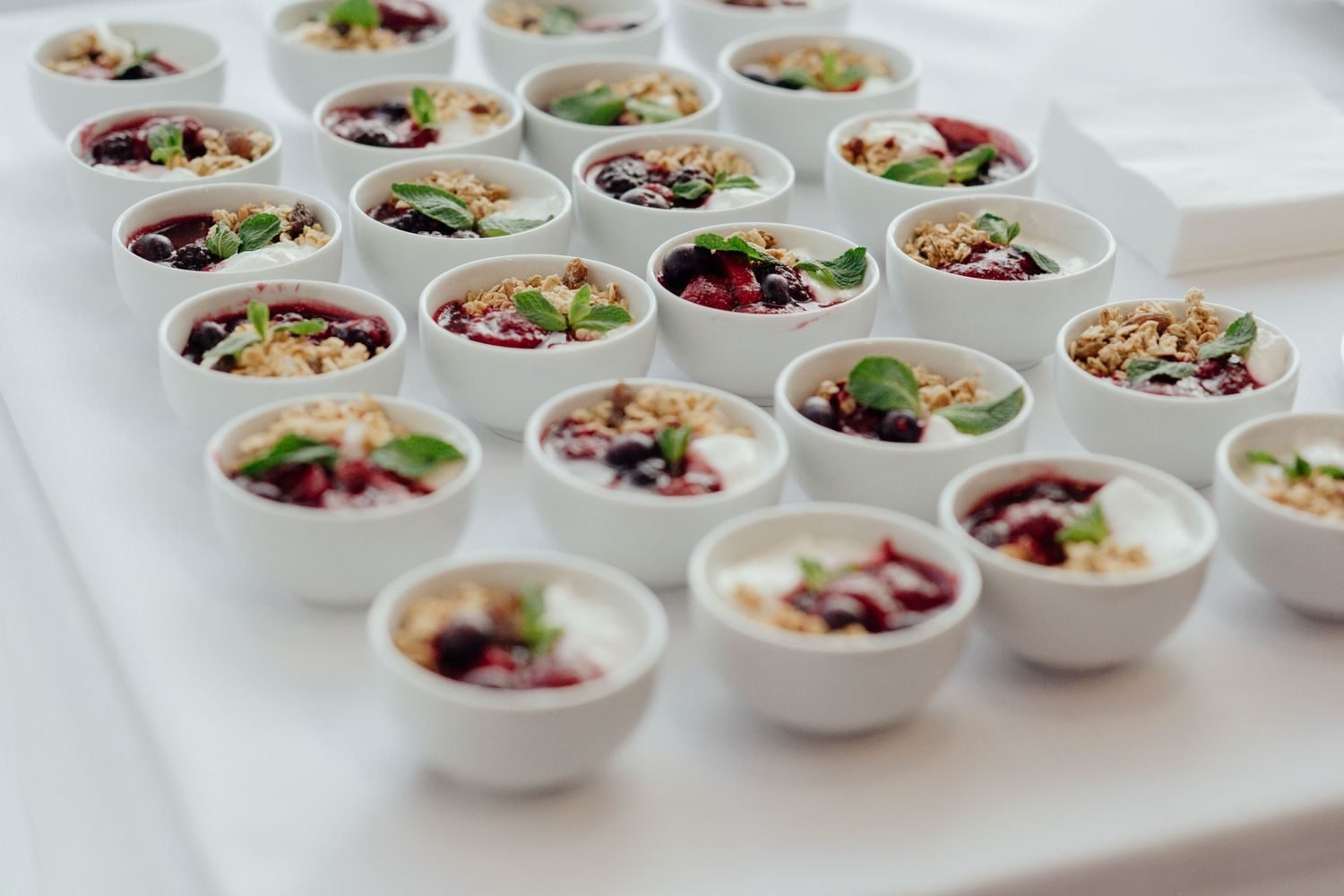
- Plain Greek yogurt with a few berries: About half a cup of nonfat plain Greek yogurt with a quarter cup of berries gives you protein plus roughly 10g of carbohydrate — far less sugar impact than flavored yogurt cups, which often carry as much added sugar as dessert.
- A small handful of nuts: Almonds, walnuts, or pistachios (about one ounce) supply healthy fats, magnesium, and fiber, and are one of the most consistent picks across diabetes nutrition guidance.
- Vegetable sticks with hummus: Cucumber, bell pepper, or carrot sticks with 2-3 tablespoons of hummus combine fiber from the vegetables with protein and fat from the chickpeas and tahini.
- Boiled eggs: Essentially zero carbohydrate and high in protein — a strong standalone snack or pairing partner for a small piece of fruit.
- Apple or pear slices with peanut butter or a slice of low-fat cheese: The fiber in the fruit skin plus the fat/protein pairing noticeably slows digestion compared to juice or dried fruit.
- Air-popped popcorn: Three cups is about 15g of carbohydrate and, unlike most packaged chips, comes with meaningful fiber — just watch the butter and salt added on top.
For a longer list built around this same protein-fiber-pairing logic, see our high-protein snacks list, and if weight management is part of your goal too, our healthy snacks for weight loss guide covers portion-calibrated options.
Which “diabetic” snacks are actually a trap?
Foods marketed specifically toward people with diabetes are not automatically low-impact on blood sugar, and a few patterns show up repeatedly:
- “Sugar-free” biscuits made with refined flour: Removing added sugar doesn’t remove the carbohydrate load. A biscuit made primarily from refined white flour (maida) still breaks down into glucose quickly because it has little fiber to slow digestion — the “sugar-free” label addresses only one ingredient, not the overall glycemic impact.
- “Sugar-free” doesn’t mean sugar-substitute-free: Some products labeled sugar-free still contain glucose syrup, dextrose, or maltodextrin — sweeteners that behave like sugar in the bloodstream even though “sugar” isn’t on the label by that name. Check the full ingredient list, not just the front-of-pack claim.
- Breakfast/energy biscuits marketed as steady-energy foods: Products advertised around sustained energy are often made from refined grains with modest fiber and meaningful added sugar — the marketing claim and the nutrition panel can tell two different stories.
- Dried fruit and fruit snacks: Removing the water concentrates the sugar into a small volume, so a handful of dried mango or raisins can carry as much carbohydrate as a much larger portion of fresh fruit.
- Flavored or low-fat yogurts: Reducing fat is frequently offset by adding sugar to preserve taste — plain yogurt with fruit added yourself is usually the safer default.
The rule: don’t trust a front-of-package claim (“diabetic-friendly,” “sugar-free,” “no added sugar”) on its own. Flip to the nutrition panel, check total carbohydrate and fiber, and see where sweeteners rank in the ingredient list.

How should snacking fit into a full day of eating for blood sugar control?
Snacks work best as a support to your main meals, not a replacement for planning them. If your meals are already balanced with protein, fiber, and controlled carbohydrate portions, you may need fewer snacks between them — and when you do snack, the same pairing principle from your meals should carry over. Spacing matters too: a snack eaten right after a high-carb meal adds to an already-elevated glucose curve, while one timed for a genuine hunger gap between meals tends to have a cleaner effect.
If you’re building out a full week of meals designed around this balance, our 7-day diabetes meal plan lays out meal and snack timing together so you’re not guessing at portions each day. And for the deeper mechanics of why some carbohydrates raise blood sugar faster than others, the glycemic index and glycemic load guide explains how to read that number and where it falls short on its own.
How often should I check in with a doctor about my snacking choices?
Blood sugar response to food is individual — the same snack can produce different results in two people, depending on insulin sensitivity, activity level, and medication, which the Stanford research referenced earlier also found. General food lists like this one are a starting point, not a personalized plan. If you’re newly diagnosed, adjusting medication, or noticing your glucose readings don’t match what you’d expect, bring it to your doctor or endocrinologist directly — they can interpret your actual glucose data in a way no general article can.
Frequently Asked Questions
Can I eat fruit as a snack if I have diabetes?
Yes, whole fruit is generally a better choice than juice or dried fruit because its fiber slows sugar absorption. Pairing a small portion — like an apple or a handful of berries — with protein or fat (nut butter, cheese, yogurt) further blunts the glucose response. Portion still matters; a whole fruit bowl is not a single snack.
Are “diabetic” or “sugar-free” packaged snacks actually safe to eat freely?
Not automatically. Many are made from refined flour with little fiber, so they still raise blood sugar meaningfully despite having no added sugar. Some also contain sugar-substitute ingredients like maltodextrin or glucose syrup that act like sugar in the body. Always check the ingredient list and carbohydrate/fiber numbers, not just the front label.
How much protein should I add to a carb-based snack to blunt the spike?
Research points to the principle more than an exact gram target — even a modest amount of protein (an egg, a spoonful of nut butter, a slice of cheese) measurably slows digestion versus eating the carbohydrate alone. Aim for a visible protein or fat component alongside your carb, and adjust based on your own glucose monitoring.
Is it better to snack or to just eat three larger meals?
Both approaches can work for blood sugar control — there’s no universal rule that snacking is required or harmful. What matters more is that each eating occasion, whether a meal or a snack, includes a sensible carbohydrate portion paired with protein or fiber. Your doctor can help you decide which pattern fits your medication schedule and daily routine.
Do nuts raise blood sugar since they’re often labeled high-fat?
Most nuts have very little carbohydrate relative to their fat and fiber content, so a standard one-ounce portion has a minimal direct effect on blood glucose and is a frequently recommended snack in diabetes nutrition guidance. The caution is calorie density — nuts are easy to overeat past a single portion, which matters more for weight management than for glucose spikes.
Snacking well with diabetes isn’t about finding a magic “diabetic” product — it’s about applying the same principle every time: a modest carbohydrate portion, paired with protein or fat, chosen from real food rather than a marketing claim. If you want that principle translated into a plan built around your specific labs, medications, and goals, an online nutritionist consultation can help you turn this general guidance into something tailored to you.