Compound workouts are training sessions built around multi-joint exercises like the squat, bench press, deadlift, row, and overhead press, movements that work several muscle groups and joints at the same time. Instead of isolating one muscle (like a bicep curl), a compound lift asks your hips, knees, shoulders, and core to work together in a single, coordinated movement. If you have limited time to train and want the most strength and muscle for the effort, compound workouts should be the base of your program, not an afterthought.
What Actually Makes an Exercise “Compound”?
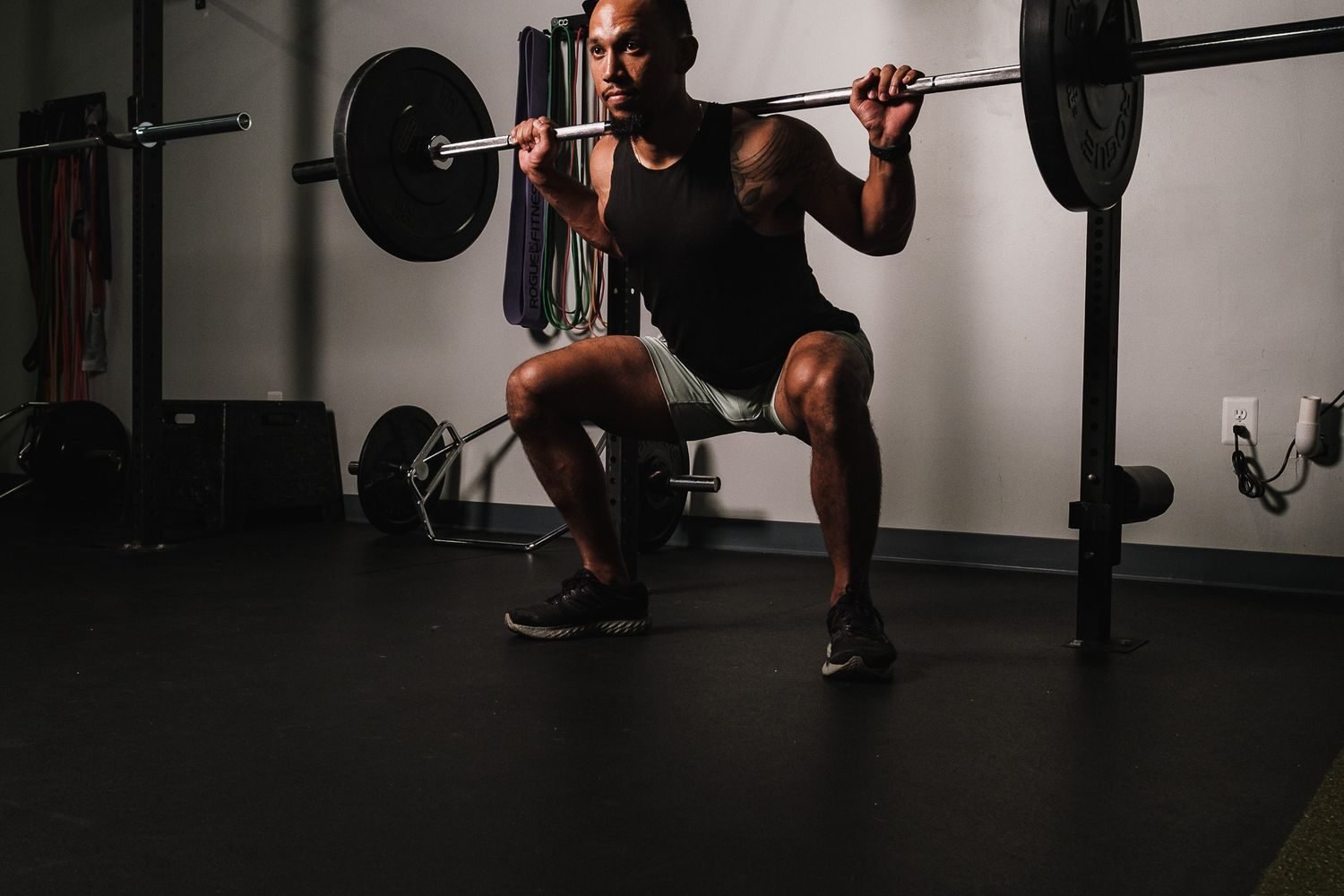
An exercise is compound when it moves more than one joint at once. A back squat bends your hips, knees, and ankles together. A bench press moves your shoulder and elbow joints at the same time. Compare that to a leg extension, which only moves the knee, or a bicep curl, which only moves the elbow. Those are isolation exercises, and they have their place, but they’re not doing the heavy lifting (literally) in a strength program.
The most common compound lifts you’ll build a program around are:
- Squat (front, back, or goblet)
- Deadlift (conventional, Romanian, or sumo)
- Bench press (barbell, dumbbell, or push-up)
- Overhead press
- Bent-over row or pull-up
- Lunge and its variations
Each of these recruits multiple muscle groups in one rep. A deadlift alone works your glutes, hamstrings, lower back, traps, and grip. Try replicating that with isolation exercises and you’d need four or five different machines to cover the same ground.
Why Are Compound Exercises More Effective for Strength and Muscle?
Three reasons, and they all matter if you actually want results and not just a longer time under the gym lights.
They’re time-efficient. A squat trains your quads, glutes, hamstrings, and core in one movement. To hit the same muscles with isolation work, you’d need leg extensions, leg curls, hip thrusts, and planks separately. If you train three or four days a week around a job or college schedule, compound lifts let you cover more muscle mass in less time.
They build more total strength. Strength is a skill as much as it’s a muscle property. Your nervous system gets better at coordinating multiple muscle groups under load, and that coordination carries over into real life, whether that’s carrying groceries up three flights or picking up your kid. Isolation work doesn’t train that coordination at all.
They trigger more muscle growth per session. Compound lifts let you move heavier total loads than isolation exercises, and heavier loads across large muscle groups create a stronger stimulus for hypertrophy. A heavy squat session taxes far more muscle tissue than three sets of leg extensions ever will, and that added mechanical tension is a big driver of growth.
There’s also a performance angle. If you play a sport or do any kind of athletic training, compound lifts translate directly to jumping, sprinting, and change of direction in a way that a cable fly never will. And if your goal leans more toward speed and reaction, pairing compound strength work with dedicated agility workouts rounds out both sides of athletic performance, raw force production and the ability to use it quickly.
What Does a Full Compound Workout Look Like?
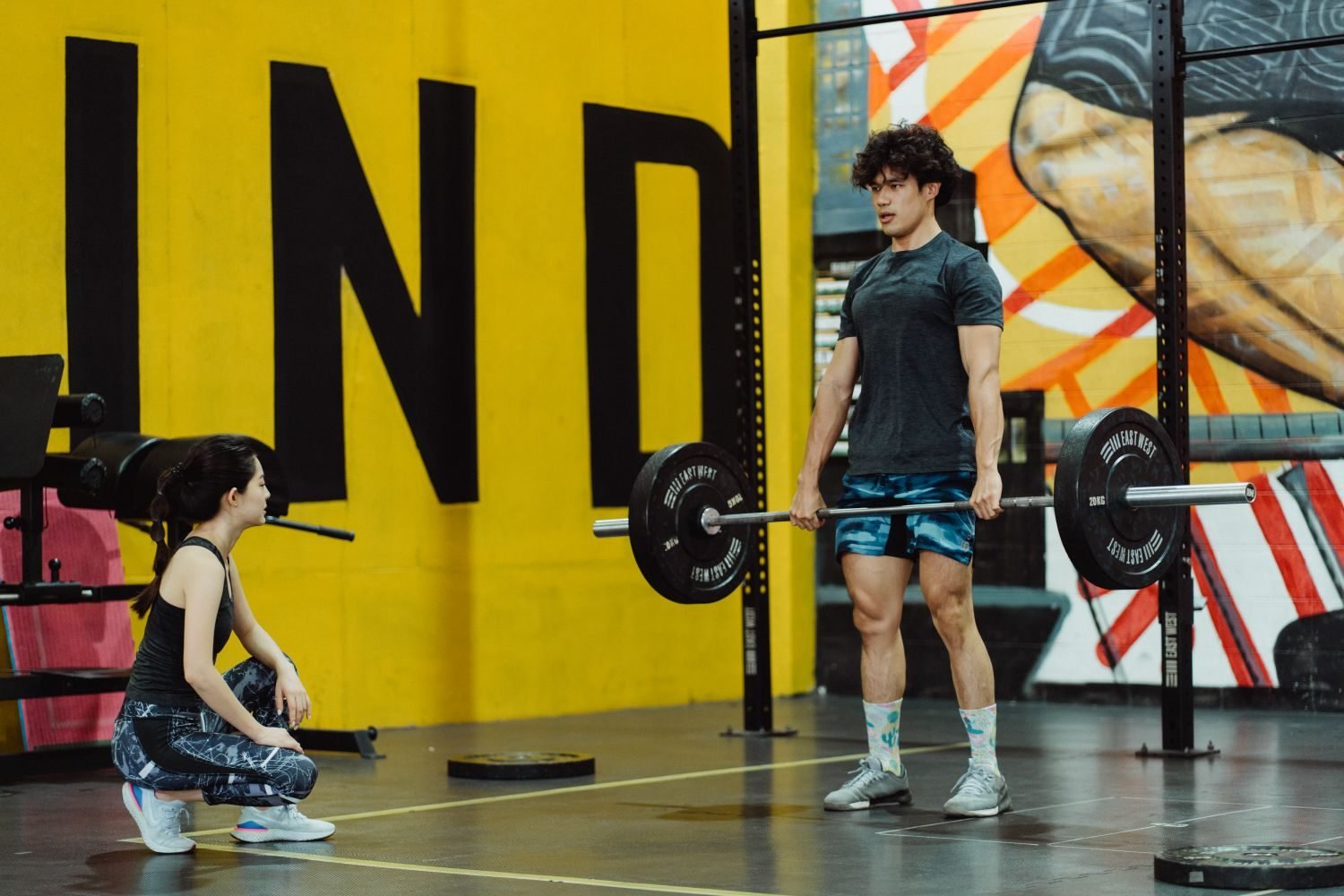
Here’s a sample compound-only session we program often for intermediate lifters. It hits every major muscle group in five exercises. Rest 90 seconds to 2 minutes between sets on the big lifts.
| Exercise | Sets | Reps | Primary Muscles Worked |
|---|---|---|---|
| Back Squat | 4 | 6-8 | Quads, glutes, core |
| Bench Press | 4 | 6-8 | Chest, shoulders, triceps |
| Bent-Over Row | 4 | 8-10 | Lats, mid-back, biceps |
| Overhead Press | 3 | 8-10 | Shoulders, triceps, core |
| Deadlift | 3 | 5-6 | Hamstrings, glutes, lower back, traps |
That’s five exercises covering your entire body in about 60 to 75 minutes, including warm-up sets. For a deeper breakdown of deadlift form, loading, and common mistakes, our deadlift workout guide walks through it exercise by exercise. Sessions built this way, where every movement is compound and covers the whole body, also form the backbone of what we’d call a proper full body workout, since full-body training only works well when the exercises you pick are doing double or triple duty on muscle groups.
Keep the deadlift after the squat, not before. Both are demanding on the lower back and hips, and doing deadlifts first when you’re fresh means you’ll grind through squats on a fatigued lower back. Order matters more than people think.
How Do Compound and Isolation Exercises Fit Together in a Real Program?
This is where a lot of home-grown programs go wrong. People either do all compounds and wonder why a stubborn muscle group (usually arms or calves) isn’t growing, or they do all isolation and wonder why their strength has plateaued for months. Neither approach is complete.
The answer is sequencing, not choosing sides. Compounds go first in the session, while your nervous system is fresh and you can lift the heaviest weight safely. Isolation work comes after, once the big lifts are done, to finish off muscles that need extra volume or that didn’t get fully worked by the compound movements.
A practical example: after the compound session above, you could add three sets of bicep curls, three sets of tricep pushdowns, and three sets of calf raises. These isolation moves clean up muscles the big lifts touch only lightly and add volume without adding much fatigue, since you’re not loading the whole body under a bar anymore.
We see this play out constantly with clients who come to us doing only isolation work from YouTube routines. They’re often stronger in appearance than in actual output, decent-looking arms but a squat that falls apart under any real load. Once we rebuild the program around compounds first and isolation second, both strength and muscle definition improve, usually faster than the client expects. If you want to understand the isolation side of this equation in more depth, our isolation workouts guide breaks down when and how to use single-joint exercises correctly.
How Should Beginners Approach Compound Lifts?
Start with bodyweight or light-load versions until your form is consistent. A goblet squat before a barbell back squat. A dumbbell row before a barbell row. Technique breaks down fastest under fatigue, so the first few weeks should focus on owning the movement pattern at a weight you could do for 15 reps, even if you’re only doing 8.
Add weight gradually, roughly 2.5 to 5 kg per session on upper body lifts and 5 kg on lower body lifts, as long as your form holds. If your knees are caving in on squats or your lower back is rounding on deadlifts, that’s your signal to stay at the same weight another session, not push forward. Getting a trainer to watch your first few sessions of each new compound lift saves you months of correcting bad habits later.
FAQs
What are compound workouts?
Compound workouts are training sessions built around multi-joint exercises, like squats, deadlifts, bench presses, rows, and overhead presses, that work multiple muscle groups and joints in a single movement. They’re the opposite of isolation exercises, which only move one joint. Compound workouts form the base of most effective strength and muscle-building programs.
How do you do compound workouts correctly?
Structure your session with compound lifts first, while you’re fresh and can lift heavier safely. Choose 4 to 6 compound exercises covering the whole body (squat, hinge, push, pull), aim for 3 to 4 sets of 5 to 10 reps each, rest 90 seconds to 2 minutes, and add isolation work afterward if needed.
What are the benefits of compound workouts?
Compound workouts save time by training multiple muscle groups at once, build more overall strength through improved nervous system coordination, and trigger more muscle growth because you can move heavier total loads than with isolation exercises. They also carry over better to real-life movement and sports performance.
Can beginners do compound exercises safely?
Yes, and they should. Beginners should start with lighter loads or bodyweight versions to master form first, since technique breaks down fastest under heavy weight. Working with a trainer for the first few sessions of each lift helps catch form errors early, before they become habits that are harder to fix later.
How often should you do compound workouts each week?
Most people do well training compound lifts 3 to 4 times a week, with at least one rest day between sessions that hit the same muscle groups hard. This gives your muscles and central nervous system enough recovery time while still allowing consistent strength progress week over week.
Compound lifts done with the right form, load, and sequencing build strength and muscle faster than any isolation-only routine ever will. But getting the sequencing, loading, and progression right on your own is where most people stall out or get hurt. If you want a program built around your current strength level with someone correcting your form in real time, check out FitStrot’s 1-on-1 personal training and train with a coach who’s been doing this for over a decade.