A deadlift workout is any training session built around picking a loaded barbell (or trap bar) off the floor and standing up straight with it. It’s the single best exercise for training your posterior chain as a unit: hamstrings, glutes, lower back, and traps all fire together to extend your hips and pull your shoulders back. Nothing else in the gym loads that much muscle at once, which is exactly why it builds strength and muscle so efficiently, and exactly why bad form on it turns into a bad week fast.
We’ve coached enough people through deadlifts to know the exercise itself isn’t the problem. The problem is almost always a setup shortcut: rounding the lower back to save five seconds getting into position, or letting the bar drift six inches away from the shins on the pull. Fix those two things and most “deadlifts hurt my back” complaints disappear. This guide covers the setup cues that actually matter, the main variations worth knowing, and a sample session you can run this week.
What Muscles Does a Deadlift Workout Actually Train?
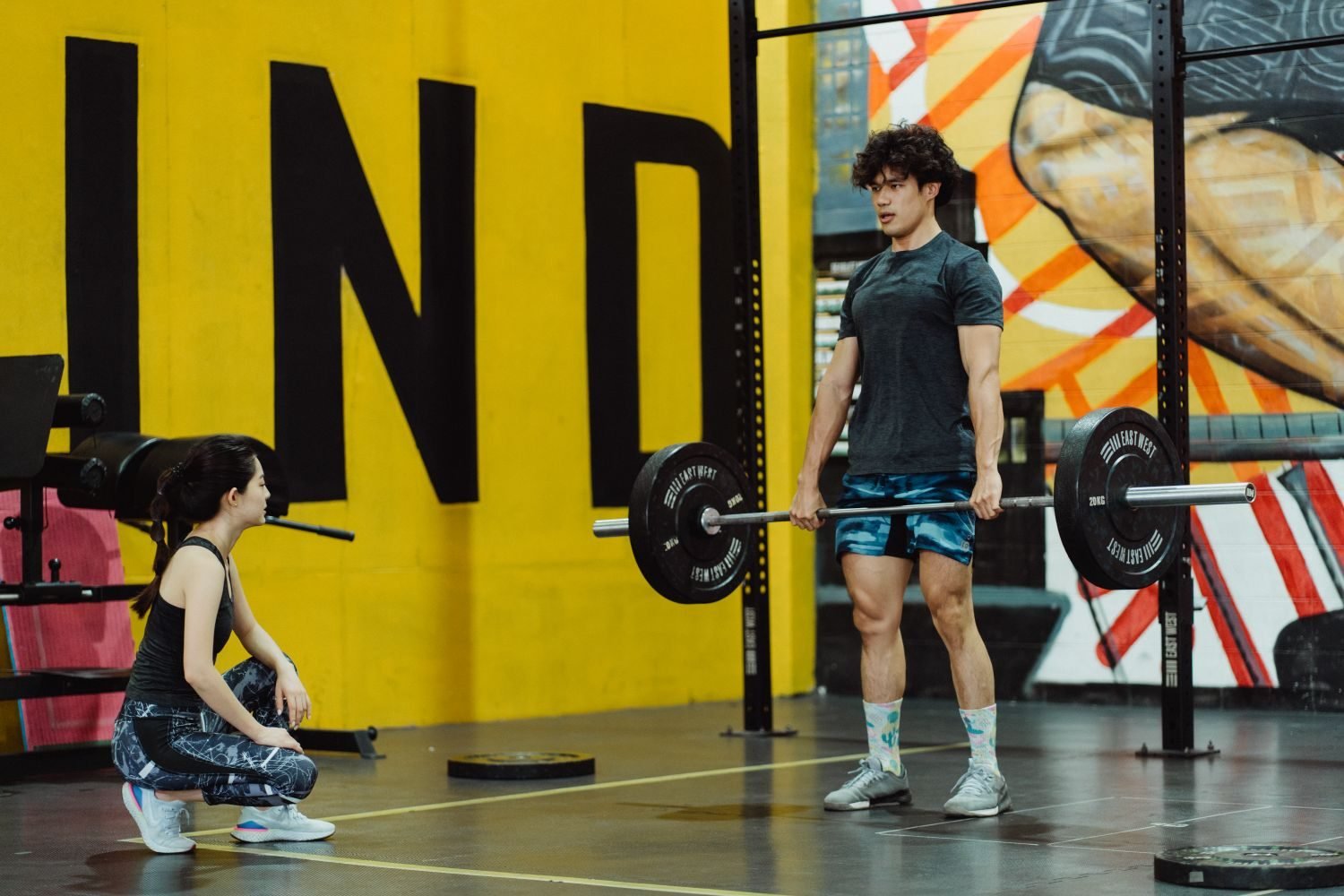
The deadlift is a hip-hinge movement, not a squat, even though it looks like one from across the gym. Your hamstrings and glutes do most of the work extending the hips. Your lower back (specifically the erectors) holds your spine in a neutral position under load rather than actively bending it. Your traps and upper back keep the bar close to your body and your shoulders from rounding forward. Grip and forearms get worked too, just as a side effect of holding onto a heavy bar for multiple reps.
If you’re chasing a stronger squat, a faster sprint, or just a back that doesn’t complain when you pick up a suitcase, this is the lift that carries over the most.
How Do You Set Up a Deadlift Correctly?
This isn’t a full biomechanics breakdown, you don’t need one to deadlift well. You need a handful of setup cues, done the same way every rep.
- Bar over mid-foot. Not against your shins yet, over the middle of your foot. This keeps the bar path vertical instead of swinging out and forward as you stand up.
- Hips down, chest up. Bend your knees until your shins touch the bar, then set your hips at a height where your shoulders sit slightly above your hips and your back is flat, not rounded and not overly arched.
- Grip just outside your knees. Arms stay straight and long, like hooks. They don’t pull the bar, they just hold on.
- Brace before you pull. Take a breath into your belly, tighten your midsection like you’re about to take a punch, and keep that brace through the whole rep.
- Push the floor away. A deadlift isn’t really a pull off the ground, it’s closer to a leg press against the floor. Drive through your feet and let the bar rise as your hips and knees extend together.
- Lock out with hips, not lower back. Squeeze your glutes at the top. Don’t lean back or hyperextend to finish the rep, that’s your lower back doing a job your glutes should be doing.
The most common mistake we see, across almost every fitness level, is rushing the setup. People get under the bar, grab it, and yank, and the first inch off the floor is where the back rounds and the whole rep goes sideways. Slow down at the bottom. The rep is basically decided before the bar leaves the ground.
If you’re working around core stability issues or your torso tends to twist under load, it’s worth pairing your deadlift sessions with rotational core work. Our woodchopper workout guide covers a movement that builds the kind of trunk control that keeps your spine locked in place during a heavy pull.
What Are the Main Deadlift Variations, and What Do They Emphasize?
“Deadlift” isn’t one exercise, it’s a family of them. Each variation shifts the load slightly, and picking the right one depends on your goals, your leverages, and honestly what feels right in your own hips.
| Variation | Setup | Primary Emphasis | Best For |
|---|---|---|---|
| Conventional | Feet hip-width, hands outside legs, longer range of motion | Whole posterior chain, lower back, grip | Building raw strength, most weight lifted overall |
| Romanian Deadlift (RDL) | Start standing, knees stay soft, hips hinge back, bar stays close to legs | Hamstrings and glutes under a deep stretch | Hamstring size and strength, hinge pattern practice |
| Sumo | Wide stance, hands inside the knees, upright torso | Glutes, quads, inner thighs, shorter range of motion | Lifters with long torsos or lower back sensitivity |
| Trap Bar | Stand inside a hexagonal bar, neutral grip handles | Quads and glutes, more upright spine position | Beginners, athletes, anyone wanting less lower back stress |
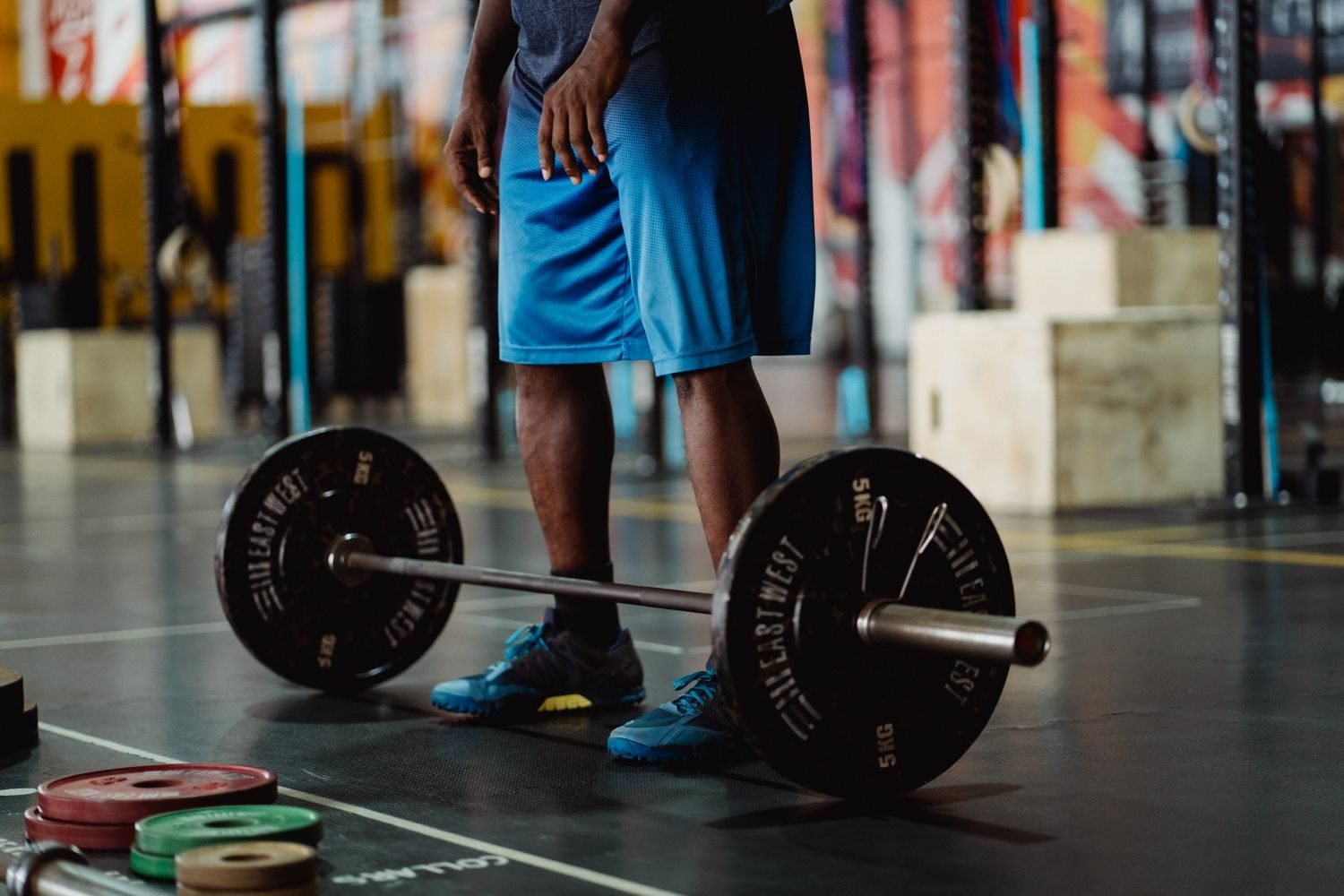
The conventional deadlift is what most people picture, and it’s usually where you’ll lift the most total weight because the setup gives you a strong mechanical position. The Romanian deadlift trades range of motion for a longer stretch on the hamstrings, which makes it one of the best hamstring builders in the gym. We’ve written a full breakdown of that variation in our RDL workout guide if you want to make it the focus of a session rather than an accessory move.
Sumo shortens the range of motion with a wider stance and works well for lifters who feel conventional deadlifts in their lower back more than their legs. Trap bar deadlifts let you stand inside the load instead of in front of it, which keeps your torso more upright and takes a noticeable amount of stress off the spine, making it a smart starting point if you’re new to loaded hip hinges or coming back from a back issue.
What Does a Deadlift-Focused Workout Look Like?
You don’t need to deadlift heavy more than once or twice a week. It’s a taxing lift, and recovery matters as much as the lift itself. Here’s a sample session we’d program for someone building strength on the pull, with deadlifts as the main event.
| Exercise | Sets | Reps | Notes |
|---|---|---|---|
| Conventional Deadlift | 4 | 5 | Heaviest lift of the day, done first while you’re fresh |
| Romanian Deadlift | 3 | 8-10 | Lighter than your conventional working weight, focus on the hamstring stretch |
| Bulgarian Split Squat | 3 | 10 per leg | Single-leg strength and stability |
| Barbell Row or Lat Pulldown | 3 | 10-12 | Upper back volume to support your deadlift lockout |
| Hanging Leg Raise or Plank | 3 | To failure / 30-45 sec | Core bracing carries directly into your next pull |
If your training week is arm-light, tack on a short accessory finisher, something like our preacher curl workout pairs fine on a day like this once your lower body work is done. And if you want to see how a lift like this fits into a full week of training rather than a single session, our bulking workout plan guide lays out a full split where Romanian deadlifts show up as part of a structured week.
How Often Should You Deadlift?
Once a week at real working weight is enough for most people to build strength steadily without digging a recovery hole. Some lifters do well with a second, lighter session, RDLs or a lighter conventional pull, a few days later. What matters more than frequency is whether your form holds up on the last set of a session. The moment your back starts rounding to finish a rep, that’s your body telling you the set is over, not a rep to grind through.
Frequently Asked Questions
What is a deadlift workout?
A deadlift workout is a training session centered on the deadlift and its variations, lifting a loaded bar from the floor to a standing position. It trains the hamstrings, glutes, lower back, and traps as a unit, making it one of the most efficient exercises for building total-body strength and a resilient posterior chain.
How do you do a deadlift workout properly?
Set the bar over your mid-foot, hinge your hips back with a flat spine, grip just outside your knees, and brace your core before pulling. Drive through your feet to stand up, keeping the bar close to your legs the entire way. Lock out with your glutes, not your lower back, and reset your position between every rep.
What are the benefits of a deadlift workout?
Deadlifts build strength across your entire posterior chain, improve grip, and reinforce the hip-hinge pattern you use constantly in daily life, like picking things up off the floor. They also carry over to other lifts and sports, since hip extension power underpins squatting, sprinting, and jumping.
Is it better to deadlift with a barbell or a trap bar?
Neither is strictly better, they suit different goals. A barbell deadlift allows more total load and trains the back and hips through a longer range of motion. A trap bar keeps your torso more upright and reduces lower back stress, which makes it a smart choice for beginners or anyone easing back into heavy pulling.
Can beginners do deadlift workouts safely?
Yes, with the right progression. Start with lighter loads, or a trap bar, and prioritize a flat back and controlled setup over the weight on the bar. If you have any existing back issues, get cleared by a doctor or physical therapist before loading a deadlift heavily, and consider working with a coach who can watch your form in person or on video.
Deadlift form is genuinely hard to self-assess. You can’t see your own back angle from inside your body, and a mirror only shows you the front. That’s exactly why form correction is one of the actual features we offer in 1-on-1 personal training at FitStrot: you upload a video of your set, and Yash reviews it and sends back specific, personalized feedback on your setup, bar path, and lockout, the same way we would if we were standing next to you in the gym. If you’ve been guessing on your deadlift form for months, that’s the fastest way to stop guessing.