A workout routine is the specific sequence of exercises, sets, and reps you repeat in a given session, done consistently enough that your body and your calendar both know what’s coming. Where a workout plan covers your overall strategy and a weekly workout schedule decides which days you train, a routine is the actual content of a session, the exercises in order, done the same way often enough to become a habit. Get the routine right and it stops feeling like a decision you make every morning. It just becomes what you do.
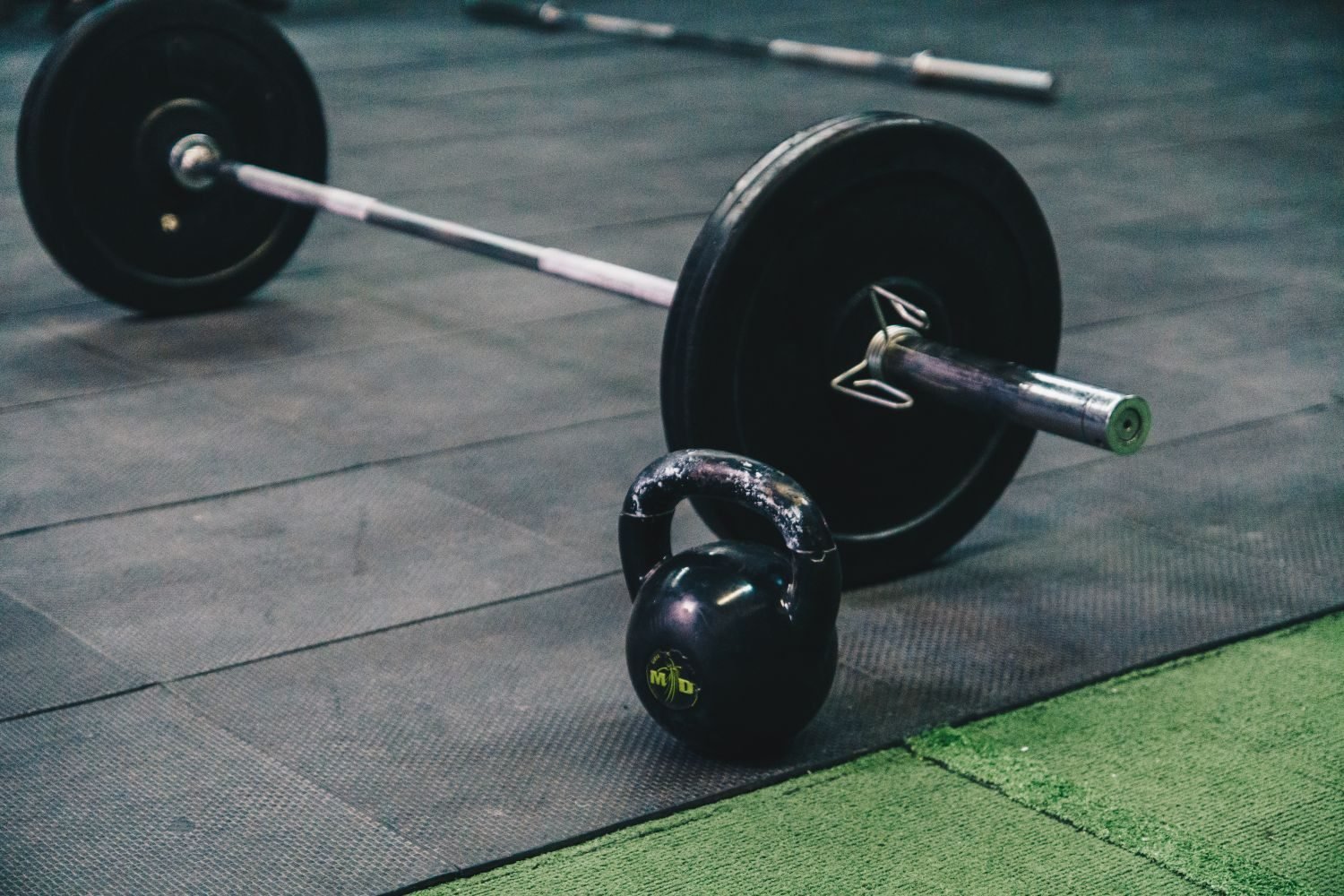
What Exactly Is a Workout Routine?
Think of your training in three layers. The plan is the big picture: your goal, your split, how long you’ll train for before reassessing. The schedule is the calendar: Monday, Wednesday, Friday, or six days a week with one rest day. The routine sits underneath both of those. It’s what you physically do once you walk into the gym or roll out a mat at home, exercise by exercise, in order.
A routine repeats. That’s the whole point. You don’t reinvent your Tuesday workout every Tuesday. You run a version of the same session, week after week, with small adjustments in weight or reps. That repetition is what builds skill in the lift, confidence in the gym, and eventually the automatic “I know what I’m doing here” feeling that separates people who stick with training from people who quit in month two.
What Should a Good Workout Routine Include?
A routine that actually works has the same basic skeleton every time, even if the exercises change:
- Warm-up: 5 to 8 minutes of light cardio plus dynamic movement for the joints you’re about to load. Skip this and your first working set becomes your warm-up, which is how people tweak a shoulder or a lower back.
- Primary compound lift: One heavy, multi-joint movement done first while you’re fresh. Squat, deadlift, bench, overhead press, row, or a pull-up variation.
- Secondary movements: Two or three exercises that support the main lift or hit the same muscle group from a different angle.
- Isolation and accessory work: Smaller movements for arms, calves, core, or weak points. Higher reps, lower risk.
- Cool-down: A few minutes of stretching or walking to bring your heart rate down.
Every good routine follows this shape. What changes is the exercise selection based on which muscle groups you’re training that day.
What Does a Sample Workout Routine Look Like?
Here’s a real push day routine we use with clients following a push pull legs split. This is the exact session structure, repeated weekly with progressive overload:

| Exercise | Sets x Reps | Rest | Notes |
|---|---|---|---|
| Barbell Bench Press | 4 x 6-8 | 90 sec | Main lift, done first |
| Seated Dumbbell Shoulder Press | 3 x 8-10 | 75 sec | Control the negative |
| Incline Dumbbell Press | 3 x 10-12 | 60 sec | Upper chest focus |
| Cable Lateral Raise | 3 x 12-15 | 45 sec | Light weight, strict form |
| Tricep Rope Pushdown | 3 x 12-15 | 45 sec | Elbows pinned to sides |
| Overhead Tricep Extension | 2 x 12-15 | 45 sec | Finisher |
Run this exact routine every push day for four to six weeks, adding weight or reps whenever you can, before swapping any exercises. That’s what makes it a routine instead of a random collection of exercises you picked off Instagram.
How Do You Build a Workout Routine From Scratch?
Start with your split, not your exercise list. Decide whether you’re training full body three times a week, upper/lower four times, or push/pull/legs five to six times. That decision comes from your weekly schedule and how many days you can realistically train.
Once the split is set, pick one compound lift per major movement pattern for each session: a squat pattern, a hinge pattern, a horizontal push, a horizontal pull, a vertical push, a vertical pull. Build the rest of the session around those anchors. Keep the same anchors for at least a month before changing anything. Beginners especially need repetition to learn the movement, not variety.
Write the routine down. Not mentally, actually on paper or in a notes app, with the exercise order, sets, reps, and the weight you used last time. If you can’t tell me what you lifted last Tuesday, you don’t have a routine. You have vague intentions.
How Do You Actually Stick to a Routine?
This is where most people fail, and it’s rarely about the exercises. We see clients who can design a perfect routine on paper but can’t survive three weeks of actually doing it, because they never built the habit infrastructure around it.
A few things that consistently work:
Anchor it to an existing habit. Train right after you drop your kid at school, or right before your evening shower. Attaching the workout to something you already do daily removes the decision-making.
Keep the first two weeks boring. Don’t chase soreness or a killer pump early on. The goal in week one and two is just showing up and doing the routine as written. Excitement fades. Habit doesn’t.
Track completion, not perfection. A tick mark on a calendar for every session you finish does more for adherence than any amount of motivation talk. You’re not trying to be perfect, you’re trying to not miss twice in a row.
Plan for disruption. Travel, festivals, work deadlines, and monsoon flooding are all going to interrupt your routine at some point if you live and train in India. Decide in advance what your “minimum viable session” looks like on a bad day, even if it’s just 20 minutes of bodyweight work, so a broken week doesn’t turn into a broken month.
A routine only counts as a routine once you’ve repeated it enough times that skipping it feels wrong. That usually takes four to six weeks of consistent effort, not motivation.
How Often Should You Change Your Routine?
Every four to eight weeks is a reasonable window for most lifters. Change too often and you never build the mind-muscle connection or the strength progression that comes from repeating a lift. Change too rarely and your body adapts to the point where progress stalls.
You don’t need to overhaul the whole routine each time either. Swapping one or two exercises, adjusting rep ranges, or changing the order is usually enough to keep progressing without losing the consistency that made the routine work in the first place.
What Are the Benefits of Following a Routine Consistently?
Beyond the obvious strength and fitness gains, a consistent routine gives you a clear read on progress. When you’re doing the same lifts week after week, an extra rep or five more kilos on the bar tells you something real. Random workouts give you no baseline to compare against.
It also cuts decision fatigue. You’re not standing in the gym scrolling through exercise ideas, you already know what’s next. And it builds the kind of joint and tendon durability that comes from repeated, progressive exposure to the same movement patterns, which is a big part of staying injury-free long term.
Frequently Asked Questions
What is a workout routine?
A workout routine is the specific sequence of exercises, sets, and reps you repeat in each training session, such as your Monday push day or your leg day pattern. It sits underneath your broader workout plan and weekly schedule, and it’s meant to stay largely consistent for several weeks so you can track real progress.
How do you do a workout routine correctly?
Warm up for 5 to 8 minutes, then train your main compound lift first while you’re fresh, followed by two or three secondary movements and some isolation work. Keep the exercise order and rep ranges consistent for four to six weeks, log your weights each session, and progress by adding small amounts of weight or reps over time.
What are the benefits of a workout routine?
A consistent routine builds strength faster because you’re progressively overloading the same lifts instead of starting over each session. It removes decision fatigue, gives you a clear baseline to track progress against, and lowers injury risk since your joints and connective tissue adapt gradually to familiar movement patterns.
How is a workout routine different from a workout plan?
A workout plan is your overall strategy: your goal, timeline, and training split. A routine is the actual exercise sequence you execute in a single session, repeated over weeks. The plan tells you where you’re headed, the routine is what you physically do each time you train.
How long should you follow the same workout routine?
Four to eight weeks is a solid window for most people. That’s enough repetition to build strength and skill in the movements while still short enough to rotate exercises before you plateau. You can tweak a lift or two along the way without abandoning the whole routine.
Building a routine on your own from a table like this is a decent start, but the version that actually gets you results is one built around your body, your schedule, and your recovery, then adjusted as you progress. That’s exactly what a coach does. If you want a routine designed specifically for you instead of adapted from a generic template, check out FitStrot’s 1-on-1 personal training and work with someone who’ll actually watch how you move.