The 7 chakras are the seven main energy centers described in yogic and tantric tradition, running in a line from the base of the spine to the crown of the head: Muladhara (root), Svadhisthana (sacral), Manipura (solar plexus), Anahata (heart), Vishuddha (throat), Ajna (third eye), and Sahasrara (crown). Each chakra is linked to a Sanskrit name, a color, an element, a seed sound (bija mantra), and a set of physical and emotional themes, from safety and survival at the root to spiritual connection at the crown. In yoga practice, working with the 7 chakras means using specific postures, breathwork, and meditation to keep each energy center feeling open rather than “blocked,” and this article walks through each one in detail.
What Are the 7 Chakras?
The 7 chakras are energy centers that yogic philosophy places along the sushumna, a central channel described as running parallel to the spine from the pelvic floor to the crown of the head. The word “chakra” is Sanskrit for “wheel” or “disc,” reflecting the traditional image of each center as a spinning wheel of energy. Two supporting channels, ida and pingala, are said to cross the sushumna at each chakra point, and these crossing points are what give each chakra its traditional lotus-flower symbol with a specific number of petals.
This seven-chakra framework became the standard model in modern yoga largely through 20th-century translations of older Sanskrit tantric texts, and it is now the system taught in nearly every style of yoga teacher training. It’s worth noting clearly that Western science does not treat chakras as physical anatomical structures. What is well documented, however, is that the practices used to “balance” them, including hatha yoga, pranayama, and seated meditation, have measurable benefits for stress reduction, flexibility, and focus.
1. Muladhara: The Root Chakra
Muladhara, the root chakra, sits at the base of the spine near the pelvic floor and is associated with the color red, the element earth, and the seed sound “LAM.” It governs feelings of safety, stability, and basic survival needs, food, shelter, and a sense of belonging in the body. When Muladhara feels balanced, practitioners often describe a grounded, steady quality; when it feels disrupted, common signs include anxiety, restlessness, or a general sense of being ungrounded.
Grounding standing poses build Muladhara most directly because they create immediate, tangible feedback through the legs and feet. Mountain Pose, Warrior II, and Child’s Pose are common choices, often paired with slow diaphragmatic breathing and a visualization of red light at the base of the spine. For a full breakdown of this chakra’s poses, mantra, and imbalance signs, see the dedicated Muladhara chakra guide.
2. Svadhisthana: The Sacral Chakra
Svadhisthana, the sacral chakra, is located a few inches below the navel, roughly in the pelvic area, and is linked to the color orange, the element water, and the seed sound “VAM.” This center is traditionally associated with creativity, pleasure, emotional flow, and sexuality. A balanced sacral chakra is described as supporting healthy emotional expression and creative output, while a disrupted one is often linked to emotional numbness or, conversely, emotional overwhelm.
Hip-opening poses are the most direct physical entry point to this chakra, since Svadhisthana sits close to the hip joints and pelvis. Poses like Bound Angle Pose, Pigeon Pose, and gentle hip circles in a warm-up sequence are commonly used, often practiced in flowing, water-like movement rather than static holds. Anyone working through tight hips more generally may also find hip-opening yoga poses useful as a complementary practice.
3. Manipura: The Solar Plexus Chakra
Manipura, the solar plexus chakra, sits in the upper abdomen near the stomach and is associated with the color yellow, the element fire, and the seed sound “RAM.” This is the chakra of personal power, willpower, confidence, and self-esteem. Traditional descriptions link a balanced Manipura to a strong sense of purpose and healthy assertiveness, while an imbalanced one is associated with low self-worth or, on the other end, controlling behavior.
Core-strengthening poses build heat and activation in this area: Boat Pose, Warrior I, and twisting poses that compress and release the abdomen are typical choices. Kapalabhati, a rapid-breathing pranayama technique sometimes called “skull-shining breath,” is also traditionally tied to Manipura because of the way it engages the abdominal muscles and generates internal heat. Anyone new to breathwork should start with gentler pranayama breathing techniques before progressing to more vigorous practices like Kapalabhati.
4. Anahata: The Heart Chakra
Anahata, the heart chakra, is located at the center of the chest and is associated with the color green, the element air, and the seed sound “YAM.” As the midpoint of the seven-chakra system, it bridges the three lower, more physical chakras with the three upper, more spiritual ones, and it governs love, compassion, and connection, both to others and to oneself. A balanced heart chakra is described as supporting empathy and healthy boundaries, while a disrupted one is often linked to either emotional guardedness or excessive self-sacrifice.
Backbends and chest-opening poses work this chakra most directly by physically expanding the sternum and shoulders. Camel Pose, Cobra Pose, and Fish Pose are commonly sequenced here, often paired with a metta-style loving-kindness meditation. Many chakra-focused classes place Anahata work right after a sun salutation (Surya Namaskar) warm-up, since the heart center benefits from a body that is already warm and open through the shoulders.
5. Vishuddha: The Throat Chakra
Vishuddha, the throat chakra, sits at the base of the throat and is associated with the color blue, the element ether or space, and the seed sound “HAM.” This center governs communication, self-expression, and truthfulness, both speaking one’s truth and listening to others. A balanced throat chakra is linked to clear, confident communication, while an imbalanced one is associated with either an inability to speak up or, at the other extreme, talking over others without listening.
Neck and shoulder openers, along with chanting and vocal toning, are the traditional tools for this chakra. Fish Pose, Shoulder Stand (practiced cautiously and only with adequate preparation), and Plow Pose are common asana choices, frequently paired with chanting the seed sound aloud rather than silently. Ujjayi breath, the ocean-sounding breath used throughout many vinyasa classes, is also traditionally tied to Vishuddha because the sound is generated at the back of the throat.
6. Ajna: The Third Eye Chakra
Ajna, the third eye chakra, is located between the eyebrows and is associated with the color indigo, no single physical element (it is sometimes linked to light or the mind itself), and the seed sound “OM” or “AUM.” This chakra governs intuition, insight, and the ability to see clearly, both literally and in the sense of discernment and inner wisdom. A balanced Ajna is described as supporting clarity and good judgment, while a disrupted one is linked to confusion, overthinking, or difficulty trusting one’s own instincts.
Because Ajna sits at the level of the mind rather than a specific muscle group, seated meditation and concentration practices are the primary tools here rather than dynamic poses. Child’s Pose with the forehead resting on the mat, gentle forward folds, and trataka (candle-gazing meditation) are commonly used. Many practitioners pair Ajna work with silent mindfulness meditation or a guided visualization focused on the space between the eyebrows.
7. Sahasrara: The Crown Chakra
Sahasrara, the crown chakra, sits at the very top of the head and is associated with the color violet or white, no physical element (it is considered purely energetic or spiritual), and is often practiced in silence rather than with a spoken seed sound. This is the chakra of spiritual connection, higher consciousness, and a sense of unity beyond the individual self. Traditional texts describe a balanced Sahasrara as supporting a sense of purpose and connectedness, while an imbalanced one is linked to feeling disconnected, cynical, or overly attached to material concerns.
Because Sahasrara sits beyond the physical body’s direct influence, it is worked with almost entirely through stillness: seated meditation, silence, and practices like yoga nidra that guide the practitioner toward deep, quiet awareness. Headstand is sometimes included symbolically in chakra-flow sequences because it inverts the body toward the crown, though it should only be attempted by practitioners with solid alignment training and no contraindications.
How Do the 7 Chakras Connect to Each Other?
The seven chakras are traditionally described as a single continuous system rather than seven separate, unrelated points. Energy is said to move upward along the sushumna channel from Muladhara to Sahasrara, with each chakra building on the stability established by the one below it. This is why most structured chakra practices, including full chakra yoga sequences, move in order from the root upward rather than jumping between centers.
The lower three chakras (root, sacral, solar plexus) are generally described as governing the physical and personal self, while the upper three (throat, third eye, crown) govern expression and spiritual connection. Anahata, the heart chakra, sits at the midpoint and is traditionally seen as the bridge between the two halves, which is part of why so many yoga classes place heart-opening work at the center of a chakra-themed sequence.
What Are the Colors and Symbols of the 7 Chakras?
Each of the seven chakras is traditionally assigned a color that corresponds to its position in the rainbow spectrum, moving from red at the base to violet at the crown. This progression is often visualized during meditation, moving attention up the spine while picturing each color in turn.
| Chakra | Sanskrit Name | Color |
|---|---|---|
| Root | Muladhara | Red |
| Sacral | Svadhisthana | Orange |
| Solar Plexus | Manipura | Yellow |
| Heart | Anahata | Green |
| Throat | Vishuddha | Blue |
| Third Eye | Ajna | Indigo |
| Crown | Sahasrara | Violet or white |
Each chakra is also traditionally depicted as a lotus flower with a specific number of petals, ranging from four petals at Muladhara to a thousand petals at Sahasrara, which is where the crown chakra gets its Sanskrit name (sahasrara means “thousand-fold”). Within each lotus, Sanskrit symbols represent the specific sound vibrations and elemental qualities associated with that center, and these images are commonly used in guided meditations and yoga mudra practices tied to each chakra.
What Are the Seed Sounds (Bija Mantras) for Each Chakra?
Each of the seven chakras has a one-syllable seed sound, or bija mantra, traditionally chanted to activate and balance that specific energy center: LAM (root), VAM (sacral), RAM (solar plexus), YAM (heart), HAM (throat), OM (third eye), and silence (crown). These sounds are typically chanted on a slow exhale, either aloud or internally, while holding attention on the corresponding physical location.
Chanting practice is often built into a seated meditation, moving through all seven sounds in sequence from root to crown as a complete chakra-balancing exercise. Because the sounds are simple and repetitive, this practice is accessible even for complete beginners, and many people combine it with guided meditation recordings that lead them through each sound and its associated color and location.
How Do Mudras Support the 7 Chakras?
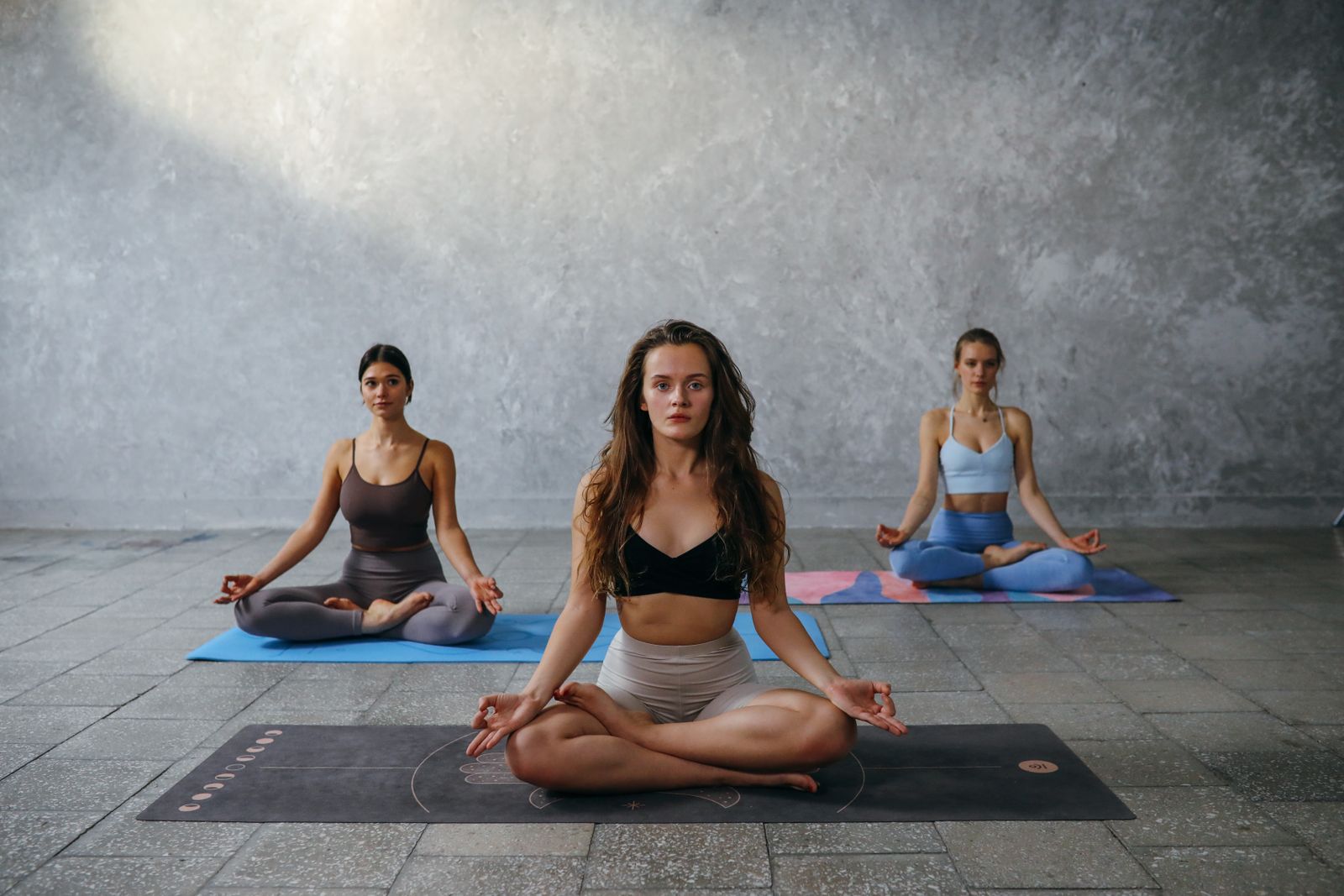
Mudras, symbolic hand gestures used throughout yoga and meditation, are traditionally paired with specific chakras to help direct energy toward that center. For example, Prithvi mudra (touching the tip of the ring finger to the thumb) is associated with Muladhara and the earth element, while Gyan mudra (touching the tip of the index finger to the thumb) is more broadly associated with Ajna and clarity of mind.
Because mudras require no movement and can be held during seated meditation, they’re often used as a subtle complement to asana and breathwork rather than a replacement for it. Holding a specific mudra while chanting the corresponding seed sound and visualizing the chakra’s color is a common way to combine all three tools in a single short practice. For a complete breakdown of individual hand positions and what each one is traditionally used for, see this guide to yoga mudra practice.
How Do You Know If a Chakra Is Blocked?
Traditional chakra theory describes a “blocked” chakra as one where energy flow feels restricted, often showing up as a cluster of physical and emotional symptoms tied to that specific center. A blocked root chakra, for instance, is commonly linked to anxiety and financial or physical insecurity, while a blocked throat chakra is linked to difficulty speaking up or chronic tension in the neck and jaw.
It’s worth being direct about the limits of this framework: there is no scientific instrument that measures chakra blockages, and these symptom lists should be read as a traditional, symbolic framework rather than a diagnostic tool. That said, many people find the framework genuinely useful as a structured way to notice patterns, for example, realizing that period of throat tightness and communication difficulty lines up with a season of avoiding hard conversations, and then addressing it through targeted breathwork, poses, or simply more honest conversations.
How Do You Practice All 7 Chakras in One Session?
A full seven-chakra practice typically moves through each center in order, spending five to ten minutes on each with a combination of a physical pose, a breathing pattern, and the seed sound, for a session lasting 45 to 75 minutes total. Beginners often start with a shorter version, choosing just two or three chakras that feel most relevant that day rather than working through all seven at once.
A simple structure looks like this:
- A few minutes of grounding at Muladhara (root)
- Hip movement for Svadhisthana (sacral)
- Core activation for Manipura (solar plexus)
- Chest opening for Anahata (heart)
- Neck and throat work for Vishuddha (throat)
- Quiet forehead-focused stillness for Ajna (third eye)
- A final period of silent seated meditation for Sahasrara (crown)
Ending the practice in yoga nidra or a few minutes of stillness allows the effects of the full sequence to settle before returning to daily activity.
What’s the Difference Between the 7 Chakras and Chakra Yoga?
The 7 chakras themselves are the underlying framework, the seven energy centers, their colors, elements, and associated themes, while chakra yoga is the practice built around that framework. Understanding the 7 chakras means knowing what each center represents and where it sits in the body; practicing chakra yoga means actually moving through poses, breathwork, and meditation organized around those centers in a class or personal sequence.
For a full guide to how a chakra yoga class is typically structured, including how teachers sequence poses and pranayama around each energy center, see this complete chakras and chakra yoga guide. Many practitioners find it useful to start with this article to understand what each chakra represents, then move to a full chakra yoga sequence once the framework feels familiar.
Questions People Ask About the 7 Chakras
What are the names of the 7 chakras in order?
From base to crown, the seven chakras are Muladhara (root), Svadhisthana (sacral), Manipura (solar plexus), Anahata (heart), Vishuddha (throat), Ajna (third eye), and Sahasrara (crown). Each sits at a specific point along the spine and torso, from the pelvic floor up to the top of the head, and each carries its own color, element, and seed sound.
What chakra is usually blocked the most?
There’s no single chakra that is universally blocked in everyone; it depends on individual life circumstances and stress patterns. That said, the root chakra (Muladhara) and throat chakra (Vishuddha) are frequently cited in yoga teaching as common trouble spots, since financial or physical insecurity and difficulty with self-expression are widespread modern stressors.
How long does it take to balance all 7 chakras?
There is no fixed timeline, since chakra balancing is an ongoing practice rather than a one-time fix. A single guided session touching all seven chakras can take 45 to 75 minutes, but most teachers recommend regular, short practice, even 10 to 15 minutes a few times a week, over months rather than treating it as a problem solved in one sitting.
Can beginners work with all 7 chakras at once?
Yes, though many teachers suggest beginners start with just the lower three chakras (root, sacral, solar plexus) before adding the upper four, since grounding and stability practices tend to be easier to feel and build confidence quickly. A full seven-chakra sequence can absolutely be attempted from day one; it just may feel more abstract until some familiarity with the framework develops.
Do you need special equipment to work with the 7 chakras?
No special equipment is required. A yoga mat, a quiet space, and a few minutes of uninterrupted time are enough to begin. Some practitioners use props like crystals, essential oils, or colored cloths associated with each chakra’s traditional color, but these are optional additions rather than requirements for the practice to be effective.
Is chakra work the same in every yoga tradition?
No. While the seven-chakra model is the most common framework in modern Western yoga, some tantric and Ayurvedic traditions describe additional minor energy centers, different color associations, or slightly different placements. The seven-chakra system covered here reflects the version most widely taught in contemporary yoga classes and teacher trainings.
Try This for Yourself
Reading about the seven chakras is a useful starting point, but feeling the shift in your own body and breath is a different experience entirely. If you’d like personalized, real-time guidance moving through a full chakra-balancing sequence, tailored to exactly where you are today, try a live class with FitStrot’s online yoga classes and work directly with an instructor who can adjust the pace, poses, and breathwork to your needs.
Related reading: Chakras Explained: How Chakra Yoga Works | Muladhara Chakra: The Root Chakra Guide | Yoga Mudra: A Complete Guide | Pranayama Breathing Techniques | Explore FitStrot’s Online Yoga Classes