If your hair is thinning, shedding more than usual, or growing slower than it used to, the most likely culprit isn’t your shampoo — it’s what’s missing from your plate. Good hair nutrition means consistently getting enough iron, protein, zinc, vitamin D, and omega-3 fatty acids, since hair follicles are metabolically demanding tissue that gets deprioritized the moment your body runs short on any of these. Low ferritin (stored iron) is one of the most common, and most overlooked, causes of diffuse hair thinning in women. Crash diets and very low-calorie eating can trigger noticeable shedding within two to three months. The fix usually isn’t a single supplement — it’s rebuilding your diet around the nutrient gap you’re likely running, then giving your body three to six months to show results.
Which nutrition is good for hair, and why does it matter so much?
Hair follicles are among the most metabolically active structures in the body, second only to bone marrow in cell turnover. Because they aren’t essential for survival, your body treats them as expendable — when nutrient supply runs low, follicles get rationed first. That’s why nutrition and hair loss are so closely linked: a shortfall that shows up nowhere else in your bloodwork can still show up on your scalp. The nutrients linked most consistently to hair loss are iron, protein, zinc, vitamin D, biotin, and omega-3s, though not every one deserves equal attention. Low iron is common and highly correctable through food, while true biotin deficiency is rare in anyone eating a varied diet.
Which nutrient gap matches your specific hair symptom?
Diffuse thinning or increased shedding in the shower or brush
This pattern points most often to low iron. Iron deficiency is one of the most common nutritional causes of hair loss in women, because iron carries oxygen to hair follicles, and low levels push more hairs into the resting (telogen) phase early. Many labs flag ferritin as “normal” starting around 20 ng/mL, but research on women with diffuse shedding found over half of them sat right around that cutoff, while optimal hair growth is generally linked to ferritin closer to 70 ng/mL. If your bloodwork came back “normal” but your hair is still shedding, ask for the actual ferritin number.
Slow growth, brittle strands, or hair that won’t get past a certain length
This is often a protein and zinc story. Hair is made almost entirely of a protein called keratin, so a diet chronically light on protein leaves your body without the raw material to build strong strands. Zinc works alongside protein to maintain structural integrity and prevent brittleness. Whole grains, lentils, chickpeas, oysters, and pumpkin seeds are strong zinc sources — see our guide on protein and nutrition.
Patchy shedding or hair loss that started suddenly
Vitamin D deficiency has been linked to alopecia areata, an autoimmune condition causing patchy hair loss, and vitamin D levels tend to run lower in people with hair loss conditions, including female pattern hair loss. Vitamin D helps activate hair follicles, so low levels can stall growth even when other nutrients are adequate. Sudden or patchy loss, rather than gradual thinning, is a clearer signal to see a dermatologist instead of self-treating.
Dry, dull hair with a flaky or irritated scalp
This combination often points to low omega-3 intake. Omega-3 fatty acids support scalp health and hydration by maintaining cell membranes and modulating inflammation. Fatty fish like salmon, mackerel, sardines, and anchovies are the most concentrated sources; walnuts, flaxseeds, and chia seeds are solid plant-based backups. Our omega-3 nutrition guide covers intake targets.
What is the best nutrition for hair regrowth after noticeable shedding?
Regrowth works differently from maintenance: you’re trying to restart follicles that have already shifted into a resting phase, which takes more patience than most people expect. Start with the nutrients that have the strongest evidence behind supplementation when a deficiency is confirmed — vitamin D, iron, and vitamin C — mainly because vitamin C dramatically improves how much iron your body absorbs from food. Pair plant-based iron sources (lentils, chickpeas, spinach, tofu, fortified cereals) with a vitamin C source like citrus or bell peppers at the same meal, since non-heme iron from plants is harder to use alone. Heme iron from red meat, organ meats, oysters, sardines, and dark poultry meat is absorbed far more efficiently.
Beyond iron, prioritize protein at every meal (eggs, lentils, chicken, tofu, fish) for the amino acids needed to rebuild keratin; zinc a few times a week (pumpkin seeds, chickpeas, whole grains); fatty fish twice a week for scalp-supporting omega-3s; and sensible sun exposure or a vitamin D source if your sunlight is limited.
Regrowth is slow to notice by design — hair grows roughly half an inch a month, and a shed hair must complete a new cycle before you’ll see the difference. Give a diet change three months before judging results, six for a fuller picture. An online nutritionist consultation can help you build a plan around your bloodwork instead of guessing.

What’s the best nutrition for thinning hair if you’re not sure what’s causing it?
Without bloodwork, the safest starting point is a diet covering the full range of hair-relevant nutrients rather than betting on one. Nutrition for thinning hair should look less like a supplement stack and more like a plate that consistently includes protein, an iron source, and healthy fats:
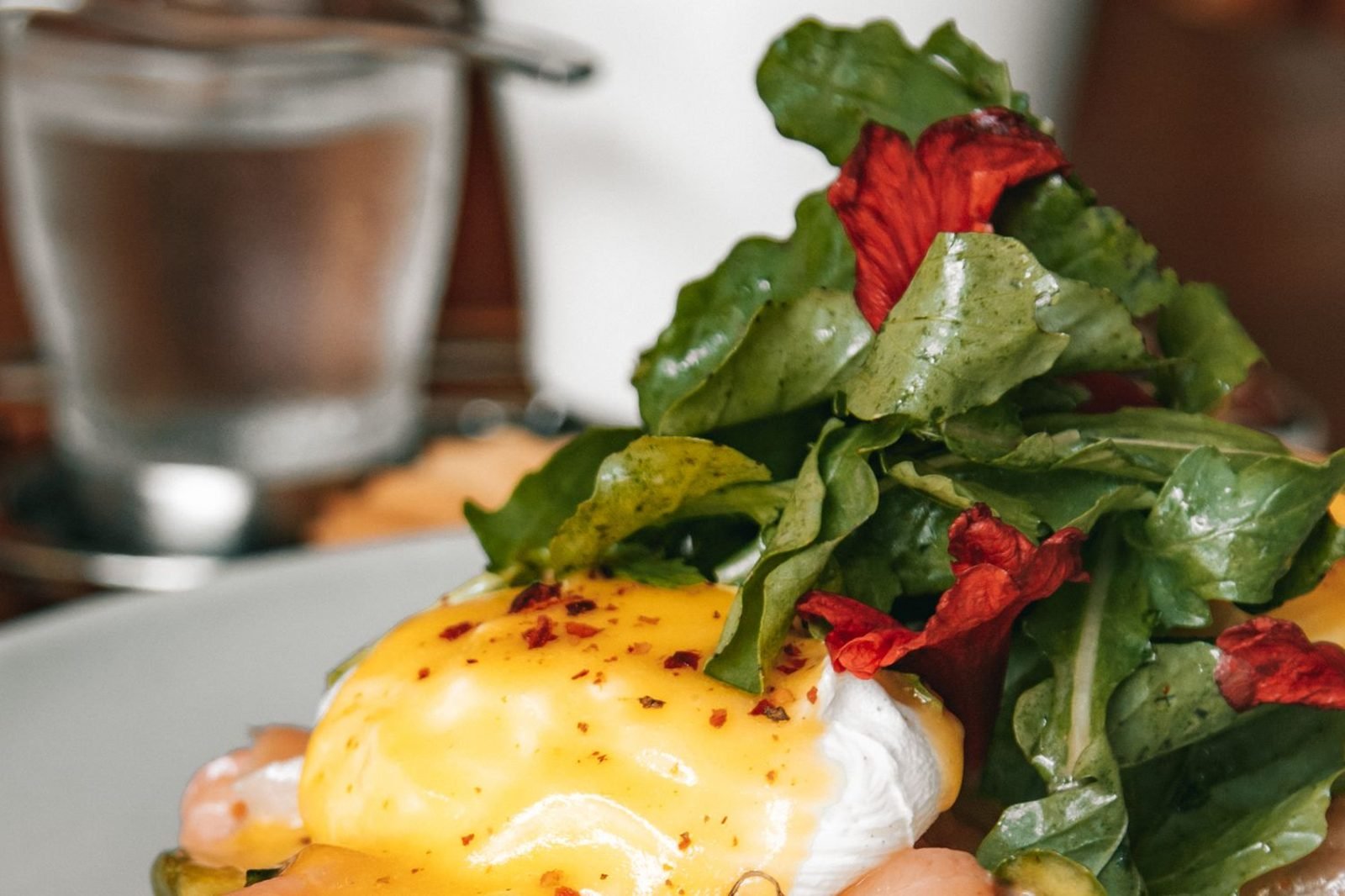
- Breakfast: eggs (protein, biotin, vitamin D) with spinach (iron, folate) and citrus fruit (vitamin C, to boost iron absorption).
- Lunch: a lentil or chickpea-based dish (protein, iron, zinc) with a side of bell peppers.
- Dinner: salmon or another fatty fish (omega-3s, protein, vitamin D) with a whole grain like quinoa.
- Snacks: pumpkin seeds or walnuts (zinc, omega-3s) instead of processed, nutrient-poor options.
Thinning hair from diet usually isn’t one dramatic deficiency — it’s a pattern of under-eating, skipping protein, or cutting entire food groups, which quietly drains several nutrients at once. A significant calorie drop for weight loss is worth flagging on its own, covered next.
Can crash dieting or extreme calorie cutting cause hair loss?
Yes, and it’s one of the most under-recognized causes of sudden shedding. Rapid weight loss, especially on very low-calorie diets, often triggers telogen effluvium — temporary but noticeable, diffuse shedding — because the body diverts nutrients away from “non-essential” tissue like hair follicles toward vital organs when calories are scarce. Shedding typically begins two to three months into a diet under roughly 1,300 calories a day, peaking around month three, and can continue for six to nine months after normal eating resumes. Because it shows up months later, people rarely connect the two, blaming a new shampoo or stress instead.
This type of hair loss is usually reversible once the underlying nutritional stress is corrected, with regrowth typically visible within six to nine months of restoring adequate calories, protein (at least 1.2 grams per kilogram of body weight), iron, zinc, and biotin. It’s a strong argument against extreme deficits even when fat loss is the goal — a moderate reduction protects your hair in a way an aggressive crash diet won’t. See our guide on nutrition and food basics for structuring intake sustainably.
Do hair nutrition tablets actually work, or is food enough?
Hair nutrition tablets can help close a specific, confirmed gap, but they aren’t a substitute for a well-fed diet and won’t do much if you’re not actually deficient in what they contain. The clearest evidence supports supplementing vitamin D, iron, and vitamin C when bloodwork shows you’re low — these three have the most consistent research behind them for hair-related outcomes when a real deficiency exists. Biotin is where expectations run ahead of the evidence: true deficiency does cause thinning and brittle nails, but it’s uncommon in anyone eating a varied diet, so extra biotin is unlikely to speed up growth if you aren’t actually short on it. High-dose biotin can also interfere with thyroid lab tests, so mention any supplement to your doctor before bloodwork.
Treat food as the default strategy, and tablets as a targeted tool for a confirmed shortfall, used after bloodwork shows what’s low. Our vitamin nutrition and zinc nutrition guides break down realistic food-based targets.

How is hair nutrition for men different from hair nutrition for women?
The core nutrients — protein, iron, zinc, vitamin D, omega-3s — matter for everyone, but the most common gap differs by sex, largely because of iron. Blood loss from menstruation makes low ferritin a far more frequent cause of diffuse thinning in women, so checking ferritin specifically, not just a general “iron panel,” is often the highest-value test when women notice shedding. In men, thinning is more commonly driven by androgenetic alopecia, or pattern baldness — largely genetic and hormonal, so no diet change reverses it alone. Men aren’t exempt from nutrient-driven shedding, though: zinc deficiency, crash dieting, low protein, and vitamin D deficiency can all worsen shedding regardless of sex. See our guide on hair nutrition for men for strategies specific to male pattern concerns.
When should you see a doctor about hair loss instead of just changing your diet?
Diet adjustments are worth trying for gradual, diffuse thinning, but certain patterns call for a dermatologist rather than a wait-and-see approach. See a doctor if you notice patchy bald spots, scalp pain, redness, or itching with the hair loss, or if shedding continues past three to six months without improvement — these can signal autoimmune conditions, thyroid issues, or other causes diet alone won’t fix. Also get bloodwork after any extended, significantly calorie-restricted diet, since a deficiency can be brewing before hair loss becomes visible. Ask specifically for ferritin (not just hemoglobin), vitamin D, and zinc, since general “iron” or “CBC” panels can miss the markers that matter most for hair.
Frequently asked questions about hair nutrition
Which nutrition is good for hair if I want the fastest visible results?
No nutrient works overnight, since hair grows in cycles — expect three months minimum. Prioritize protein at every meal and iron-rich foods paired with vitamin C, the most common and correctable causes of diet-related thinning, especially in women.
What is the best nutrition for hair regrowth if bloodwork comes back normal?
Ask for your exact ferritin number instead of a pass or fail flag, since labs call levels “normal” as low as 20 ng/mL while optimal growth is linked to levels closer to 70 ng/mL. If ferritin and vitamin D are genuinely fine, look at total calorie and protein intake next.
Can nutrition for hair regrowth reverse genetic hair loss?
No. Diet can improve hair quality, reduce shedding, and support follicles that are still active, but it can’t reverse androgenetic (pattern) hair loss, which is driven by genetics and hormones and needs medical treatment alongside nutrition.
Are hair nutrition tablets safe to take without a blood test first?
Low-dose multivitamins are generally low-risk, but megadosing single nutrients like biotin isn’t necessary without a confirmed deficiency and can interfere with thyroid lab results. A blood test lets you supplement what’s actually low instead of guessing.
How long does hair loss from crash dieting last?
Shedding typically starts two to three months into severe calorie restriction, peaks around month three, and can continue for six to nine months even after normal eating resumes. Restoring adequate calories, protein, iron, and zinc speeds recovery.
If your hair has been thinning and you’re not sure whether the cause is nutritional, hormonal, or something else, working through it with a professional beats guessing through supplements. An online nutritionist consultation can help you identify your actual nutrient gaps and build a realistic eating plan around them.